
Calomyrmex impavidus
- Nome cient.
- Calomyrmex impavidus
- Tribo
- Camponotini
- Subfamília
- Formicinae
- Autor
- Forel, 1893
- Distribuição
- Encontrado em 1 países
Introdução
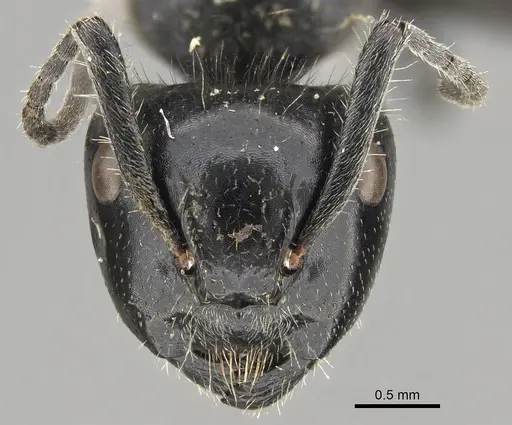
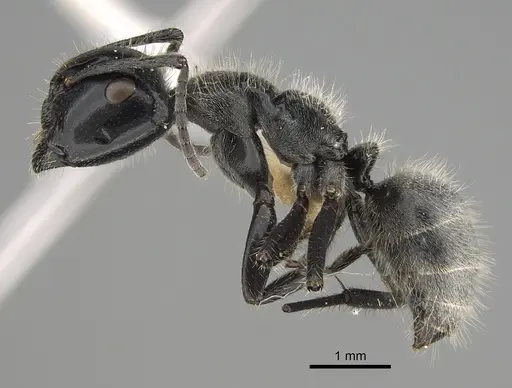
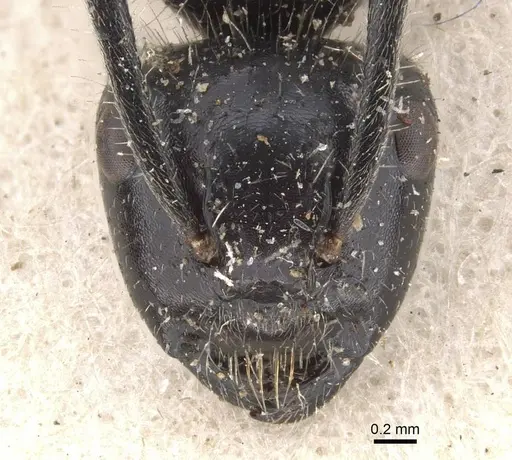
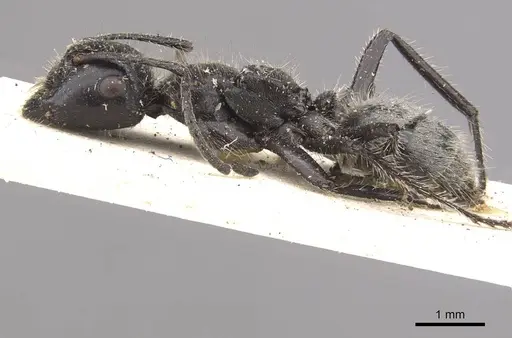
Calomyrmex impavidus is a medium-sized ant native to northern Australia, specifically the Northern Territory region around Darwin. Workers are uniformly black . The species was originally described as Camponotus impavidus in 1893 by Forel from specimens collected at Port Darwin before being moved to the genus Calomyrmex by Emery in 1896. These ants belong to the Formicinae subfamily and are closely related to Camponotus. They are found in Australia's tropical seasonal zones and have been recorded in rainforest areas of the Northern Territory . This species remains poorly studied in captivity with no documented captive husbandry information.
Quick Summary
- Difficulty: Not recommended for beginners, no captive husbandry literature exists for this species. All care is experimental.
- Origin & Habitat: Northern Australia (Northern Territory around Darwin) and potentially New Guinea [3]. Found in rainforest and seasonal tropical habitats in the monsoonal tropics of Australia's Northern Territory [2].
- Colony Type: Unknown, no research documents queen number or colony organization for this species.
- Size & Growth:
- Queen: Size data unavailable, no specific measurements exist. Inferred from related Formicinae genera at approximately 6-8mm.
- Worker: Approximately 5-7mm, inferred from genus placement in Formicinae [4]
- Colony: Unknown, no colony size data available
- Growth: Unknown
- Development: Estimated 6-10 weeks based on related Formicinae like Camponotus at warm temperatures. (Development timeline is unconfirmed for this species. Related Formicinae species typically take 6-10 weeks from egg to worker at optimal temperatures.)
- Antkeeping:
- Temperature: Aim for 24-28°C (warm tropical conditions). Provide a temperature gradient allowing workers to self-regulate.
- Humidity: Keep substrate moderately moist. Given their rainforest habitat in the Northern Territory, they likely prefer humid conditions. Provide a moisture gradient.
- Diapause: Unknown for this species. Northern Australia experiences mild winters, so any dormancy period would likely be minimal if needed.
- Nesting: No specific nesting data exists. Based on related Formicinae and their tropical habitat, they likely nest in soil, rotting wood, or under stones. A naturalistic setup with moist substrate or a Y-tong/plaster nest would be appropriate.
- Behavior: Behavior is unstudied in captivity. Based on genus placement in Formicinae, they likely have typical ant communication and foraging patterns. Workers are uniformly black, which aids identification. Escape risk is moderate given their approximately 5-7mm worker size, standard barrier methods should suffice. Formicinae ants lack a functional sting and instead spray formic acid as their primary defense mechanism.
- Common Issues: this species has no captive husbandry literature, all care is experimental, growth and development timelines are unknown, making colony health assessment difficult, humidity and temperature requirements are inferred, not confirmed, no information on founding behavior or colony establishment success rates, queen size and colony type remain undocumented
Identification and Appearance
Calomyrmex impavidus workers are uniformly black, measuring approximately 5-7mm in length. The species was originally described by Forel in 1893 as Calomyrmex impavidus from specimens collected at Port Darwin in Australia's Northern Territory. In 1896, Emery moved the species to the genus Calomyrmex. The larvae have been described by Wheeler and Wheeler (1968), but detailed morphological descriptions of all castes remain limited. The uniformly dark coloration distinguishes this species from some related ants that may have lighter markings [4].
Distribution and Habitat
This species is known from northern Australia, particularly the Northern Territory region around Darwin. Records exist from multiple islands and quadrats in the seasonal tropics of Australia's Northern Territory [2]. One source also mentions Nova Guinea in the distribution [3], suggesting the species may have a broader range across the Australasian region. They have been documented in rainforest ant faunas of the Northern Territory, indicating preference for moist, shaded environments. The Tiwi Islands and Holmes Jungle area have recorded populations of this species.
Defense Mechanism
As a member of the Formicinae subfamily, Calomyrmex impavidus lacks a functional sting. The primary defense mechanism is spraying formic acid from the acidopore onto the target after biting. This is the default defense for Formicinae ants including Calomyrmex and related Camponotus species.
Nest Preferences
No specific nesting data exists for Calomyrmex impavidus in the scientific literature. Based on their placement in the Formicinae subfamily and related genera like Camponotus, they likely nest in soil cavities, under stones, or in rotting wood. Their presence in rainforest habitats suggests they prefer humid, shaded locations. For captivity, a naturalistic setup with moist substrate or a Y-tong/plaster nest with chambers scaled to their approximately 5-7mm worker size would be appropriate. Providing a moisture gradient allows ants to self-regulate their humidity preferences.
Feeding and Diet
No specific dietary studies exist for this species. As Formicinae, they likely have a typical omnivorous diet similar to related Camponotus species, accepting sugar sources (honey, sugar water) and protein (insects, small prey). In their tropical Australian habitat, they would have access to honeydew from aphids and scale insects, plus small arthropods. For captivity, offer sugar water or honey regularly and protein sources like mealworms, crickets, or other small insects. Observe acceptance to determine preferences.
Temperature and Seasonal Care
Given their origin in tropical northern Australia (Darwin region), these ants likely prefer warm conditions. Aim for temperatures in the 24-28°C range, which matches their natural hot-season habitat. Provide a temperature gradient so workers can regulate their exposure. The Northern Territory has a monsoon climate with distinct wet (May-October) and dry seasons, though the temperature variation is mild year-round. Whether they require any diapause period is unknown, starting with no hibernation and observing colony behavior is recommended until more data becomes available.
Colony Development
The colony development timeline for this species is completely unstudied. Based on related Formicinae like Camponotus, egg-to-worker development likely takes 6-10 weeks at optimal temperatures. Queens have not been measured specifically, but based on genus placement, they are probably around 6-8mm. No data exists on colony size limits, founding success rates, or typical colony maturity timelines. Keepers should expect a potentially long development period and be patient with colony growth.
Frequently Asked Questions
How long does it take for Calomyrmex impavidus to produce first workers?
The exact timeline is unknown, no species-specific development data exists. Based on related Formicinae like Camponotus, expect approximately 6-10 weeks from egg to worker at warm temperatures (24-28°C).
What do Calomyrmex impavidus ants eat?
No specific dietary studies exist. Based on their Formicinae placement, they likely accept sugar sources (honey, sugar water) and protein (small insects). Offer both and observe acceptance.
What temperature should I keep Calomyrmex impavidus at?
Aim for 24-28°C based on their tropical Australian origin. A temperature gradient is recommended so workers can self-regulate.
Do Calomyrmex impavidus ants need hibernation?
Unknown. Their native range in northern Australia has mild winters, so any diapause requirement would likely be minimal if present. Start with no hibernation and observe colony behavior.
Are Calomyrmex impavidus good for beginners?
This species is not recommended for beginners due to the complete lack of captive husbandry information. All care is experimental. Related Formicinae like Lasius or Camponotus are better established in the hobby.
How big do Calomyrmex impavidus colonies get?
Unknown, no colony size data exists in the scientific literature. Related Formicinae typically reach several hundred to a few thousand workers.
What humidity do Calomyrmex impavidus require?
Based on their rainforest habitat in the Northern Territory, keep substrate moderately moist. Provide a moisture gradient allowing workers to self-regulate.
Can I keep multiple Calomyrmex impavidus queens together?
No data exists on colony structure for this species. The colony type (single queen vs multiple queen) has not been documented.
What type of nest should I use for Calomyrmex impavidus?
No specific nesting data exists. Based on related Formicinae, a naturalistic setup with moist substrate or a Y-tong/plaster nest with chambers scaled to their approximately 5-7mm size would be appropriate.
Report an Issue
The current care sheet is based fully on literature. See inconsistencies, or something that's incorrect? Please , it will be resolved after review from an admin. Contributing to the blogs tab also helps providing information, to make us be able to further improve the caresheets. Thank you for your support!
References

Esta ficha de cuidados é licenciada sob CC BY-SA 4.0 .
Blogs da comunidade
CASENT0887756
Ver no AntWeb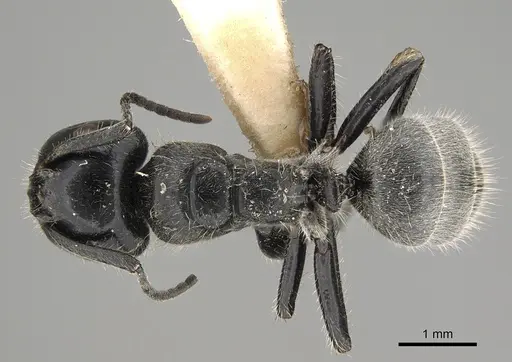
CASENT0910758
Ver no AntWeb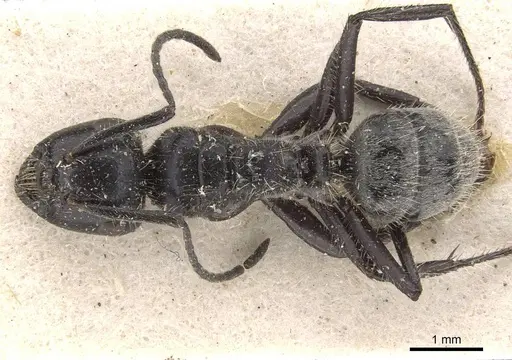
Literatura
A carregar mapa de distribuição...A carregar produtos...