
Bothriomyrmex modestus
- Nome cient.
- Bothriomyrmex modestus
- Tribo
- Bothriomyrmecini
- Subfamília
- Dolichoderinae
- Autor
- Radchenko, 1985
- Distribuição
- Encontrado em 0 países
Introdução
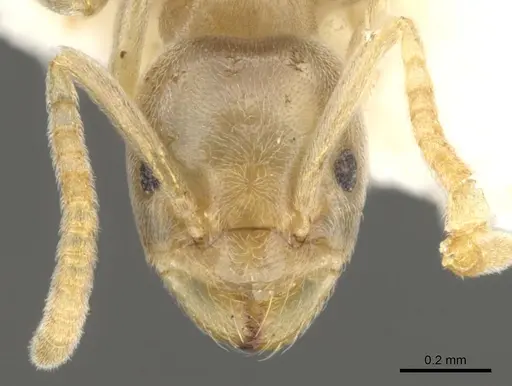
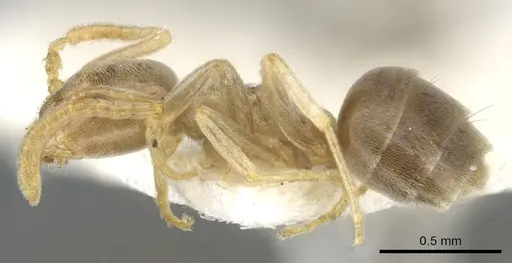
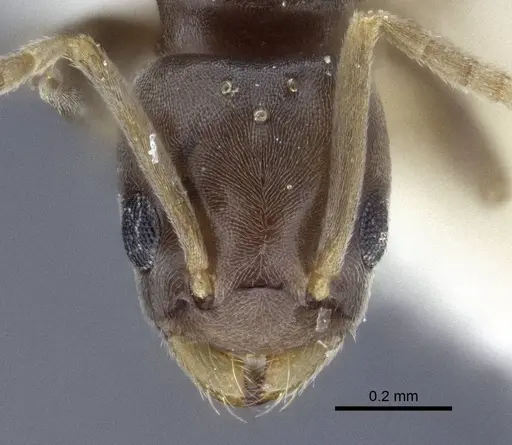
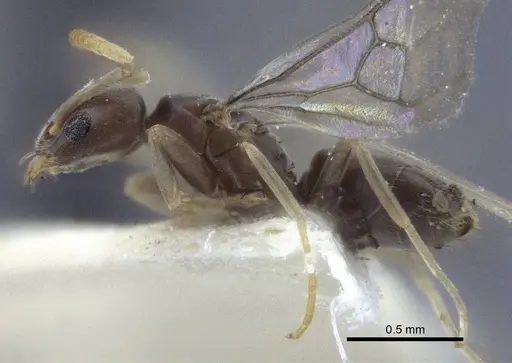
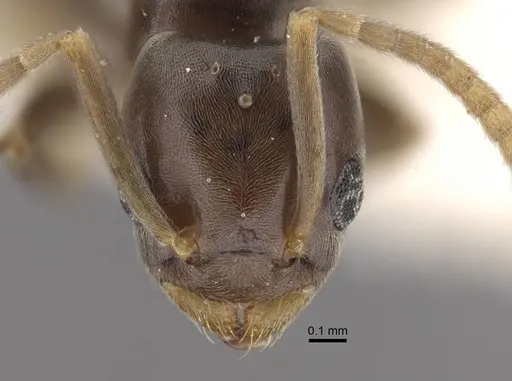
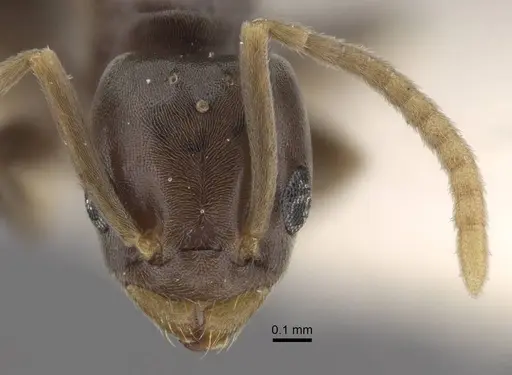
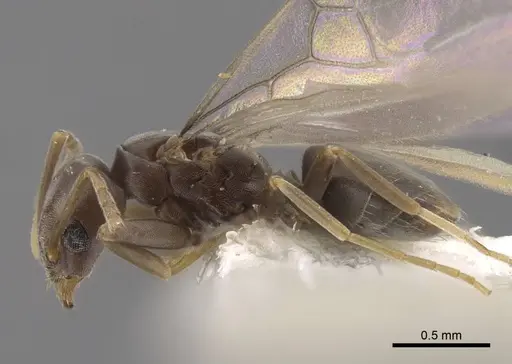
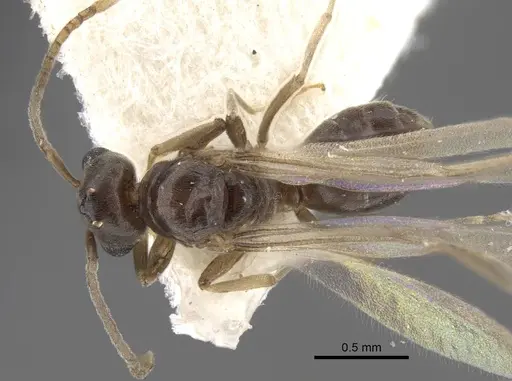
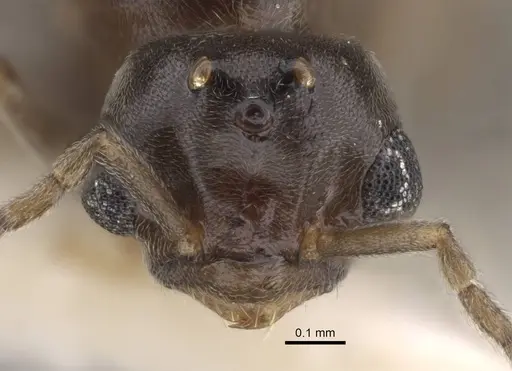
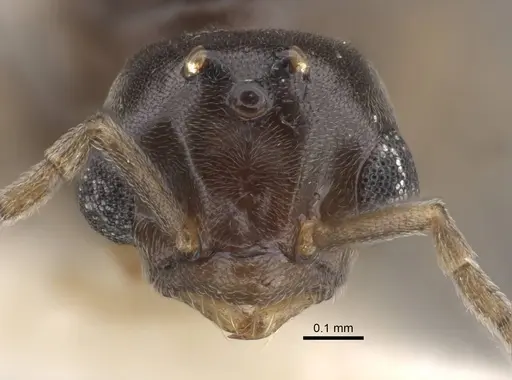
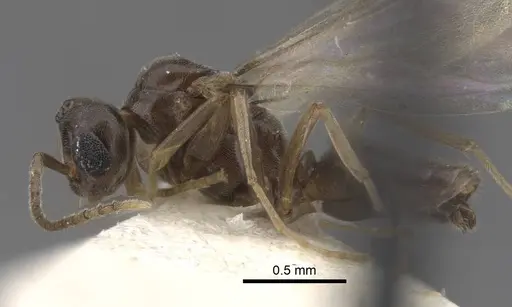
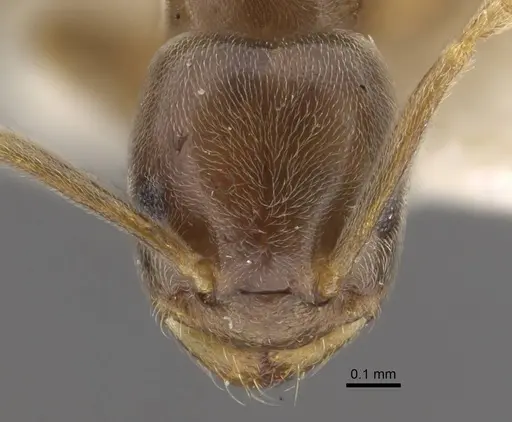
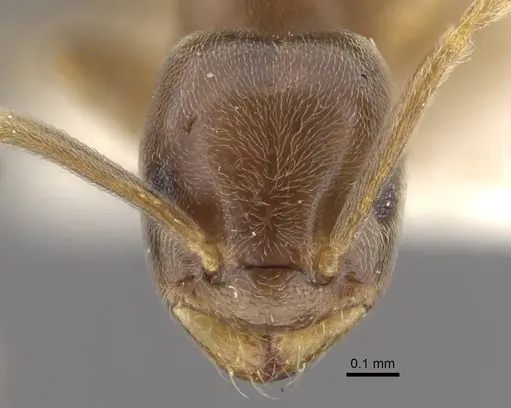
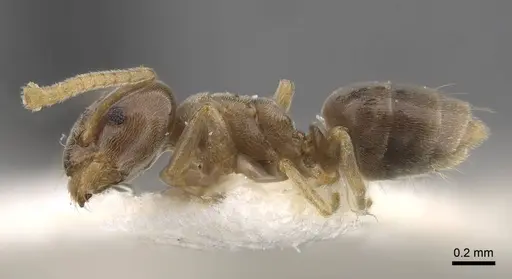
Bothriomyrmex modestus is a small, pale ant species in the Dolichoderinae subfamily. Workers are tiny, pale yellowish to light brown in coloration, typical of many Dolichoderine ants. This species was formally described in 1985 and remains one of the less studied ants in Europe . The genus Bothriomyrmex is known for unusual social parasitism behavior in some species - they invade colonies of related ants, kill the host queen, and use the host workers to raise their own brood . This species has a very limited distribution in the Palaearctic region, found only in the steppe zones of southern Ukraine and southern Russia. It was originally discovered in the Provalskaya Steppe Reserve in Ukraine and has also been recorded in Kalmykia . As a steppe-dwelling species, they prefer warmer, drier conditions compared to forest-dwelling ants. The genus is part of the B. adriacus group, which includes several closely related species distributed around the Mediterranean and Eastern Europe .
Quick Summary
- Difficulty: Unknown, likely Difficult
- Origin & Habitat: Native to the steppe zones of Ukraine and southern Russia. This is a subendemic species found primarily in the Provalskaya Steppe Reserve [3]. The steppe habitat suggests they prefer open, warm, and relatively dry conditions with sparse vegetation.
- Colony Type: Colony structure is unconfirmed. Based on typical Dolichoderinae patterns, likely single-queen colonies, but this has not been documented for this specific species.
- Size & Growth:
- Queen: size data unavailable, no specific measurements exist for this species
- Worker: size data unavailable, no specific measurements exist for this species
- Colony: Unknown, no colony size data available
- Growth: Unknown, no development data available
- Antkeeping:
- Temperature: Based on steppe habitat: likely warm, around 22-28°C. Provide a temperature gradient so ants can choose their preferred zone.
- Humidity: Likely prefers drier conditions than many ants, steppe habitat suggests 40-60% humidity is appropriate. Provide a moisture gradient with a damp area and dry area.
- Diapause: Unknown, likely requires a winter rest period given their temperate/steppe distribution, but specific requirements are unconfirmed.
- Nesting: Natural nesting is unconfirmed. Based on steppe habitat and related species, likely nests in soil under stones or in shallow underground chambers. A Y-tong or plaster nest with some dry areas would be appropriate.
- Behavior: Behavior is poorly documented. Bothriomyrmex ants are generally not aggressive and avoid confrontation. Workers are small and likely forage quietly. Escape prevention should be excellent given their tiny size, they can easily slip through standard test tube setups. Dolichoderine ants have a distinct musty odor when disturbed.
- Common Issues: no species-specific care information exists, keepers will be pioneering husbandry methods, escape prevention is critical due to their tiny size, winter dormancy requirements are unknown but likely needed given temperate distribution, limited availability, this species is rarely kept in captivity
Species Background and Distribution
Bothriomyrmex modestus is a rare and poorly studied ant species endemic to the steppe regions of Eastern Europe. It was first described by Radchenko in 1985 from specimens collected in the Provalskaya Steppe Reserve in Ukraine [1]. The species has also been recorded in Kalmykia, a region in southern Russia, making it a subendemic species with a very restricted range [3].
The genus Bothriomyrmex belongs to the Dolichoderinae subfamily, which includes other well-known ants like Tapinoma and Linepithema. Within the genus, B. modestus is placed in the B. adriacus group based on morphological characteristics [2]. This group contains several species distributed around the Mediterranean and Black Sea regions. The steppe biotic complex classification of this species indicates it is adapted to open grassland habitats with seasonal temperature variations [3]. It has been recorded in Russia (European part, South) and Eastern Europe [4][1].
Understanding the Genus Bothriomyrmex
While specific behavior of B. modestus is unstudied, the genus Bothriomyrmex has some biological traits worth understanding. Some species in this genus are known temporary social parasites, they invade colonies of related ant species, kill or replace the host queen, and use the host workers to raise their first brood [2]. This parasitic behavior is why the genus name translates to 'pit-ant' (from Greek bothros = pit, myrmex = ant), possibly referring to their sneaky infiltration behavior.
However, not all Bothriomyrmex species are parasitic, and it's unknown whether B. modestus exhibits this behavior. What is known is that they are small, pale ants that typically nest in open habitats. The genus is distributed primarily around the Mediterranean Basin and adjacent regions, with B. modestus representing the eastern edge of the genus distribution in the steppe zones [3][1].
Housing and Nesting Recommendations
Since no captive care information exists for this species, recommendations must be based on inference from their natural habitat and genus patterns. As a steppe-dwelling species, they likely prefer warmer and drier conditions than typical forest ants. A Y-tong or plaster nest would work well, these allow you to control humidity precisely and create a gradient from damp to dry areas.
Given their tiny worker size, escape prevention is absolutely critical. Standard test tube setups may have gaps large enough for them to escape. Use tight-fitting barriers, fine mesh on any ventilation, and consider coating rim edges with Fluon. Provide an outworld for foraging that also has escape barriers. A small foraging area is appropriate since these are small colonies.
The nest should have chambers scaled to their tiny size, narrow passages and small chambers will make them feel secure. Avoid tall, open spaces that might stress these small ants.
Temperature and Seasonal Care
Based on their steppe habitat in Ukraine and southern Russia, B. modestus likely experiences cold winters and warm summers. They would probably benefit from a winter dormancy period, though the exact requirements are unconfirmed. In captivity, you might aim for summer temperatures around 24-28°C with a slight gradient, and allow temperatures to drop to around 10-15°C during winter months.
The steppe environment experiences significant temperature swings between seasons, so they likely tolerate a wider temperature range than many tropical ants. However, avoid extreme temperatures, a comfortable room temperature range of 20-26°C during the active season should be appropriate. Use a heating cable on one side of the nest to create a gradient if your room temperature runs cool, placing it on top of the nest to avoid excessive drying.
Feeding and Nutrition
Feeding requirements for this species are completely unstudied. Based on typical Dolichoderinae behavior, they likely feed on honeydew from aphids and scale insects, plus small insects for protein. In captivity, you can offer sugar water or honey water as a constant energy source, plus small protein sources like fruit flies, pinhead crickets, or other tiny arthropods.
Start with small prey items and observe what they accept. Dolichoderines are generally not aggressive hunters, they prefer scavenging and collecting honeydew. Some species will readily accept sugar water, while others show less interest. Offer a variety and see what works. Remove uneaten prey after 24-48 hours to prevent mold.
Frequently Asked Questions
How do I keep Bothriomyrmex modestus ants?
Specific captive care for this species has never been documented. Based on their steppe habitat, use a warm nest around 24-28°C with a humidity gradient providing both damp and dry areas. Escape prevention is critical due to their tiny size. This species is extremely rare in captivity and may not be available from suppliers.
What do Bothriomyrmex modestus eat?
Their diet is unstudied. Based on related Dolichoderines, they likely accept sugar sources (honey water, sugar water) and small protein prey like fruit flies or tiny insects. Offer a varied diet and observe what they accept.
How big do Bothriomyrmex modestus colonies get?
Colony size is unknown, no colony size data exists for this species.
Are Bothriomyrmex modestus good for beginners?
No. This species is not recommended for beginners. There is essentially no captive care information available, they are extremely rare in the antkeeping hobby, and they require specialized conditions that are not well understood. This would be an expert-level species for advanced keepers willing to experiment.
Do Bothriomyrmex modestus need hibernation?
Likely yes, given their temperate/steppe distribution in Ukraine and Russia. However, specific diapause requirements are unconfirmed. A winter rest period at cool temperatures (around 10-15°C) for 2-3 months is probably appropriate based on their native climate.
How long does it take for Bothriomyrmex modestus to develop from egg to worker?
Unknown, no development data exists for this species.
Can I keep multiple Bothriomyrmex modestus queens together?
Unknown. The colony structure of this species has not been studied. Combining unrelated queens is generally not recommended for most ant species without specific evidence they can coexist. Do not attempt without research specific to this species.
Where is Bothriomyrmex modestus found?
This species has a very limited distribution in the Palaearctic region. It is found only in the steppe zones of southern Ukraine (Provalskaya Steppe Reserve) and southern Russia (Kalmykia) [3][1].
Is Bothriomyrmex modestus a parasite?
Unknown for this specific species. Some Bothriomyrmex species are temporary social parasites that invade other ant colonies, but this behavior has not been documented for B. modestus specifically [2].
Report an Issue
The current care sheet is based fully on literature. See inconsistencies, or something that's incorrect? Please , it will be resolved after review from an admin. Contributing to the blogs tab also helps providing information, to make us be able to further improve the caresheets. Thank you for your support!
References

Esta ficha de cuidados é licenciada sob CC BY-SA 4.0 .
Blogs da comunidade
CASENT0903026
Ver no AntWeb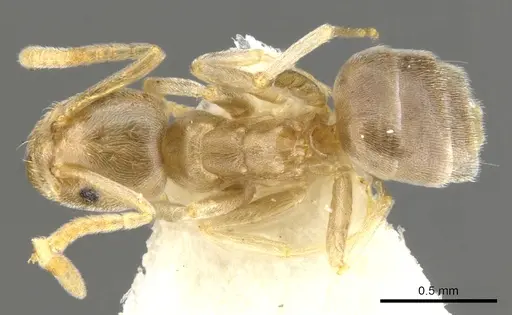
CASENT0916697
Ver no AntWeb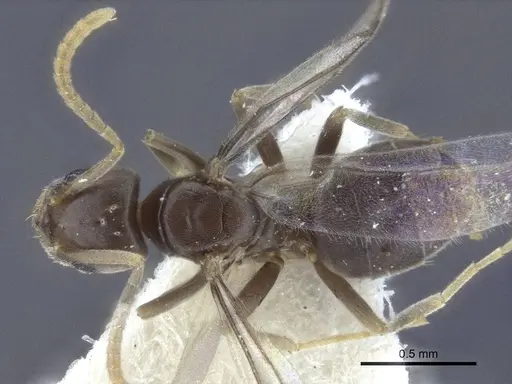
CASENT0917472
Ver no AntWeb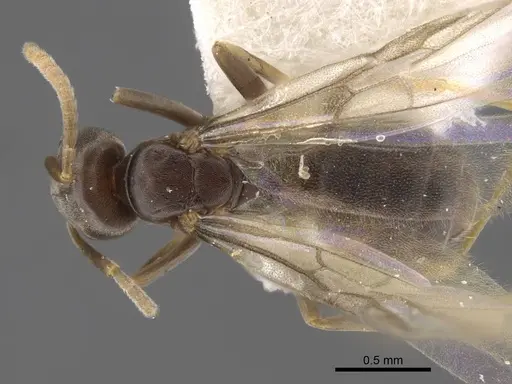
CASENT0917473
Ver no AntWeb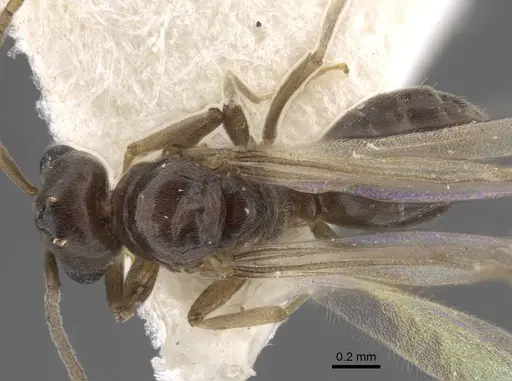
CASENT0917474
Ver no AntWeb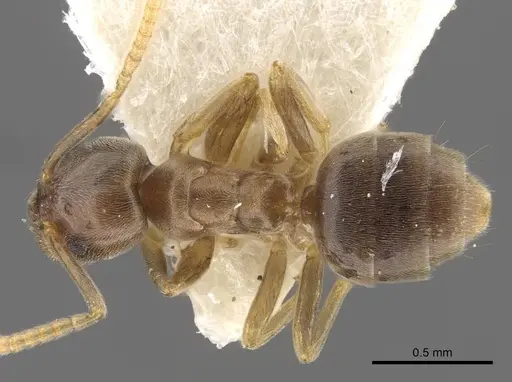
Literatura
A carregar mapa de distribuição...A carregar produtos...