
Aphaenogaster angulata
- Nome cient.
- Aphaenogaster angulata
- Tribo
- Stenammini
- Subfamília
- Myrmicinae
- Autor
- Viehmeyer, 1922
- Distribuição
- Encontrado em 0 países
Introdução
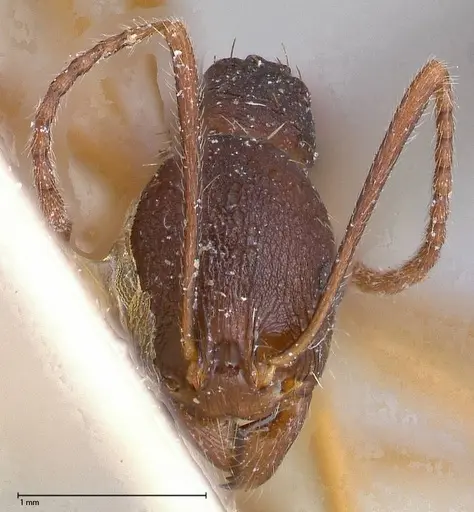
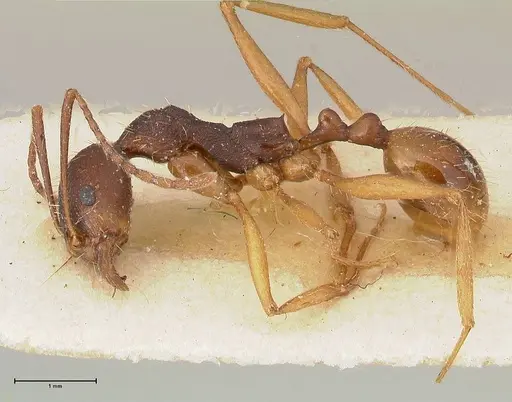
Aphaenogaster angulata is a rarely encountered ant species native to Sichuan Province, China, in the Palearctic region . First collected in 1914 and described in 1922,scientists originally classified it as a subspecies of Aphaenogaster famelica before later recognizing it as a distinct species . Despite belonging to the well-studied Aphaenogaster genus, virtually no biological data exists for this species - no observations on colony size, behavior, or specific care requirements have been published. It occurs at approximately 26°N latitude in mountainous extratropical regions, suggesting it experiences distinct seasonal temperature changes . For antkeepers, this means working with a species where every care parameter must be inferred from related species or discovered through careful observation.
Quick Summary
- Difficulty: Expert
- Origin & Habitat: Sichuan Province, China, mountainous Palearctic regions at approximately 26°N latitude [1][2].
- Colony Type: Unknown, colony structure unconfirmed for this species.
- Size & Growth:
- Queen: Size data unavailable, no measurements exist for this species.
- Worker: Size data unavailable, no measurements exist for this species.
- Colony: Unknown, no data available for this species.
- Growth: Unknown, no development data exists for this species.
- Development: Unknown, no species-specific development data exists. (Related temperate Aphaenogaster species typically develop from egg to worker in 6-10 weeks at warm temperatures, but this is unconfirmed for A. angulata.)
- Antkeeping:
- Temperature: Unknown, start at room temperature (20-24°C) and observe. Being from extratropical Sichuan, they likely experience seasonal temperature changes.
- Humidity: Provide moderate humidity with damp substrate, most Aphaenogaster prefer nest material that holds moisture without becoming waterlogged.
- Diapause: Likely yes, being from extratropical mountainous regions suggests seasonal hibernation is required [1].
- Nesting: Likely soil or rotting wood based on typical Aphaenogaster nesting preferences. Y-tong nests or naturalistic setups with soil and flat stones likely work well.
- Behavior: Behavior unconfirmed, likely moderate activity with scavenging behavior typical of the genus. Not considered highly aggressive.
- Common Issues: no specific care data exists, you will be experimenting with all parameters., wild-caught colonies may harbor parasites or pathogens from their native habitat., origin in mountainous regions suggests potential sensitivity to overheating, avoid temperatures above 28°C., slow or stalled development possible if conditions do not match natural requirements.
Data Limitations and Natural History
Aphaenogaster angulata remains one of the more poorly documented ants in the hobby due to a near-total lack of biological study. Scientists have only documented the original type specimen from Sichuan, China, and the species has not been the focus of any dedicated behavioral or ecological research [2]. It belongs to the extratropical Palearctic fauna at roughly 26°N latitude, placing it in a region with seasonal temperature variations [1]. The mountainous terrain of Sichuan suggests these ants likely nest in soil, under stones, or in rotting wood at moderate to high elevations. For antkeepers, this means working without established care protocols, successful husbandry will require careful observation and willingness to adjust parameters based on colony response.
Nest Preferences
In the wild, Aphaenogaster angulata likely nests in soil, under flat stones, or in rotting wood based on typical Aphaenogaster patterns [2]. In captivity, Y-tong (autoclaved aerated concrete) nests or plaster nests with moderate humidity work well for related species. Provide chambers sized appropriately for small to medium ants. Keep the nest substrate damp but not waterlogged, with a slight gradient allowing ants to choose their preferred moisture level. Naturalistic setups with soil, leaf litter, and flat stones may help reduce stress for this poorly understood species.
Temperature and Seasonal Care
Being from extratropical Sichuan at 26°N latitude, Aphaenogaster angulata likely experiences seasonal temperature changes and may require a winter rest period [1]. During the active season (spring through autumn), maintain temperatures around 20-24°C. For winter, gradually cool the colony to 10-15°C for 2-3 months to simulate their natural mountain climate. If the colony shows signs of stress at room temperature (lethargy, brood abandonment), adjust accordingly. Avoid overheating, mountain species often tolerate cool conditions better than excessive heat, so keep maximum temperatures below 28°C.
Feeding and Diet
Based on typical Aphaenogaster behavior, Aphaenogaster angulata is likely omnivorous [2]. Offer a varied diet including small live insects (fruit flies, springtails, small crickets), seeds (chia, millet, or canary seed), and sugar sources (honey water or sugar water). Most Aphaenogaster species accept both protein and carbohydrates readily. Feed small amounts frequently rather than large amounts rarely to prevent mold. Remove uneaten food within 24-48 hours. If the colony refuses a particular food, remove it and try alternatives, preferences for this specific species are unknown.
Behavior and Temperament
Aphaenogaster angulata likely displays moderate activity levels typical of the genus [2]. Workers probably forage individually or in small groups rather than forming massive trails. They are not known for being highly aggressive, though they may bite if threatened. Escape risk depends on worker size, which is unknown for this species, but assume they can squeeze through small gaps and use appropriate barriers. They likely forage during the day or in early evening based on related species patterns.
Frequently Asked Questions
Are Aphaenogaster angulata good for beginners?
No. The lack of specific care data, unknown development times, and uncertain environmental requirements make this species suitable only for experienced antkeepers willing to experiment and problem-solve without established guidelines.
How long until first workers for Aphaenogaster angulata?
Unknown. No development data exists for this species. Related temperate Aphaenogaster species may develop from egg to worker in 6-10 weeks at warm temperatures, but this is unconfirmed for A. angulata.
Do Aphaenogaster angulata need hibernation?
Likely yes. They come from extratropical mountainous regions of Sichuan that experience seasonal changes [1]. Consider providing a winter rest period at 10-15°C for 2-3 months.
Where do Aphaenogaster angulata come from?
Sichuan Province, China. They were first collected near Kwansien (now Guanxian) in 1914 [1][2].
Can I keep multiple Aphaenogaster angulata queens together?
Not recommended. The exact colony structure is unknown, but most Aphaenogaster species are single-queen (monogyne). Combining multiple queens risks fighting and colony failure.
What do Aphaenogaster angulata eat?
Likely omnivorous based on typical Aphaenogaster patterns [2]. Offer small live insects, various seeds, and sugar water. Adjust based on what the colony accepts.
How big do Aphaenogaster angulata colonies get?
Unknown. No colony size data exists for this species. Related Aphaenogaster species typically reach several hundred to a few thousand workers.
What is the best nest type for Aphaenogaster angulata?
Likely Y-tong (AAC), plaster, or naturalistic setups with soil and flat stones based on typical Aphaenogaster preferences [2]. Ensure moderate humidity.
Are Aphaenogaster angulata invasive?
No. They are native to China and are not known to be introduced or established anywhere outside their native range [2].
Why is there so little information about Aphaenogaster angulata?
They have been documented only from the original type specimen collected in 1914 and have not been the focus of any modern biological studies [2]. They are rarely encountered by collectors or researchers.
Report an Issue
The current care sheet is based fully on literature. See inconsistencies, or something that's incorrect? Please , it will be resolved after review from an admin. Contributing to the blogs tab also helps providing information, to make us be able to further improve the caresheets. Thank you for your support!
References

Esta ficha de cuidados é licenciada sob CC BY-SA 4.0 .
Blogs da comunidade
FOCOL0500
Ver no AntWeb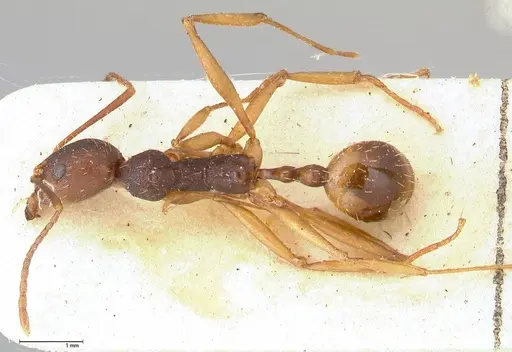
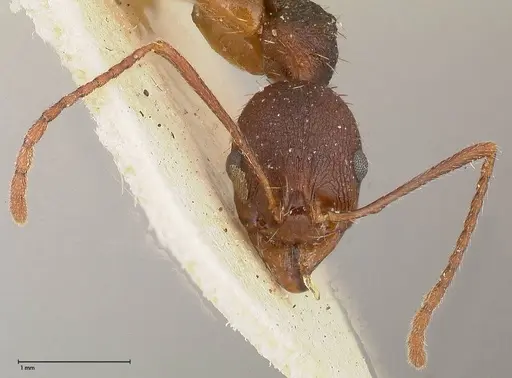
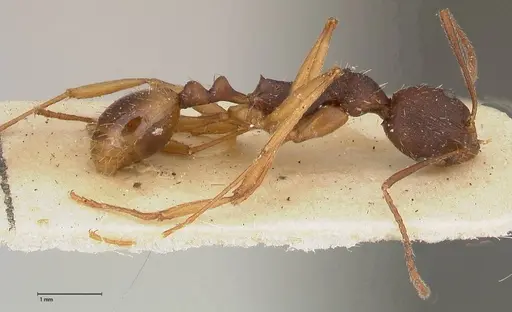
FOCOL0501
Ver no AntWeb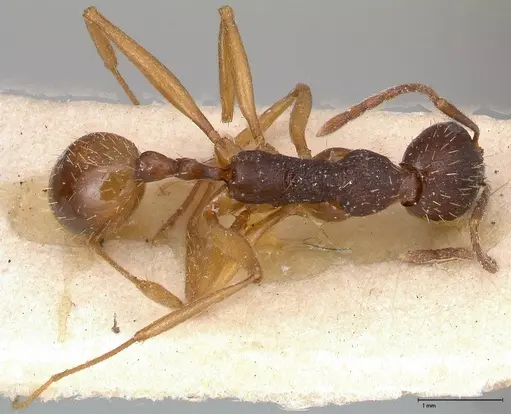
Literatura
A carregar mapa de distribuição...A carregar produtos...