
Anonychomyrma glabrata
- Nome cient.
- Anonychomyrma glabrata
- Tribo
- Leptomyrmecini
- Subfamília
- Dolichoderinae
- Autor
- Smith, 1857
- Distribuição
- Encontrado em 1 países
Introdução
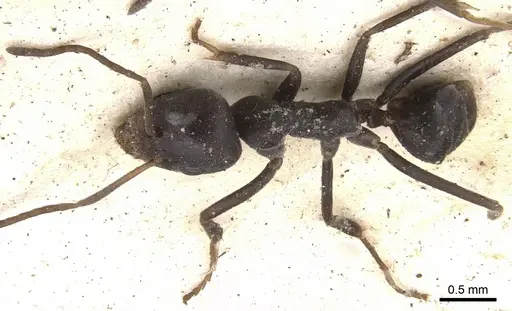
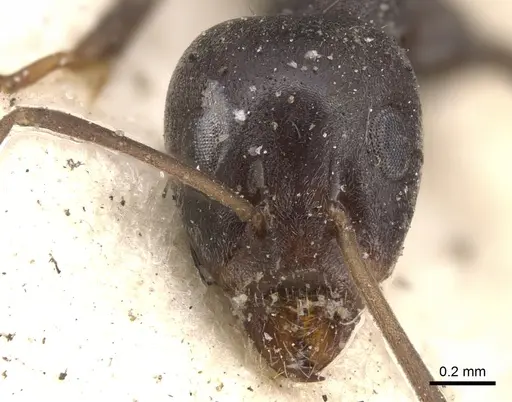
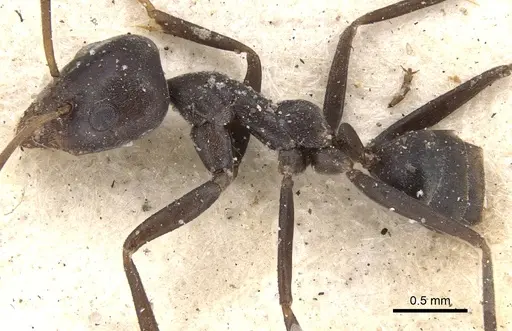
Anonychomyrma glabrata is a tiny ant from Southeast Asia. Workers measure roughly 3 mm based on the original 1858 description recording them as one and a half lines in length . Collectors first found them in Malacca, now part of Malaysia, suggesting they inhabit tropical forests in that region . This species remains virtually unknown to science and antkeeping. Beyond the original 1858 description, no research exists on their biology, colony structure, or behavior. This makes them a challenging species suited only for experienced keepers willing to experiment and document their findings.
Quick Summary
- Difficulty: Expert
- Origin & Habitat: Malacca, Malaysia [1]
- Colony Type: Unknown, no studies have documented their colony structure
- Size & Growth:
- Antkeeping:
- Temperature: 24-28°C year-round, tropical species that does not experience cold seasons [1]
- Humidity: Moderate to high, keep nest substrate damp but not waterlogged, mimicking humid forest floor conditions
- Diapause: No, tropical origin means no winter rest period required [1]
- Nesting: Unknown, provide small chambers with tight-fitting lids due to tiny worker size
- Behavior: Unknown temperament, no behavioral studies exist. Their small size means excellent escape prevention is critical [1]. As Dolichoderine ants, they lack a functional sting and instead secrete defensive chemical compounds from a slit-like opening at the tip of the abdomen for defense.
- Common Issues: complete lack of care information means you will be pioneering their captive care without established guidelines., tiny worker size (3mm) creates extreme escape risk through minute gaps in lids, mesh, or tubing connections., unknown dietary preferences may lead to colony starvation if standard ant foods are rejected., unidentified parasites from wild-caught colonies may cause sudden collapse with no documented treatment protocols.
Historical Records and Data Scarcity
Frederick Smith first described Anonychomyrma glabrata in 1858 based on workers collected in Malacca, Malaysia [1]. He recorded their length as one and a half lines, which equals roughly 3 mm by modern measurements [1]. Since this initial description, scientists have published virtually no research on this species. No studies document their nesting habits, colony size, queen behavior, or development time. For antkeepers, this means you must pioneer their care without established guidelines. Success with this species would add significantly to scientific knowledge.
Inferred Care Guidelines
Base your care on the tropical Malaysian climate and general patterns from related ants. Maintain temperatures between 24-28°C year-round, as these warmth-loving ants come from a region without cold seasons [1]. Keep the nest substrate moderately damp, mimicking the humid forest floor where collectors found the original specimens. Offer sugar water or honey water for energy, plus small protein sources like fruit flies or springtails. Watch carefully for acceptance, as their specific dietary preferences remain unknown.
Housing and Escape Prevention
At only 3 mm long, workers squeeze through gaps that would stop larger ants [1]. Use test tubes with tightly packed cotton plugs for founding colonies. For permanent housing, choose nests with secure lids and ventilation holes smaller than 0.5 mm, or cover standard mesh with additional fine cloth. Apply barrier substances like Fluon or talcum powder to outworld rims, refreshing weekly. Even tiny gaps in acrylic seams or around tubing can lead to total colony loss.
Colony Founding and Structure
Whether these ants found colonies with one queen or multiple queens remains unknown. Scientists have never documented whether queens seal themselves in using stored body fat or must hunt for food during founding. Provide a secure chamber with access to food to cover both possibilities. House founding queens individually to avoid potential conflict, as no data exists on their founding behavior.
Frequently Asked Questions
Can I keep Anonychomyrma glabrata in a test tube?
Yes. Standard 16mm or 18mm test tubes with cotton plugs work for founding. Pack the cotton firmly, as these tiny ants escape through gaps that would contain larger species [1].
How long until first workers for Anonychomyrma glabrata?
Unknown. No development data exists for this species. Monitor regularly and exercise patience.
What do Anonychomyrma glabrata eat?
Unknown. Offer sugar water or honey water plus small live prey like fruit flies, springtails, or pinhead crickets. Observe acceptance and adjust based on their response.
Do Anonychomyrma glabrata need hibernation?
No. They originate from tropical Malaysia where temperatures stay warm year-round [1]. Keep them at 24-28°C continuously without cooling.
Are Anonychomyrma glabrata good for beginners?
No. The complete lack of care information, unknown founding behavior, and tiny size make them suitable only for experienced keepers willing to experiment.
Can I keep multiple Anonychomyrma glabrata queens together?
Unknown and not recommended. No data exists on whether they tolerate multiple queens. Start with single-queen setups to avoid losses.
How big do Anonychomyrma glabrata colonies get?
Unknown. No colony size data exists for this species.
Report an Issue
The current care sheet is based fully on literature. See inconsistencies, or something that's incorrect? Please , it will be resolved after review from an admin. Contributing to the blogs tab also helps providing information, to make us be able to further improve the caresheets. Thank you for your support!
References

Esta ficha de cuidados é licenciada sob CC BY-SA 4.0 .
Blogs da comunidade
CASENT0901920
Ver no AntWeb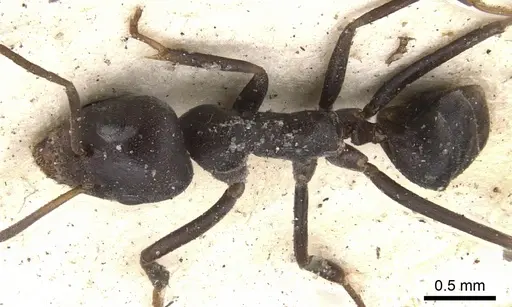
Literatura
A carregar mapa de distribuição...A carregar produtos...