
Aenictus arya
- Nome cient.
- Aenictus arya
- Subfamília
- Dorylinae
- Autor
- Forel, 1901
- Distribuição
- Encontrado em 0 países
Introdução
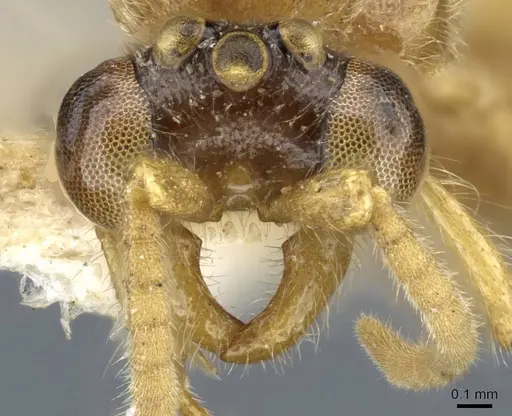
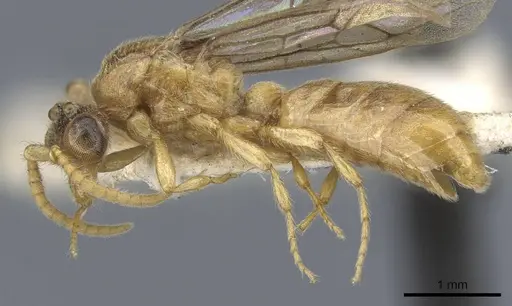
Aenictus arya is a small army ant species endemic to India, first described by Forel in 1901 from Karnataka . As a member of the Dorylinae subfamily, these ants are known for their nomadic lifestyle and predatory raiding behavior. Workers are small and slender, adapted for their hunting lifestyle. The species is recorded across multiple Indian states including Karnataka, Kerala, Maharashtra, Tamil Nadu, West Bengal, and Himachal Pradesh . Army ants like Aenictus arya are specialized predators that form large colonies and conduct regular raids to capture prey, primarily other ant species and their brood. This makes them challenging to keep - they require a constant supply of live prey and will not survive on sugar water alone. Their nomadic nature means they don't stay in permanent nests but move their colony location regularly.
Quick Summary
- Difficulty: Expert
- Origin & Habitat: Endemic to India, found across multiple states including Karnataka, Kerala, Maharashtra, Tamil Nadu, West Bengal, and Himachal Pradesh [2]. In the wild, they inhabit tropical and subtropical forest environments where they raid other ant colonies.
- Colony Type: Based on typical Aenictus genus patterns, colonies likely have multiple reproductive queens and can reach several thousand workers. The colony structure supports their nomadic raiding lifestyle.
- Size & Growth:
- Queen: ~5-8 mm, inferred from typical Aenictus genus patterns
- Worker: ~2-4 mm, inferred from typical Aenictus genus patterns
- Colony: Several thousand workers, inferred from typical Aenictus colony sizes
- Growth: Fast, army ant colonies grow rapidly when well-fed
- Development: Estimated 4-6 weeks at optimal temperature based on typical Dorylinae development (Development is likely fast typical of predatory army ants, but species-specific data is unavailable)
- Antkeeping:
- Temperature: Keep at 24-28°C, army ants are warmth-loving and need consistent heat for brood development. A heating cable on one side of the nest creates a suitable gradient.
- Humidity: High humidity preferred (70-85%). Army ants naturally inhabit humid tropical environments. Keep the nest substrate consistently moist but not waterlogged.
- Diapause: Likely minimal or no true diapause, being a tropical Indian species, they probably do not require hibernation. However, a slight reduction in temperature during winter months may be beneficial.
- Nesting: Y-tong (AAC) nests or plaster nests work well. Army ants prefer dark, humid nests with easy access to an outworld for raiding. Provide a spacious outworld as they need room to conduct raids and process prey.
- Behavior: Extremely active and aggressive predators. Workers are small but numerous and will readily attack and overwhelm other ant colonies. They are excellent escape artists due to their small size, escape prevention must be excellent with fine mesh barriers. Unlike many ants, they do not store food in their crops and require constant feeding. They exhibit classic army ant raiding behavior where columns of workers search for prey colonies. Not suited for mixed-species setups.
- Common Issues: constant live prey requirement, colonies can collapse if starved, escape prevention is critical due to small worker size, colonies are nomadic and may reject traditional formicaria, stress-sensitive, may abandon nests if conditions are unstable, overfeeding can cause mold issues in the nest
Housing and Nest Setup
Aenictus arya requires specialized housing that accommodates their nomadic nature and predatory behavior. Y-tong (AAC) nests or plaster nests work well because they maintain high humidity while providing dark chambers. The nest should connect to a spacious outworld where raiding behavior can occur. Unlike territorial ants that defend a single territory, army ants need room to conduct raids and process captured prey. Use a large outworld relative to the colony size, think of it as their hunting ground. Escape prevention is critical: these tiny ants can squeeze through surprisingly small gaps. Apply Fluon to all rim edges and use fine mesh on any ventilation. Keep the nest area dark, army ants prefer dark, humid conditions and will be more active in dim lighting.
Feeding and Diet
Aenictus arya is an obligate predator and will NOT survive on sugar water, honey, or seed-based diets. They require a constant supply of live prey, primarily other ant species and their brood, but they will also accept small insects. In captivity, you can feed them: small crickets, fruit flies, mealworms (cut into small pieces), and most importantly, other ant colonies or ant brood. Some keepers maintain 'feeder ant' colonies specifically to provide a constant prey source. Feed small prey items that workers can overcome, they are small ants and cannot take down large prey. Feed every 1-2 days, removing any uneaten prey to prevent mold. A well-fed army ant colony will show constant raiding activity with columns of workers moving through the outworld.
Temperature and Heating
As a tropical Indian species, Aenictus arya requires warm temperatures between 24-28°C for optimal activity and brood development. Temperatures below 22°C will slow their activity significantly, and prolonged cold can be fatal. Use a heating cable or heating mat on one side of the nest to create a temperature gradient, allowing the colony to self-regulate. Place the heating element on top of the nest material rather than underneath to avoid drying out the substrate. Monitor temperatures with a digital thermometer. Consistent warmth is more important than extreme heat, avoid temperatures above 32°C which can stress the colony. Room temperature may be sufficient if your home stays in the 24-27°C range.
Colony Structure and Social Organization
Aenictus colonies are highly organized societies built around coordinated raiding. Multiple queens likely work together in the colony, which is essential for their nomadic lifestyle, having multiple egg-layers allows the colony to maintain large worker populations during moves. Workers are polymorphic, meaning they come in different sizes with different roles: larger workers (soldiers) have larger heads and mandibles for cutting through tough ant exoskeletons, while smaller workers handle brood care and food processing. The colony operates on a cycle: stationary phases (statary) where queens lay eggs and the colony remains in one location, followed by nomadic phases (nomadic) where they move to new territory to find fresh prey. This cycle is driven by food availability.
Handling and Observation
Observing Aenictus arya is a rewarding experience for experienced antkeepers. Their raiding behavior is fascinating to watch, columns of workers moving in coordinated formations, communicating through chemical trails. However, they are not a hands-on species. Avoid disturbing the nest too often as this can cause stress and colony abandonment. When observing, use red light or dim lighting as they are less disturbed by it. Do not house them in setups where you need to regularly handle the ants. Their small size and speed make them difficult to contain if they escape. Always have escape prevention measures in place before opening the formicarium. Given their expert-level difficulty, these ants are best suited for antkeepers who already have experience with predatory species and understand the commitment required to maintain a constant live prey supply.
Frequently Asked Questions
Can I keep Aenictus arya in a test tube?
Test tubes are not suitable for Aenictus arya. They need a spacious outworld to conduct raids and a nest chamber that maintains high humidity. Use a Y-tong or plaster nest with a connected foraging area. The colony needs room to move and process prey, a cramped test tube will cause them to stress and potentially abandon the nest.
What do Aenictus arya eat?
They are obligate predators and require live prey. They will not eat sugar water, honey, or seeds. Feed them small insects like fruit flies, pinhead crickets, and most importantly, other ant colonies or ant brood. Some keepers maintain feeder ant colonies specifically as a food source. Feed prey every 1-2 days and remove uneaten items.
How long until first workers in Aenictus arya?
Based on typical Aenictus development, expect first workers (nanitics) approximately 4-6 weeks after the queen lays eggs, at optimal temperatures of 24-28°C. Army ant colonies grow rapidly once established, but the founding phase can be slow and fragile.
Are Aenictus arya good for beginners?
No. Aenictus arya is an expert-level species. They require constant live prey, excellent escape prevention, high humidity, warm temperatures, and spacious housing. They are not forgiving of mistakes and can collapse quickly if their needs are not met. Only experienced antkeepers should attempt this species.
Do Aenictus arya need hibernation?
Probably not. Being a tropical Indian species, they likely do not require true hibernation. However, a slight reduction in temperature during winter months (to around 22-24°C) may be appropriate if your room temperature drops significantly. Avoid cold temperatures below 20°C.
How big do Aenictus arya colonies get?
Based on typical Aenictus species, colonies can reach several thousand workers. A well-established colony will have multiple queens and show constant raiding activity. The nomadic lifestyle supports large colony sizes.
Why is my Aenictus arya colony dying?
Common causes include: starvation (not enough live prey), escape (tiny workers finding gaps in your setup), temperature issues (too cold or too hot), humidity problems (too dry or mold from too wet), and stress from disturbance. Review each parameter and ensure you are providing constant live prey. Army ant colonies need consistent conditions and minimal interference.
Can I keep multiple queens together in Aenictus arya?
Yes, this is natural for Aenictus species. They are typically polygyne, meaning multiple queens coexist in the same colony. Unlike some ants where queens fight, Aenictus queens work together to support the colony. Do not combine unrelated foundress queens, introduce them properly if starting a new colony.
When should I move Aenictus arya to a formicarium?
Start them in a test tube setup for the founding queen, but be prepared to move them to a more spacious setup quickly once workers arrive. Army ants need space for raiding, so a small outworld connected to a Y-tong or plaster nest is ideal from the start. Do not keep them in a tiny test tube once the colony reaches 20+ workers.
Report an Issue
The current care sheet is based fully on literature. See inconsistencies, or something that's incorrect? Please , it will be resolved after review from an admin. Contributing to the blogs tab also helps providing information, to make us be able to further improve the caresheets. Thank you for your support!
References

Esta ficha de cuidados é licenciada sob CC BY-SA 4.0 .
Blogs da comunidade
CASENT0905987
Ver no AntWeb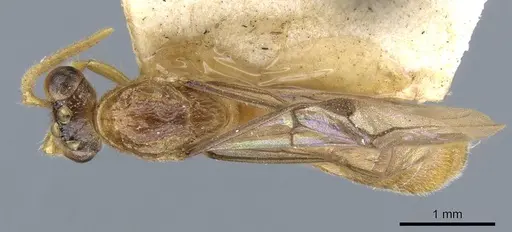
Literatura
A carregar mapa de distribuição...A carregar produtos...