
Vollenhovia piroskae
- Nome científico
- Vollenhovia piroskae
- Tribo
- Crematogastrini
- Subfamília
- Myrmicinae
- Autor
- Forel, 1912
- Distribuição
- Encontrada em 1 países
Introdução
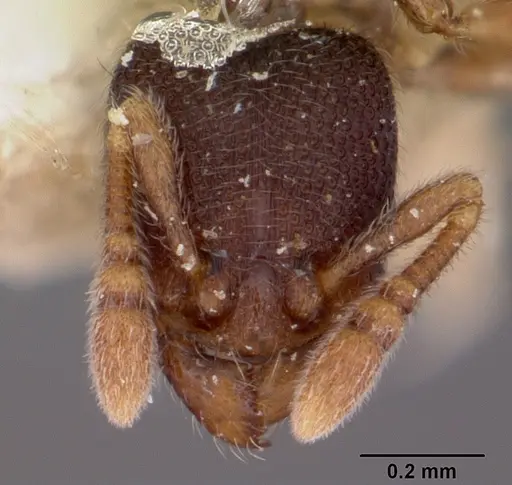
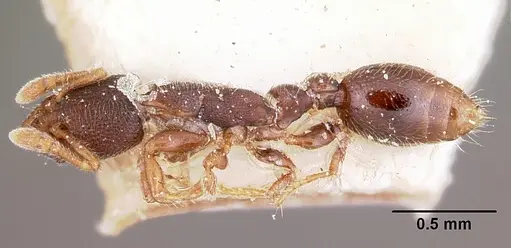
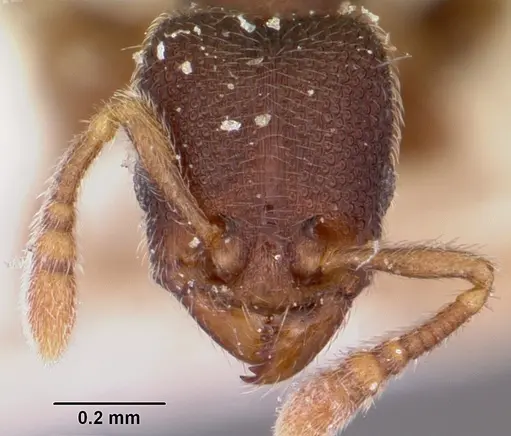
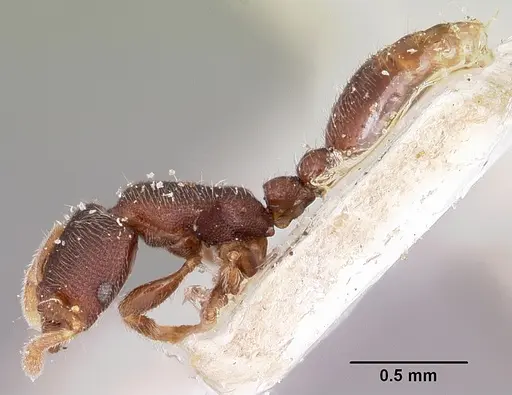
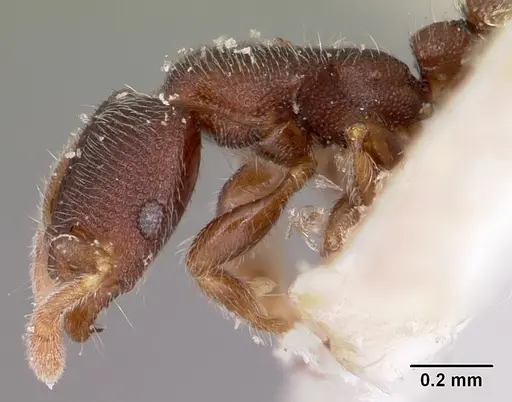
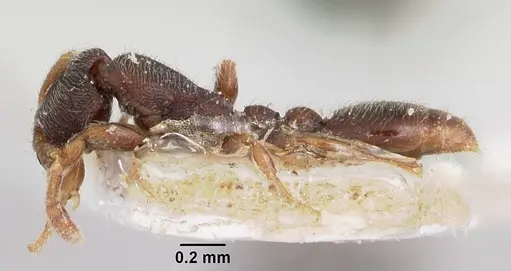
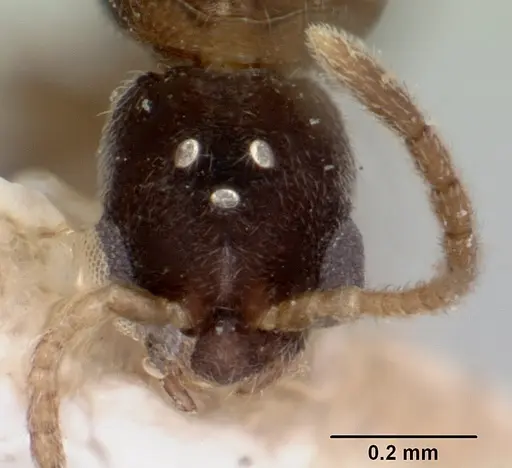
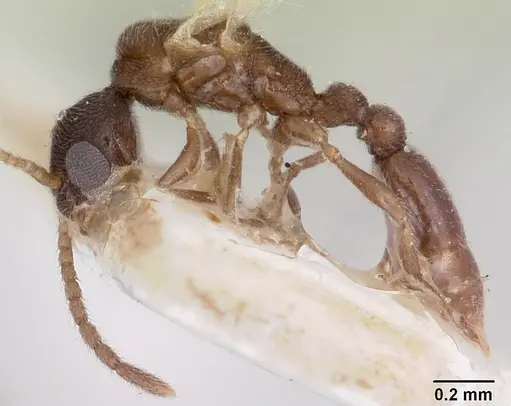
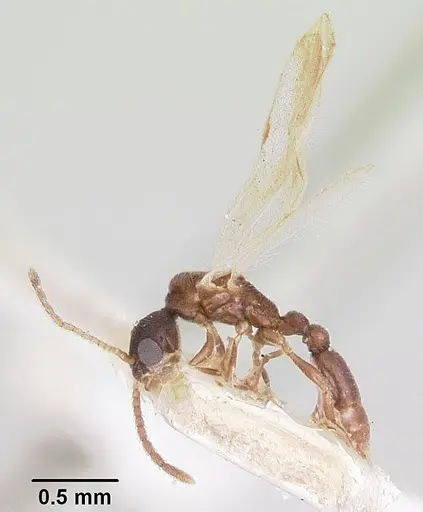
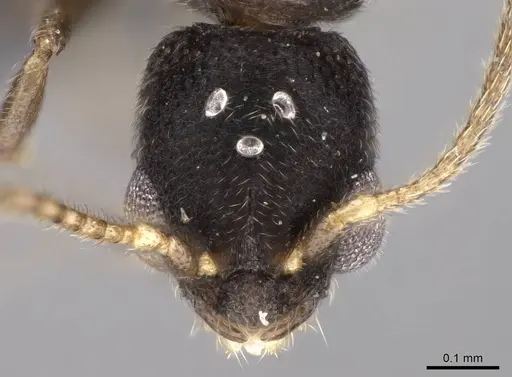
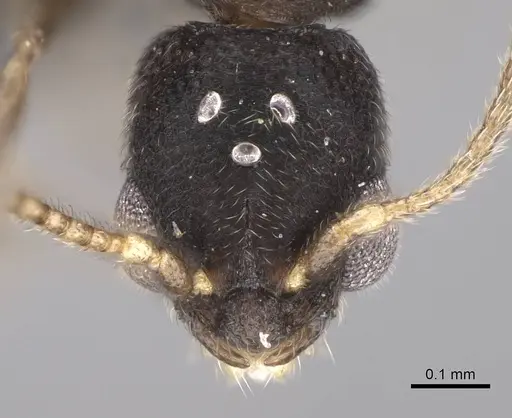
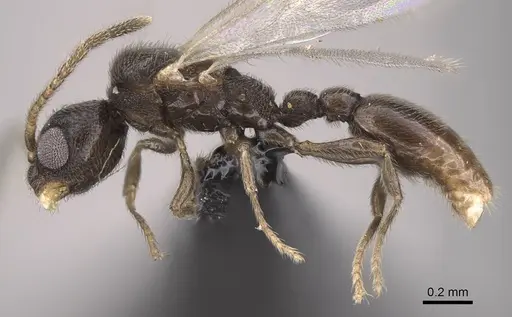
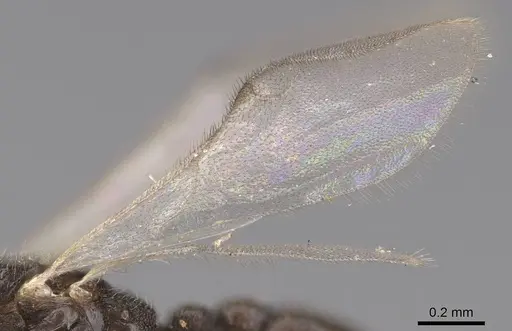
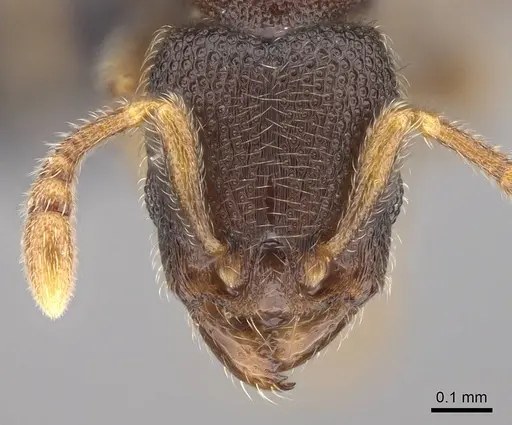
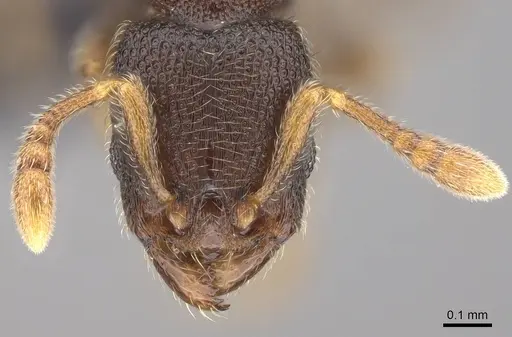
Vollenhovia piroskae is a tiny ant species native to the Seychelles islands, specifically documented from Silhouette Island . Workers measure just 2.2-2.4 mm in total length, making them one of the smaller ant species kept in captivity . They belong to the subfamily Myrmicinae and can be identified by their clypeus having a single median tooth and mandibles with 6-7 teeth . Not much is known about this species. Almost no natural history, colony structure, or behavior has been documented. What we know comes mostly from museum specimens. Based on their Seychelles origin, they likely prefer warm, humid tropical conditions.
Quick Summary
- Difficulty: Unknown
- Origin & Habitat: Seychelles islands (Silhouette Island), with an unconfirmed report from New Guinea [1]. Found in tropical island habitats.
- Colony Type: Unknown, colony structure has not been documented in scientific literature
- Size & Growth:
- Queen: Undocumented, no queen measurements available
- Worker: 2.2-2.4 mm total length [2]
- Colony: Unknown, no colony size data available
- Growth: Unknown
- Development: Unconfirmed, no development data exists for this species (Development timeline must be estimated from related Myrmicinae species. Expect 4-8 weeks at optimal temperature based on typical genus patterns.)
- Antkeeping:
- Temperature: Estimated 22-26 °C based on Seychelles tropical origin [1]. Start in this range and observe colony activity.
- Humidity: Likely requires moderate to high humidity typical of tropical island environments. Keep substrate consistently moist but not waterlogged.
- Diapause: Unlikely, Seychelles have no cold season. No documented diapause requirement.
- Nesting: No natural nesting data exists. As a tiny Myrmicinae, they likely prefer humid nests with small chambers. Test tubes or small plaster/soil nests with tight chambers work well for their small size.
- Behavior: Behavior is undocumented. Their tiny size (2.2-2.4 mm) means escape prevention is critical, they can squeeze through standard mesh. Expect typical Myrmicinae behavior: moderate foraging activity, likely omnivorous based on genus patterns. They have a modified stinger used for smearing venom, but are not aggressive due to their size.
- Common Issues: tiny size creates extreme escape risk, use fine mesh barriers and tight-fitting lids, lack of documented care means starting from scratch with temperature and feeding trials, no data on acceptable foods, you will need to experiment with protein and sugar sources, wild-caught colonies may be difficult to establish due to unknown founding requirements
Appearance and Identification
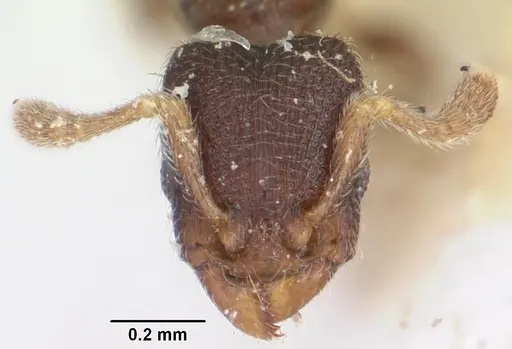
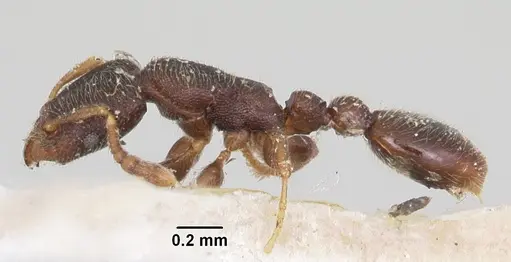
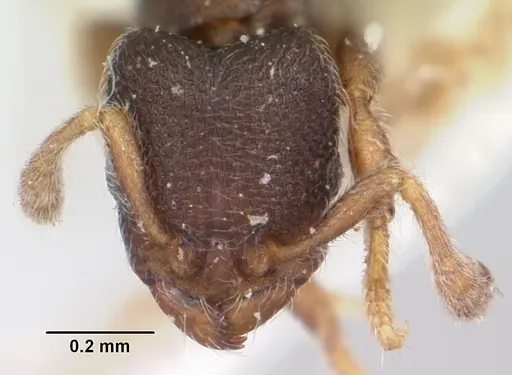
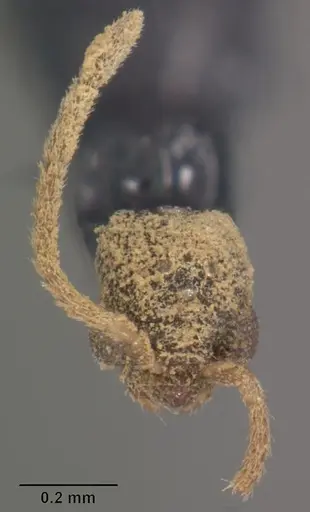
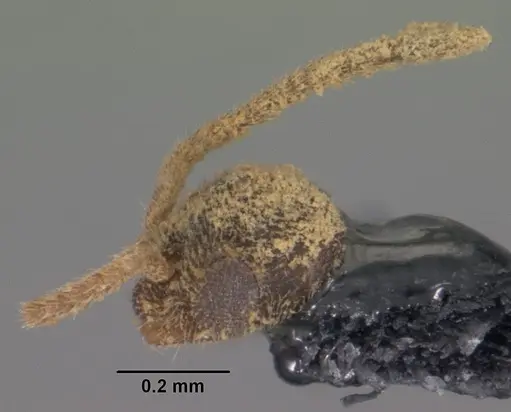
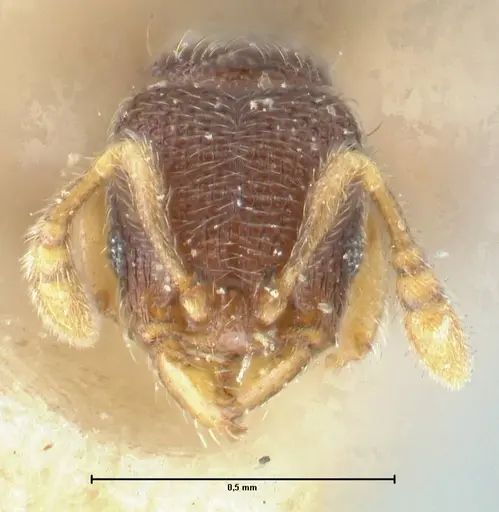
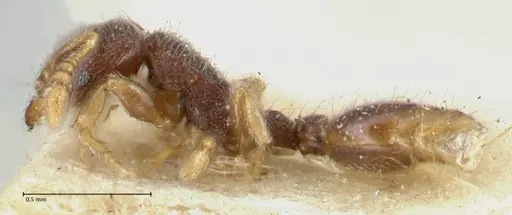
Vollenhovia piroskae workers are extremely small, measuring just 2.2-2.4 mm in total length [2]. This makes them one of the smaller ant species you might keep. They can be identified by their clypeus having a single median tooth and mandibles with 6-7 teeth [2]. The genus Vollenhovia belongs to the subfamily Myrmicinae and tribe Crematogastrini. Queens have not been described in the scientific literature, so their size and appearance are unknown for now.
Origin and Distribution
This species was originally described from Silhouette Island in the Seychelles archipelago, with the type specimen collected at Pointe Etienne on September 17,1908 [1]. There is an unconfirmed report from New Guinea (Donisthorpe,1948) that may need verification [1]. Two subspecies have been described: Vollenhovia piroskae ngoko and Vollenhovia piroskae taipingensis, though these are not commonly recognized today [1]. The Seychelles provide a tropical island environment with warm temperatures year-round and high humidity.
Housing and Escape Prevention
Because workers are only 2.2-2.4 mm, escape prevention is your biggest challenge. These ants can squeeze through standard ant mesh that works for larger species. You must use fine mesh (at least 0.5 mm or tighter) on all ventilation holes and ensure all lid connections are tight. Test tube setups work well for founding colonies, but watch for gaps where the cotton meets the tube walls. Small plaster or Y-tong (AAC) nests with chambers scaled to their tiny size are ideal once the colony grows. Avoid tall, open spaces that make it easier for them to climb out. [2]
Temperature and Humidity
Since this species comes from the Seychelles islands, aim for warm conditions in the 22-26 °C range [1]. This is a starting point based on their tropical origin, you will need to observe your colony to find what they prefer. Humidity should be moderate to high, similar to what you would provide for other tropical Myrmicinae. Keep the nest substrate moist but not sitting in water. The test tube water reservoir works well for maintaining humidity. Avoid placing the nest near air conditioning or heating vents that cause rapid drying.
Feeding and Diet
Feeding requirements are unconfirmed for this species. Based on typical Myrmicinae patterns, they likely accept both protein sources and sugar. Start with small prey items appropriate to their tiny size: fruit flies, pinhead crickets, or small mealworms cut into pieces. Sugar can be offered as diluted honey or sugar water. Because they are so small, even tiny prey items may be too large initially. Observe what your workers can handle and adjust accordingly. Remove any uneaten food after 24-48 hours to prevent mold.
Colony Development Expectations
No specific development data exists for this species. Based on typical Myrmicinae development patterns and their tiny size, expect relatively fast development compared to larger ants, possibly 4-6 weeks from egg to worker at optimal temperature. However, this is a rough estimate. Your colony may grow faster or slower depending on conditions. Start with realistic expectations: founding colonies often take months to establish, and growth is slow until you find the right care conditions. Document your observations to help build knowledge for this poorly documented species.
Frequently Asked Questions
How long does it take for Vollenhovia piroskae to raise first workers?
The egg-to-worker timeline is unconfirmed for this species. Based on typical Myrmicinae patterns and their tiny size, expect roughly 4-6 weeks at optimal temperature (22-26 °C). However, this is an estimate since no specific development data exists for Vollenhovia piroskae.
What do Vollenhovia piroskae ants eat?
Diet is unconfirmed for this species. Based on genus patterns, they likely accept small protein sources and sugar. Start with tiny prey items like fruit flies, small mealworm pieces, or micro-arthropods. Offer sugar water or diluted honey as a sugar source. Remove uneaten food after 24-48 hours.
Are Vollenhovia piroskae good for beginners?
This species cannot be recommended for beginners due to the complete lack of documented care information. You will be essentially pioneering the husbandry for this species. If you are experienced with tiny Myrmicinae and enjoy experimental care, it could be rewarding, but expect a steep learning curve.
Do Vollenhovia piroskae ants sting?
Stinging behavior is not documented for this species. As a member of the Crematogastrini tribe, they have a modified, flattened spatulate stinger used to wipe or smear venom onto enemies rather than piercing flesh. They are far more likely to flee than to defend aggressively given their tiny size.
How big do Vollenhovia piroskae colonies get?
Colony size is unknown, no scientific data exists on maximum colony sizes for this species. Given their tiny worker size (2.2-2.4 mm), colonies are likely smaller than many common ant species, possibly under 500 workers at maturity [2].
What temperature should I keep Vollenhovia piroskae at?
Based on their Seychelles origin, aim for 22-26 °C as a starting point. This is an estimate, observe your colony's activity to find their preference. Warmer temperatures within this range may speed up development, but avoid exceeding typical room temperatures.
Do Vollenhovia piroskae need hibernation?
Hibernation is unlikely required. The Seychelles have no cold season, so this species likely has no diapause requirement. Keep them at stable warm temperatures year-round.
Why are my Vollenhovia piroskae escaping?
Their tiny 2.2-2.4 mm size means they can squeeze through gaps that larger ants cannot. Use fine mesh (0.5 mm or tighter), check all lid connections carefully, and consider using fluon or petroleum jelly on nest edges. Escape prevention must be excellent for this species [2].
Can I keep multiple Vollenhovia piroskae queens together?
Colony structure is unconfirmed for this species. No data exists on whether they are single-queen or multi-queen colonies. Combining unrelated queens is not recommended given the lack of information about their social structure.
When should I move Vollenhovia piroskae to a formicarium?
Wait until the colony is well-established and the test tube is becoming crowded, avoid moving based on arbitrary worker numbers. For this tiny species, ensure any formicarium has appropriately sized chambers. Custom setups with small chambers, such as plaster or Y-tong (AAC) nests, work best.
Report an Issue
The current care sheet is based fully on literature. See inconsistencies, or something that's incorrect? Please , it will be resolved after review from an admin. Contributing to the blogs tab also helps providing information, to make us be able to further improve the caresheets. Thank you for your support!
References

Este guia de cuidados está sob a licença CC BY-SA 4.0 .
Posts da comunidade
CASENT0101261
Ver no AntWeb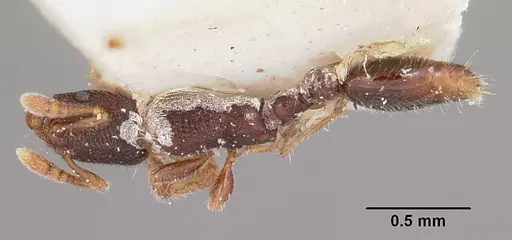
CASENT0101262
Ver no AntWeb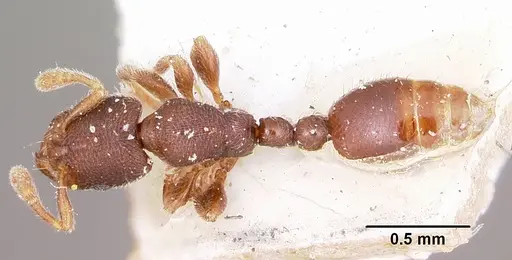
CASENT0101275
Ver no AntWeb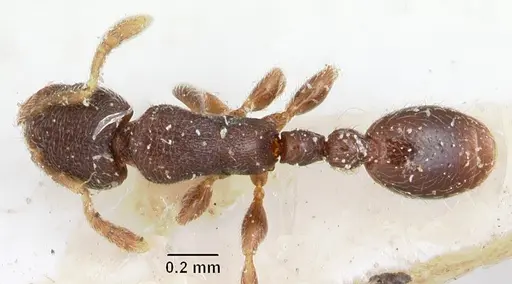
CASENT0101276
Ver no AntWeb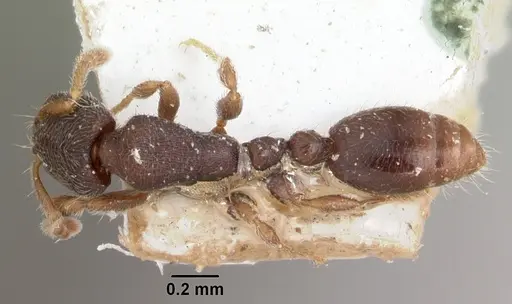
CASENT0101658
Ver no AntWeb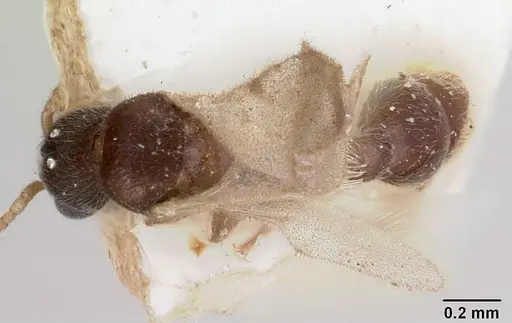
CASENT0102288
Ver no AntWeb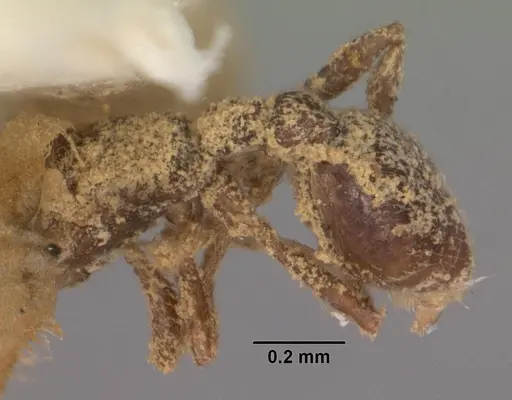
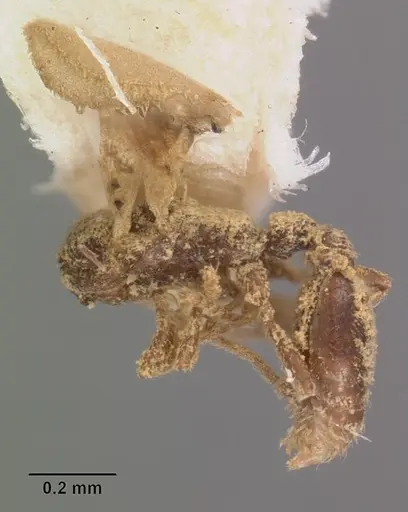
CASENT0102289
Ver no AntWeb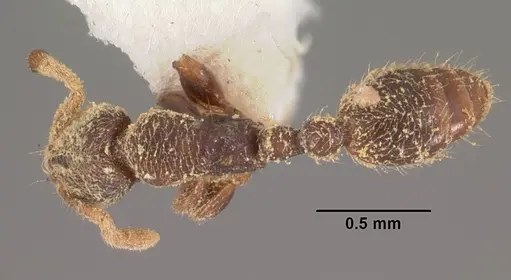
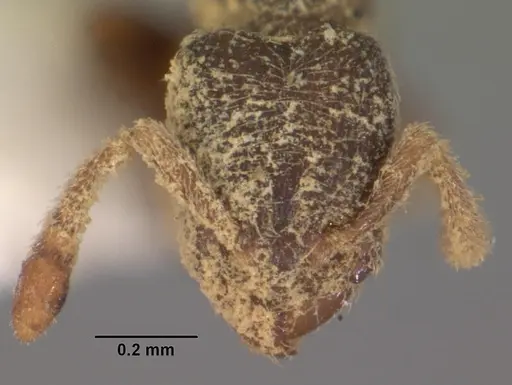
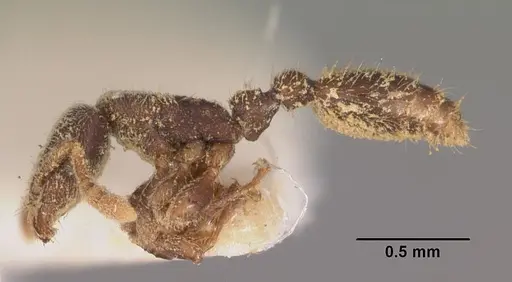
CASENT0159914
Ver no AntWeb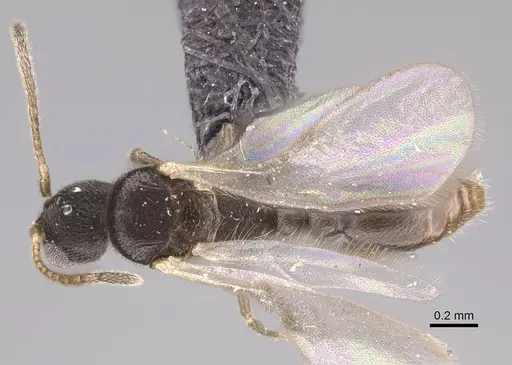
CASENT0159915
Ver no AntWeb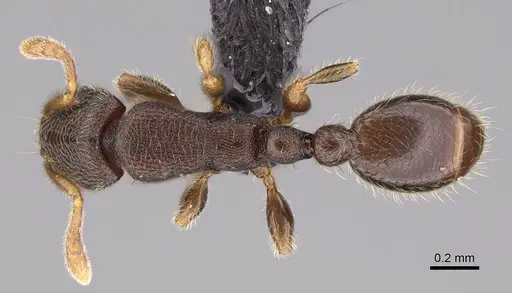
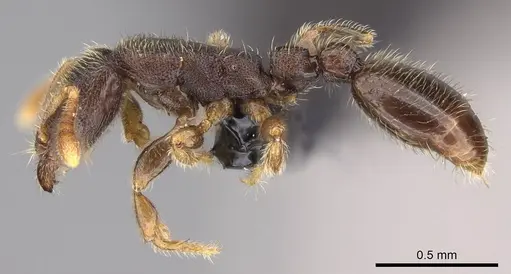
CASENT0159925
Ver no AntWeb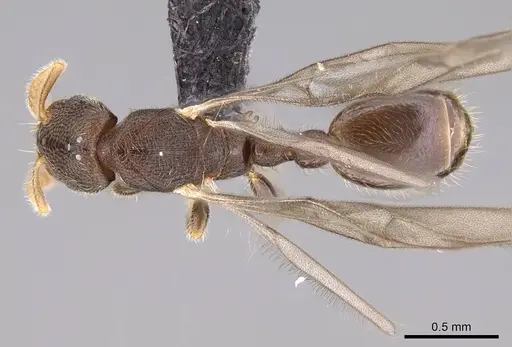
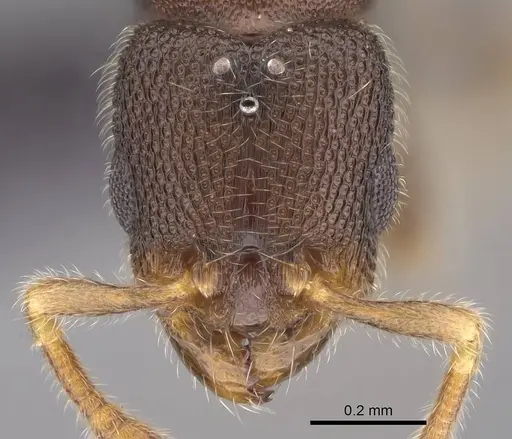
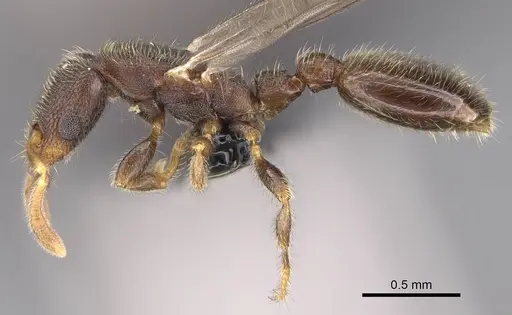
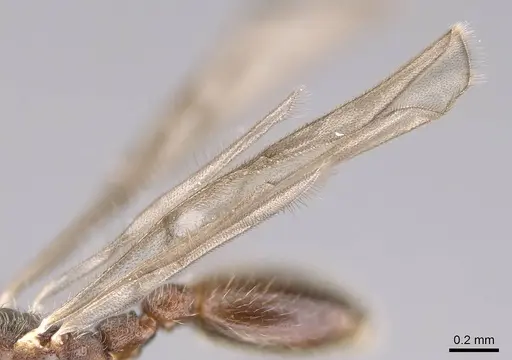
CASENT0908663
Ver no AntWeb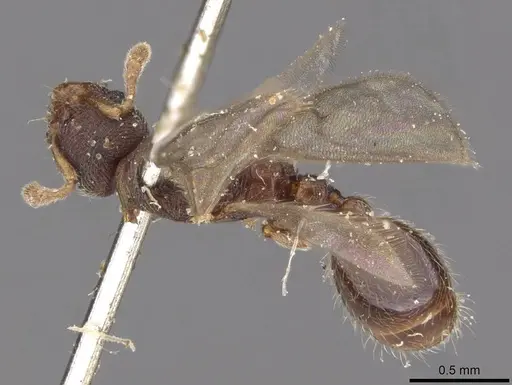
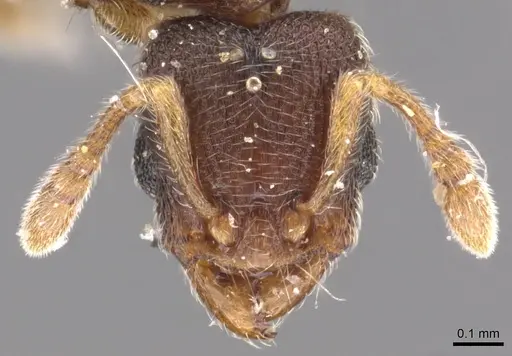
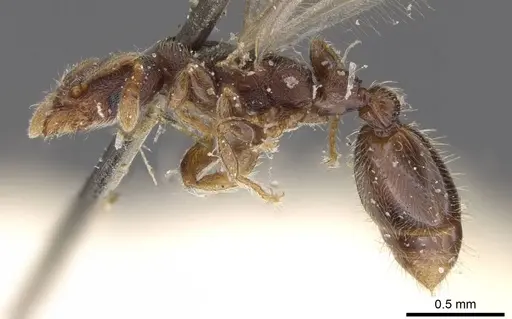
FOCOL1660
Ver no AntWeb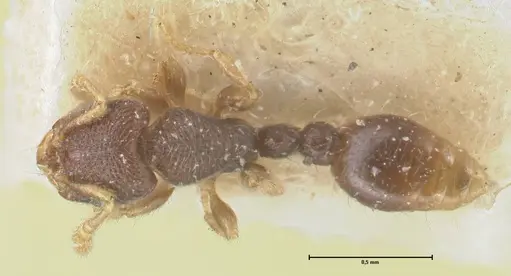
Literatura
Carregando mapa de distribuição...Carregando produtos...