
Trichomyrmex emeryi
- Nome científico
- Trichomyrmex emeryi
- Tribo
- Crematogastrini
- Subfamília
- Myrmicinae
- Autor
- Mayr, 1895
- Distribuição
- Encontrada em 3 países
Introdução
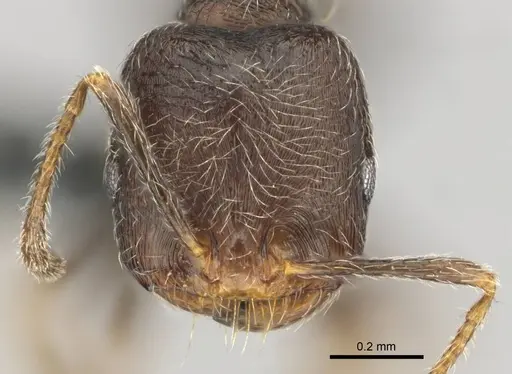
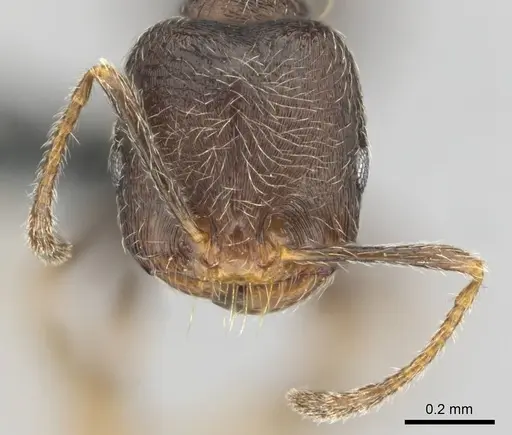
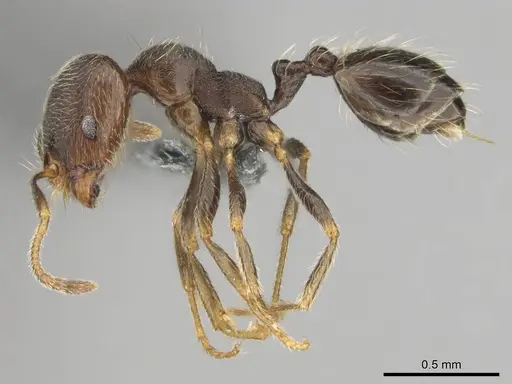
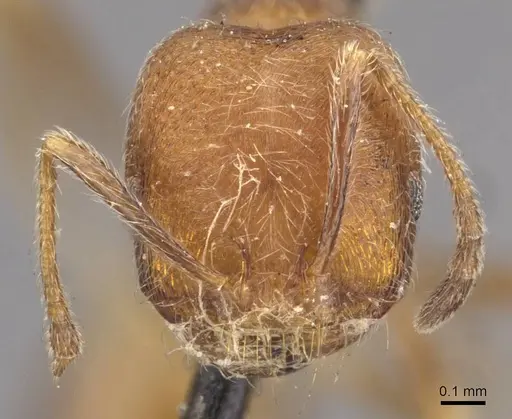
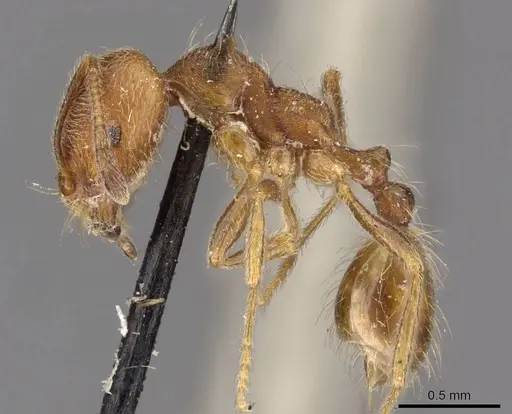
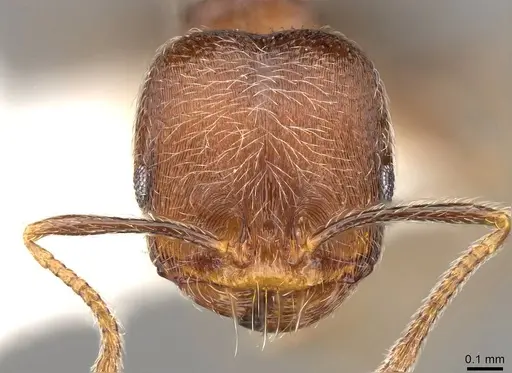
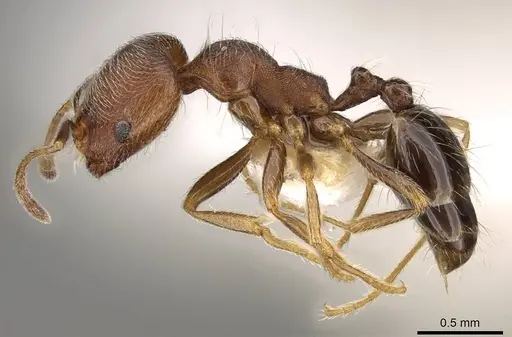
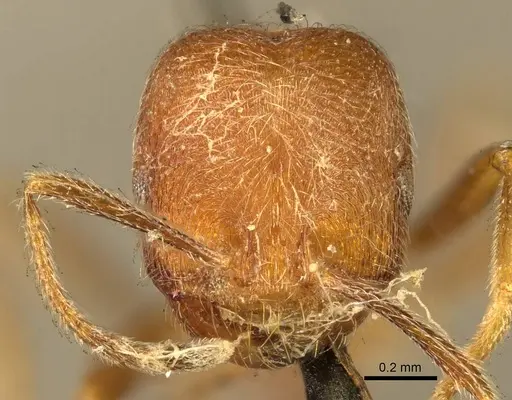
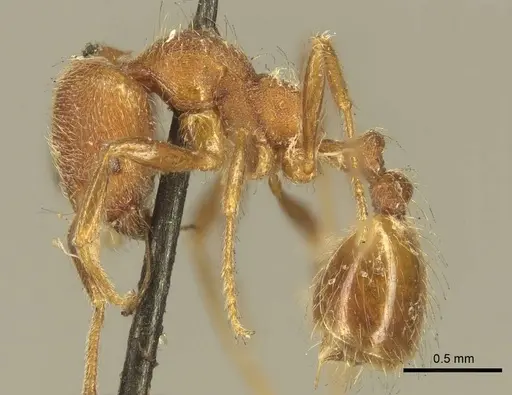
Trichomyrmex emeryi is a small ant with workers measuring 2.5-3.4mm . They have a distinct appearance: a broad head, short antenna scapes, and dense longitudinal ridges covering the head. The body is covered in long, decumbent pubescence, giving a somewhat fuzzy look. Color ranges from light to dark brown, usually uniform . This species belongs to the destructor group and was formerly classified as Monomorium emeryi before being moved to the genus Trichomyrmex in 2015 . These ants are classified as dominant ants in their native African habitat, particularly in Mopane woodlands, where they show strong resource monopolization behavior . They are active foragers with a broad distribution across southern Africa including Botswana, Malawi, Mozambique, Zimbabwe, and South Africa .
Quick Summary
- Difficulty: Easy
- Origin & Habitat: Native to the Afrotropical region: Botswana, Malawi, Mozambique, Zimbabwe, and South Africa. Inhabits Mopane woodlands, where it is a dominant ant species [3][1].
- Colony Type: Unconfirmed, no scientific data on queen number or social structure. Based on limited research, colony structure is unknown.
- Size & Growth:
- Queen: Unconfirmed, no specific measurements documented for queens.
- Worker: 2.5-3.4mm [1]
- Colony: Unknown, no colony size data available
- Growth: Moderate, estimated based on related small Myrmicinae
- Development: 6-10 weeks, estimated based on related Monomorium and Trichomyrmex species (Development time is estimated, this species has not been specifically studied. Similar small Myrmicinae typically develop in 6-10 weeks at warm temperatures.)
- Antkeeping:
- Temperature: Keep at 22-26°C. As an Afrotropical species, they prefer warm conditions. A heating cable on one side of the nest can create a suitable gradient. Room temperature within this range is acceptable.
- Humidity: Keep the nest substrate moderately moist but not waterlogged. These ants come from relatively dry Mopane woodlands, so avoid overly damp conditions.
- Diapause: Likely minimal or no true diapause, as an Afrotropical species from southern Africa, they probably do not require hibernation. A slight cooling period during winter months may be natural but is not required.
- Nesting: They adapt well to test tubes, Y-tong (AAC) nests, and plaster nests. Their small size means they do well with appropriately scaled chambers.
- Behavior: Workers are active foragers and dominant ants in their native habitat, showing resource monopolization [3]. They are generalist feeders accepting both sugar and protein. Workers are small (2.5-3.4mm), so escape prevention is important, they can fit through small gaps. As members of the tribe Crematogastrini, they have a modified stinger that smears venom rather than piercing, though their small size limits the amount of venom. They are not particularly aggressive but will defend their colony.
- Common Issues: lack of colony structure data makes queen management unclear., estimated development timeline may lead to unexpected delays., small size (2.5-3.4mm) requires careful escape prevention., as a rarely kept species, diet preferences are not well documented., wild-caught colonies may carry parasites or diseases.
Housing and Nest Setup
Trichomyrmex emeryi adapts well to various captive setups. Test tubes work excellently for founding colonies, use a standard test tube setup with a water reservoir section and a cotton barrier. The colony can remain in test tubes until it reaches 50-100 workers before considering a formicarium. For larger colonies, Y-tong (AAC) nests or plaster nests work well. The chambers should be appropriately scaled to their 2.5-3.4mm worker size [1], avoid overly large, open spaces. They do not require extreme humidity, so plaster nests with moderate moisture work fine. A small outworld for foraging allows you to observe their activity and offer food.
Feeding and Diet
Like other Trichomyrmex species in the destructor group, these ants are generalist feeders. Offer sugar sources such as diluted honey, sugar water, or ant jelly regularly, they should accept these readily. For protein, offer small insects like fruit flies, small mealworms, or cricket pieces. Feed protein two to three times per week depending on colony size. Remove uneaten food after 24-48 hours to prevent mold. They are active foragers in the wild [3] and likely accept a wide variety of foods in captivity. Start with sugar water and small protein items, then adjust based on what they consume.
Temperature and Seasonal Care
As an Afrotropical species from southern Africa, Trichomyrmex emeryi prefers warm conditions. Maintain temperatures between 22-26°C for optimal colony health and development [3]. They can tolerate brief periods slightly outside this range, but prolonged cold should be avoided. A heating cable placed on part of the nest can create a temperature gradient, allowing ants to regulate their own exposure. During winter, room temperature is likely sufficient, no true hibernation is required for this species. If your room temperature drops below 18°C in winter, a small heat source can help maintain activity levels. Avoid temperature fluctuations and drafts.
Behavior and Colony Dynamics
In their native habitat, Trichomyrmex emeryi is classified as a dominant ant species, showing resource monopolization behavior where they defend food sources from other ants [3]. This suggests they are relatively aggressive and territorial for their size. Their defense mechanism is characteristic of the tribe Crematogastrini: a modified, flattened stinger that smears venom onto enemies rather than piercing. Workers are active foragers, searching for food both individually and potentially in groups. The colony will likely establish a foraging territory and defend it. Founding behavior is unconfirmed, but typical myrmicine patterns suggest queens might seal themselves in to raise the first brood alone. Growth rate is estimated as moderate, expect several months from founding to first workers, then steady growth. Colony size is unknown but likely reaches several hundred workers over time.
Handling and Safety
Trichomyrmex emeryi workers are small (2.5-3.4mm) and possess a modified stinger that smears venom rather than injects it [1]. This is part of the Crematogastrini tribe's typical defense. The venom can cause mild irritation if it contacts sensitive skin, but their small size makes any reaction minimal, comparable to a minor mosquito bite. They are not considered dangerous to humans. When handling or moving colonies, use gentle techniques, these ants are fragile compared to larger species. Escape prevention should be standard but not extreme: ensure no gaps larger than about 1mm. Standard fluon barriers on test tube setups and formicarium connections work well. They are not aggressive toward humans but will defend their nest if threatened.
Frequently Asked Questions
How long does it take for Trichomyrmex emeryi to get their first workers?
The egg-to-worker timeline is estimated at 6-10 weeks based on related species in the Monomorium/Trichomyrmex genus group. This estimate applies at optimal temperatures of 22-26°C. Actual development time may vary. Expect to wait 2-3 months from founding before seeing your first nanitic workers.
What do Trichomyrmex emeryi ants eat?
They are generalist feeders that accept both sugar and protein sources. Offer sugar water, honey, or ant jelly for carbohydrates. For protein, provide small insects like fruit flies, pinhead crickets, or small mealworms. Feed protein 2-3 times per week and remove uneaten food promptly.
Do Trichomyrmex emeryi ants sting?
They have a modified stinger that smears venom rather than pierces. This is typical of Crematogastrini ants. Due to their small size, the reaction on humans is typically very mild, a minor irritation if venom contacts sensitive skin. They are not considered a stinging hazard.
What temperature do Trichomyrmex emeryi need?
Keep them warm at 22-26°C [3]. This Afrotropical species prefers these temperatures for optimal health and brood development. A heating cable on part of the nest can provide a gradient. Room temperature within this range is acceptable.
Are Trichomyrmex emeryi good for beginners?
Yes, they are considered an easy species to keep. They are small but hardy, adapt well to various nest types, and are generalist feeders. Their care requirements are straightforward, warm temperatures, moderate humidity, and standard feeding. The main challenge is finding them for sale, as they are rarely available in the hobby.
How big do Trichomyrmex emeryi colonies get?
Exact maximum colony size is unknown. Based on related species in the destructor group, colonies likely reach several hundred workers. They are classified as dominant ants in their native habitat, which suggests they can maintain large, active colonies [3].
Can I keep multiple Trichomyrmex emeryi queens together?
This is unconfirmed, no scientific data exists on whether they are single-queen or multi-queen colonies. Based on related species, single-queen colonies are likely, but not confirmed. It is not recommended to combine unrelated foundress queens, as this has not been documented for this species.
Do Trichomyrmex emeryi need hibernation?
Likely no true hibernation is required. As an Afrotropical species from southern Africa, they are adapted to year-round warm conditions. A slight reduction in temperature during winter months may be natural but is not required. Simply maintaining room temperature is typically sufficient.
What size nest do I need for Trichomyrmex emeryi?
Start with a standard test tube setup for founding colonies. They can remain in test tubes until reaching 50-100 workers. For larger colonies, use a Y-tong (AAC) nest, plaster nest, or naturalistic setup with chambers appropriately sized for their 2.5-3.4mm workers. Avoid overly large, open spaces.
Where is Trichomyrmex emeryi found in the wild?
They are native to the Afrotropical region, specifically Botswana, Malawi, Mozambique, Zimbabwe, and South Africa. They inhabit Mopane woodland habitats where they are classified as dominant ants [3][1].
Why is my Trichomyrmex emeryi colony not growing?
Ensure temperatures are within 22-26°C range, too cold slows development significantly. Verify the queen is actually laying eggs and that the colony has adequate protein food. Check humidity, the substrate should be moderately moist but not waterlogged. Also ensure the colony is not stressed by excessive disturbance or light. If the queen has died, colonies often decline.
Is Trichomyrmex emeryi invasive anywhere?
There is no documentation of Trichomyrmex emeryi being invasive. They are native to southern Africa and have not been recorded as established populations outside their natural range. As with all non-native ants, never release them into the wild outside their native habitat.
Report an Issue
The current care sheet is based fully on literature. See inconsistencies, or something that's incorrect? Please , it will be resolved after review from an admin. Contributing to the blogs tab also helps providing information, to make us be able to further improve the caresheets. Thank you for your support!
References

Este guia de cuidados está sob a licença CC BY-SA 4.0 .
Posts da comunidade
CASENT0252703
Ver no AntWeb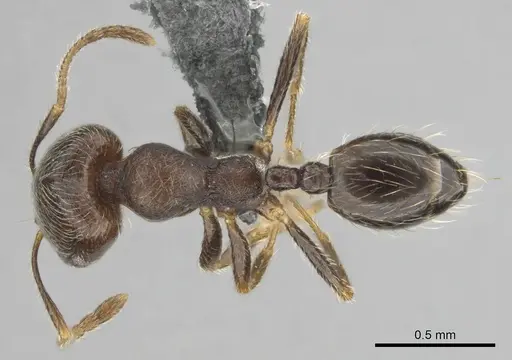
CASENT0845704
Ver no AntWeb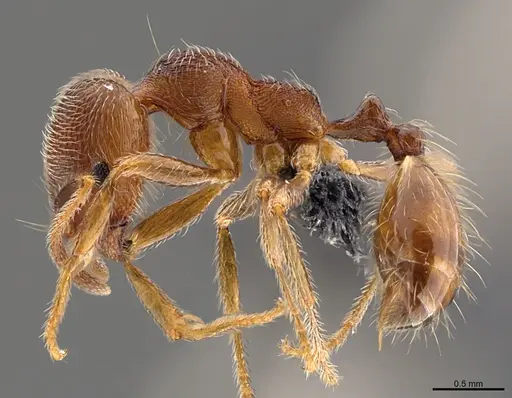
CASENT0908727
Ver no AntWeb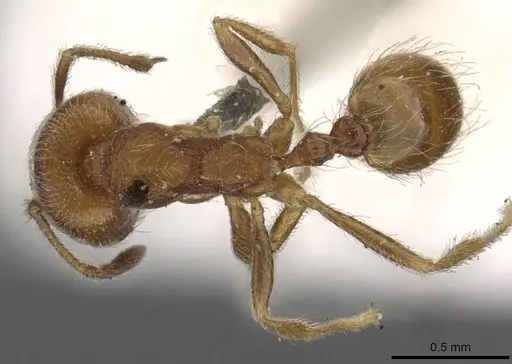
CASENT0914155
Ver no AntWeb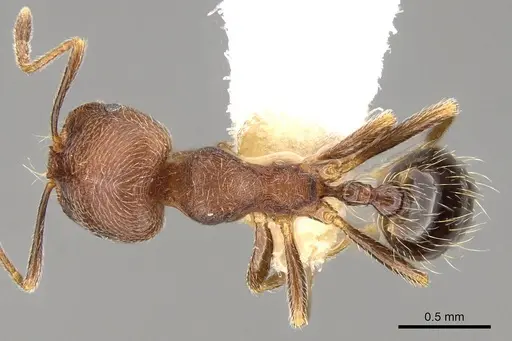
CASENT0916011
Ver no AntWeb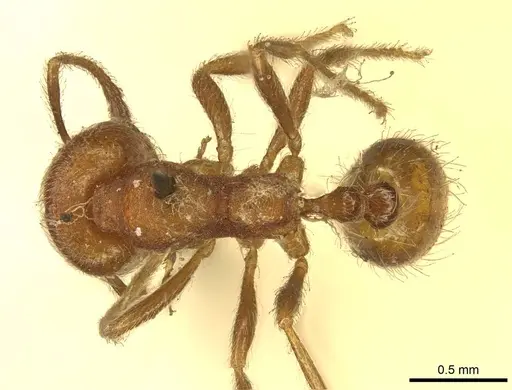
Literatura
Carregando mapa de distribuição...Carregando produtos...