
Tetraponera cortina
- Nome científico
- Tetraponera cortina
- Tribo
- Pseudomyrmecini
- Subfamília
- Pseudomyrmecinae
- Autor
- Ward, 2022
- Distribuição
- Encontrada em 1 países
Introdução
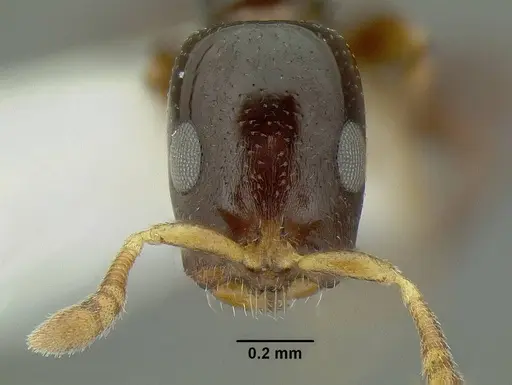
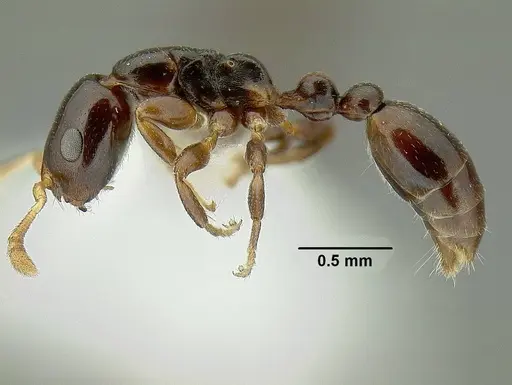
Tetraponera cortina is a slender, elongated ant species from the Pseudomyrmecinae subfamily, first described in 2022 from Central Africa . Workers have the characteristic long legs and large eyes typical of the genus. The species belongs to the allaborans group and is known from the Democratic Republic of Congo, Central African Republic, and Gabon . These ants are arboreal, nesting in hollow twigs and dead stems in humid tropical forest environments of the Congo basin.
Quick Summary
- Difficulty: Medium
- Origin & Habitat: Central African Republic, Democratic Republic of Congo, Gabon, humid tropical forests [1][2]
- Colony Type: Unconfirmed for this species, likely monogyne based on typical Tetraponera patterns, but no direct data exists.
- Size & Growth:
- Queen: Size data unavailable, no measurements have been published for this species.
- Worker: Size data unavailable, no measurements have been published for this species.
- Colony: Unknown for this species, inferred from related Tetraponera, which may reach several hundred workers.
- Growth: Slow to Moderate (estimated, no data for species)
- Development: No specific data, estimated 6-10 weeks at optimal tropical temperatures based on related Pseudomyrmecinae species. (Direct observations for Tetraponera cortina have not been reported.)
- Antkeeping:
- Temperature: No specific data, as a tropical forest species, maintain warm conditions around 24-28°C. A heating cable on one side creates a gradient. Avoid temperatures below 22°C or above 30°C.
- Humidity: No specific data, based on habitat, keep high humidity. Provide a moist, but not waterlogged, substrate and use a water source in the nest. Mist the outworld occasionally.
- Diapause: Unknown: no data on this species. Tropical origin suggests diapause may not be required, but definitive advice cannot be given.
- Nesting: Arboreal: provide hollow twigs, cork nests, Y-tong blocks, or test tubes with vertical climbing surfaces. They prefer enclosed spaces similar to natural twig nests.
- Behavior: Arboreal ants with good vision and active foraging inferred from genus. Defensive mechanism is a sting (Pseudomyrmecinae subfamily). Not aggressive toward humans but will defend nest if threatened. Escape risk is high due to climbing ability, use tight-sealing lids and barriers. Foraging behavior and communication are unstudied for this species.
- Common Issues: specific temperature and humidity requirements not established, may need careful monitoring and adjustment., colony size and growth rate unknown, making long-term planning difficult., escape prevention is critical given their arboreal nature and small size (if workers are small)., limited availability as a recently described species., no published founding or colony development data, all advice is inferred from related species.
Housing and Nest Setup
Because no specific nesting data exists for Tetraponera cortina, we rely on the arboreal habits typical of Tetraponera species. Provide a nest that mimics hollow twigs or dead stems. Y-tong blocks, cork nests, bamboo sections, or test tubes all work well. Include plenty of vertical climbing surfaces (cork bark, twigs, mesh) in the outworld. Ensure all connections are secure, as these ants are agile climbers. A water tube attached to the nest helps with humidity. Avoid acrylic nests, they don't hold humidity well for this type of ant.
Feeding and Diet
No dietary studies have been done on this species. Based on the genus, they are likely predators of small arthropods. Offer live prey such as fruit flies, small crickets, springtails, and other tiny insects. They may also accept sugar water or honey as an energy source, similar to many arboreal ants. Feed protein 2-3 times per week, and remove uneaten prey after 24 hours. Keep a constant sugar source available via a soaked cotton ball. These are inferred suggestions, actual diet may vary.
Temperature and Humidity
Since Tetraponera cortina comes from the humid tropical Congo basin, aim for warm, humid conditions. A temperature range of 24-28°C is a good starting point, achieved with a heat mat on one side of the nest. Humidity should be high, the nest substrate should be kept consistently moist but not waterlogged. Use a water reservoir or test tube with cotton to maintain moisture. Good ventilation prevents mold. Because no precise data is available, closely observe your ants and adjust based on their behavior.
Colony Development
Colony development has not been documented for this species. Based on related arboreal Tetraponera, a single queen likely starts a colony without needing to forage (claustral founding is common in the genus, but unconfirmed). After the first workers appear, growth is typically slow to moderate. No reliable timeline can be given. Avoid disturbing founding queens, stress can cause failure. Mature colony size is unknown, but related species can reach hundreds of workers. All of this is inferred, direct data is lacking.
Behavior and Temperament
No specific behavior studies exist for Tetraponera cortina. As a member of Pseudomyrmecinae, they have a functional sting and are likely quick-moving, visually-oriented predators. They are not aggressive toward humans but may sting if the nest is disturbed. Their arboreal nature suggests they are excellent climbers, so escape-proofing is essential. Communication methods are unknown, but pheromone trails are likely used. Handle with care and avoid unnecessary disturbance.
Frequently Asked Questions
How long does it take for Tetraponera cortina to produce first workers?
No specific data for this species. Based on related arboreal pseudomyrmecines, it may take 6-10 weeks at warm temperatures, but this is an estimate. Actual development time is unknown.
What do Tetraponera cortina ants eat?
Their diet is undocumented. Inferred from the genus, they are predatory, feeding on small insects. Offer fruit flies, small crickets, springtails, and sugar water. Remove uneaten prey after 24 hours.
Can I keep Tetraponera cortina in a test tube?
Test tubes work for founding colonies, but because nesting preferences are unknown, also consider providing a small twig or cork piece inside the tube. As the colony grows, connect to a Y-tong or cork nest.
Do Tetraponera cortina ants need hibernation?
Unknown. As a tropical species, they likely do not require hibernation, but no studies exist. It is safest to keep them warm year-round. If you observe reduced activity in winter, a slight temperature drop may be tolerated, but do not force a diapause.
How big do Tetraponera cortina colonies get?
Colony size has not been reported. Based on related Tetraponera species, colonies can reach several hundred workers, but this is speculative.
Are Tetraponera cortina ants good for beginners?
Rated Medium difficulty because of unknown requirements and tropical needs. Beginners should first gain experience with more documented species. Their sting is also a consideration.
Do Tetraponera cortina ants sting?
Yes, as a Pseudomyrmecinae ant, they have a functional sting. They are not aggressive but will sting if threatened. The sting is mild and not dangerous to humans.
What temperature is best for Tetraponera cortina?
No precise data exists. Aim for 24-28°C, typical for tropical ants. Use a heat mat on one side to create a gradient. Avoid extremes below 22°C or above 30°C.
Why are my Tetraponera cortina dying?
Common suspected causes include improper temperature, low humidity, insufficient protein, or stress from disturbances. Since their exact requirements are unknown, check all conditions carefully. Ensure the nest is not too dry and that food is available. If problems persist, consult experienced keepers.
When should I move my colony to a formicarium?
No specific guidance. As a rule of thumb, move when the current nest becomes crowded (e.g., when workers are densely packed). This may happen at around 20-30 workers, but colony size is unknown. Provide a new nest attached to the old one and let the colony move on its own.
Report an Issue
The current care sheet is based fully on literature. See inconsistencies, or something that's incorrect? Please , it will be resolved after review from an admin. Contributing to the blogs tab also helps providing information, to make us be able to further improve the caresheets. Thank you for your support!
References

Este guia de cuidados está sob a licença CC BY-SA 4.0 .
Posts da comunidade
CASENT0794352
Ver no AntWeb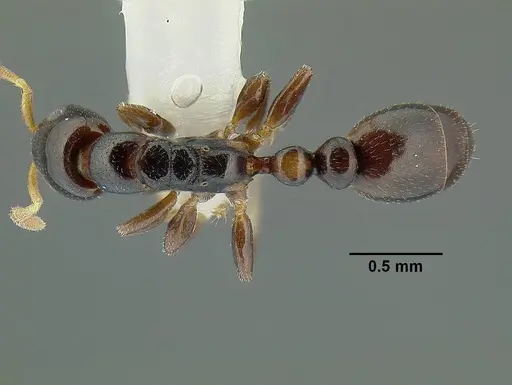
Literatura
Carregando mapa de distribuição...Carregando produtos...