
Tetramorium xanthogaster
- Nome científico
- Tetramorium xanthogaster
- Tribo
- Crematogastrini
- Subfamília
- Myrmicinae
- Autor
- Santschi, 1911
- Distribuição
- Encontrada em 1 países
Introdução
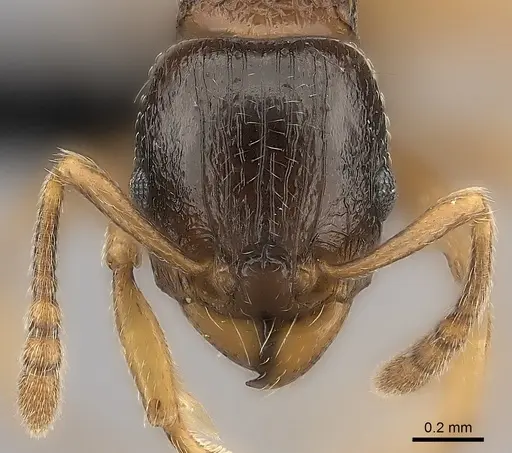
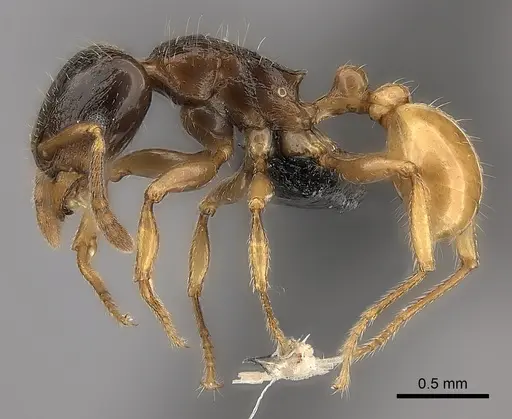
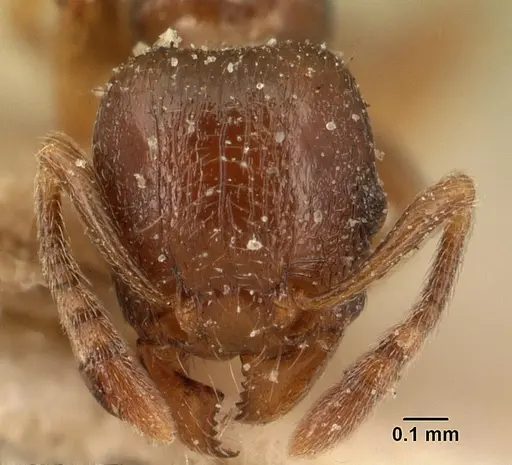
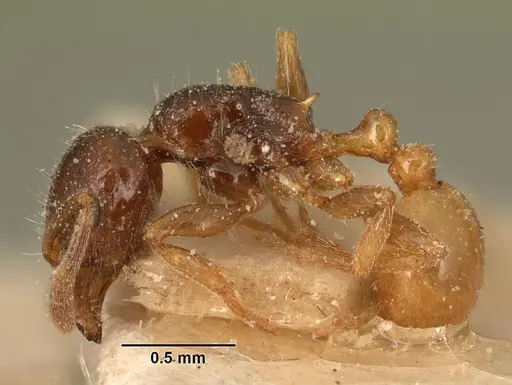
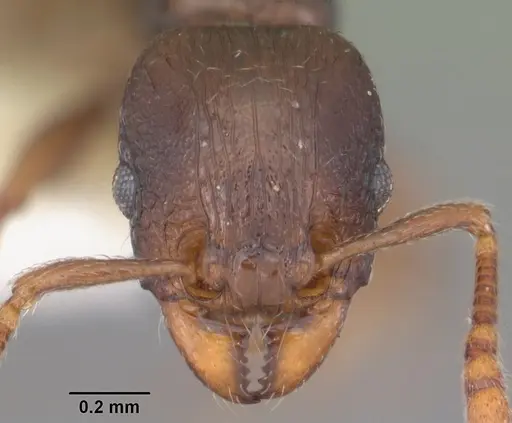
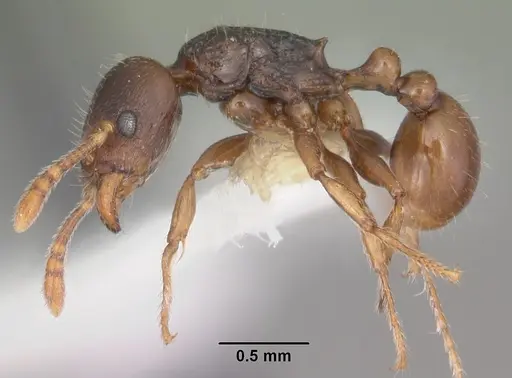
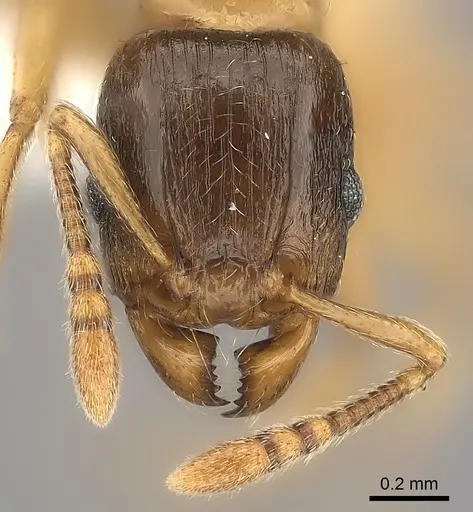
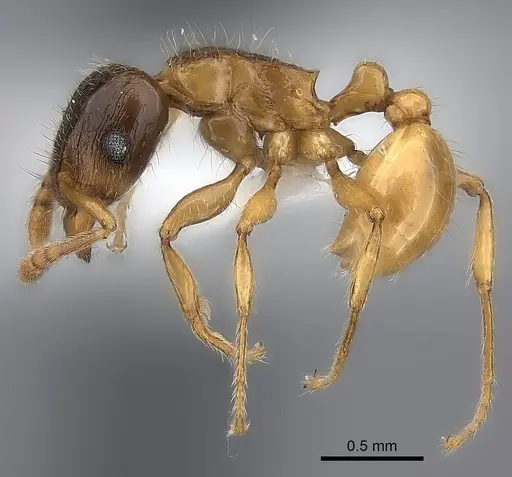
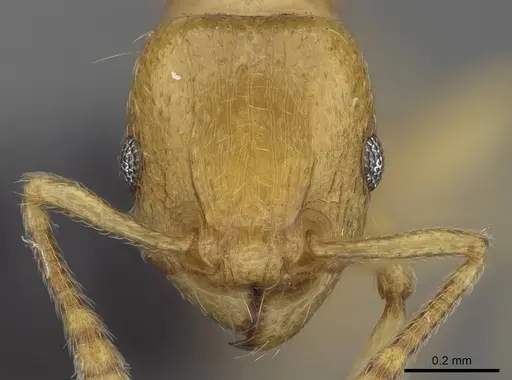
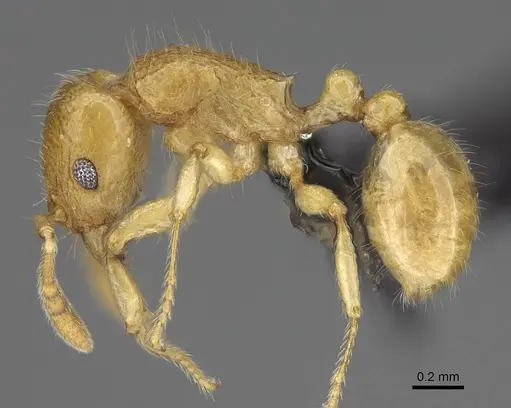
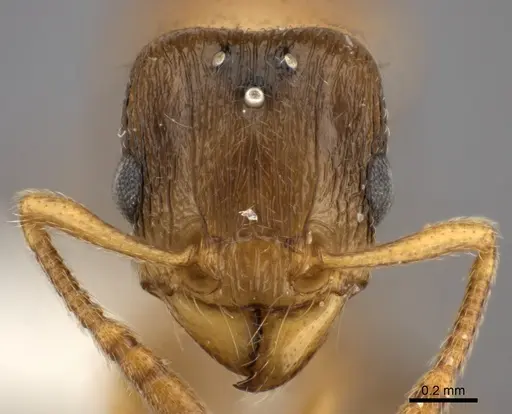
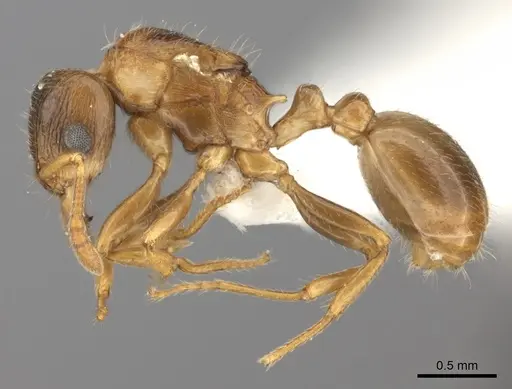
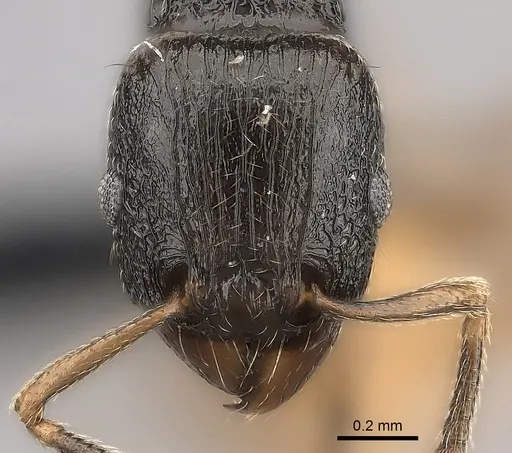
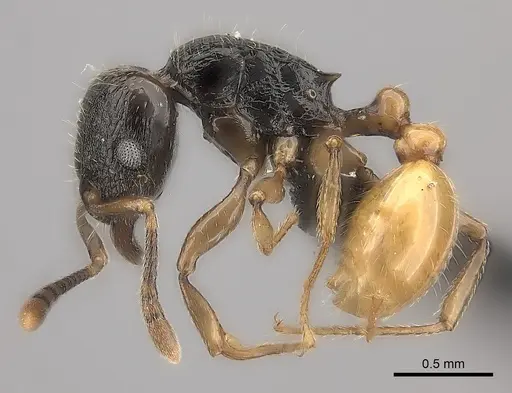
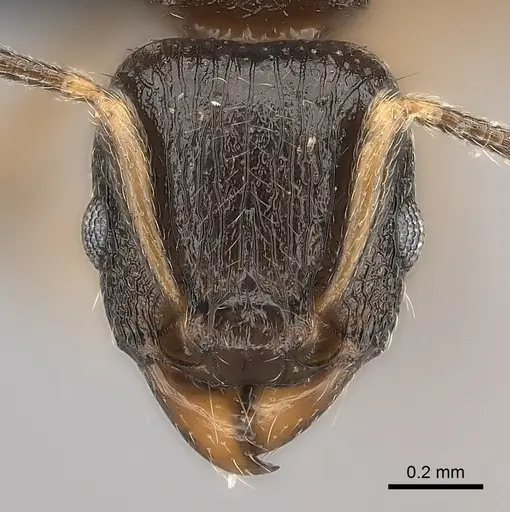
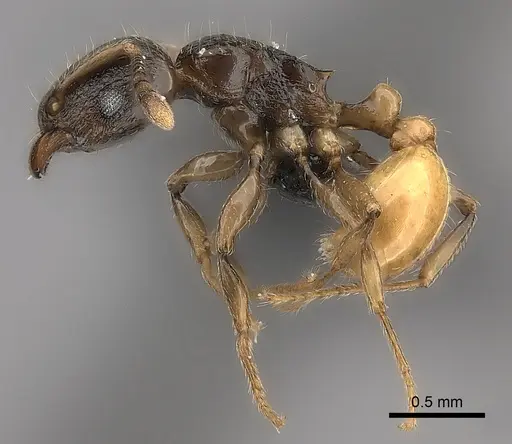
Tetramorium xanthogaster is a small ant species native to Madagascar, where it inhabits montane rainforests at elevations around or above 1000 meters . Workers display a bicoloured appearance: the head and mesosoma are typically dark brown to black, strongly contrasting with yellow to light brown waist segments and gaster. Some populations are uniformly coloured from yellow to dark brown . The species belongs to the Tetramorium schaufussii group and is recognized by its relatively large eyes, short antennal scapes, and long standing hairs on the waist segments . A distinctive feature of T. xanthogaster is its patchy distribution across Madagascar and its tendency to nest and forage in vegetation - most specimens have been collected by beating low vegetation or from Malaise traps rather than ground surveys . This arboreal habit suggests specific housing requirements for captive colonies.
Quick Summary
- Difficulty: Medium
- Origin & Habitat: Native to Madagascar, found only in rainforests and montane rainforests at elevations around or above 1000 meters [1]. The species has a patchy distribution, with populations in the southwest (Analavelona), Central Highlands (Ambohitantely, Ankokoy, Marotandrano), and northern regions (Andranobe, Marojejy, Binara, Montagne d'Ambre, Manongarivo) .
- Colony Type: Colony structure is unconfirmed. Based on typical Tetramorium patterns, this species likely forms monogyne colonies with a single founding queen. No data on polygyny or ergatoid replacement reproductives is available.
- Size & Growth:
- Queen: Unconfirmed, no published queen measurements. Based on related Tetramorium species, queens are likely 6-8 mm.
- Worker: Size data unavailable, only head length measurements exist (0.54-0.75 mm), not total body length. Workers are small for the genus.
- Colony: Up to several hundred workers (estimated based on typical Tetramorium patterns).
- Growth: Moderate, development timeline is unconfirmed, but Tetramorium species typically grow at a moderate pace.
- Development: 6-10 weeks (estimated from genus patterns) (No specific development data exists for T. xanthogaster. Estimates are based on related species in the schaufussii group.)
- Antkeeping:
- Temperature: As a montane rainforest species, T. xanthogaster prefers moderate temperatures around 20-24°C. Avoid extremes above 28°C or below 16°C. Use a heating cable on one side of the nest to create a gentle gradient if needed.
- Humidity: Higher humidity than typical Tetramorium, keep the nest substrate consistently moist but not waterlogged. The substrate should feel damp to the touch, with some slightly drier areas available. Mist occasionally, but rely on substrate moisture.
- Diapause: Unconfirmed, Madagascar species may not require true hibernation, but a slight cooling period during winter months may benefit colonies. More research is needed.
- Nesting: This species appears to nest and forage in vegetation rather than strictly on the ground. In captivity, a naturalistic setup with vertical space and climbing structures, or a Y-tong/plaster nest with moisture retention, works well. Provide elevated areas or mesh for climbing.
- Behavior: Temperament is typical for Tetramorium: generally peaceful, but will defend the colony if threatened. Workers are active foragers. The patchy distribution and vegetation‑collection records suggest this species may be more arboreal than most Tetramorium. Escape risk is moderate due to small worker size, use standard barrier methods.
- Common Issues: humidity management is critical, being a montane species, they are less tolerant of dry conditions than typical Tetramorium., vegetation‑dwelling tendency means they may stress in fully enclosed test tube setups, provide climbing structures., patchy natural distribution suggests narrow ecological preferences, avoid major temperature or humidity fluctuations., no specific data on founding behavior means colonies may be slow to establish initially., wild‑caught colonies may have parasites or adapting problems since this species is rarely kept in captivity.
Housing and Nest Setup
T. xanthogaster presents unique housing challenges due to its vegetation‑dwelling habit. Unlike typical ground‑nesting Tetramorium, this species benefits from setups with vertical space and climbing structures. A naturalistic terrarium with soil substrate and live plants or artificial vegetation works well. Alternatively, a Y‑tong (AAC) or plaster nest with moisture retention can work, but add small branches or mesh for climbing. Test tubes can work for founding colonies, but monitor for stress, if workers constantly cluster near the cotton or try to climb out, consider moving to a more spacious setup. The goal is to provide humidity while allowing vertical movement. [1]
Feeding and Diet
Like most Tetramorium, T. xanthogaster is likely omnivorous. Offer protein sources (small insects like fruit flies, small mealworms, crickets) 2-3 times per week, and provide constant access to sugar water, honey, or diluted maple syrup. Remove uneaten prey after 24-48 hours to prevent mold. If kept in a naturalistic setup with live plants, the ants may tend aphids or collect honeydew.
Temperature and Seasonal Care
As a montane rainforest species, T. xanthogaster prefers moderate temperatures around 20-24°C. Avoid extremes above 28°C or below 16°C. Room temperature in most homes should fall within this range. If your room runs cool, use a heating cable on one side of the nest, but always provide a gradient so the ants can self‑regulate. Place the heating element on top of the nest, not underneath, to avoid drying out the substrate too quickly. [1]
Humidity Requirements
Humidity is critical for this species. Being a montane rainforest ant, T. xanthogaster needs higher humidity than typical Tetramorium. Keep the nest substrate consistently moist, it should feel damp but not waterlogged. Provide a moisture gradient: some areas wetter, some slightly drier. Mist the nest occasionally, but avoid constant condensation. Good ventilation is necessary to prevent mold, but avoid strong airflow that dries the nest. If you see workers clustering excessively at water tubes or appearing dehydrated, increase moisture. [1]
Colony Establishment
Founding behavior is unconfirmed, but Tetramorium queens are typically claustral: the queen seals herself in a chamber and raises the first workers alone on stored fat reserves. Provide a founding chamber with moderate humidity and leave her undisturbed for 4-6 weeks. Do not feed the founding queen. Once the first nanitic workers emerge, begin offering tiny food items. Growth is likely moderate, expect 6-10 weeks from egg to first worker based on genus patterns. Patience is key during founding.
Behavior and Observation
Workers are active foragers, likely hunting small invertebrates and scavenging in vegetation. Their relatively large eyes may indicate enhanced visual navigation for complex environments. Colonies are moderately aggressive when defending but not particularly swarming. The long standing hairs on the waist segments are a distinctive identification feature visible under magnification. Observe foraging, these ants likely explore three‑dimensionally more than ground‑dwelling relatives. [2]
Common Problems and Solutions
The biggest challenge is replicating their natural habitat. Being a montane species with vegetation‑dwelling habits, they may struggle in simple test tube setups. Signs of stress include workers constantly trying to escape, clustering at moisture sources, or declining populations. If this happens, switch to a naturalistic setup with more space and climbing structures. Humidity‑related issues are common, too dry causes desiccation, too wet causes mold. Maintain balance. This species is rarely kept in captivity, so wild‑caught colonies may carry parasites or struggle to adapt. Quarantine and monitor new colonies carefully.
Frequently Asked Questions
How long does it take for Tetramorium xanthogaster to raise first workers?
The exact timeline is unconfirmed, but based on typical Tetramorium development, expect 6-10 weeks from egg to first worker at optimal temperatures around 22-24°C. This is slower than some common species, so patience is essential.
Can I keep Tetramorium xanthogaster in a test tube setup?
Test tubes can work for founding colonies, but monitor closely. This species prefers vegetation‑dwelling and may stress in fully enclosed setups. If workers constantly try to escape or cluster at the cotton, consider moving to a naturalistic setup with climbing structures.
What temperature range does Tetramorium xanthogaster need?
Aim for 20-24°C. This montane rainforest species prefers moderate temperatures and may struggle above 28°C or below 16°C. Room temperature in most homes should be suitable.
Do Tetramorium xanthogaster ants need hibernation?
Diapause requirements are unconfirmed. As a Madagascar species from montane forests, they likely do not require true hibernation but may benefit from a slight cooling period in winter months. More research is needed.
What do Tetramorium xanthogaster eat?
Like most Tetramorium, they are omnivorous. Offer small insects (fruit flies, small mealworms) as protein 2-3 times weekly, and provide constant access to sugar water or honey. They may also tend aphids in naturalistic setups.
Are Tetramorium xanthogaster good for beginners?
This species is rated Medium difficulty. While not the hardest species, the specific humidity requirements and potential vegetation‑dwelling tendency make it less ideal for complete beginners. Keepers comfortable managing humidity and providing naturalistic setups should do well.
How big do Tetramorium xanthogaster colonies get?
Maximum colony size is unconfirmed, but based on typical Tetramorium patterns, colonies likely reach several hundred workers. Growth is moderate.
Do Tetramorium xanthogaster ants sting?
Tetramorium belongs to the Myrmicinae subfamily, which includes species with functional stingers. This species uses a smear defense, it wipes venom onto enemies rather than piercing flesh. The sting is minor for humans.
Why is my Tetramorium xanthogaster colony declining?
Common causes include incorrect humidity (too dry is most likely), temperature stress, or stress from inadequate housing without climbing opportunities. Review humidity levels and consider switching to a naturalistic setup with more space.
Where is Tetramorium xanthogaster native to?
This species is endemic to Madagascar, where it inhabits montane rainforests at elevations around or above 1000 meters. It has a patchy distribution across the island, found in the southwest, Central Highlands, and northern regions.
How do I identify Tetramorium xanthogaster?
Workers are distinguished by their bicoloured appearance: dark brown to black head and mesosoma contrasting with yellow to light brown waist segments and gaster. They have relatively large eyes, short antennal scapes, and notably long standing hairs on the waist segments. Some populations can be uniformly coloured.
When should I move Tetramorium xanthogaster to a formicarium?
Wait until the colony has at least 20-30 workers and shows signs of outgrowing the founding setup. This species may benefit from moving to a naturalistic setup earlier than ground‑nesting species due to their vegetation‑dwelling tendencies.
Report an Issue
The current care sheet is based fully on literature. See inconsistencies, or something that's incorrect? Please , it will be resolved after review from an admin. Contributing to the blogs tab also helps providing information, to make us be able to further improve the caresheets. Thank you for your support!
References

Este guia de cuidados está sob a licença CC BY-SA 4.0 .
Posts da comunidade
CASENT0006330
Ver no AntWeb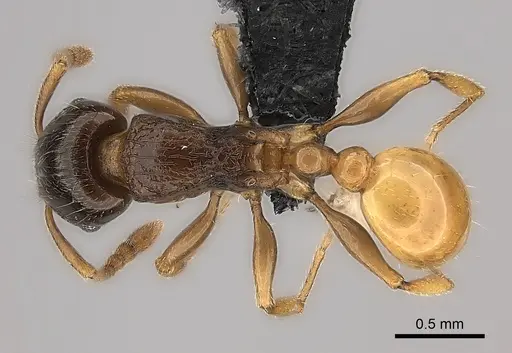
CASENT0101146
Ver no AntWeb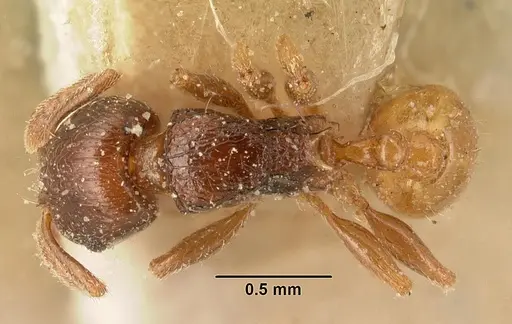
CASENT0102400
Ver no AntWeb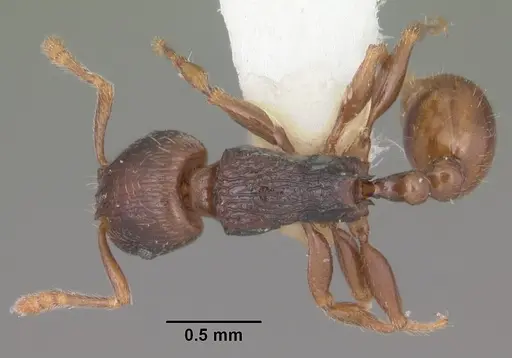
CASENT0189134
Ver no AntWeb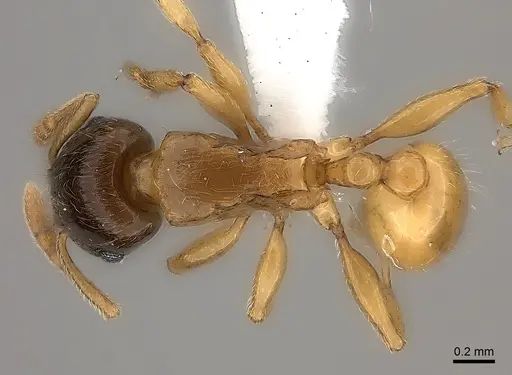
CASENT0218041
Ver no AntWeb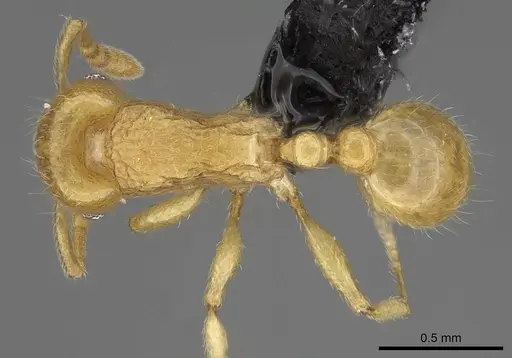
CASENT0415152
Ver no AntWeb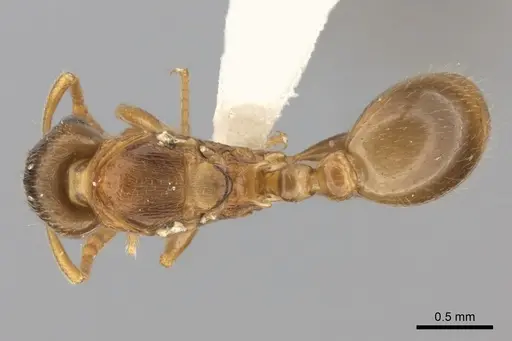
CASENT0485100
Ver no AntWeb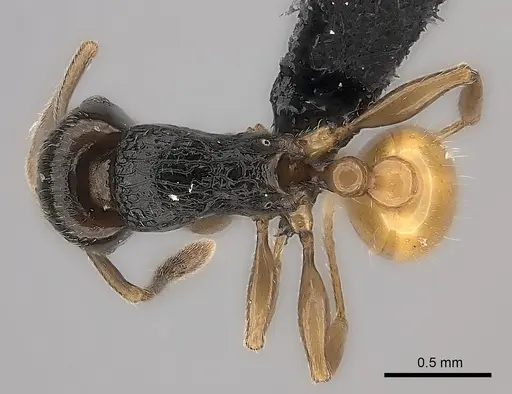
CASENT0491748
Ver no AntWeb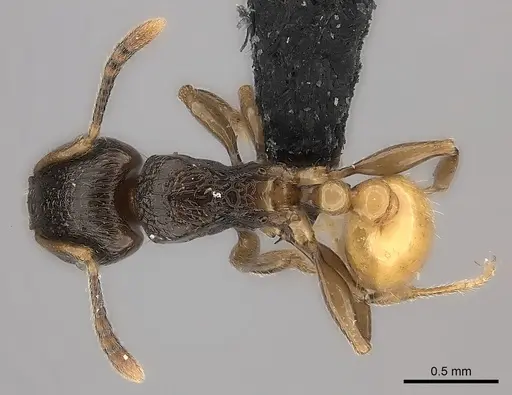
Literatura
Carregando mapa de distribuição...Carregando produtos...