
Weitzecker's Fierce Ant
Tetramorium weitzeckeri
- Nome científico
- Tetramorium weitzeckeri
- Tribo
- Crematogastrini
- Subfamília
- Myrmicinae
- Autor
- Emery, 1895
- Nome comum
- Weitzecker's Fierce Ant
- Distribuição
- Encontrada em 9 países
Introdução
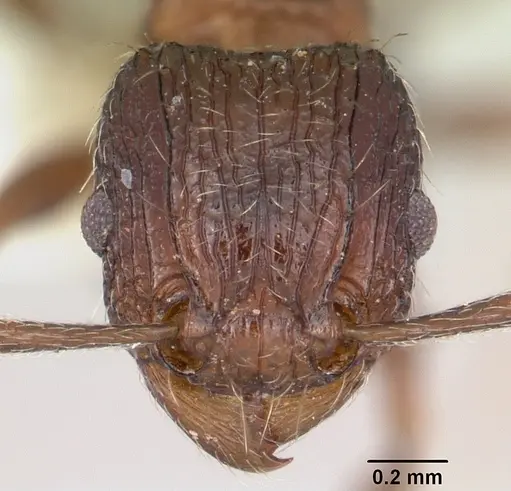
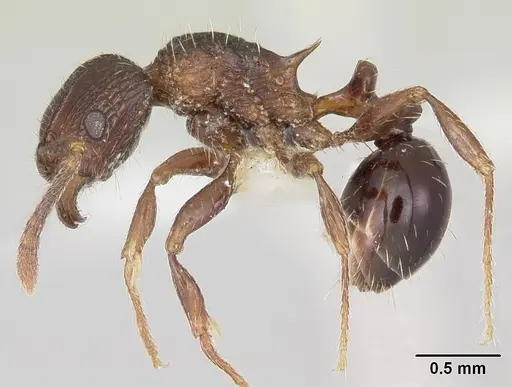
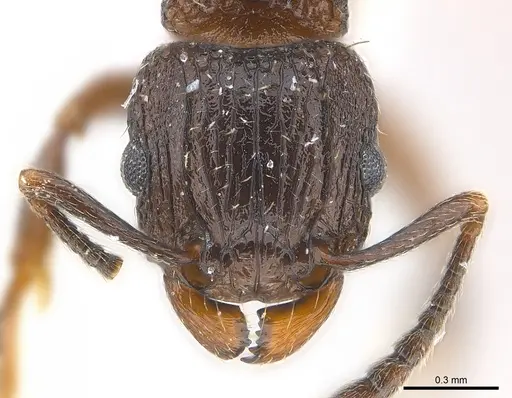
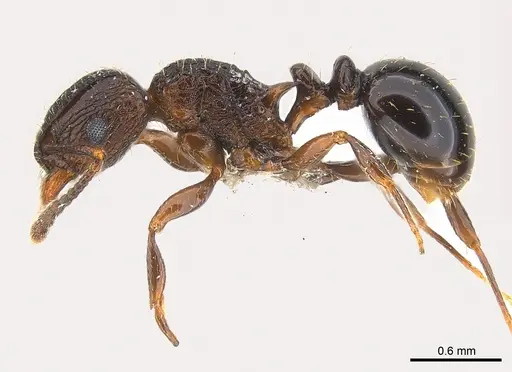
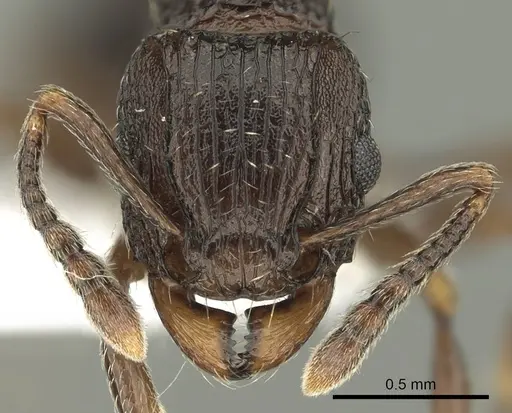
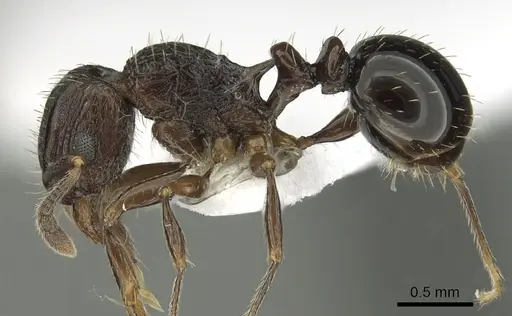
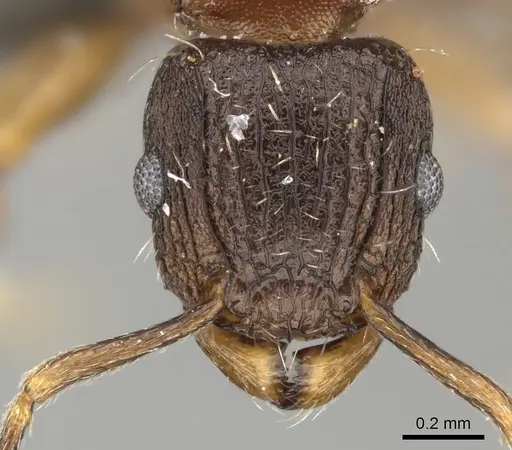
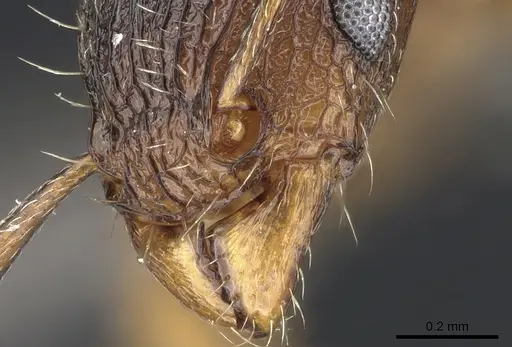
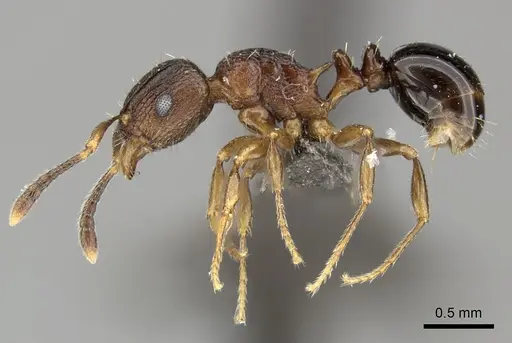
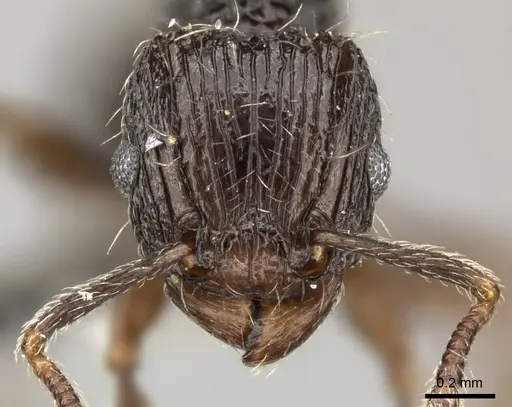
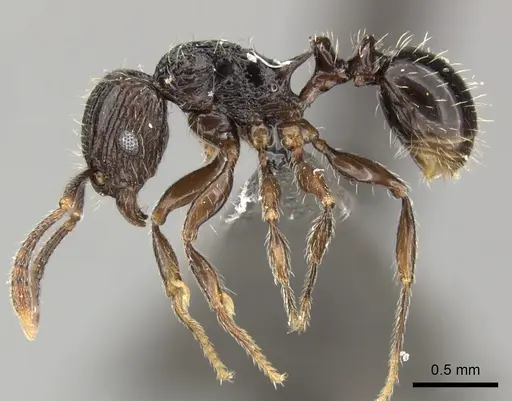
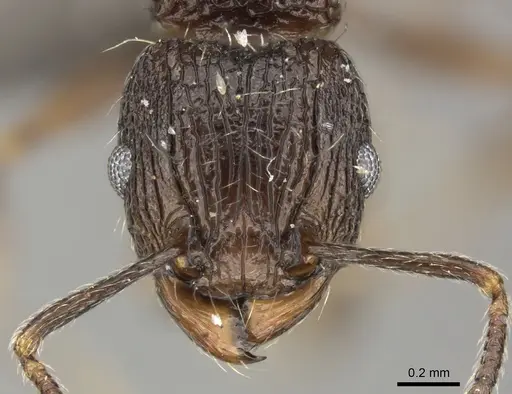
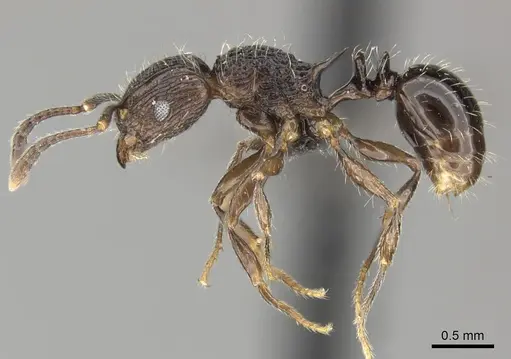
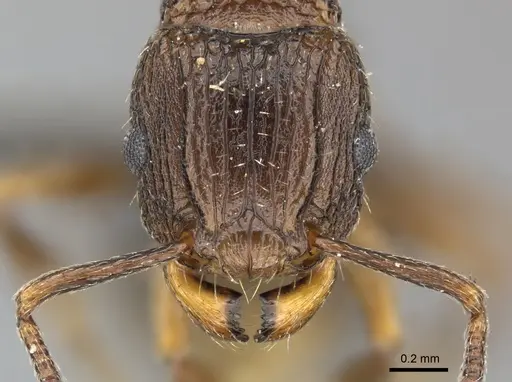
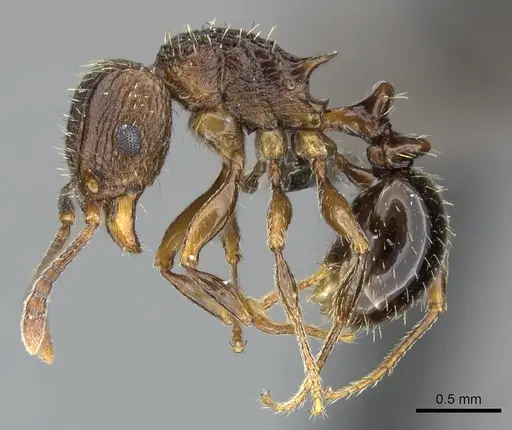
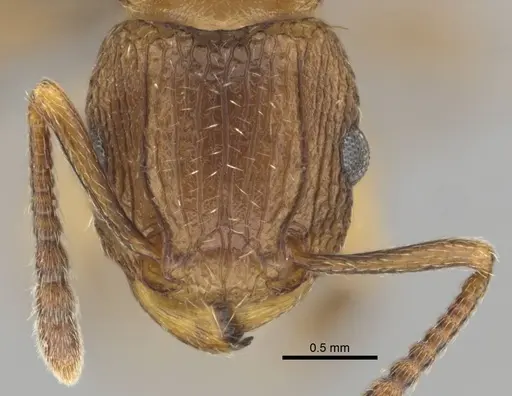
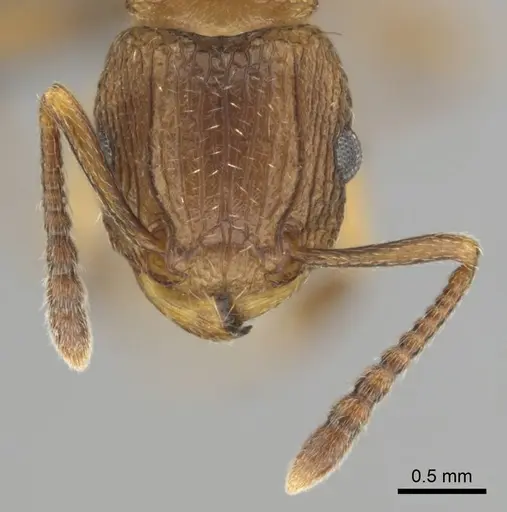
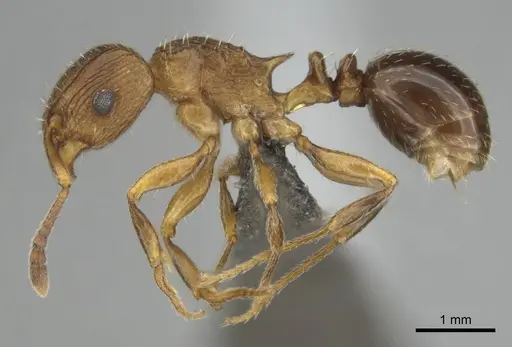
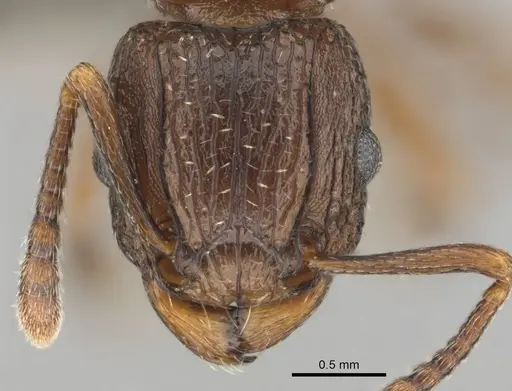
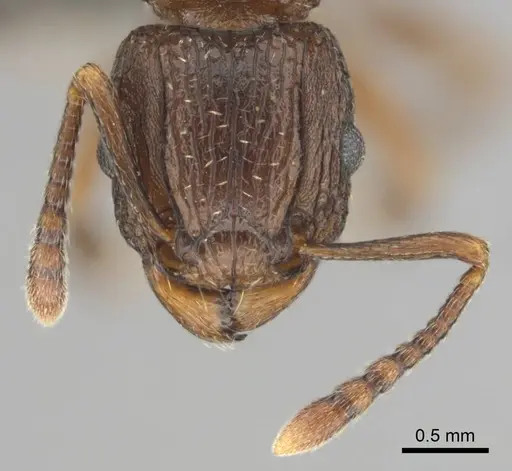
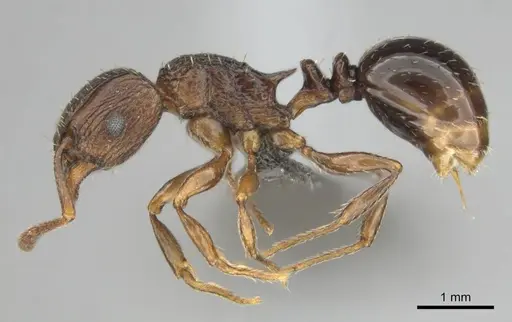
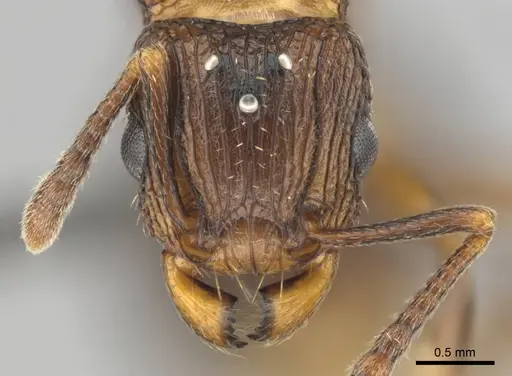
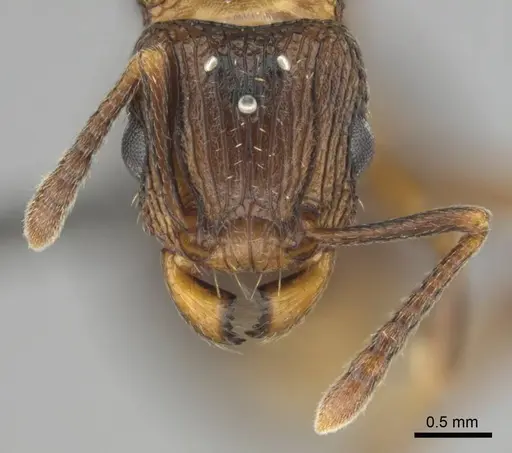
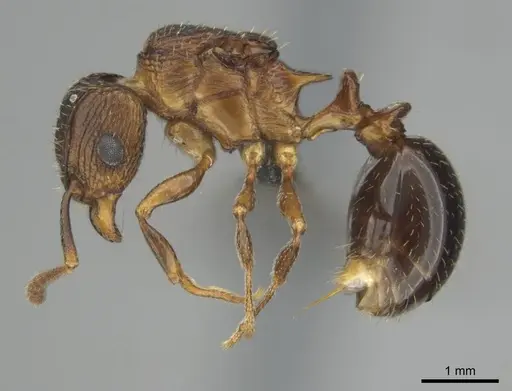
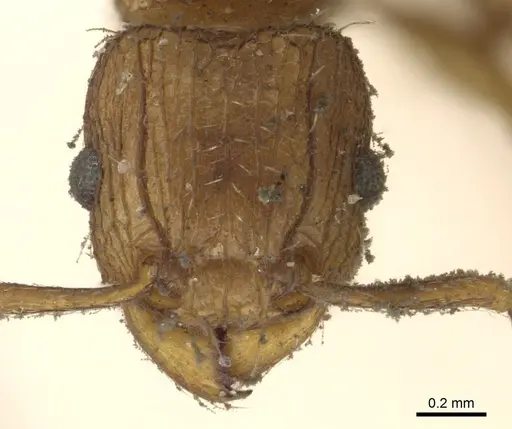
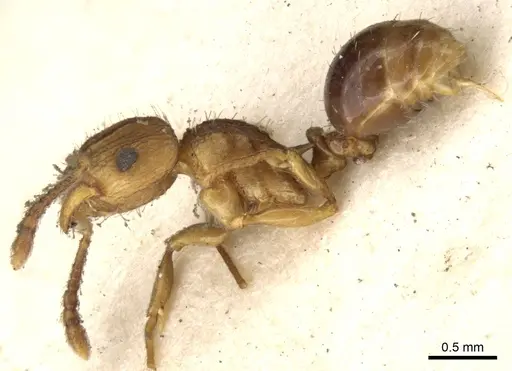
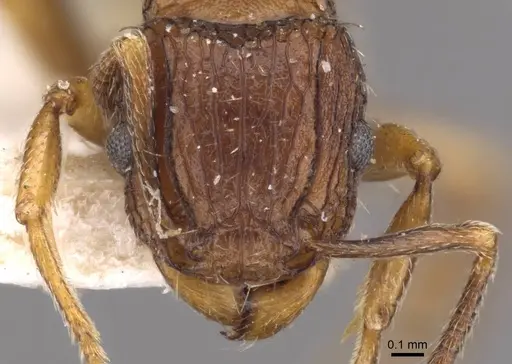
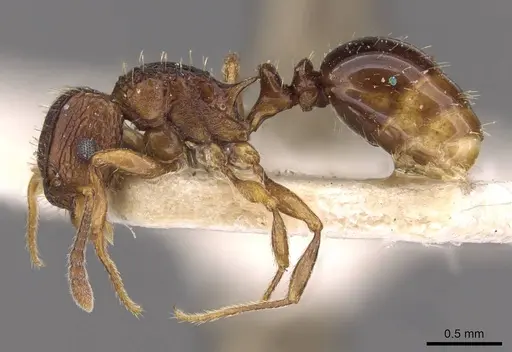
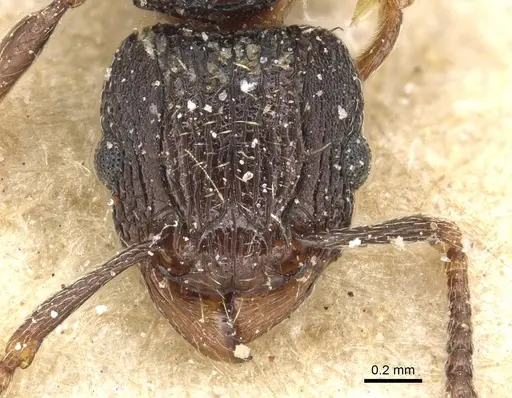
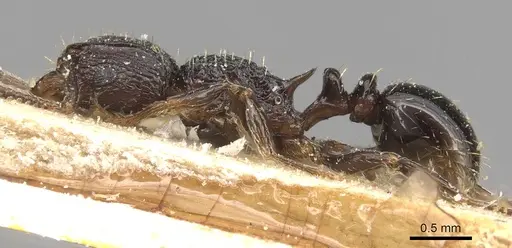
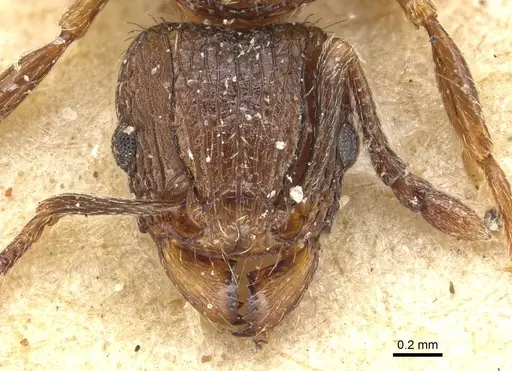
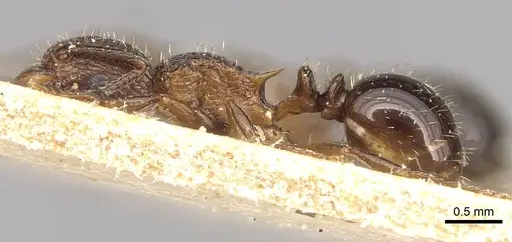
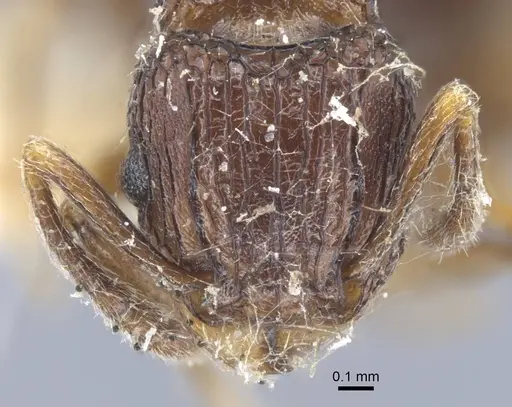
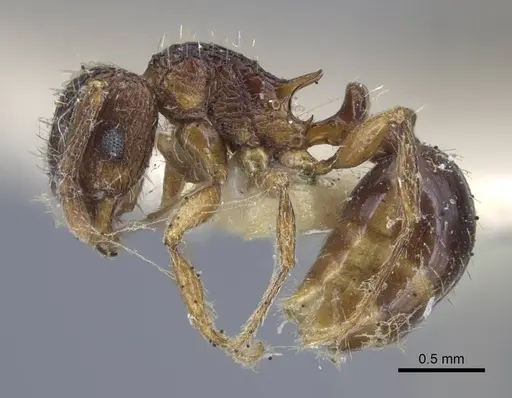
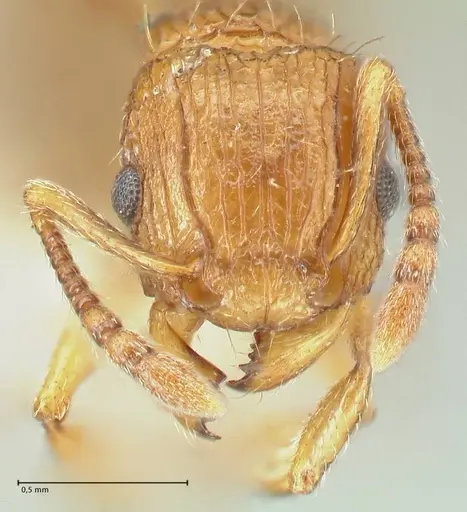
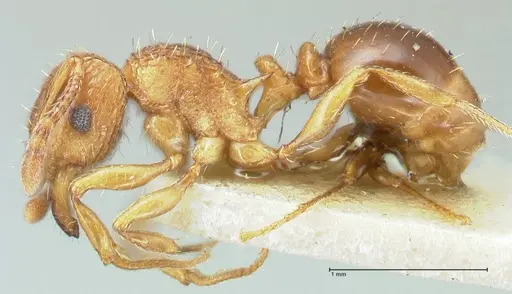
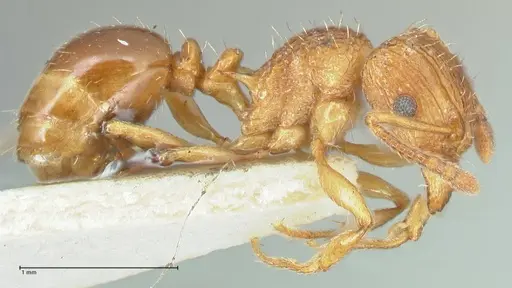
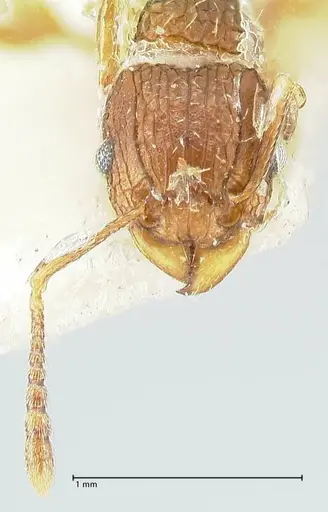
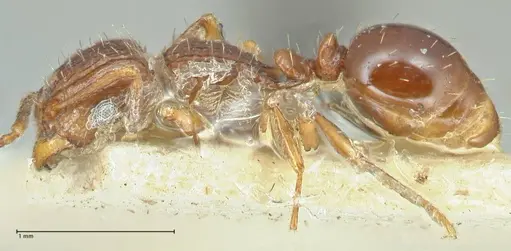
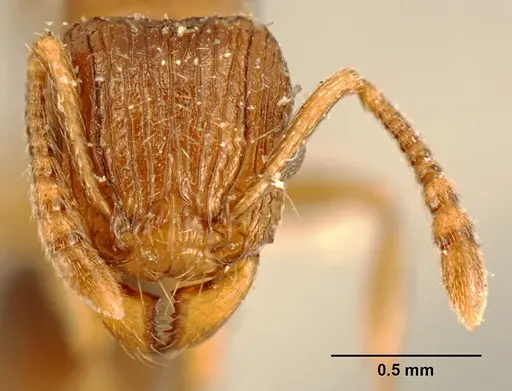
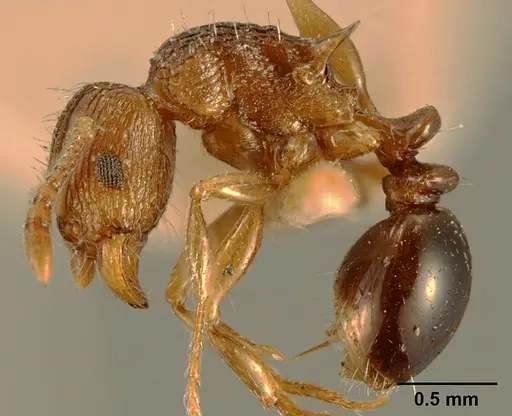
Tetramorium weitzeckeri is a small, common ant from the savannahs and open grasslands of eastern and southern Africa . Workers measure 3.0-4.1 mm and have a distinct look: the head and thorax are covered in strong, lengthwise ridges (rugae), and the rear of the thorax sports very long, sharp spines (propodeal spines). Their color ranges from light brown to nearly black, with the gaster usually darker . A key ID feature: they have long, standing hairs on the first segment of the gaster, and the waist segments and gaster are smooth and shiny . They nest under stones in compacted soil, preferring sunny spots .
Quick Summary
- Difficulty: Easy
- Origin & Habitat: Eastern and Southern Africa, recorded from South Africa, Kenya, Tanzania, Zimbabwe, Mozambique, Namibia, Ethiopia, Sudan, Eritrea, and recently from Rwanda [2][5]. They live in savannah and open grassland, and avoid dense rainforests [6].
- Colony Type: Unconfirmed, no direct data on queen number or social structure. Based on typical Tetramorium patterns, they are likely monogyne (single queen), but this has not been documented for this species.
- Size & Growth:
- Queen: size data unavailable, no queen measurements are recorded
- Worker: 3.0-4.1 mm [3]
- Colony: Not documented, typical Tetramorium colonies may reach several hundred workers
- Growth: Moderate (estimated from genus patterns)
- Development: Estimated 6-8 weeks at 22-26°C (inferred from related Tetramorium species, no specific data for T. weitzeckeri) (Development speed depends on temperature, keep warm for fastest growth.)
- Antkeeping:
- Temperature: Keep at 22-26°C. As a savannah species, they need steady warmth, a heating cable on one side of the nest will let them choose their preferred temperature [2].
- Humidity: Moderate to low, provide a mostly dry nest with just one slightly moist area. Too much moisture can cause mold. Their natural habitat is well‑drained savannah soil [2].
- Diapause: No, they are an African species that does not need true hibernation. A slight winter temperature drop (18-20°C) is optional but not required.
- Nesting: Y‑tong (AAC) or plaster nests work well, with a dry chamber plus a small humid section. They naturally nest under stones in compacted soil, so a soil‑based nest is also an option [4].
- Behavior: Workers are active daytime foragers, calm and not aggressive toward keepers. They belong to the Myrmicinae subfamily and possess a stinger, but it is modified for smearing venom (based on the tribe Crematogastrini, they wipe venom onto enemies instead of stinging). Bites are rare and mild. Their small size (3-4 mm) means they can squeeze through tiny gaps, always use fine mesh barriers.
- Common Issues: escape prevention is critical, workers can slip through gaps smaller than 1 mm, overwatering leads to mold, keep the nest mostly dry, founding queens are easily stressed, do not disturb them, wild‑caught colonies may carry mites or other parasites, test tube flooding can drown founding queens, use a proper cotton plug size
Housing and Nest Setup
For founding colonies, a standard test tube setup works well. Fill a clean test tube with water, plug it with cotton leaving about 1-2 cm of free space, then place the queen in the open end. Cover with a dark cloth to reduce stress. The queen will settle near the cotton end. For established colonies with 50+ workers, move them to a Y‑tong (AAC) or plaster nest, both allow you to keep the nest mostly dry, matching their natural preference. They naturally nest under stones in compacted soil, so a soil‑filled nest chamber is also a good option. Keep the nest at 22-26°C and avoid direct sunlight [2][4].
Feeding and Diet
Tetramorium weitzeckeri is a generalist feeder. Offer protein sources like small crickets, mealworms, or fruit flies twice a week. They also readily take sugar water, honey, or diluted maple syrup as an energy source. In the wild, they collect seeds and tend aphids for honeydew, so you can try offering small seeds (e.g., sesame, poppy) as an occasional supplement. Remove uneaten food after 24-48 hours to prevent mold. A constant sugar water supply is recommended for established colonies [4].
Temperature and Seasonal Care
As an African savannah species, T. weitzeckeri prefers warm conditions year‑round. Maintain 22-26°C for optimal activity and brood development. They can tolerate brief periods slightly above or below this range, but growth will slow. Unlike temperate ants, they do not need hibernation. If you live in a temperate climate, a mild winter drop to 18-20°C is fine but not required. Avoid sustained temperatures below 15°C. A heating cable placed on one side of the nest creates a temperature gradient, allowing the ants to choose their comfort zone [2].
Colony Founding
Founding behavior has not been directly documented for this species. Based on the genus Tetramorium, queens are probably claustral, after mating, they find a small cavity, seal themselves in, and raise the first workers on stored body reserves. This founding phase can take 6-8 weeks at 22-26°C (estimated from related species). Do not disturb the queen during this time. Keep her in a dark, quiet place. Once the first workers (nanitics) appear, you can start offering tiny food items near the nest entrance [4].
Behavior and Observation
Workers are active daytime foragers, thoroughly searching the outworld for food. They are not aggressive and rarely bite, making them easy to observe. Their main defense is a modified stinger that smears venom onto attackers, they will not try to pierce your skin. Because they are only 3-4 mm long, they can squeeze through tiny gaps, so secure your outworld with fine mesh or fluon barriers. Watch for workers carrying food back, this signals a healthy, growing colony [1][4].
Frequently Asked Questions
How long does it take for Tetramorium weitzeckeri to raise first workers?
Specific data is not available, but from related Tetramorium species you can expect roughly 6-8 weeks at 22-26°C. Keep the queen undisturbed in a dark, warm setup.
Can I keep Tetramorium weitzeckeri in a test tube?
Yes, test tubes work for founding colonies. Use a standard water‑cotton plug setup, keep it dark and at 22-26°C. When the colony reaches 50+ workers, move them to a Y‑tong or plaster nest with dry conditions [4].
Do Tetramorium weitzeckeri ants sting?
They have a stinger, but it is modified for smearing venom (not piercing). They are not aggressive and rarely use it. Any contact would be very mild, they are safe to handle.
What do Tetramorium weitzeckeri eat?
They are generalist feeders, offer small insects (crickets, fruit flies) twice a week and provide constant sugar water or honey. They may also accept seeds [4].
Are Tetramorium weitzeckeri good for beginners?
Yes. They are calm, tolerate room temperature, and have simple care requirements. The main challenge is preventing escapes due to their tiny size [2].
How big do Tetramorium weitzeckeri colonies get?
Colony size has not been documented, but based on typical Tetramorium, they likely reach several hundred workers. They are not supercolonial [1].
Do Tetramorium weitzeckeri need hibernation?
No, they are from a warm, non‑temperate climate and do not require hibernation. Keep warm (22-26°C) year‑round for best results [2].
When should I move my colony to a formicarium?
Move from test tube to a Y‑tong or plaster nest when the colony has 50-100 workers. Make sure the new nest has a dry chamber with just a small humid area [4].
Why are my Tetramorium weitzeckeri dying?
Common causes: overwatering (mold), temperatures below 15°C, disturbance during founding, or parasites from wild‑caught colonies. Keep conditions warm and moderately dry, and prevent escapes [4].
Report an Issue
The current care sheet is based fully on literature. See inconsistencies, or something that's incorrect? Please , it will be resolved after review from an admin. Contributing to the blogs tab also helps providing information, to make us be able to further improve the caresheets. Thank you for your support!
References

Este guia de cuidados está sob a licença CC BY-SA 4.0 .
Posts da comunidade
CASENT0103295
Ver no AntWeb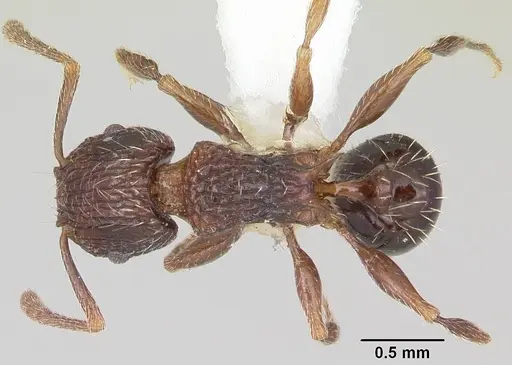
CASENT0217060
Ver no AntWeb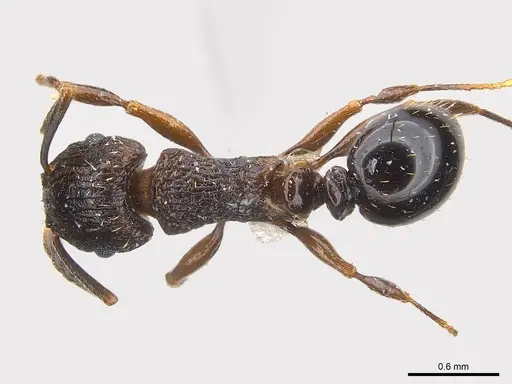
CASENT0217231
Ver no AntWeb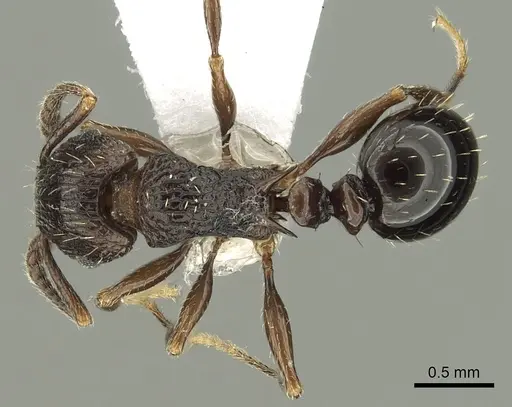
CASENT0235814
Ver no AntWeb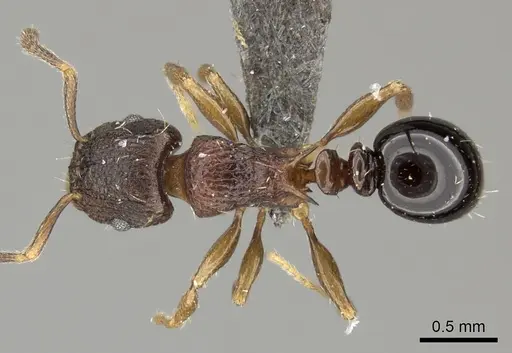
CASENT0235816
Ver no AntWeb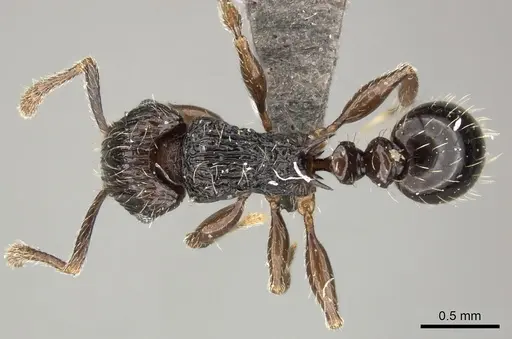
CASENT0235817
Ver no AntWeb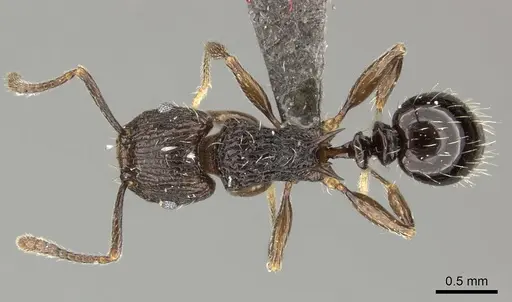
CASENT0249013
Ver no AntWeb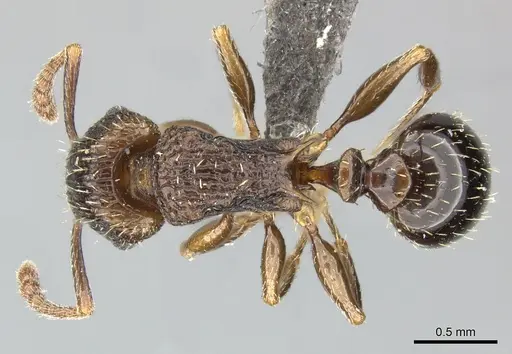
CASENT0253642
Ver no AntWeb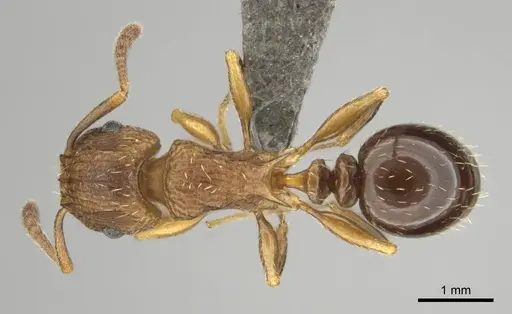
CASENT0253654
Ver no AntWeb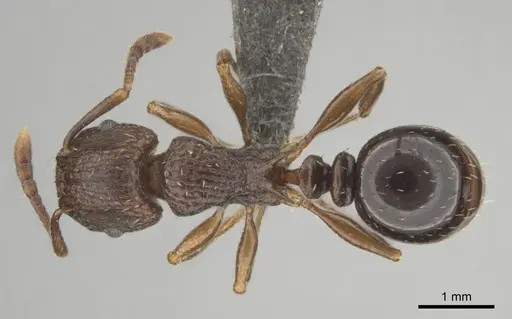
CASENT0257069
Ver no AntWeb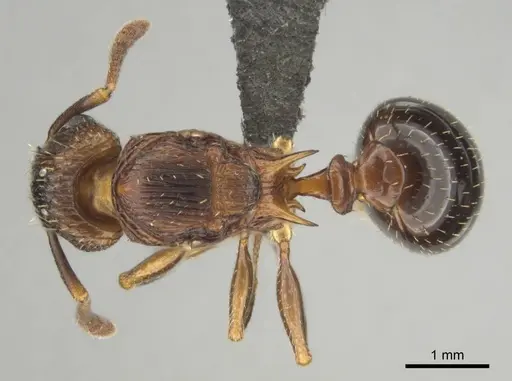
CASENT0775452
Ver no AntWeb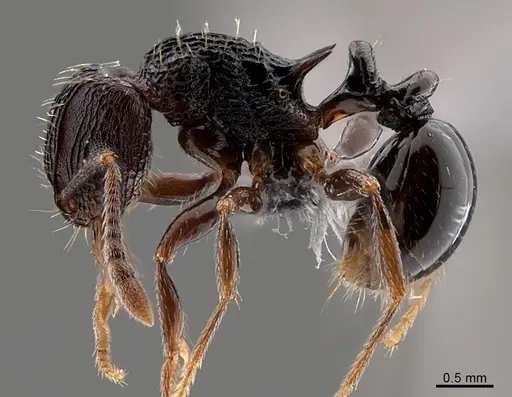
CASENT0901175
Ver no AntWeb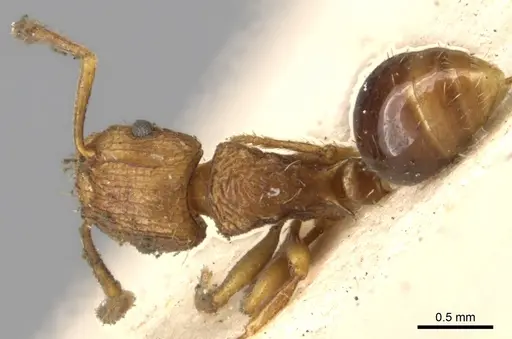
CASENT0909180
Ver no AntWeb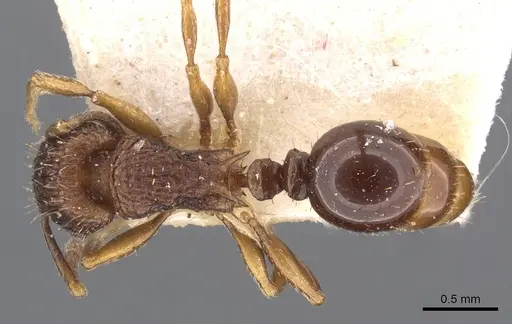
CASENT0915094
Ver no AntWeb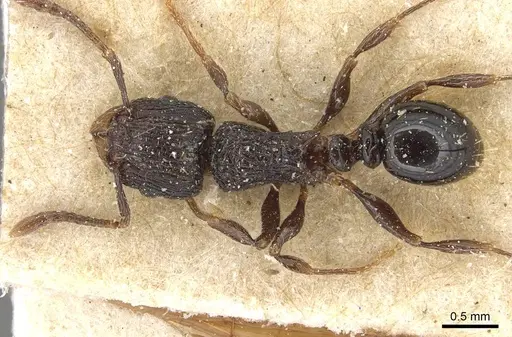
CASENT0915095
Ver no AntWeb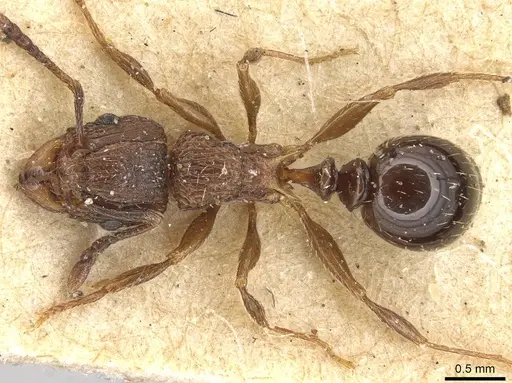
CASENT0917086
Ver no AntWeb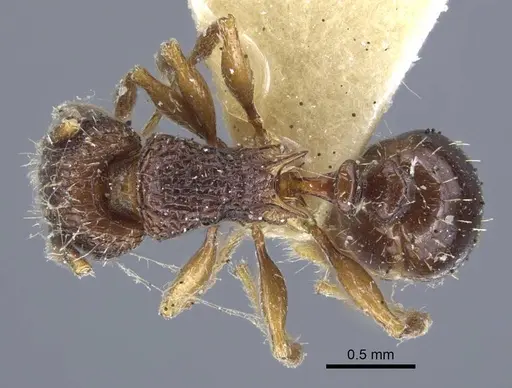
FOCOL2103
Ver no AntWeb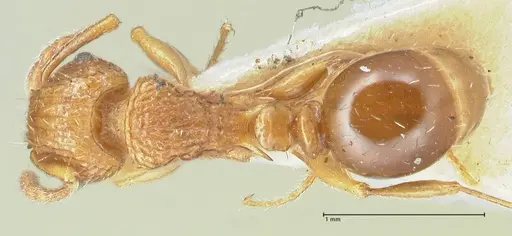
FOCOL2104
Ver no AntWeb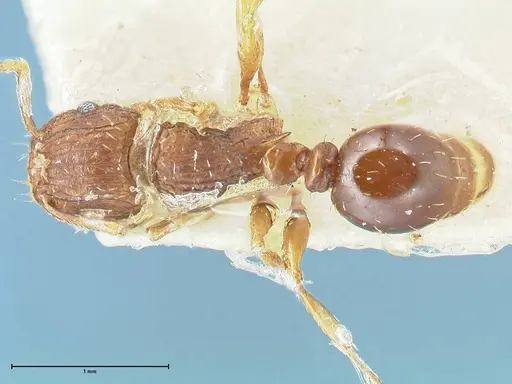
ZFMKHYM20096086
Ver no AntWeb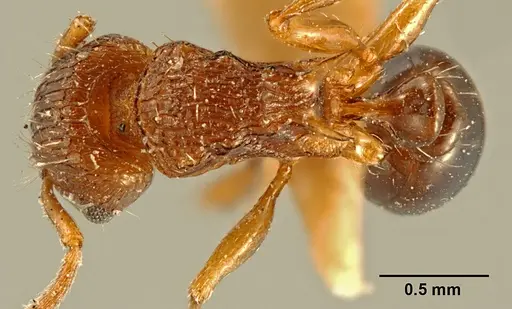
Literatura
Carregando mapa de distribuição...Carregando produtos...