
Tetramorium sulcinode
- Nome científico
- Tetramorium sulcinode
- Tribo
- Crematogastrini
- Subfamília
- Myrmicinae
- Autor
- Santschi, 1927
- Distribuição
- Encontrada em 3 países
Introdução
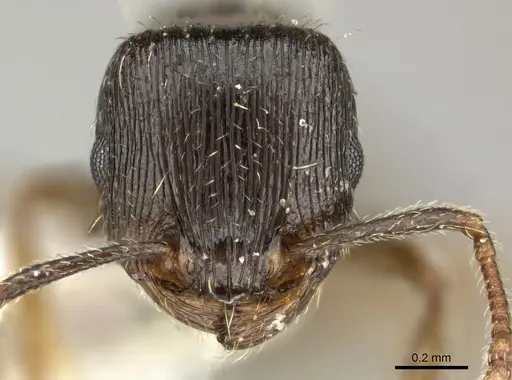
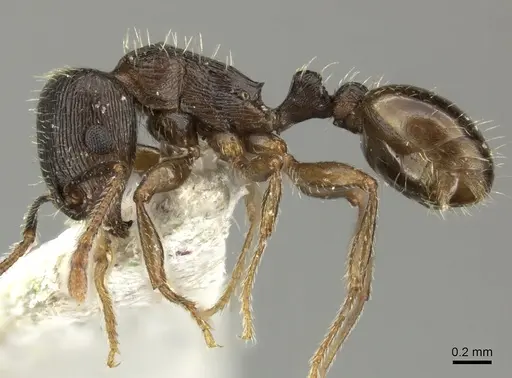
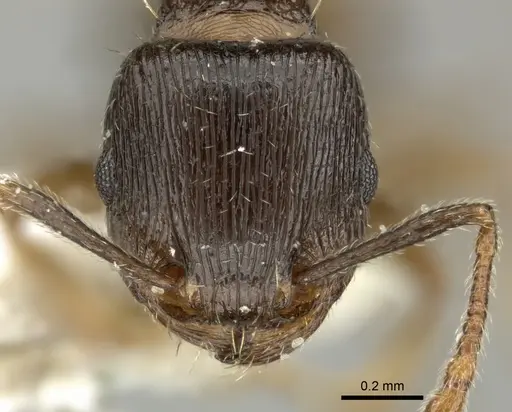
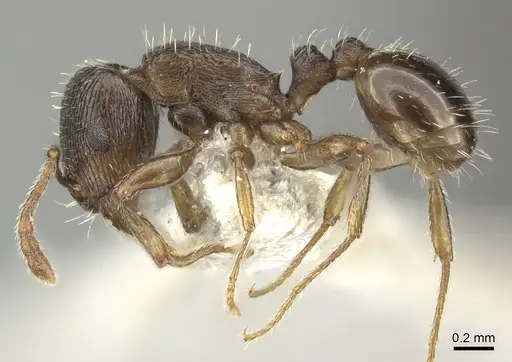
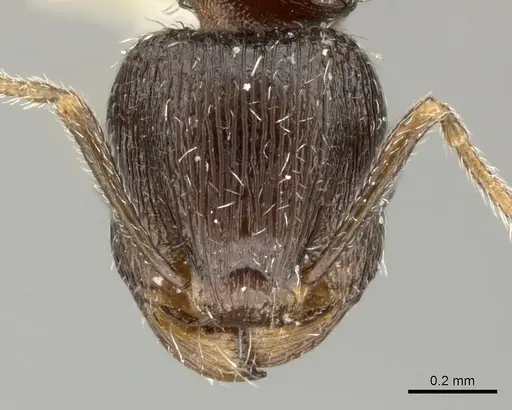
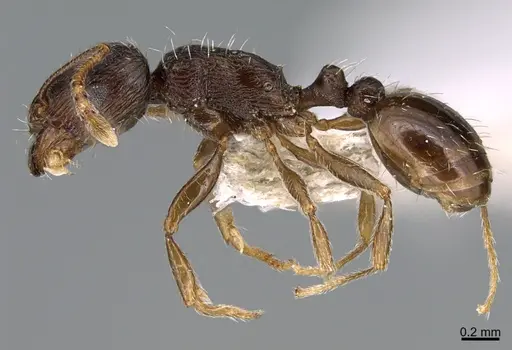
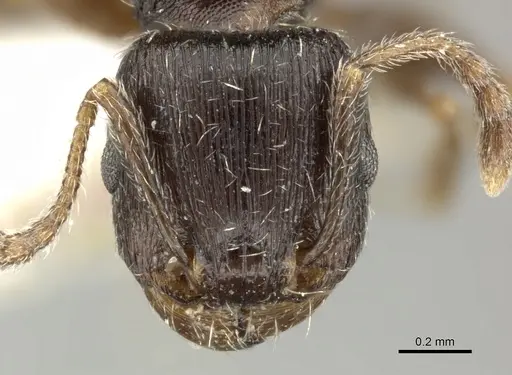
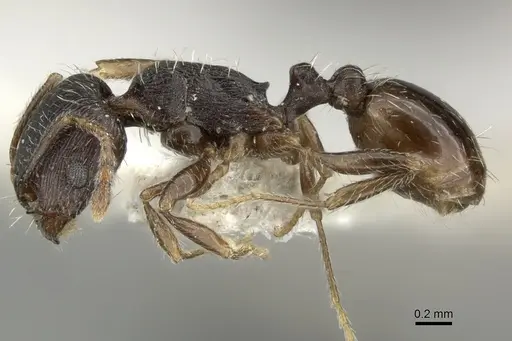
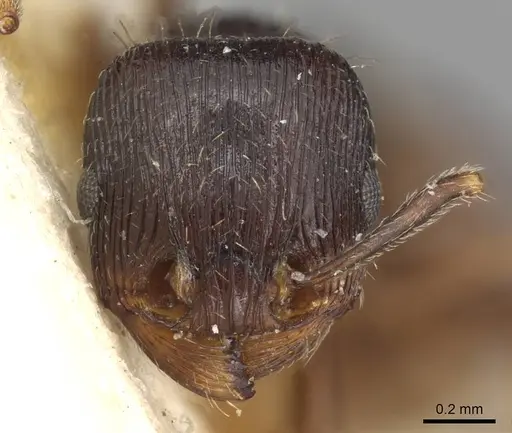
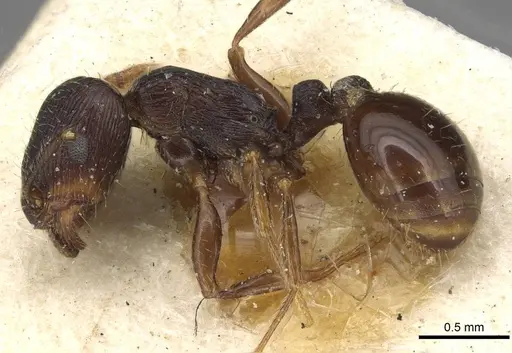
Tetramorium sulcinode is a medium-sized Myrmicinae ant. Body size is not directly documented for this species; based on related Tetramorium, workers are estimated around 4-5 mm and queens around 5-6 mm. Workers are usually entirely black, but some specimens from Iran have a brown head and gaster with a yellowish-brown mesosoma . The body is finely sculptured with large eyes, and the underside of the head has a well-developed psammophore - a row of long, curved setae used for carrying sand particles . This species was first described in 1927,later synonymized, and then revived as a valid species in 2007 . It occurs across the Palaearctic region from Afghanistan, Pakistan, and Central Asia (Kazakhstan, Kyrgyzstan, Turkmenistan) west to Azerbaijan, Iran, Turkey, southern Russia, and most recently to Greece . It inhabits steppe landscapes and dry hilly terrain at elevations between roughly 300 and 1100 m .
Quick Summary
- Difficulty: Medium
- Origin & Habitat: Palaearctic: Afghanistan, Pakistan, Kazakhstan, Kyrgyzstan, Turkmenistan, Azerbaijan, Iran, Turkey, southern Russia, and Greece [3][4]. Lives in steppes, dry hills, and adyr (foothill desert) habitats at 290-1100 m elevation [1][3][5].
- Colony Type: Not directly studied. Based on typical Tetramorium patterns, likely monogyne (single queen) colonies, but this is unconfirmed.
- Size & Growth:
- Queen: size not directly measured, inferred from Tetramorium genus, queens roughly 5-6 mm
- Worker: size not directly measured, inferred from Tetramorium genus, workers roughly 4-5 mm
- Colony: Unknown, not directly studied. Related Tetramorium species can reach several thousand workers.
- Growth: Moderate
- Development: 6-10 weeks estimated (based on related Tetramorium species) (Development time has not been documented for this species. The estimate above is based on other temperate Tetramorium.)
- Antkeeping:
- Temperature: Aim for 20-26°C during the active season. This species tolerates a fairly wide range, and typical room temperature is usually fine [1][3]. A heat cable on one side of the nest can provide a gradient if your room runs cool.
- Humidity: Low to moderate, matches its native steppe and dry habitats. Let the nest substrate dry out partially between waterings. A small water reservoir or cotton tube should be available, but avoid constant wetness. The well-developed psammophore suggests adaptation to sandy, free-draining soils [2].
- Diapause: Yes, requires winter dormancy due to temperate origin. Provide 2-3 months at 10-15°C, typically November-February.
- Nesting: Y-tong (AAC) blocks or plaster nests work well for this medium-sized species. Soil formicaria can also be used. A simple test tube is ideal for founding. Avoid extremely wet setups, this ant prefers drier conditions.
- Behavior: Workers are active foragers that search both on the ground and in vegetation. In the warm season they are active day and night [5]. They belong to the Myrmicinae tribe Crematogastrini and use a “smear” defence: they wipe venom onto enemies with a modified, flattened stinger, rather than piercing the skin. This venom can cause irritation but is not dangerous to healthy humans. They are not particularly aggressive but will defend the nest if disturbed. Workers are medium-sized and can climb easily, but standard escape barriers (e.g., fluon or oil) work well. The psammophore indicates they are adapted to sandy soils and may carry sand to block the nest entrance [2].
- Common Issues: overwatering is the most common mistake, this ant prefers drier conditions, and constant moisture leads to mold and colony loss., skipping winter diapause can weaken or kill the colony over time, provide a cool rest period., wild-caught colonies may carry mites, nematodes, or other parasites that can cause problems in captivity., colony growth can be slow in the first year as the queen raises her initial brood alone., using acrylic nests (which trap humidity) is not recommended for this dry-adapted species, choose Y-tong, plaster, or soil nests instead.
Temperature and Care
Tetramorium sulcinode comes from warm temperate regions, so keep the nest at 20-26°C during spring and summer [1][3]. A heating cable on one side of the nest creates a useful temperature gradient. They tolerate a reasonably wide range, and if your room stays in the low 20s°C, no extra heating is needed. During winter, provide a cooling period of 2-3 months at 10-15°C. Gradually lower the temperature over 1-2 weeks before diapause and raise it slowly when ending diapause to avoid shocking the colony. Reduce feeding before dormancy and do not feed during deep diapause.
Humidity and Water
This is a dry-habitat species that prefers lower humidity than many other ants. The nest substrate should be allowed to dry out partially between waterings, never keep it constantly wet. For Y-tong or plaster nests, add water to the reservoir every 1-2 weeks and let it absorb before topping up. Keep a small water tube or cotton reservoir available at all times so the ants can drink. The psammophore (specialized sand-carrying hairs) suggests they live in sandy, well-drained soils [2]. Avoid creating condensation inside the nest, if you see water droplets, allow the nest to dry before adding more water. Overwatering is the most common cause of colony failure in this species.
Feeding and Diet
Tetramorium sulcinode is a generalist feeder. In nature it consumes both plant matter and small invertebrates, and it forages around the clock (except in winter) [5]. Provide protein sources (fruit flies, pinhead crickets, small mealworms, or other feeder insects) 2-3 times per week, removing uneaten prey after 24 hours. Keep a constant supply of sugar water or honey available, replacing it every few days to prevent fermentation. As the colony grows, you can offer larger prey. A balanced diet with both protein and carbohydrates is essential for brood development and colony growth.
Nesting Preferences
In the wild, Tetramorium sulcinode nests in soil, often under stones, in steppes and dry hilly areas [1]. For captivity, Y-tong (AAC) blocks and plaster nests work excellently because they allow you to control moisture and provide a dry environment. Soil nests can also be suitable if you keep them relatively dry. A test tube setup works well for founding and the first few months. Avoid acrylic nests, they tend to trap too much humidity for this species. When you move the colony from the test tube, choose a nest with chambers that match the colony size, do not give a huge nest to a small colony.
Behavior and Temperament
Workers are active foragers that climb well and search for food on the ground and vegetation. They forage day and night during the warm season [5]. As a member of the Myrmicinae tribe Crematogastrini, T. sulcinode defends itself by smearing venom onto enemies using a modified, flattened stinger. This venom can cause irritation but is not medically significant to healthy humans. The ants are not particularly aggressive and will only attack if the nest is disturbed or handled roughly. They do not form supercolonies, each nest maintains its own territory. The presence of a psammophore indicates they are adapted to loose, sandy substrates and will use sand to block the nest entrance when disturbed [2].
Seasonal Care and Diapause
Because Tetramorium sulcinode originates from temperate Central Asia and adjacent regions [4][3], it requires a winter diapause. Provide 2-3 months at 10-15°C, typically from November through February. Reduce feeding as the colony slows down in autumn, and do not feed during deep dormancy. At the end of diapause, raise the temperature gradually over 1-2 weeks to avoid shocking the colony. Skipping diapause will weaken the colony over time and may lead to reduced queen longevity or failure to produce reproductives. This rest period is natural and important for colony health.
Frequently Asked Questions
How long does it take for Tetramorium sulcinode to produce first workers?
This has not been directly studied. Based on related Tetramorium species, expect 6-10 weeks from egg to first worker at room temperature. The queen raises her first brood alone, so the colony grows slowly at first.
Do Tetramorium sulcinode ants sting?
Like other members of the tribe Crematogastrini, they have a modified, flattened stinger that they use to smear venom onto enemies rather than piercing the skin. The venom can cause irritation but is not dangerous to healthy adults. They are not aggressive and will only defend themselves if the nest is disturbed or they are handled roughly.
What temperature do Tetramorium sulcinode ants need?
Keep them at 20-26°C during the active season. They tolerate a range of temperatures and typical indoor conditions work well. A heat cable on one side of the nest can help if your room is cool. In winter, provide a cooler period at 10-15°C for 2-3 months.
Do Tetramorium sulcinode need hibernation?
Yes. As a temperate species from Central Asia and surrounding regions, they require a winter diapause. Provide 2-3 months at 10-15°C. This is essential for long-term colony health and may trigger reproductive flights in spring.
How big do Tetramorium sulcinode colonies get?
Colony size has not been documented for this species. Related Tetramorium can reach several hundred to a few thousand workers. Growth is moderate, expect to wait a year or two before the colony becomes substantial.
Can I keep multiple Tetramorium sulcinode queens together?
Colony structure has not been directly studied. Most Tetramorium species are monogyne (single queen), so combining unrelated queens is not recommended, they will likely fight. If you capture a queen, house her alone for founding.
What do Tetramorium sulcinode ants eat?
They are generalist feeders. Offer protein sources (small insects like fruit flies, pinhead crickets, or small mealworms) 2-3 times per week and keep a constant supply of sugar water or honey available. Remove uneaten food after 24 hours. In the wild they also eat plant matter [5].
Are Tetramorium sulcinode good for beginners?
They are rated medium difficulty. They tolerate temperature variation well, which makes them forgiving, but their need for a dry environment and winter diapause requires some experience. Beginners who are willing to learn about hibernation and moisture control can succeed with this species.
When should I move Tetramorium sulcinode from a test tube to a formicarium?
Move the colony when the test tube starts to get crowded, typically when there are 20-30 workers. The new nest should have appropriate low humidity, a Y-tong or plaster nest works well. Make sure the outworld is connected so the ants can move on their own.
Why is my Tetramorium sulcinode colony dying?
Common causes: overwatering (the nest should be allowed to dry partially), lack of winter diapause, poor nutrition (feed both protein and sugar), or parasites from wild-caught colonies. Check humidity first, if the nest is too wet, let it dry out. If the colony is weak after diapause, try feeding extra protein.
Report an Issue
The current care sheet is based fully on literature. See inconsistencies, or something that's incorrect? Please , it will be resolved after review from an admin. Contributing to the blogs tab also helps providing information, to make us be able to further improve the caresheets. Thank you for your support!
References

Este guia de cuidados está sob a licença CC BY-SA 4.0 .
Posts da comunidade
CASENT0235354
Ver no AntWeb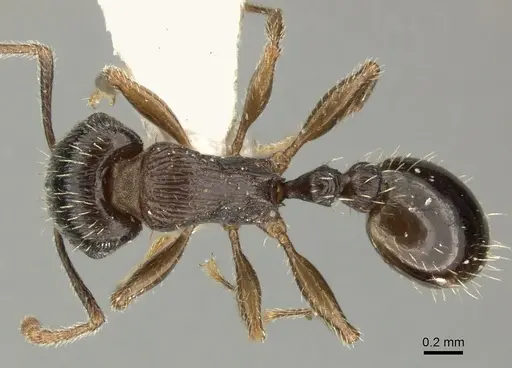
CASENT0906713
Ver no AntWeb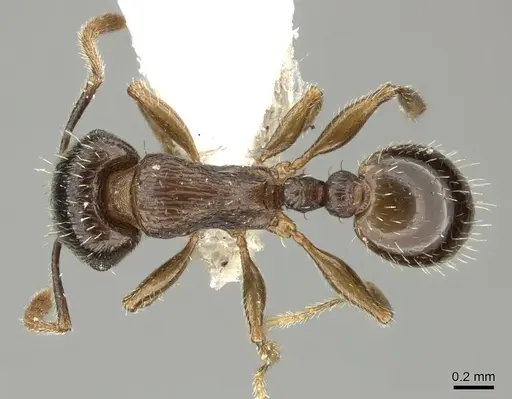
CASENT0906720
Ver no AntWeb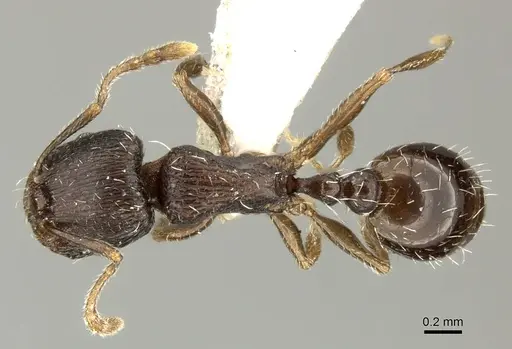
CASENT0906721
Ver no AntWeb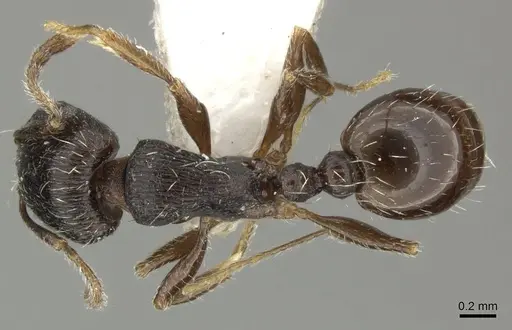
CASENT0915091
Ver no AntWeb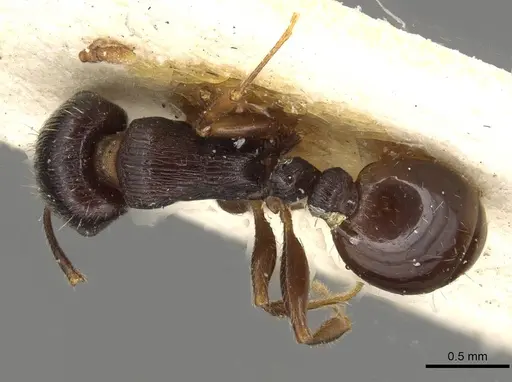
Literatura
Carregando mapa de distribuição...Carregando produtos...