
Tetramorium smithi
- Nome científico
- Tetramorium smithi
- Tribo
- Crematogastrini
- Subfamília
- Myrmicinae
- Autor
- Mayr, 1879
- Distribuição
- Encontrada em 7 países
Introdução
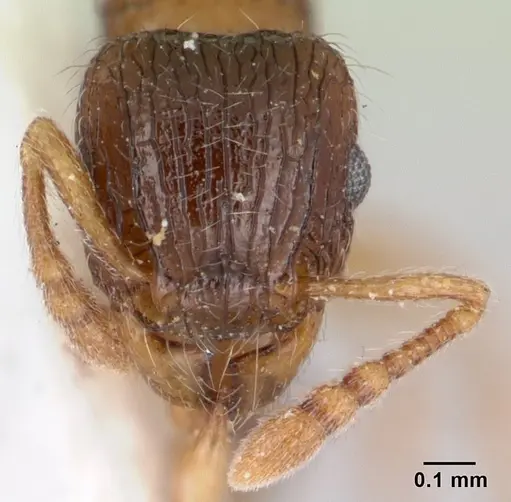
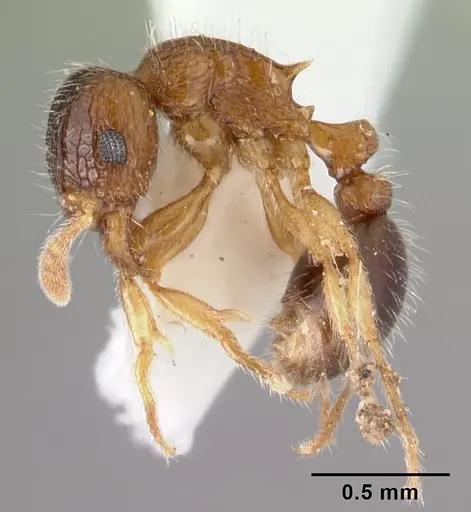
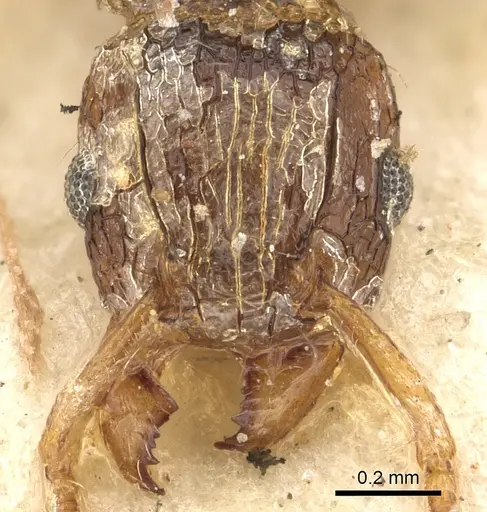
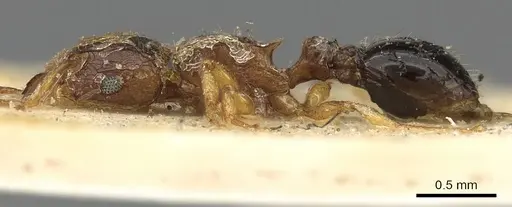
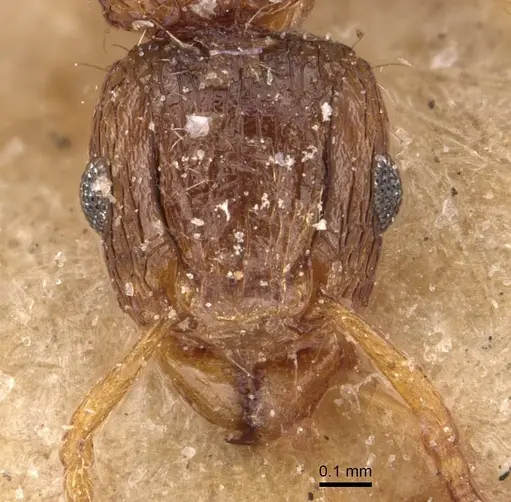
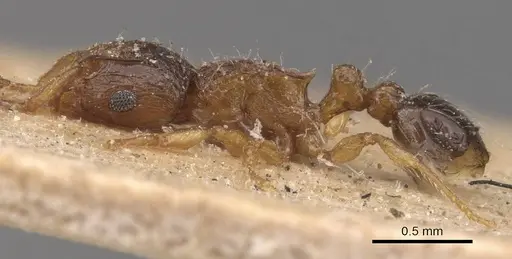
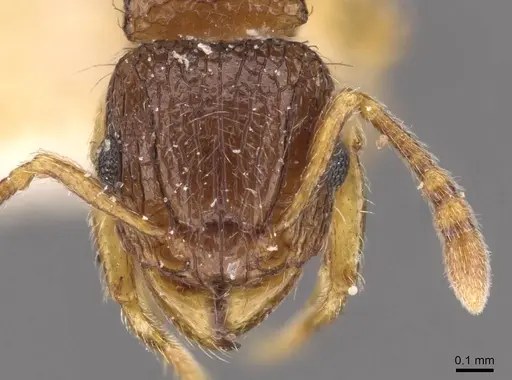
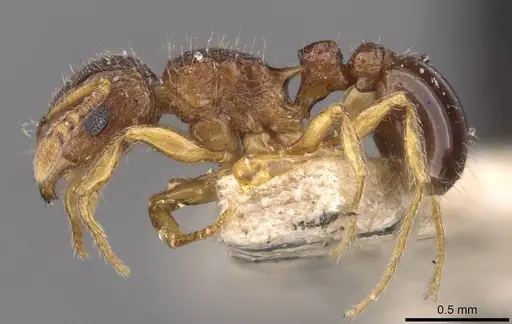
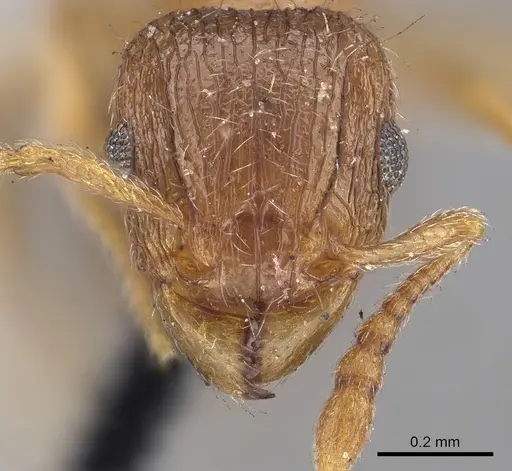
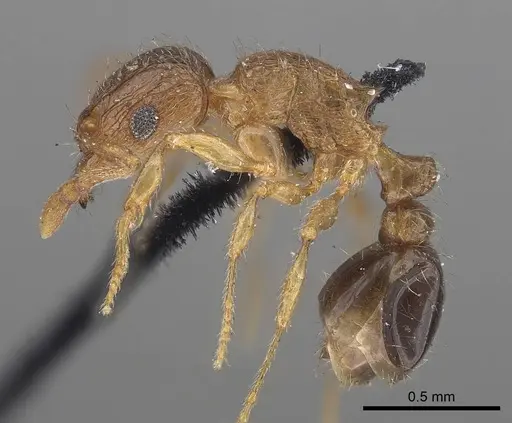
Tetramorium smithi is a tiny ant measuring just 2.1-2.8mm in worker length, belonging to the angulinode species group . Workers are light to mid-brown with a distinctly darker gaster, and can be identified by their 11-segmented antennae - a key distinguishing feature from most other Tetramorium which have 12 segments . This species is widely distributed across the Indomalayan region, from India through Southeast Asia to Japan and the Pacific islands . It nests in the ground and leaf litter, preferring forest edges, roadside areas, and other disturbed habitats . The species shows interesting social carrying behavior between workers, and has been documented as a potential tramp species due to its expanding distribution to Pacific island archipelagos .
Quick Summary
- Difficulty: Easy
- Origin & Habitat: Native to the Indomalayan region (India, Sri Lanka, Thailand, Vietnam, Malaysia, Indonesia, Philippines, Taiwan, southern Japan) and introduced to Pacific islands. Found in forest, open disturbed habitats, roadside areas, and grassland. Ground-dwelling species that nests in soil and leaf litter [4][3].
- Colony Type: Unknown, no data available on queen number. Likely monogyne based on Tetramorium genus patterns, but unconfirmed.
- Size & Growth:
- Queen: 3.1-3.4mm [5], from Japanese queen specimens
- Worker: 2.1-2.8mm [6][5], from species descriptions
- Colony: Unknown, no colony size data available. Potentially up to several hundred workers if following tramp species patterns, but this is speculation.
- Growth: Moderate, estimated from related Tetramorium species
- Development: 6-10 weeks, estimated from typical Tetramorium development patterns (Development time not directly studied for this species. Estimate based on related Tetramorium species at warm temperatures (22-26°C).)
- Antkeeping:
- Temperature: Keep at 22-26°C. This species comes from warm subtropical to tropical regions (southern Japan, Southeast Asia) and prefers warm conditions [3]. A gentle heating gradient can be provided using a heating cable on one side of the nest.
- Humidity: Keep substrate moderately moist. They inhabit forest floor and leaf litter with moderate humidity. Aim for damp but not waterlogged substrate, with some slightly drier areas for choice.
- Diapause: Not required, this species originates from tropical and subtropical climates with no documented diapause period.
- Nesting: Ground-dwelling species that nests in soil and leaf litter. In captivity, a naturalistic setup with moist substrate or a Y-tong/plaster nest with small chambers works well. Avoid large open spaces, scale chambers to their 2-3mm size.
- Behavior: Workers are active foragers searching for food on the ground. They are not aggressive and are generally peaceful. The species has been observed exhibiting social carrying behavior between workers [7]. Escape prevention is critical due to their tiny size (2-3mm), they can squeeze through standard barrier gaps. Use fine mesh (0.5mm openings) and tight-fitting lids.
- Common Issues: escape prevention is essential, their 2-3mm size means standard gaps (e.g., fluon barriers) may not be fully effective without tight seals, potential tramp species, avoid releasing any individuals, as introduced populations can become invasive in non-native areas, founding may be slow if queen is not well-fed, provide constant sugar water during founding, overheating risk, keep away from direct heat sources and maintain stable 22-26°C range, despite small size, they do have a modified stinger used for smearing venom, but stings are mild and not dangerous to humans
Housing and Nest Setup
Tetramorium smithi is a tiny ground-dwelling ant that needs appropriately scaled housing. Use test tubes for founding colonies, a small test tube with a cotton barrier and water reservoir works well for queens. For established colonies, Y-tong (AAC) nests or plaster nests with small chambers work best. The chambers should be tight and narrow, scaled to their 2-3mm worker size. Avoid large open spaces they won't use. A naturalistic setup with moist soil substrate also works well since they naturally nest in ground and leaf litter [4]. Provide an outworld for foraging connected to the nest via tubing.
Feeding and Diet
Like most Tetramorium, these ants are omnivorous and will accept a variety of foods. Offer sugar sources such as diluted honey or sugar water, they need the energy for their active foraging. For protein, provide small insects like fruit flies, small mealworms, or other tiny arthropods. Feed every 2-3 days, removing uneaten prey after 24 hours to prevent mold. A constant sugar water supply is recommended for established colonies.
Temperature and Seasonal Care
Keep your colony at 22-26°C, this species comes from warm subtropical and tropical regions (southern Japan, Southeast Asia) and thrives in warm conditions [3]. A heating cable on one side of the nest can create a gentle temperature gradient. Place the heating element on top of the nest, not underneath, to prevent excessive drying. No hibernation or diapause is required since they originate from warm climates. However, avoid temperatures above 30°C which can stress or kill colonies. Room temperature within their preferred range works well in most homes.
Behavior and Colony Dynamics
Workers are active foragers that search the ground surface for food. They exhibit interesting social behaviors including carrying between workers, which was first documented in this species in Taiwan [7]. Colonies are relatively peaceful and not aggressive toward humans. Their defense mechanism involves a modified stinger used for smearing venom rather than piercing, this is typical of the Crematogastrini tribe. The main keeper concern is their tiny size, at only 2-3mm, they are excellent escape artists. Use fluon barriers on smooth surfaces and fine mesh (at least 0.5mm) on any openings. Check all connections and lid seals regularly. Colonies grow moderately fast once established, with queens laying eggs regularly during warm months.
Growth and Development
Queens measure about 3.1-3.4mm and workers are 2.1-2.8mm [5][6]. Development from egg to worker likely takes 6-10 weeks based on typical Tetramorium patterns, though this hasn't been directly studied for this species. The first workers (nanitics) will be smaller than normal workers and the colony will grow gradually. Expect 6-12 months to reach moderate colony sizes. Growth rate depends heavily on temperature and feeding, warmer conditions and regular protein feeding speeds development.
Frequently Asked Questions
Can I keep Tetramorium smithi in a test tube?
Yes, test tubes work well for founding colonies. Use a small test tube with a cotton barrier and water reservoir. Make sure the tube is appropriately sized for their tiny 2-3mm workers, standard test tubes are fine but avoid tubes with large diameters they won't use effectively.
How long until Tetramorium smithi produces first workers?
Based on typical Tetramorium development, expect 6-10 weeks from egg to first worker at optimal temperatures (22-26°C). This is an estimate since development hasn't been directly studied for this species. The first workers will be smaller (nanitics) and the colony will grow gradually from there.
Do Tetramorium smithi ants sting?
Tetramorium smithi has a modified stinger used for smearing venom onto enemies rather than piercing (common in the Crematogastrini tribe). The sting is very mild due to their tiny size and is not considered dangerous to humans. The smearing defense causes irritation but is rarely noticeable from a single worker.
Are Tetramorium smithi good for beginners?
Yes, this species is beginner-friendly. They are small, peaceful, and don't require special care like hibernation. The main challenge is escape prevention due to their tiny size, you'll need fine mesh barriers and tight seals. Once you address that, they're straightforward to keep. Note: they are a potential tramp species, so never release them into the wild.
What do Tetramorium smithi eat?
They accept both sugar and protein foods. Offer sugar water or diluted honey as a constant energy source. For protein, provide small insects like fruit flies, small mealworms, or other tiny arthropods. Feed every 2-3 days and remove uneaten prey after 24 hours.
How big do Tetramorium smithi colonies get?
The maximum colony size is unknown. Based on related Tetramorium species, they may reach up to several hundred workers at maturity, but no direct data exists. They are not among the largest Tetramorium species.
Do Tetramorium smithi need hibernation?
No, they don't require hibernation. This is a warm-climate species from tropical and subtropical regions (southern Japan, Southeast Asia). Keep them at room temperature (22-26°C) year-round without cooling periods [3].
Why are my Tetramorium smithi escaping?
Their tiny 2-3mm size makes them excellent escape artists. Use fluon barriers on smooth surfaces, fine mesh (0.5mm or smaller) on any openings, and check all lid seals and tube connections regularly. Even tiny gaps that wouldn't concern larger ants will allow these to escape.
When should I move Tetramorium smithi to a formicarium?
Move to a formicarium once the colony reaches 30-50 workers and the test tube is becoming cramped. For tiny species like this, Y-tong or plaster nests with small chambers work better than large formicariums. Make sure the outworld and connections are escape-proof.
Can I keep multiple Tetramorium smithi queens together?
Not recommended, combining unrelated queens hasn't been documented for this species and could result in fighting. Start with a single queen for founding. If you acquire a wild colony, it will likely have one queen (monogyne inferred from genus patterns, but not confirmed).
Report an Issue
The current care sheet is based fully on literature. See inconsistencies, or something that's incorrect? Please , it will be resolved after review from an admin. Contributing to the blogs tab also helps providing information, to make us be able to further improve the caresheets. Thank you for your support!
References

Este guia de cuidados está sob a licença CC BY-SA 4.0 .
Posts da comunidade
CASENT0096812
Ver no AntWeb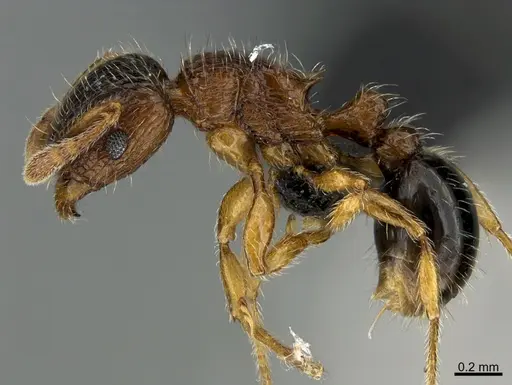
CASENT0178421
Ver no AntWeb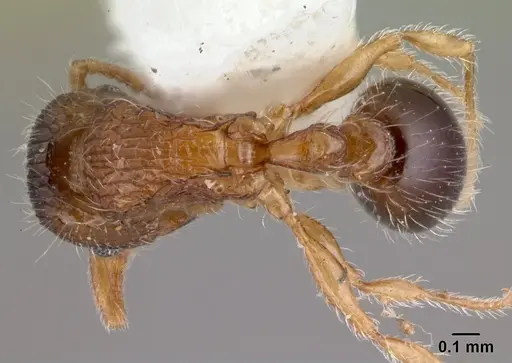
CASENT0901108
Ver no AntWeb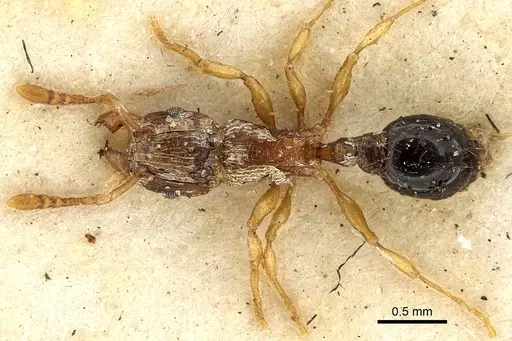
CASENT0909118
Ver no AntWeb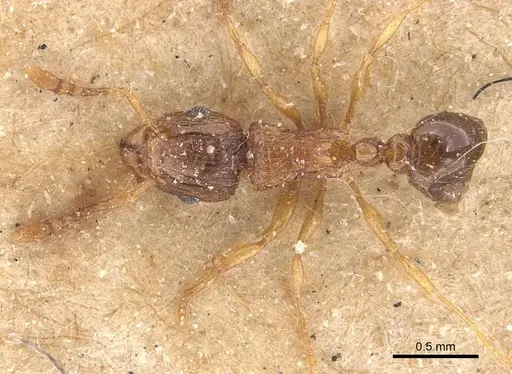
CASENT0909189
Ver no AntWeb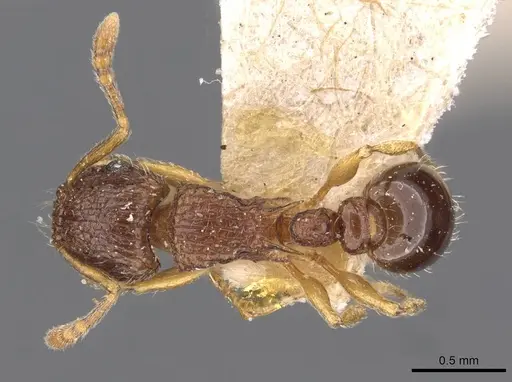
CASENT0919654
Ver no AntWeb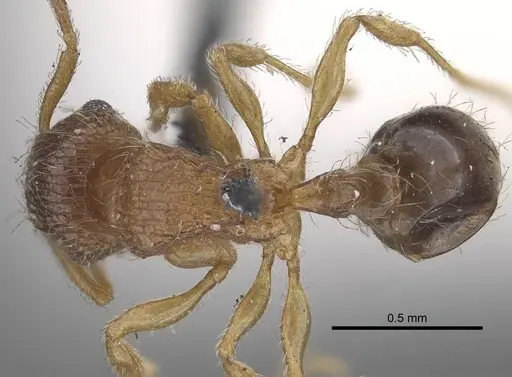
Literatura
Carregando mapa de distribuição...Carregando produtos...