
Tetramorium postpetiolatum
- Nome científico
- Tetramorium postpetiolatum
- Tribo
- Crematogastrini
- Subfamília
- Myrmicinae
- Autor
- Santschi, 1919
- Distribuição
- Encontrada em 2 países
Introdução
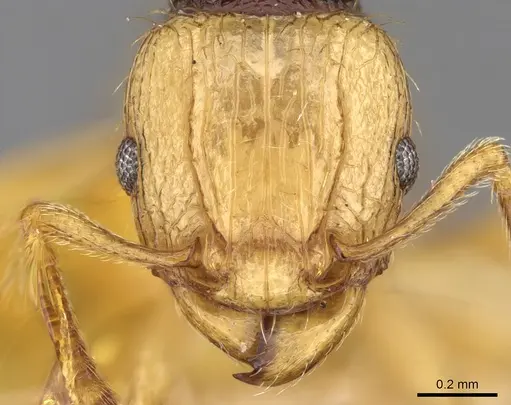
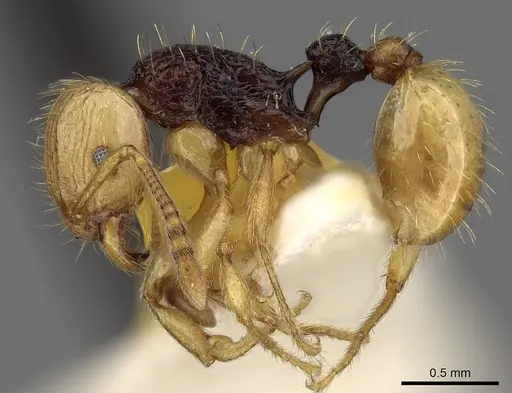
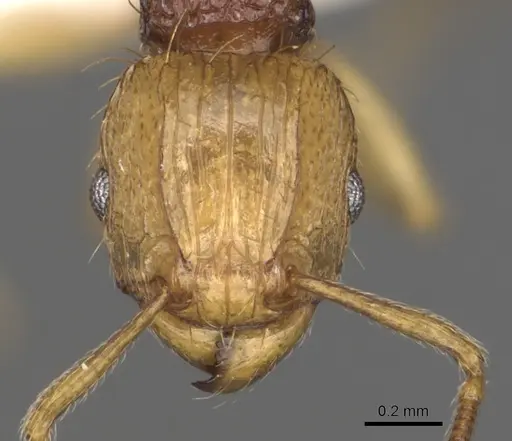
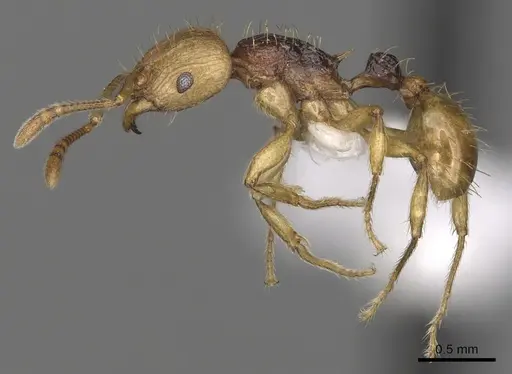
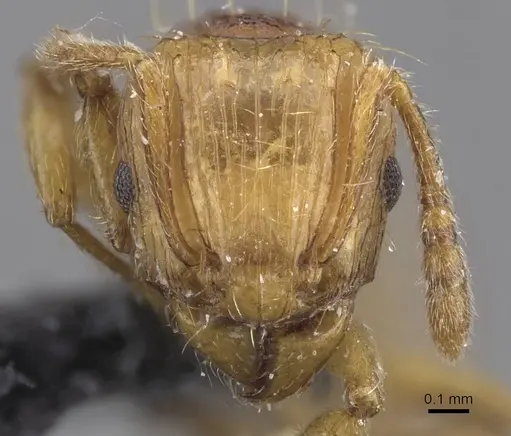
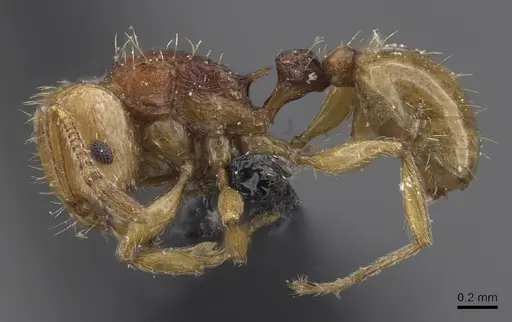
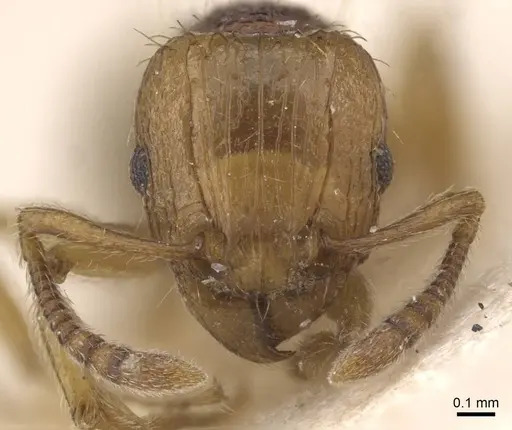
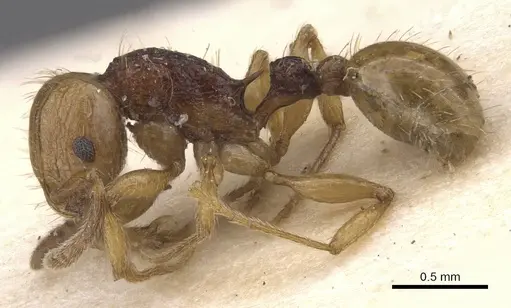
Tetramorium postpetiolatum is a small Myrmicinae ant from the rainforests of Central Africa, known from the Democratic Republic of Congo, Gabon, and Uganda . Workers are 3.2–3.4 mm long and have a striking two-tone pattern: the head, gaster, and legs are yellow, while the middle body (alitrunk) is dark brown – this sharp contrast makes them easy to recognize . They live in wet forests, nesting in dead downed wood and in the ground, and forage on the leaf litter surface . This species is very similar to Tetramorium coloreum; you can tell them apart by checking the postpetiole disc (unsculptured in T. postpetiolatum, finely ridged in T. coloreum), the first gaster segment (unsculptured base here, sculptured in T. coloreum), and the mandibles (smooth here, distinctly striate in T. coloreum) .
Quick Summary
- Difficulty: Medium
- Origin & Habitat: Wet forests of Central Africa – Democratic Republic of Congo, Gabon, and Uganda [1][2]. They nest in dead wood and soil within leaf litter on the forest floor.
- Colony Type: Single-queen (monogyne) colonies based on typical Tetramorium patterns, though this is unconfirmed for this species.
- Size & Growth:
- Queen: Size data unavailable – queens have not been measured in the available literature.
- Worker: 3.2–3.4 mm [1]
- Colony: Unknown – likely several hundred workers based on genus patterns (no data for this species).
- Growth: Moderate
- Development: 6–8 weeks (estimated based on related Tetramorium species, actual timing unknown for this species) (Development time is estimated from related Tetramorium species – actual timing may vary.)
- Antkeeping:
- Temperature: Keep at 24–28 °C consistently – these are tropical forest ants that need steady warmth. A heating cable on one side of the nest creates a gentle gradient [1].
- Humidity: High humidity – keep the nest substrate damp (like a wrung-out sponge) but not waterlogged. These ants naturally live in moist forest floor environments [1].
- Diapause: No – this tropical species does not require hibernation. Keep temperatures stable year-round [1].
- Nesting: They naturally nest in dead wood and soil [1]. In captivity, Y‑tong (AAC), plaster, or naturalistic setups with damp soil and rotting wood work well.
- Behavior: Workers are active ground-foragers. They are not aggressive and will usually flee rather than fight. Like other members of the tribe Crematogastrini, their sting is modified to smear venom rather than pierce. Their small size (3.2 mm) means escape prevention is important – use fine mesh and tight lids. They are poor climbers on smooth surfaces.
- Common Issues: tropical species suffer if temperatures drop below 22°C – keep them warm., small size makes escape prevention critical – they can squeeze through standard gaps., dry conditions stress these humidity-dependent ants – keep the nest moist., wild-caught colonies may have parasites from their native range., colony founding may be slow – be patient and avoid disturbance.
Temperature and Heating
As a tropical wet forest species, Tetramorium postpetiolatum needs warm conditions to thrive. Keep the nest area at 24–28 °C consistently [1]. These ants are used to stable temperatures in their native rainforest habitat, so avoid drafts and sudden changes. A small heating cable placed on one side of the nest creates a gradient that lets the ants choose their preferred spot. If your room stays in this range naturally, that's perfect – just monitor during cooler months. Temperatures below 22 °C can slow activity and may stress the colony, while anything above 32 °C risks overheating the small nest chambers.
Humidity and Water
High humidity is essential for this species. They naturally live in damp forest floor environments where leaf litter stays moist [1]. Aim for 70–80% humidity in the nest area. Keep the substrate consistently damp but not sitting in standing water – think of a wrung-out sponge rather than a flooded tube. Rehydrate when the surface starts drying out, and check more often in summer or with heating. A water reservoir connected to the nest (like in many formicarium designs) helps maintain stable humidity. Misting the outworld occasionally also helps, but avoid directly spraying the nest entrance as sudden moisture changes can disturb the colony.
Feeding and Diet
Like most Tetramorium species, these ants are omnivorous. Offer protein sources such as small insects (fruit flies, small mealworms, crickets) and protein jellies. They also need carbohydrates – a drop of sugar water, honey, or diluted honey water should be available at all times. In the wild they forage for small invertebrates and likely tend aphids for honeydew. Feed every 2–3 days, removing uneaten prey after 24 hours to prevent mold. A well-fed colony will have workers with plump abdomens, while hungry colonies will be more active at feeding times.
Nest Setup and Housing
In captivity, these ants do well in Y‑tong (AAC) nests, plaster nests, or naturalistic setups. The key is providing damp substrate that holds moisture without drying out too quickly. A naturalistic setup with a layer of moist soil or sand and pieces of rotting wood mimics their natural habitat [1]. If using a test tube setup for founding colonies, keep it in a humid enclosure like a plastic bin with damp substrate. The nest chambers should be sized appropriately for their small workers – tight spaces help them feel secure. The outworld can be simple with a foraging area and access to water.
Colony Founding and Growth
Founding method is unconfirmed for this species. Based on typical Myrmicinae patterns, queens may seal themselves in a chamber and raise their first brood without foraging, but we don't know for sure. If they are claustral, the queen will use stored reserves until the first nanitic workers appear. This process is estimated to take 6–8 weeks under optimal conditions, but actual timing is unknown. Once the first workers emerge, the colony enters a slow growth phase. Expect the colony to remain small (under 50 workers) for the first year. Growthis moderate – a mature colony may reach several hundred workers over 2–3 years. Patience is key with this species.
Behavior and Temperament
Workers are active ground-foragers that search individually for food. They are not aggressive and typically ignore other ants unless threatened [1]. Like other members of the tribe Crematogastrini, their sting is modified to smear venom rather than pierce – but they are docile and would rather flee. Their small size means they are not a stinging concern. They are not strong climbers, which makes escape prevention easier on smooth surfaces, but their tiny size means they can still slip through fine gaps. Watch for workers exploring the outworld and carrying food back to the nest. They establish clear foraging trails once they find reliable food sources.
Frequently Asked Questions
How long does it take for Tetramorium postpetiolatum to produce first workers?
The exact timing is unknown, but based on related Tetramorium species, you might expect 6–8 weeks from egg to first worker at optimal temperature (24–28 °C). The founding method is unconfirmed, but if the queen is claustral she may take 2–3 months before the first workers appear. Patience is essential – avoid disturbing the queen during founding.
What temperature do Tetramorium postpetiolatum ants need?
Keep them at 24–28 °C consistently [1]. These are tropical forest ants that need warmth year-round. A heating cable on one side of the nest creates a gradient. Avoid temperatures below 22 °C as this can stress the colony.
Do Tetramorium postpetiolatum ants need hibernation?
No – this is a tropical species from Central African rainforests [1]. They do not require diapause or hibernation. Keep temperatures stable throughout the year and avoid letting the nest cool down in winter.
How big do Tetramorium postpetiolatum colonies get?
There is no published data on colony size for this species. Based on typical Tetramorium patterns, colonies likely reach several hundred workers over 2–3 years. Growth is moderate – expect the colony to stay small (under 50 workers) for the first year.
Can I keep multiple Tetramorium postpetiolatum queens together?
This species appears to be monogyne (single-queen) based on typical Tetramorium patterns, but it is unconfirmed. Combining unrelated queens is not recommended as they would likely fight. If you catch a founding queen, house her alone until her colony is established.
What do Tetramorium postpetiolatum ants eat?
They are omnivorous. Offer small insects (fruit flies, small mealworms, crickets) for protein, and keep sugar water, honey, or diluted honey water available at all times. Feed every 2–3 days and remove uneaten prey after 24 hours.
Are Tetramorium postpetiolatum ants good for beginners?
This is a medium-difficulty species. They are not the easiest choice for complete beginners because they require warm, humid tropical conditions year-round. However, they are not aggressive and their care is straightforward once temperature and humidity requirements are met. If you can maintain stable warmth, they make interesting pets.
Do Tetramorium postpetiolatum ants sting?
Like other Myrmicinae, they have a stinger, but it is modified to smear venom rather than pierce (a common trait in the tribe Crematogastrini). They are docile and unlikely to sting – they will generally flee when disturbed. The sting, if it occurs, would be very mild due to their small size.
What size are Tetramorium postpetiolatum workers?
Workers are tiny at just 3.2–3.4 mm [1]. This small size means escape prevention is important – they can squeeze through standard gaps. Use fine mesh and check for any small openings in your setup.
When should I move my Tetramorium postpetiolatum colony to a formicarium?
Wait until the colony is well-established – typically after the first several dozen workers have emerged. Test tube setups work well for founding colonies. A Y‑tong or plaster nest with damp substrate is ideal once the colony is growing well.
Where is Tetramorium postpetiolatum found in the wild?
This species lives in the rainforests of Central Africa – specifically the Democratic Republic of Congo, Gabon, and Uganda [1][2]. They nest in dead wood and soil within leaf litter on the wet forest floor.
Why is my Tetramorium postpetiolatum colony dying?
The most common causes are: temperatures below 22 °C (tropical species suffer in cool conditions), dry humidity (they need damp substrate), or stress from disturbance during founding. Check that your heating is adequate, the substrate stays moist, and the queen is not being disturbed. Wild-caught colonies may also carry parasites.
Report an Issue
The current care sheet is based fully on literature. See inconsistencies, or something that's incorrect? Please , it will be resolved after review from an admin. Contributing to the blogs tab also helps providing information, to make us be able to further improve the caresheets. Thank you for your support!
References

Este guia de cuidados está sob a licença CC BY-SA 4.0 .
Posts da comunidade
CASENT0280912
Ver no AntWeb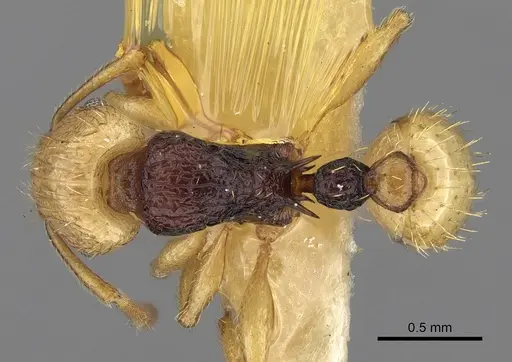
CASENT0316982
Ver no AntWeb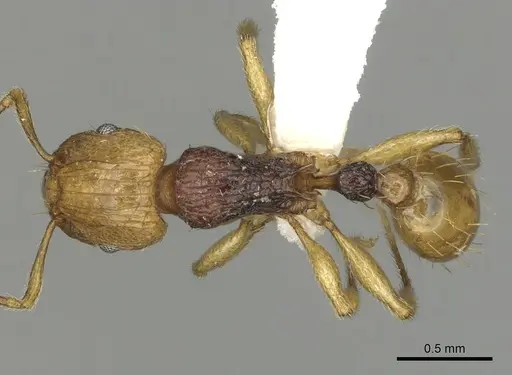
CASENT0363842
Ver no AntWeb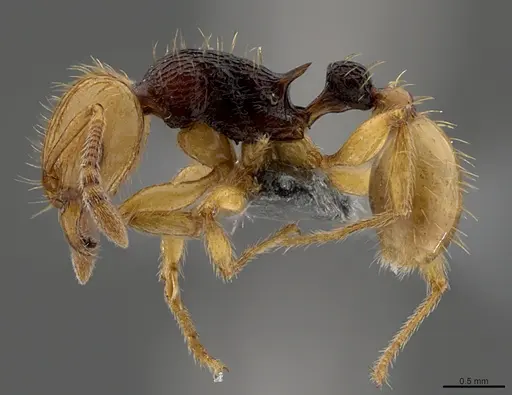
CASENT0915039
Ver no AntWeb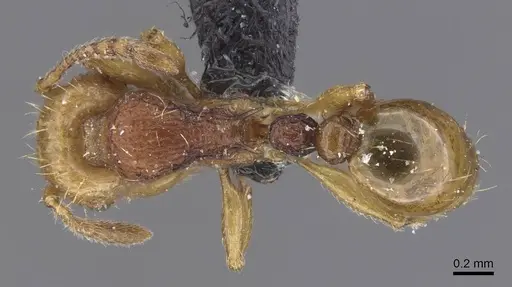
RMCAENT000017790
Ver no AntWeb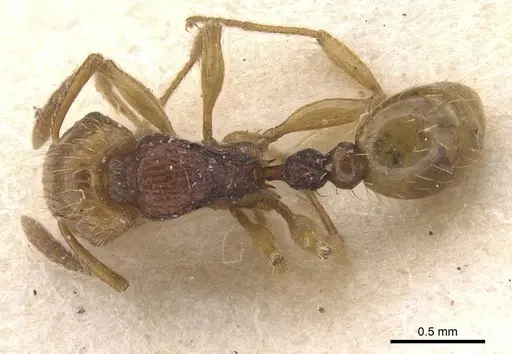
Literatura
Carregando mapa de distribuição...Carregando produtos...