
Tetramorium mkomazi
- Nome científico
- Tetramorium mkomazi
- Tribo
- Crematogastrini
- Subfamília
- Myrmicinae
- Autor
- Hita Garcia <i>et al.</i>, 2010
- Distribuição
- Encontrada em 0 países
Introdução
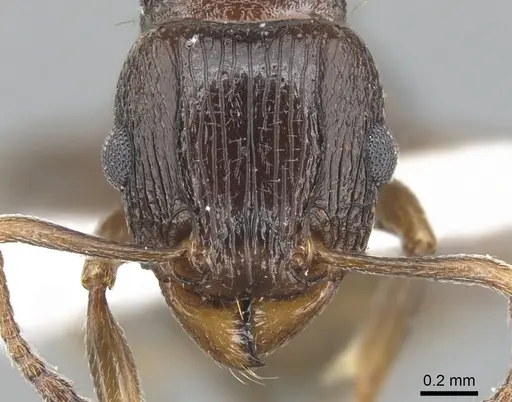
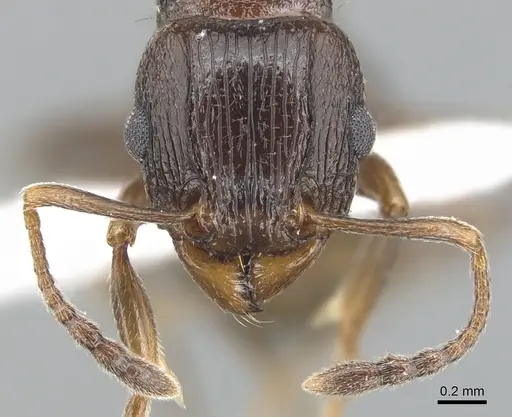
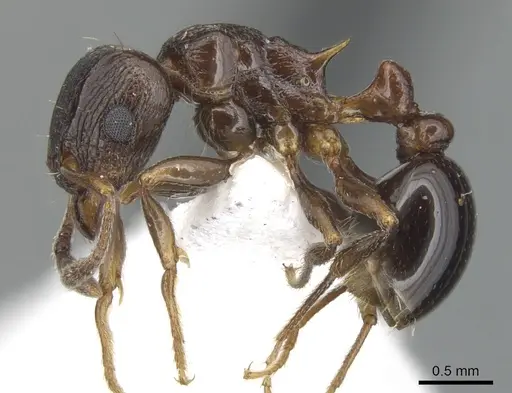
Tetramorium mkomazi is a medium-sized ant species belonging to the Tetramorium weitzeckeri species group, specifically the edouardi complex. Workers are uniformly dark brown and are the largest species in their whole species group . Unlike most related Tetramorium, they have no standing hairs on the mesosoma, petiole, postpetiole, and first gastral tergite - a key feature that makes them directly recognizable within the edouardi complex . The species was described in 2010 and is known from only a few localities in northern Tanzania, including Mkomazi Game Reserve and the Amani Hills . This species was found nesting in burnt savanna on slopes, with nest entrances appearing as small prominences about 5 cm high, likely made from termite soil . As a tropical African species from Tanzania, it likely experiences warm temperatures year-round and does not need hibernation. The weitzeckeri group is widespread across East Africa, with many species adapted to savanna and forest edge habitats.
Quick Summary
- Difficulty: Medium
- Origin & Habitat: Northern Tanzania, Mkomazi Game Reserve and Amani Hills. Found in burnt savanna on slopes, nesting in small soil prominences (likely constructed by termites) [1].
- Colony Type: Single-queen colonies (monogyne), typical for Tetramorium species in the weitzeckeri group (inferred), colony structure not directly studied.
- Size & Growth:
- Queen: Undescribed, queens have not been documented in scientific literature
- Worker: Total length not documented, workers are among the largest in the Tetramorium weitzeckeri species group [1]
- Colony: Not documented, based on related species, colonies likely reach a few hundred workers (inferred)
- Growth: Moderate, inferred from related species in the weitzeckeri group
- Development: Estimated 6-8 weeks at optimal temperature based on genus-level Tetramorium development patterns (Direct development data unavailable for this species, estimates based on typical Tetramorium patterns at tropical temperatures)
- Antkeeping:
- Temperature: Keep at 24-28°C year-round, this is a tropical species from warm Tanzania [1]. Use a heating cable on one side to create a gradient.
- Humidity: Moderate, keep the nest substrate slightly damp but not waterlogged. Provide a moisture gradient, allow part of the nest to dry between rehydrations.
- Diapause: No, as a tropical species from Tanzania, maintain warm temperatures year-round. No hibernation needed.
- Nesting: Ground-nesting species. Test tubes work for founding, later use Y-tong (AAC), plaster, or soil nests. Provide a moisture chamber and keep the nest area humid.
- Behavior: Workers are active foragers, typical of Tetramorium. They recruit nestmates to food via chemical trails. Not particularly aggressive but will defend the nest. As members of the Crematogastrini tribe, they use a modified stinger to smear venom onto enemies (smear defense) rather than stinging, this is not dangerous to humans. Medium escape risk, standard barriers work, but they can squeeze through small gaps.
- Common Issues: limited data means care requirements are partly inferred from related species, monitor your colony and adjust conditions as needed, tropical temperature requirements mean you need reliable heating in cooler climates, wild-caught colonies may carry parasites or pathogens, quarantine and observe new colonies, medium escape risk, use standard barriers but no need for fine mesh like with tiny ants, species is newly described and rarely available in the antkeeping hobby
Housing and Nest Setup
Tetramorium mkomazi is a ground-nesting species that will readily accept standard antkeeping setups. Test tubes work well for founding colonies, use a water reservoir at one end with a cotton plug to maintain humidity. Once the colony reaches about 20-30 workers, you can move them to a Y-tong (AAC) nest or a plaster/naturalistic setup. Since they're from Tanzania, they prefer warm and slightly humid conditions. A nest with a built-in water chamber or moisture reservoir helps maintain appropriate humidity levels. Provide an outworld for foraging with a connection to the nest area. Escape prevention is important but not extreme, standard barriers work well for medium-sized ants. [1]
Feeding and Diet
Like other Tetramorium species, T. mkomazi is omnivorous and accepts a varied diet. Offer sugar sources such as sugar water, honey, or ripe fruit regularly, these ants likely forage for honeydew in the wild. For protein, provide small insects like fruit flies, small mealworms, or crickets. Feed protein 2-3 times per week, and keep sugar available constantly. They are active foragers and will quickly discover food in the outworld. Remove uneaten prey after 24-48 hours to prevent mold. Based on their position in the weitzeckeri species group and savanna habitat, they likely have a typical Tetramorium diet. [3]
Temperature and Seasonal Care
As a tropical species from Tanzania, T. mkomazi requires warm temperatures year-round. Keep the nest area at 24-28°C for optimal brood development. A heating cable placed on one side of the nest creates a temperature gradient, letting ants choose their preferred spot. Avoid temperatures below 22°C for extended periods, this species is not adapted to cool conditions. Unlike temperate species, they do not require hibernation or diapause. Maintain consistent warmth throughout the year. If your room temperature is below 24°C, use a small heat mat or heating cable. Sudden temperature drops can stress colonies and slow or stop brood development. [1]
Humidity and Water Needs
This species comes from a savanna environment in Tanzania, suggesting moderate humidity tolerance. Keep the nest substrate slightly damp, it should feel moist to the touch but not be dripping wet. Allow part of the nest to dry out slightly between rehydrations to prevent mold. A humidity gradient works well: keep one area more moist while leaving another drier. Mist the outworld occasionally, especially if you notice workers clustering near moisture. The nest's water reservoir (in test tube setups) or moisture chamber (in formicaria) should be refilled when it runs low. Good ventilation helps prevent stagnant air and mold while maintaining appropriate humidity. [1]
Colony Development and Growth
Tetramorium mkomazi colonies grow at a moderate pace typical of the genus. Founding behavior is not directly documented, but like most Tetramorium, the queen likely founds independently without worker help. After mating, she seals herself in a chamber and lays eggs, relying on stored fat reserves to raise the first brood. First workers (nanitics) typically emerge after 6-8 weeks at optimal temperature (around 26°C). These initial workers are smaller than mature workers but will immediately begin foraging to support the colony. Growth rate depends on temperature, feeding frequency, and colony health. Expect the colony to reach 50-100 workers within the first year under good conditions. Mature colonies likely reach several hundred workers based on typical Tetramorium colony sizes. [1]
Behavior and Temperament
Workers of T. mkomazi are active foragers with typical Tetramorium behavior. They are not particularly aggressive toward humans but will defend their nest vigorously if threatened. Workers communicate through chemical trails and quickly recruit nestmates to food sources. They are not known for unusual social behaviors like slave-making or temporary parasitism. Workers are medium-sized and can squeeze through small gaps, so use appropriate barriers. As members of the Crematogastrini tribe, they use a modified stinger to smear venom onto enemies (smear defense) rather than piercing, this is not dangerous to humans but can be irritating. Overall, they are manageable ants suitable for intermediate keepers who can maintain warm, humid conditions. [1]
Frequently Asked Questions
How long does it take for Tetramorium mkomazi to produce first workers?
Expect first workers (nanitics) to emerge after 6-8 weeks at optimal temperature (around 26°C). This is based on typical Tetramorium development patterns since specific data for this species is not available. The queen raises the first brood alone using stored reserves. [1]
What temperature do Tetramorium mkomazi ants need?
Keep them at 24-28°C year-round. This tropical species from Tanzania does not tolerate cool temperatures. Use a heating cable or heat mat if your room temperature falls below this range. Consistent warmth is important for brood development and colony activity. [1]
Do Tetramorium mkomazi ants need hibernation?
No, they do not require hibernation. As a tropical species from Tanzania, they need warm temperatures year-round. Unlike temperate species that enter diapause during winter, T. mkomazi remains active when kept warm throughout the year. [1]
Can I keep multiple Tetramorium mkomazi queens together?
This species is likely monogyne (single-queen colonies), which is typical for the Tetramorium weitzeckeri species group. Combining unrelated queens is not recommended as they would likely fight. If you obtain a colony, assume it has one reproductive queen. [1]
What do Tetramorium mkomazi ants eat?
They are omnivorous like other Tetramorium species. Offer sugar sources (sugar water, honey, fruit) constantly for energy, and protein sources (small insects like fruit flies, mealworms, crickets) 2-3 times per week. They are active foragers and will quickly recruit to food. [3]
How big do Tetramorium mkomazi colonies get?
Colony size is not directly documented, but based on related species in the weitzeckeri group, colonies likely reach several hundred workers. Workers are the largest in their species group. [1]
Are Tetramorium mkomazi ants good for beginners?
They are rated as medium difficulty. You need to maintain warm temperatures year-round (24-28°C) and moderate humidity. The main challenge is providing consistent tropical conditions. If you can meet their temperature requirements and have experience with at least one previous ant species, they are manageable. [1]
Do Tetramorium mkomazi ants sting?
They belong to the Crematogastrini tribe, which uses a modified stinger to smear venom onto enemies rather than stinging. This 'smear' defense is not considered medically significant to humans, you may feel a mild irritation if they bite or smear venom, but it is not dangerous.
When should I move my Tetramorium mkomazi colony to a formicarium?
Keep founding colonies in test tubes until they have 20-30 workers. At that point, you can move them to a Y-tong (AAC) nest, plaster nest, or naturalistic setup. Make sure the new enclosure maintains appropriate humidity and has a connection to an outworld for foraging. (General antkeeping practice.)
Why is my Tetramorium mkomazi colony not growing?
Check temperature first, they need 24-28°C for proper development. Also verify humidity is adequate (nest should be slightly damp) and that you're offering enough protein. Poor nutrition, cool temperatures, or excessive disturbance can all slow growth. Wild-caught colonies may also carry parasites that affect health. [1]
Report an Issue
The current care sheet is based fully on literature. See inconsistencies, or something that's incorrect? Please , it will be resolved after review from an admin. Contributing to the blogs tab also helps providing information, to make us be able to further improve the caresheets. Thank you for your support!
References

Este guia de cuidados está sob a licença CC BY-SA 4.0 .
Posts da comunidade
CASENT0098010
Ver no AntWeb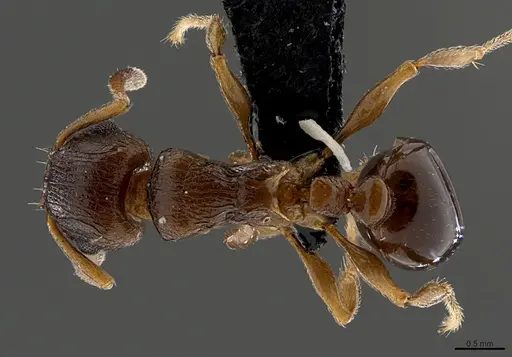
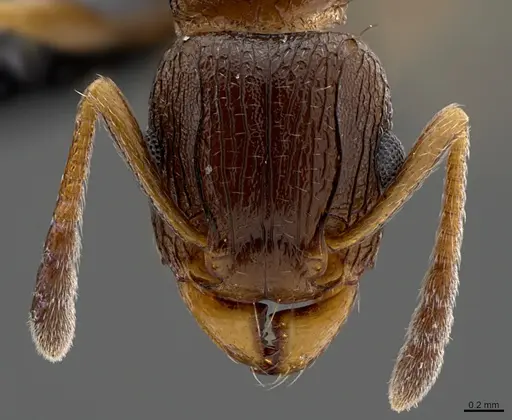
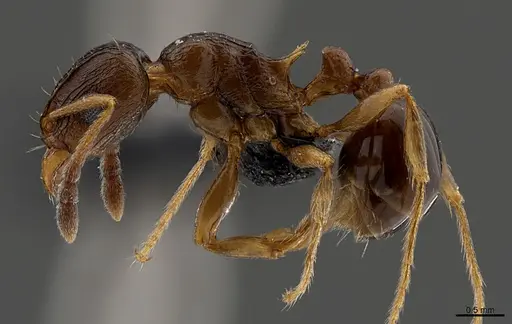
ZFMKHYM20096087
Ver no AntWeb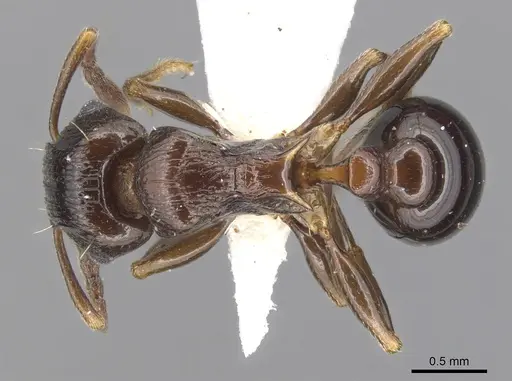
Literatura
Carregando mapa de distribuição...Carregando produtos...