
Tetramorium inglebyi
- Nome científico
- Tetramorium inglebyi
- Tribo
- Crematogastrini
- Subfamília
- Myrmicinae
- Autor
- Forel, 1902
- Distribuição
- Encontrada em 1 países
Introdução
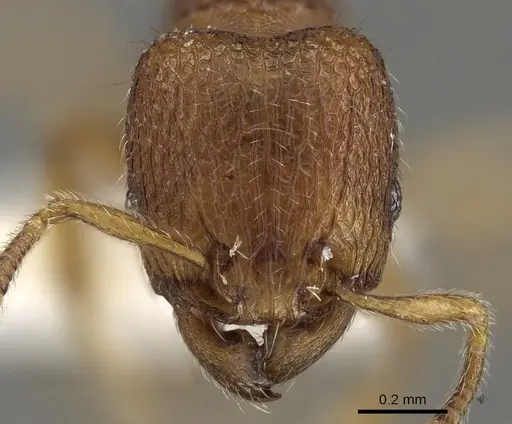
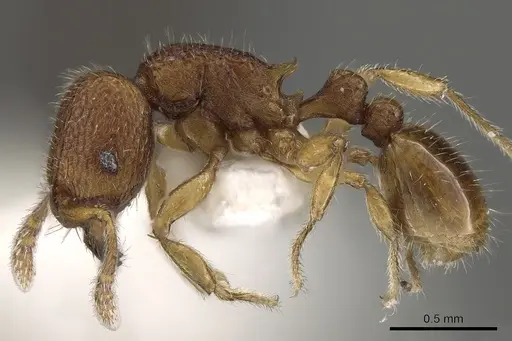
Tetramorium inglebyi is a small yellow-brown ant from the Myrmicinae subfamily. Workers measure about 2.8 mm in total length and have very short frontal carinae, small eyes, and short propodeal spines that curve upward at the tips . It belongs to the Tetramorium inglebyi species group and is endemic to India, where it has been recorded across Goa, Gujarat, Karnataka, Kerala, Maharashtra, Tamil Nadu, and West Bengal . Very little is known about its biology - only that one collection came from evergreen forest . In southern Vietnam, it appears to be a habitat specialist of secondary forests and Lagerstroemia forests on basalt soils, with a relative abundance of about 3.9% among underground‑feeding ant communities .
Quick Summary
- Difficulty: Medium
- Origin & Habitat: Endemic to India, found in evergreen forest and secondary forest habitats [1][4][5]
- Colony Type: Colony structure is unconfirmed, no research has yet documented queen number or colony organization for this species
- Size & Growth:
- Queen: Undescribed in literature, estimated 5-7 mm based on genus patterns (inferred)
- Worker: 2.8 mm (TL) [1]
- Colony: Unknown, no colony size data available
- Growth: Unknown, no development data available for this species
- Development: 6-10 weeks (estimated from related Tetramorium species) (Species‑specific development time has not been documented)
- Antkeeping:
- Temperature: Keep at 22-26°C, based on the tropical/subtropical climate of their native Indian range. A slight gradient is ideal
- Humidity: Moderate to high, they inhabit forest environments. Keep the nest substrate moist but not waterlogged, with some drier areas available
- Diapause: Unlikely, as a tropical/subtropical species from India, true diapause is probably not required. A slight temperature reduction to 20-22°C during winter months may be beneficial
- Nesting: Standard test tubes or small formicaria work for founding. Soil‑based nests likely mirror their forest‑floor habitat best. A naturalistic setup with moist substrate is recommended
- Behavior: Behavior is poorly documented. As a small Tetramorium species, they are likely relatively docile and non‑aggressive. They probably forage on the ground and may tend aphids for honeydew. Their small size (2.8 mm workers) means escape prevention is important, they can slip through tiny gaps. As a member of Myrmicinae (tribe Crematogastrini), their defense mechanism is smearing venom onto enemies using a modified, flattened spatulate stinger, rather than piercing.
- Common Issues: limited biological data makes precise care recommendations difficult, keepers may need to experiment with conditions, small size means escapes are possible without proper barriers, founding behavior is unknown, whether they are claustral or semi‑claustral is not confirmed, wild‑caught colonies may carry parasites that are not well‑documented for this species, humidity requirements are inferred rather than confirmed, monitor colony response
Origin and Distribution
Tetramorium inglebyi is endemic to India, it is not found naturally anywhere else [3]. The species has been recorded across many Indian states: Goa, Gujarat, Karnataka, Kerala, Maharashtra, Tamil Nadu, and West Bengal [2]. Older reports from Borneo and Yunnan, China are now considered unreliable [1]. In its native habitat it prefers secondary forests, studies in Vietnam found it only in secondary forest and in Lagerstroemia forests on basalt soils, not in primary forest or rubber plantations [4][5].
Identification and Appearance
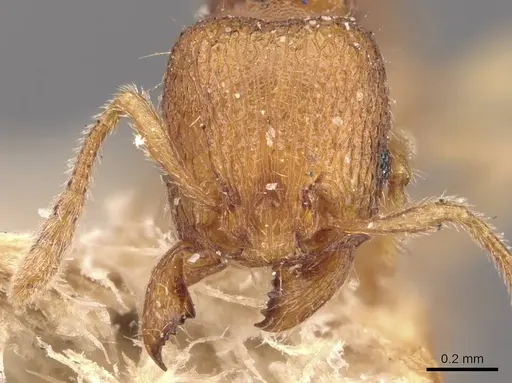
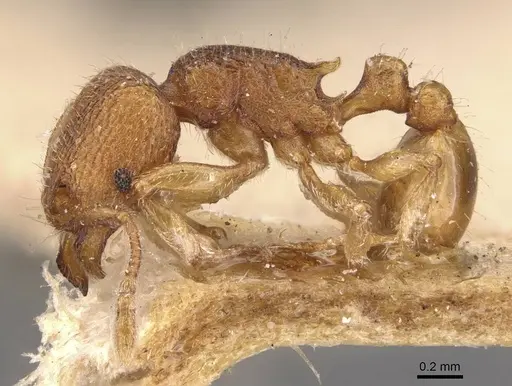
Workers of Tetramorium inglebyi are small, with a total length of about 2.8 mm [1]. Their color is uniform yellow‑brown. They are easily recognized by several features: very short frontal carinae that do not reach the level of the eyes, small eyes, and short, stout propodeal spines that abruptly curve upward at the tips. The clypeus is strongly down‑curved in the front half, and the petiole node is about as long as wide when viewed from above. This species belongs to the Tetramorium inglebyi group, which has eyes larger than the maximum width of the antennal scapes [3][6]. Its closest relative, Tetramorium myops, differs by having eyes reduced to a single facet.
Housing and Nesting
For keeping Tetramorium inglebyi in captivity, a standard test‑tube setup works well for founding colonies. Given their small size and forest‑floor habitat, a naturalistic nest with moist soil‑based substrate will best mimic their natural conditions. The nest should maintain moderate to high humidity, think damp forest floor, not dry. Since their biology is poorly documented, watch your colony’s behavior and adjust accordingly: if workers cluster near moisture, increase humidity, if they avoid wet areas, provide more drying options. Use tight‑fitting lids and consider barrier methods like fluon, as their small 2.8 mm workers can escape through tiny gaps that larger ants could not.
Feeding and Diet
Like most Tetramorium, T. inglebyi is probably omnivorous. They likely feed on small insects, arthropods, and may tend aphids for honeydew. In captivity, offer a varied diet: small protein sources like fruit flies, pinhead crickets, or other tiny arthropods 2-3 times per week. Keep a sugar source (honey water or sugar water) available at all times. Remove uneaten food after 24-48 hours to prevent mold. Because this species is not well studied, acceptance of different foods may vary, feel free to experiment with different protein and sugar sources.
Temperature and Seasonal Care
Based on their native range in tropical and subtropical India, T. inglebyi prefers warm conditions. Keep the nest area at about 22-26°C with a slight gradient so workers can choose their preferred temperature. Avoid temperatures below 18°C. A heating cable or mat on one side of the nest can help, but ensure part of the nest stays unheated so ants can escape excessive heat. True diapause is unlikely given their tropical distribution, but a slight reduction to 20-22°C during winter may simulate natural seasonal changes without inducing full hibernation.
Behavior and Temperament
The behavior of Tetramorium inglebyi has not been extensively studied in the wild or in captivity. As a small Tetramorium, they are likely relatively docile and not particularly aggressive toward humans or other colonies. They probably forage on the ground, hunting small arthropods and scavenging. Being in the Myrmicinae subfamily (tribe Crematogastrini), they have a functional stinger but use it in a specialized way: they smear venom onto enemies with a flattened, spatulate tip rather than piercing. Their small size (2.8 mm) means they are not intimidating, but escape prevention is still important, they can squeeze through very small gaps.
Frequently Asked Questions
How long does it take for Tetramorium inglebyi to produce first workers?
The specific development time for T. inglebyi has not been documented. Based on typical Tetramorium genus patterns, expect approximately 6-10 weeks from egg to first worker at optimal temperatures. This is an estimate since no species‑specific data exists.
What do Tetramorium inglebyi ants eat?
While not directly studied for this species, Tetramorium ants are typically omnivorous. Offer small protein sources like fruit flies, pinhead crickets, or other tiny arthropods 2-3 times per week. Keep a sugar source like honey water or sugar water available at all times. They likely also consume honeydew from aphids in the wild.
Do Tetramorium inglebyi ants sting?
Yes, being in the Myrmicinae subfamily (tribe Crematogastrini), they have a functional stinger. However, they use it by smearing venom rather than piercing, and given their very small size (2.8 mm), any sting would be minimal and unlikely to cause more than mild irritation. They are not dangerous to humans.
What temperature should I keep Tetramorium inglebyi at?
Keep them at 22-26°C based on their native tropical/subtropical habitat in India. A slight gradient allowing workers to choose their preferred temperature is ideal. Avoid temperatures below 18°C.
Are Tetramorium inglebyi good for beginners?
This species is rated as Medium difficulty. While not the most challenging ant to keep, the lack of documented biological information means keepers may need to experiment with conditions. Their small size also requires careful escape prevention. Beginners interested in this species should be prepared for some trial and error.
How big do Tetramorium inglebyi colonies get?
Colony size data is not available for this species. Based on typical Tetramorium patterns and their small worker size, colonies likely reach several hundred workers at maximum, but this is an estimate.
Do Tetramorium inglebyi need hibernation?
True diapause is unlikely given their tropical distribution in India. A slight temperature reduction during winter months (to around 20-22°C) may be beneficial, but full hibernation is not required.
Can I keep multiple Tetramorium inglebyi queens together?
The colony structure of this species has not been documented. No research exists on whether they are monogyne (single queen) or polygyne (multiple queens). Until more information is available, it is not recommended to combine unrelated queens.
What humidity do Tetramorium inglebyi require?
Moderate to high humidity is recommended, reflecting their evergreen forest habitat. Keep the nest substrate moist but not waterlogged, with some drier areas available for ants to choose. Monitor your colony’s behavior to find the right balance.
Where is Tetramorium inglebyi found in the wild?
This species is endemic to India, found in states including Goa, Gujarat, Karnataka, Kerala, Maharashtra, Tamil Nadu, and West Bengal. They inhabit secondary forests and evergreen forest areas, with a preference for specific soil conditions in Lagerstroemia forests.
Report an Issue
The current care sheet is based fully on literature. See inconsistencies, or something that's incorrect? Please , it will be resolved after review from an admin. Contributing to the blogs tab also helps providing information, to make us be able to further improve the caresheets. Thank you for your support!
References

Este guia de cuidados está sob a licença CC BY-SA 4.0 .
Posts da comunidade
CASENT0280897
Ver no AntWeb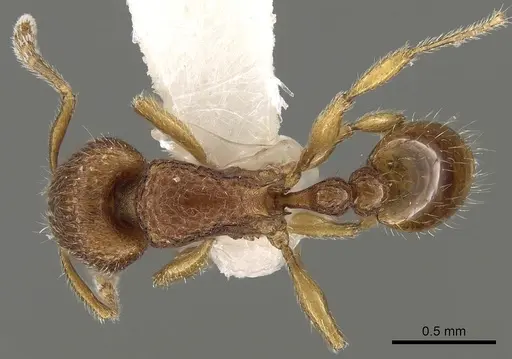
CASENT0909169
Ver no AntWeb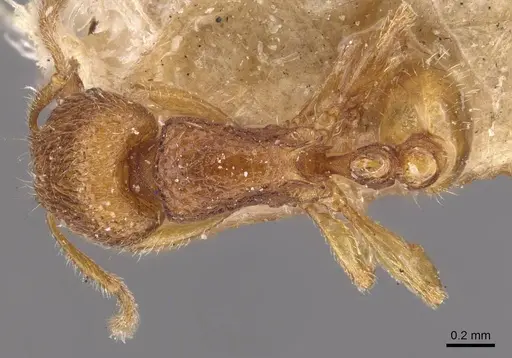
Literatura
Carregando mapa de distribuição...Carregando produtos...