
Tetramorium imbelle
- Nome científico
- Tetramorium imbelle
- Tribo
- Crematogastrini
- Subfamília
- Myrmicinae
- Autor
- Emery, 1915
- Distribuição
- Encontrada em 0 países
Introdução
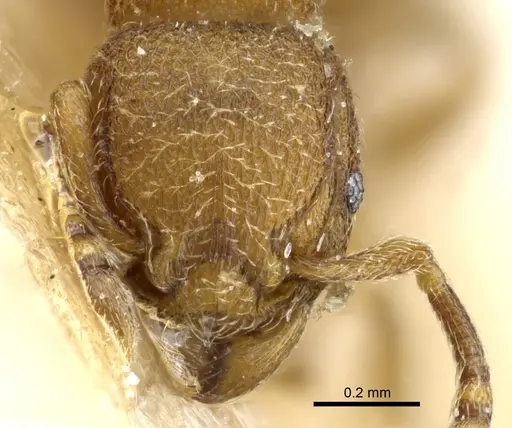
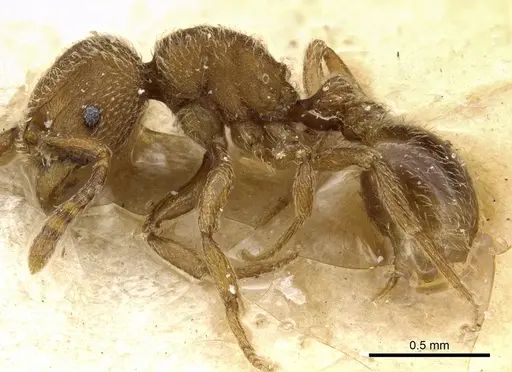
Tetramorium imbelle is a small ant species from the Horn of Africa, recorded in Ethiopia and Eritrea . It was first described in 1915 as Triglyphothrix imbellis, then moved to Tetramorium in 1985 . Workers are typical of the genus - small, with 12-segmented antennae and a two-segmented waist. Like other Myrmicinae, they have a functional stinger, but they use a smear defense: a flattened stinger that spreads venom rather than stinging directly. They likely nest in soil or under stones in dry, semi-arid habitats .
Quick Summary
- Difficulty: Easy
- Origin & Habitat: Horn of Africa (Ethiopia and Eritrea), dry to semi-arid tropical regions [1][2]
- Colony Type: Based on typical Tetramorium patterns, likely single-queen colonies (monogyne), but this is unconfirmed for T. imbelle.
- Size & Growth:
- Queen: ~4-6 mm, inferred from Tetramorium genus patterns
- Worker: ~2-4 mm, inferred from Tetramorium genus patterns
- Colony: Likely up to several hundred workers, inferred from related species
- Growth: Moderate, estimated
- Development: Estimated 6-10 weeks at optimal temperature, based on typical Tetramorium development, specific data unavailable (Development time depends heavily on temperature and feeding.)
- Antkeeping:
- Temperature: Warm conditions year-round, likely 22-26°C. As tropical ants, they need stable warmth and no cold drafts. Avoid prolonged temperatures above 30°C.
- Humidity: Moderate, keep nest substrate slightly moist but not wet. These ants come from dry regions, so allow some drying between waterings. Provide a gradient: a moist area and a drier area.
- Diapause: No, tropical species, no hibernation needed. Keep warm throughout the year.
- Nesting: Y-tong (AAC), plaster, or test tube setups work well. Also naturalistic setups with dry-to-moderately moist soil. Escape prevention is critical due to tiny size.
- Behavior: Generally peaceful and not aggressive toward keepers. Workers are active foragers. Their main defense is a smear venom, they spread venom using a modified stinger, not a piercing sting. Due to very small size, escape risk is high, use fine mesh (≤0.5 mm) and fluon barriers.
- Common Issues: tiny size means escapes are likely without fine mesh barriers and tight seals, limited species-specific data means care advice is based on genus patterns, some trial and error may be needed, wild-caught colonies may carry parasites, quarantine new colonies, overheating (above 30°C) can be fatal, monitor temperatures, dry conditions are preferred, do not keep substrate constantly wet
Housing and Nest Setup
Escape prevention is your top priority with these tiny ants. Start them in a test tube setup, small water reservoir, cotton plug, and a dark chamber. Once the colony has several dozen workers, you can move them to a Y-tong or plaster nest with tight chambers. Naturalistic setups with dry-to-slightly-moist soil also work. Seal all joints with fluon or sanded fluon barriers, these ants can squeeze through gaps under 1 mm. Use fine mesh (0.5 mm or smaller) on ventilation holes. A small outworld makes feeding easy without disturbing the nest.
Feeding and Diet
Tetramorium imbelle is a generalist feeder. Offer small protein sources like fruit flies, pinhead crickets, or other tiny insects. They also take sugar water, honey, or diluted honey. In nature, they likely forage for honeydew and small arthropods. Feed protein 2-3 times a week and keep a constant sugar source. Remove leftover prey after 24 hours to avoid mold. Because of their small size, keep prey items appropriately scaled, overly large insects may be ignored or stress the colony.
Temperature and Seasonal Care
Being from tropical East Africa, these ants need warmth all year. Target 22-26°C in the nest area. A heating cable placed on top (never underneath, to avoid drying the nest) can help maintain stable temperatures. No hibernation needed, keep them at room temperature or slightly above, but avoid drafts below 20°C. Sudden temperature drops can slow or stop brood development. Avoid placing the nest near air conditioning vents or drafty windows.
Handling and Temperament
These are small, docile ants. They rarely sting or bite keepers, and their modified stinger is used for smearing venom rather than piercing skin. The real challenge is their size: they're excellent escape artists. Always use fine mesh, fluon barriers, and tight lids. When moving the colony or cleaning, use soft tools like paintbrushes and work gently to avoid crushing any ants.
Colony Growth Expectations
Starting from a single queen, expect the first workers to appear in about 6-10 weeks under good conditions (warm, well-fed). These first workers (nanitics) will be smaller than mature ones. Growth is moderate, you may have several dozen workers in the first few months, and several hundred over a year or two. Consistent warmth and feeding speed up development. Specific colony size for T. imbelle is unknown, but related Tetramorium species often reach a few hundred workers.
Frequently Asked Questions
How long does it take for Tetramorium imbelle queens to lay their first eggs?
Specific timings are not recorded, but based on typical Tetramorium species, queens likely start laying within a few days to a week after founding. First workers appear after 6-10 weeks at optimal temperature.
Can I keep Tetramorium imbelle in a test tube setup?
Yes, test tubes work great for founding colonies. Use a test tube with a water reservoir sealed by a cotton plug, and connect it to an outworld once workers emerge. The small chamber makes the queen feel secure and lets you easily monitor progress.
Do Tetramorium imbelle ants sting?
They have a stinger, but they don't use it like typical stinging ants. Instead, they have a modified spatulate stinger for smearing venom onto threats, a smear defense. The venom may irritate skin but is generally not dangerous to humans.
What temperature is best for Tetramorium imbelle?
Aim for 22-26°C. Being tropical, they need stable warmth. Use a heating cable on top of the nest. Avoid temperatures above 30°C, which can be fatal. No winter cooling is needed.
How big do Tetramorium imbelle colonies get?
Exact colony size is unknown, but based on related Tetramorium species, they likely reach several hundred workers. Growth is moderate.
Do Tetramorium imbelle need hibernation?
No, they are from tropical Africa and need warmth year-round. Keep them at room temperature or slightly warmer throughout the year.
What do Tetramorium imbelle eat?
They are generalist feeders. Offer small insects like fruit flies, pinhead crickets, or other tiny arthropods for protein. Also provide sugar water, honey, or diluted jam. Feed protein 2-3 times a week and keep sugar always available.
Are Tetramorium imbelle good for beginners?
They are easy to keep in terms of feeding and temperament, but their tiny size means escape prevention is a major challenge. If you can manage fine barriers, they are suitable for beginners.
Why are my Tetramorium imbelle escaping?
Their tiny size makes them expert escape artists. Check all seams, ventilation holes, and lid seals. Use fine mesh (0.5 mm or smaller) and apply fluon barriers to vertical surfaces. Even a gap of 1 mm is enough for them to squeeze through.
When should I move my Tetramorium imbelle to a formicarium?
Keep them in a test tube for the first several months. Move them when the colony reaches about 30-50 workers, or when the water reservoir needs frequent refilling. A Y-tong, plaster, or naturalistic nest works well.
Report an Issue
The current care sheet is based fully on literature. See inconsistencies, or something that's incorrect? Please , it will be resolved after review from an admin. Contributing to the blogs tab also helps providing information, to make us be able to further improve the caresheets. Thank you for your support!
References

Este guia de cuidados está sob a licença CC BY-SA 4.0 .
Posts da comunidade
CASENT0904794
Ver no AntWeb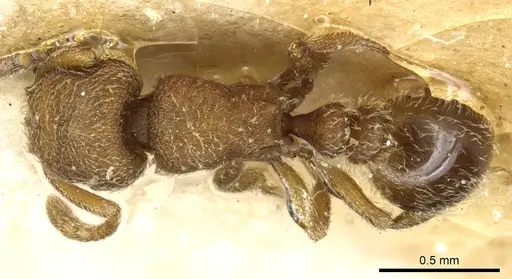
Literatura
Carregando mapa de distribuição...Carregando produtos...