
Tetramorium flavidulum
- Nome científico
- Tetramorium flavidulum
- Tribo
- Crematogastrini
- Subfamília
- Myrmicinae
- Autor
- Santschi, 1910
- Distribuição
- Encontrada em 2 países
Introdução
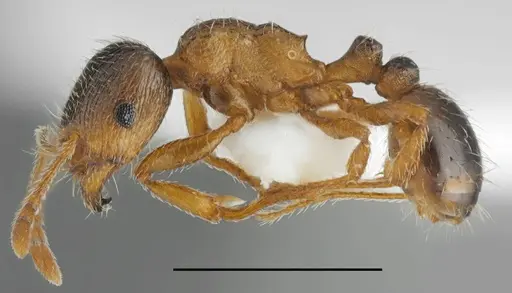
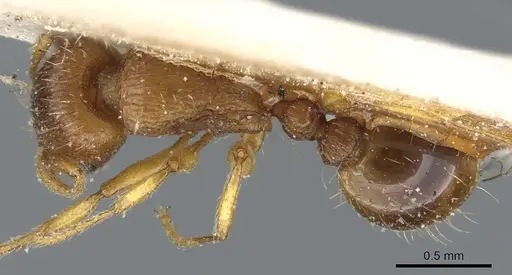
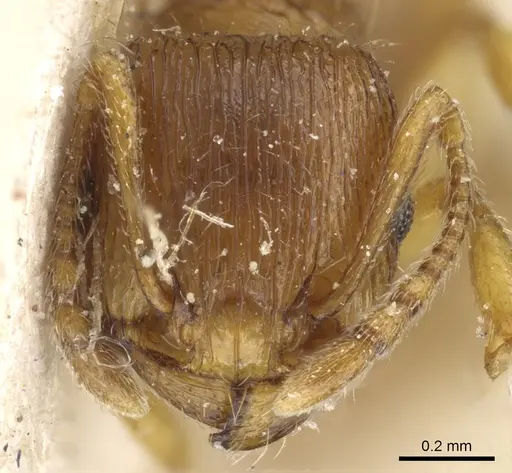
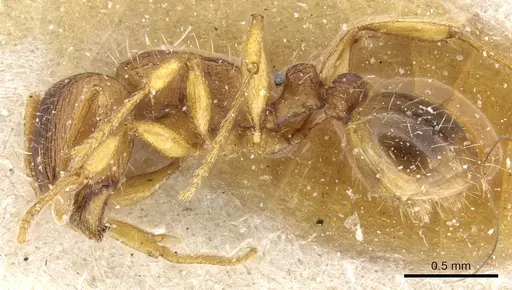
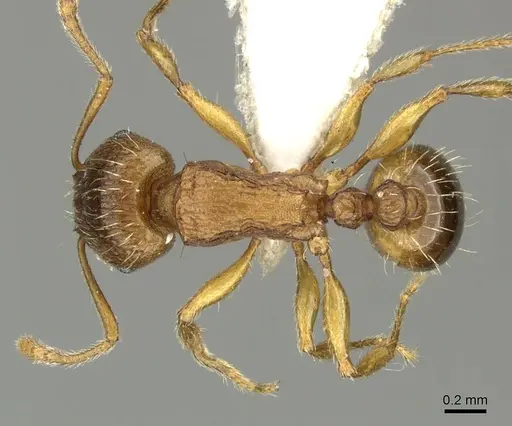
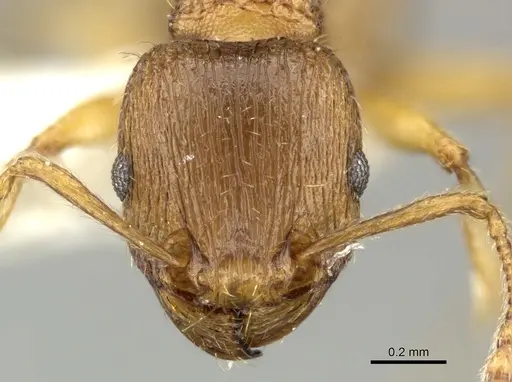
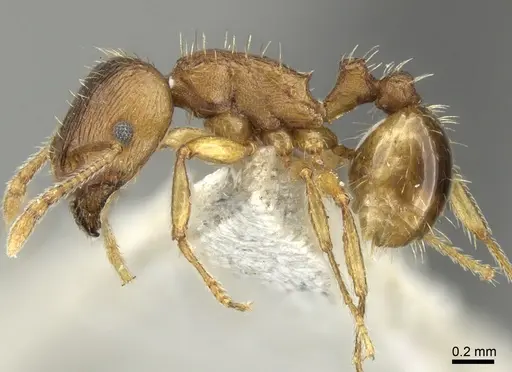
Tetramorium flavidulum is a small ant from the Myrmicinae subfamily. Most workers (76%) have a yellowish head and middle body, while the rest are light to medium brownish . It was once considered a variety of Tetramorium caespitum but is now a separate species . You can spot them by their postpetiole (the segment behind the waist), which has strong lengthwise ridges, and the top of the petiole is heavily wrinkled . This ant lives mainly in Anatolia (Turkey), with records also from Greece, Romania, and Iran . It prefers woodlands like oak and pine forests, but also shows up in meadows, river banks, and even cities . In parts of its range it's considered a mountain species, meaning it likes cooler, higher areas .
Quick Summary
- Difficulty: Easy
- Origin & Habitat: Native to the Palaearctic region: Turkey (Anatolia), Greece, Romania, Iran. Lives mostly in woodlands (oak, black pine, Scots pine, mixed forests), but also in scrublands, meadows, river banks, and urban places [1][3].
- Colony Type: Likely monogyne (single queen) based on typical Tetramorium patterns. No specific colony structure data for this species.
- Size & Growth:
- Queen: Estimated 5-6mm (inferred from related Tetramorium species) [2]
- Worker: Approximately 3-4mm (inferred from Tetramorium genus) [1]
- Colony: Likely several hundred workers (inferred from genus) [2]
- Growth: Moderate (based on typical Tetramorium development)
- Development: Estimated 6-8 weeks at optimal temperature (inferred from Tetramorium genus) [2] (Temperature strongly affects speed. Warmer conditions speed things up, but stay within safe range.)
- Antkeeping:
- Temperature: Keep nest area around 18-22°C. This species tolerates 12-26°C in the wild but averages 17°C [1]. A slight gradient with a cooler zone helps.
- Humidity: Moderate moisture – keep the nest substrate lightly moist, not wet. Provide a water tube for drinking. In nature they live in woodland with some ground moisture [1].
- Diapause: Yes – as a temperate mountain species, it needs winter dormancy. Reduce temperature to 10-15°C for 2-3 months. Skipping this can weaken the colony [1].
- Nesting: In the wild they nest in soil and under stones in woodlands. For captivity, use a test tube for founding, then move to a Y-tong or plaster nest with small chambers (workers are small). They adapt well to soil-based setups with stones.
- Behavior: Workers are active ground foragers. Generally not aggressive – they’ll defend the nest if disturbed but prefer to flee. Their small size (3-4mm) means escape risk is high if your setup has gaps. Use standard escape prevention (fluon, talc, tight lids).
- Common Issues: keeping them too warm – they prefer moderate temperatures around 18-22°C, not room temperature above 24°C for long, skipping winter dormancy can kill the colony or prevent it from growing properly, small founding colonies are fragile – avoid disturbing them until at least 10-15 workers are present, wild-caught colonies may carry mites or other parasites – quarantine if possible, their small size lets them slip through tiny gaps – check for any opening wider than 1mm
Housing and Nest Setup
Start a colony in a test tube – fill one end with water, plug with cotton, and put the queen in the open part. She will raise the first workers without needing to leave (claustral founding). Once the colony has about 20-30 workers, connect the test tube to a Y-tong, plaster, or soil nest. Make sure the chambers are small (a few millimeters wide) so the tiny workers feel safe. Always have an outworld for feeding and trash. These ants are small, so seal any gaps with mesh or tape to prevent escapes. [2]
Feeding and Diet
Like most Tetramorium, this species eats almost anything. Offer protein 2-3 times per week – small insects (fruit flies, small crickets, pieces of mealworm) work well. Keep a sugar source (sugar water, diluted honey) available all the time. Remove leftover prey after 24-48 hours to avoid mold. Workers will forage actively in the outworld. [2]
Temperature and Seasonal Care
This ant prefers moderate temperatures. Keep the nest at 18-22°C for best activity and brood growth. In the wild they are found at an average 17°C and range from 12-26°C [1]. In winter, give them a 2-3 month rest at 10-15°C. This dormancy (diapause) is crucial for colony health – without it, the colony may weaken and fail to produce new queens [1].
Humidity and Water
Keep the nest substrate slightly moist – think of damp soil but not muddy. In the wild they live in woodlands with steady but not extreme moisture [1]. Give them a constant water source: a test tube reservoir for founding, or a water dish with a sponge or cotton in the outworld. Let the substrate dry out a little between waterings to prevent mold, but don't let it completely dry.
Colony Development
After mating, a queen seals herself in and starts laying eggs. She feeds the first larvae from her own fat reserves (claustral founding). First workers (nanitics) appear after about 6-8 weeks if kept at 18-22°C. Once the first workers arrive, the queen is fed by them and stops leaving the nest. Growth is moderate – expect 50-100 workers by the end of the first year with good care. Mature colonies produce alates (new queens and males) between June and July in nature [1].
Defense Mechanism
Tetramorium flavidulum belongs to the Crematogastrini tribe, which uses a 'smear' defense. Instead of stinging, they have a flattened stinger that wipes venom onto enemies. This makes their sting less painful but can still irritate if they feel trapped. In practice, they rarely sting and prefer to run away.
Frequently Asked Questions
How long does it take for Tetramorium flavidulum to raise its first workers?
First workers usually appear after 6-8 weeks at 18-22°C. This is based on typical Tetramorium development – the exact time depends on temperature.
Do Tetramorium flavidulum ants need hibernation?
Yes. They are a temperate mountain species and need winter dormancy. Keep them at 10-15°C for 2-3 months. Skipping this can weaken or kill the colony over time [1].
What temperature range is best for Tetramorium flavidulum?
Aim for 18-22°C. They survive 12-26°C in nature but do best in moderate temperatures. Avoid prolonged heat above 26°C or cold below 10°C [1].
Can I keep multiple Tetramorium flavidulum queens together?
Not recommended. It's likely monogyne (single queen), so putting two queens together usually leads to fighting. House each queen separately unless you have proof of polygyny.
What do Tetramorium flavidulum ants eat?
They eat almost anything. Give protein 2-3 times a week (small insects) and have sugar water available always. They love sweet liquids.
Are Tetramorium flavidulum good for beginners?
Yes, they are easy. They're forgiving, accept different nests, and have simple food needs. Moderate temperature and humidity make them a good choice for new antkeepers.
How big do Tetramorium flavidulum colonies get?
Probably several hundred workers, based on related species. No exact number is recorded for this species.
When do Tetramorium flavidulum alates (new queens and males) appear?
In nature, adult sexuals appear in nests from June to July [1]. In captivity, expect them from mature colonies after a proper winter rest.
Do Tetramorium flavidulum ants sting?
They have a stinger but rarely use it. They prefer to flee. If pressed, they may smear venom (a mild sting-like sensation). It's not painful for most people.
When should I move my colony to a formicarium?
Wait until there are about 20-30 workers and the test tube looks crowded. Connect the new nest to the tube and let the ants explore first. Move the queen and brood only when they seem ready.
Report an Issue
The current care sheet is based fully on literature. See inconsistencies, or something that's incorrect? Please , it will be resolved after review from an admin. Contributing to the blogs tab also helps providing information, to make us be able to further improve the caresheets. Thank you for your support!
References

Este guia de cuidados está sob a licença CC BY-SA 4.0 .
Posts da comunidade
Literatura
Carregando mapa de distribuição...Carregando produtos...