
Tetramorium dysalum
- Nome científico
- Tetramorium dysalum
- Tribo
- Crematogastrini
- Subfamília
- Myrmicinae
- Autor
- Bolton, 1979
- Distribuição
- Encontrada em 1 países
Introdução
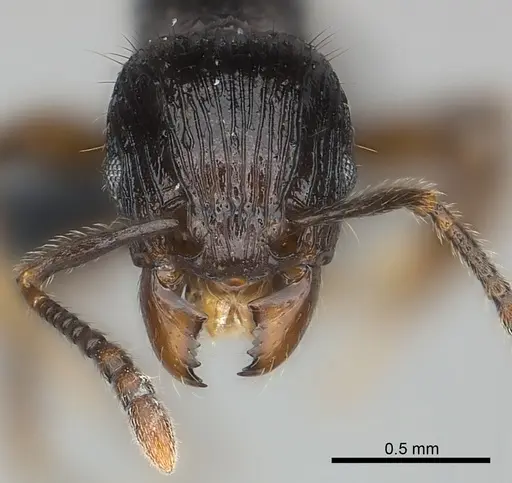
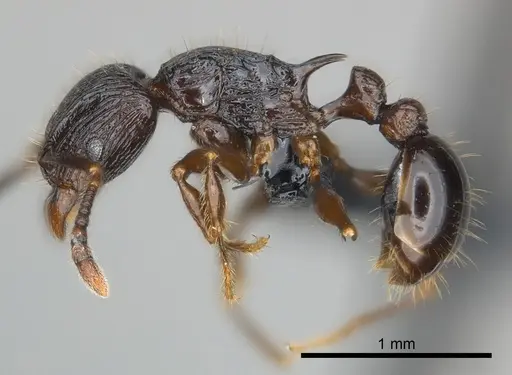
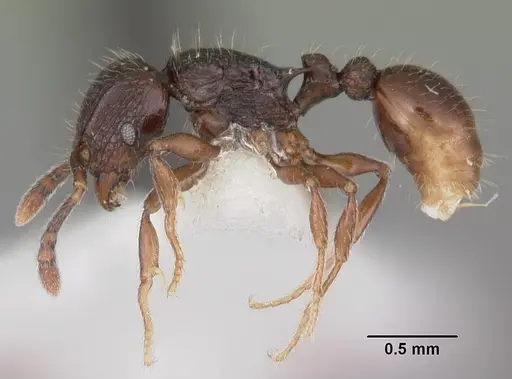
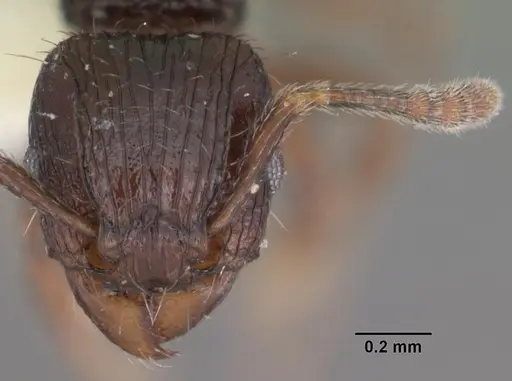
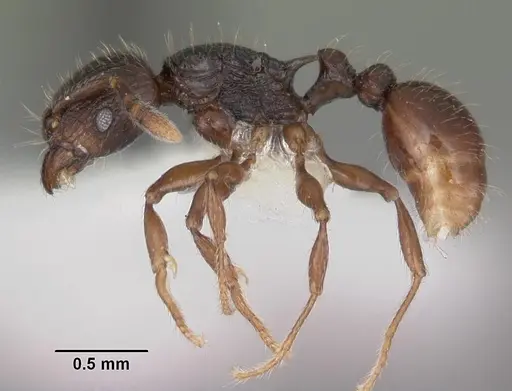
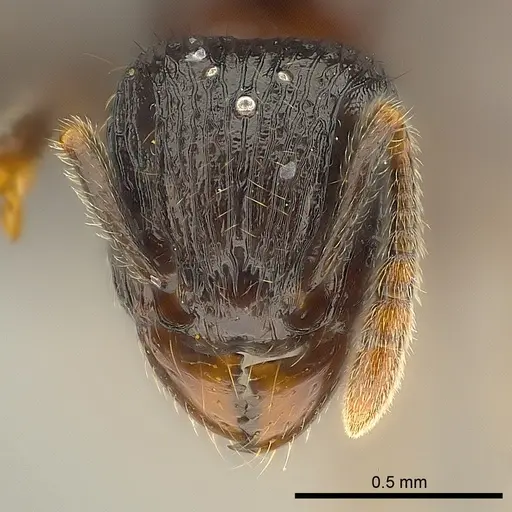
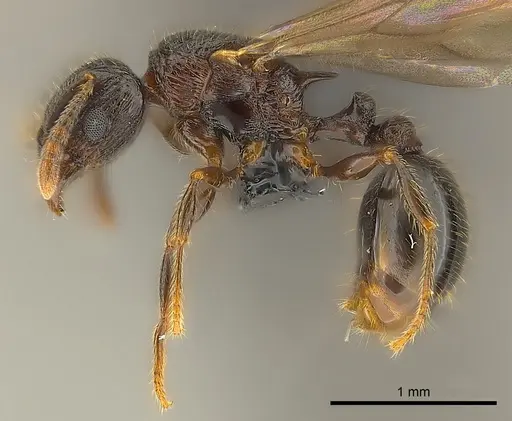
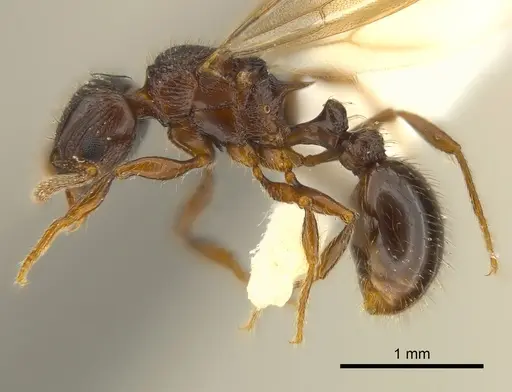
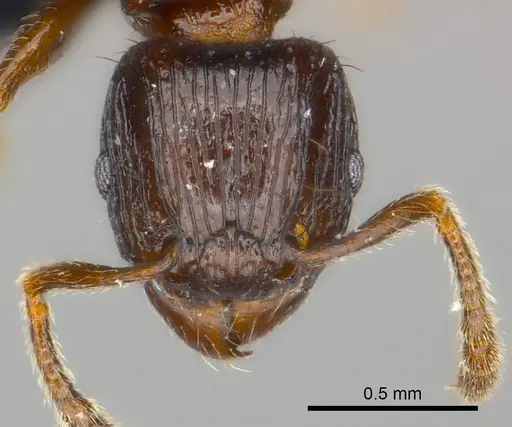
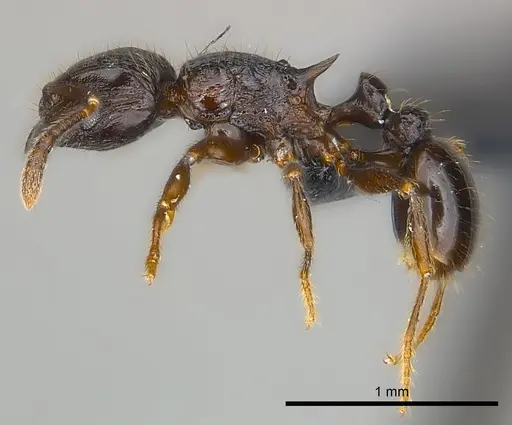
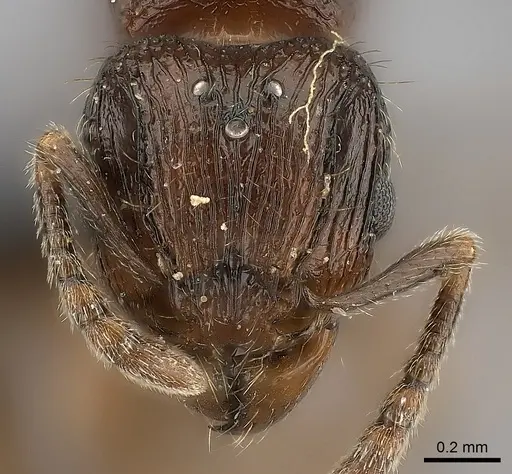
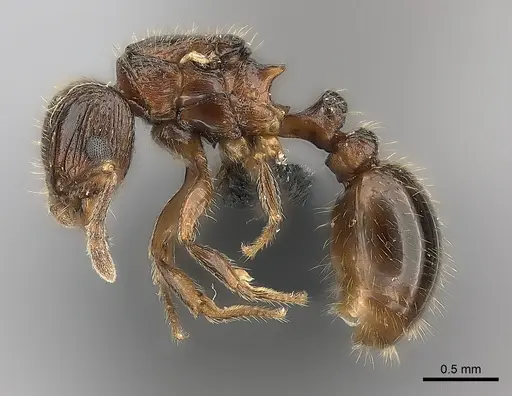
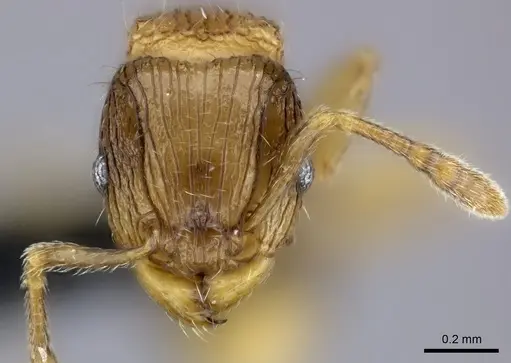
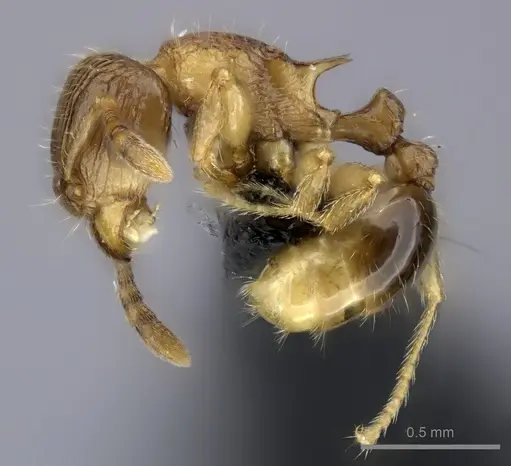
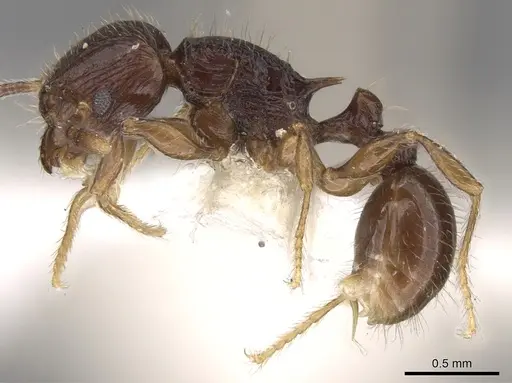
Tetramorium dysalum is a small ant native to Madagascar, belonging to the Myrmicinae subfamily. Workers show remarkable size variation - worker head length ranges 0.54-0.91 mm, but total body length is not directly recorded in literature (inferred ~3-5 mm from common Tetramorium sizes). There appear to be two size classes within this species, with smaller specimens (head width 0.53-0.69 mm) common throughout the range and larger ones (head width 0.80-0.90 mm) found only in a few highland localities like Marojejy and Anjanaharibe . The species is easily recognized by very short antennal scapes that don't reach the posterior head margin, stout propodeal spines often curved backwards, and uniform brown to dark brown coloration . This ant lives in rainforests and montane rainforests of eastern and northern Madagascar, including Nosbe island, at elevations from 25 to 1565 meters . What makes Tetramorium dysalum particularly interesting is its extreme size variation. While most specimens are small, the larger ones are rare and confined to few locations. Researchers note that within the genus Tetramorium, large intraspecific size variation is common and does not necessarily mean distinct subcastes - the variation is usually considered regular body size differences . This species is very common and widely distributed across Madagascar's eastern rainforests, where it forages in leaf litter and upper soil layers.
Quick Summary
- Difficulty: Medium
- Origin & Habitat: Rainforests and montane rainforests of eastern and northern Madagascar, including Nosy Be island. Found at elevations from 25 to 1565 meters [1][2].
- Colony Type: Unconfirmed, no data available on colony structure. Based on Tetramorium genus patterns, likely monogyne (single-queen), but this is not confirmed.
- Size & Growth:
- Queen: ~5-7 mm (inferred from Tetramorium genus) [1]
- Worker: ~3-5 mm (inferred from Tetramorium genus), actual total length not recorded in literature. Head width ranges 0.53-0.90 mm [1]
- Colony: Unknown
- Growth: Moderate (inferred)
- Development: 6-10 weeks (estimated based on related Tetramorium species at tropical temperatures) (Development time is estimated, no direct measurements available. Tropical Tetramorium species typically develop faster than temperate ones.)
- Antkeeping:
- Temperature: 22-26°C (inferred from elevational range of 25-1565m in tropical Madagascar) [1]. Provide a gentle temperature gradient so workers can self-regulate.
- Humidity: High humidity required, think damp rainforest floor. Keep nest substrate consistently moist but not waterlogged, with a small drier area. Provide a humidity gradient: one part of the nest kept moist, another drier.
- Diapause: No, as a tropical species from Madagascar, true diapause is not required. A slight reduction in temperature during cooler months may be natural but is not necessary.
- Nesting: Y-tong (AAC) or plaster nests work well because they hold moisture. Avoid dry, ventilated setups. The nest must be dark and humid.
- Behavior: These ants are relatively docile and not aggressive. Workers are small and will flee rather than fight. Defense mechanism: smear-type venom (typical of Myrmicinae tribe Crematogastrini), a modified stinger wipes venom onto threats rather than stinging. Foraging occurs in leaf litter and upper soil layers. Workers are active and will explore outworlds. They are likely generalist scavengers and sugar feeders. Escape risk: high due to small size, use fine mesh and tight seals.
- Common Issues: escape prevention is critical, workers are very small and can squeeze through tiny gaps, use fine mesh, Fluon barriers, and tight-fitting lids., high humidity requirements can lead to mold issues if ventilation is poor, balance moisture with some airflow., founding behavior is unconfirmed, be prepared to observe and adapt care, do not disturb a potential founding queen for several weeks., overfeeding can lead to mold in the nest, remove uneaten food within 24-48 hours., size variation in workers is normal but not well understood, do not assume distinct subcastes without evidence.
Housing and Nest Setup
To replicate the natural rainforest floor habitat of Tetramorium dysalum, choose a nest that holds moisture well. Y-tong (AAC) or plaster nests are excellent because they maintain high humidity while providing dark, secure chambers. Avoid acrylic nests unless you can keep humidity very high, as they dry out quickly. The nest should be kept dark and damp, with a small water source (e.g., a water tube or moistened substrate).
The outworld can be a simple plastic box with a secure lid. Because workers are small (exact size not recorded, but likely under 5 mm), escape prevention is essential. Apply Fluon or a similar barrier to all rims, and cover any ventilation openings with fine mesh (at least 200 µm). Check all tubing connections for gaps, even a 1 mm gap can allow escapes.
For the nest, maintain a moisture gradient: one area consistently moist (but not waterlogged) and a slightly drier zone. Rehydrate the substrate as needed, the nest material should feel damp to the touch. [1][2]
Feeding and Diet
Tetramorium dysalum is likely a generalist forager, similar to most Tetramorium species. In the wild, they probably scavenge small insects and collect honeydew from aphids or scale insects. In captivity, offer a varied diet.
For protein, provide small live or frozen insects: fruit flies (Drosophila), pinhead crickets, or small mealworms. Offer protein twice per week, adjusting based on colony consumption. For sugar, provide honey water, sugar water, or commercial ant nectar. Replace sugar sources every few days to prevent spoilage.
Remove any uneaten prey after 24-48 hours to prevent mold in the humid nest environment. A small outworld makes it easier to spot and remove leftovers.
Temperature and Humidity
As a tropical rainforest species from Madagascar, Tetramorium dysalum needs warm and humid conditions. Keep the nest area at 22-26°C, this matches their natural elevational range from sea level to over 1500 meters in tropical forests [1]. A slight temperature gradient across the nest allows workers to choose their preferred zone.
Humidity is crucial. The rainforest floor is consistently damp, so keep the nest substrate moist but not waterlogged. Achieve this with a water tube connected to the nest or by misting the substrate directly. Avoid pooling water in chambers. A moisture gradient (one damp area, one drier) helps workers manage.
Do not place the nest near air conditioning vents, heaters, or in direct sunlight, as these create fluctuating conditions and dry air that can stress the colony.
Colony Development and Growth
Founding behavior in Tetramorium dysalum is unconfirmed, it is not known whether the queen seals herself in claustrally or requires feeding. If you obtain a dealate queen, place her in a dark, humid test tube with water and observe. Do not disturb her for several weeks. If she starts producing brood, consider the founding phase successful.
The first workers (nanitics) will be smaller than normal workers and may take 6-10 weeks to emerge, depending on temperature. Once they appear, the colony will begin growing more actively. Workers will forage for food and expand the nest.
This species shows remarkable size variation in workers, you may notice some workers are noticeably larger than others as the colony grows. This is normal for Tetramorium dysalum and does not necessarily indicate distinct subcastes [1]. Larger workers typically appear in more established colonies.
Behavior and Temperament
Tetramorium dysalum is relatively docile. Workers are small and not particularly aggressive, they prefer to flee when disturbed. This makes them good for observation but not for keepers seeking a defensive species.
Foraging occurs primarily in the leaf litter and upper soil layers. Workers are active and will explore the outworld, establishing chemical trails to food sources. They are likely generalist scavengers, accepting both protein and sugar.
Their small size (not precisely recorded, but typical Tetramorium workers are around 3-5 mm total length) means they can escape through very small gaps. Excellent escape prevention is essential, use Fluon on all rim surfaces and ensure any ventilation is covered with fine mesh.
Defense: As a member of Myrmicinae (tribe Crematogastrini), they possess a modified stinger used to smear venom onto enemies rather than pierce. However, their small size and docile nature make stinging threats to keepers negligible. [1]
Frequently Asked Questions
How long does it take for Tetramorium dysalum to raise first workers?
Based on typical Tetramorium development at tropical temperatures, expect 6-10 weeks from egg to first worker. The queen (if claustral) would seal herself in a chamber and raise the first brood alone. Since founding behavior is unconfirmed, be patient and do not disturb the queen for at least two months.
What do Tetramorium dysalum ants eat?
They are generalist feeders. Offer small insects (fruit flies, small crickets, mealworms) for protein twice weekly, and provide constant access to sugar sources like honey water or sugar water. Remove uneaten food promptly to prevent mold.
Can I keep Tetramorium dysalum in a test tube?
Test tubes can work for founding colonies, but you must maintain humidity carefully, the cotton ball can dry out quickly. For long-term housing, a Y-tong or plaster nest that holds moisture better is recommended.
Do Tetramorium dysalum ants need hibernation?
No, as a tropical species from Madagascar, they do not require true hibernation. A slight reduction in temperature during winter months may be natural but is not necessary. Keep them at consistent 22-26°C year-round for optimal development.
Are Tetramorium dysalum good for beginners?
They are moderate difficulty. The main challenges are maintaining high humidity, preventing escapes due to their small size, and the lack of confirmed founding behavior. If you can manage humidity and escape prevention, they are manageable for intermediate antkeepers.
How big do Tetramorium dysalum colonies get?
Colony size data is not available in scientific literature. Based on typical Tetramorium patterns, colonies might reach several hundred workers, but this is speculation. The remarkable size variation in workers (head width 0.53-0.90 mm) is well-documented [1].
Do Tetramorium dysalum ants sting?
This species belongs to the Myrmicinae subfamily, which includes ants with functional stingers. However, their small size and docile nature mean they are not a significant stinging threat to keepers. Their defense is a 'smear' mechanism, they wipe venom onto enemies rather than sting.
What temperature should I keep Tetramorium dysalum at?
Keep nest temperatures at 22-26°C. This matches their tropical rainforest origin in Madagascar [1]. A gentle gradient allowing workers to choose their preferred temperature is ideal.
Why are my Tetramorium dysalum escaping?
Their small size (not precisely recorded, but typical for Tetramorium) means they can escape through tiny gaps. Apply Fluon or similar barrier to all rim surfaces, use fine mesh on ventilation, and check all tubing connections. Even a 1 mm gap is enough for these tiny ants to squeeze through.
When should I move Tetramorium dysalum to a formicarium?
Wait until the colony has visibly outgrown its current container, when you see workers crowded in the test tube or founding box. There is no set number, observe the colony's activity. Moving too early can stress them. A small Y-tong or plaster nest is ideal for a young colony.
Report an Issue
The current care sheet is based fully on literature. See inconsistencies, or something that's incorrect? Please , it will be resolved after review from an admin. Contributing to the blogs tab also helps providing information, to make us be able to further improve the caresheets. Thank you for your support!
References

Este guia de cuidados está sob a licença CC BY-SA 4.0 .
Posts da comunidade
CASENT0037931
Ver no AntWeb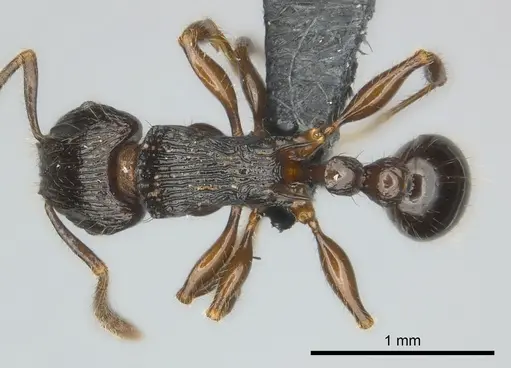
CASENT0039336
Ver no AntWeb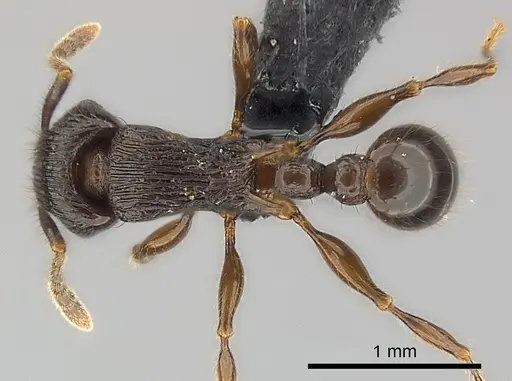
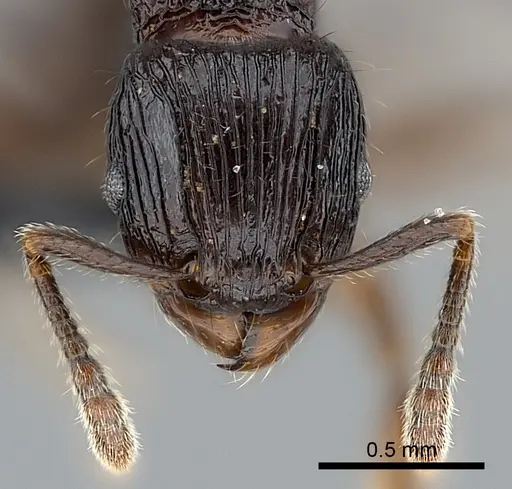
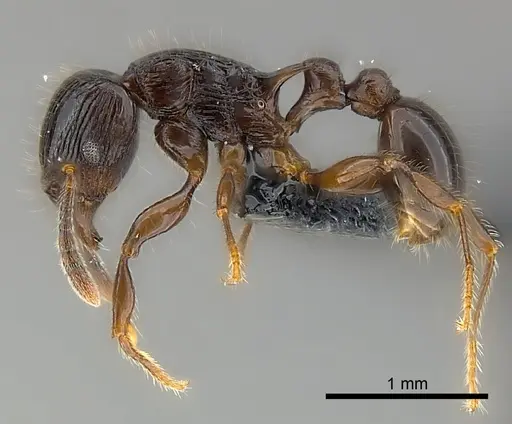
CASENT0102348
Ver no AntWeb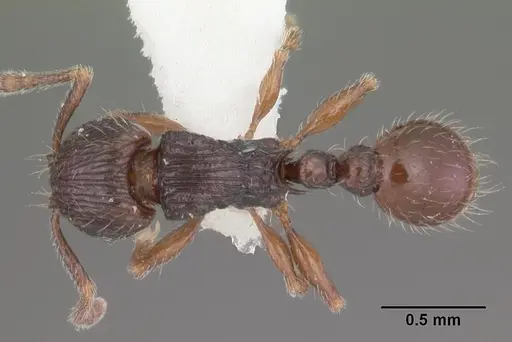
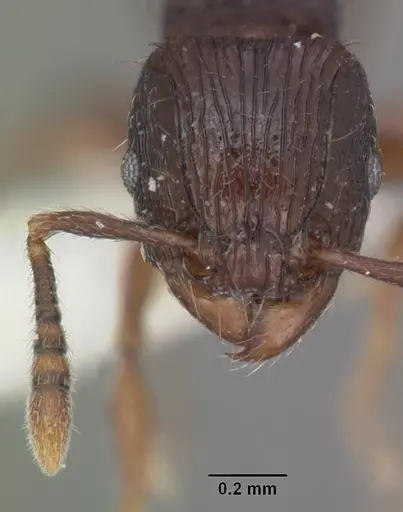
CASENT0102349
Ver no AntWeb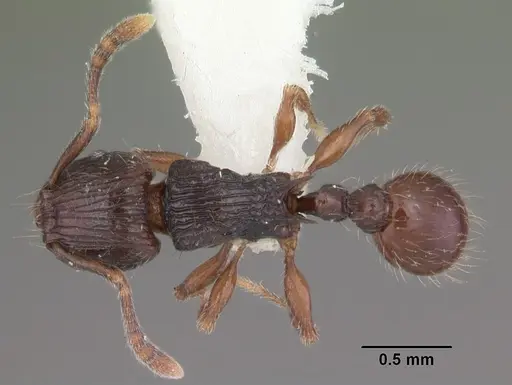
CASENT0134028
Ver no AntWeb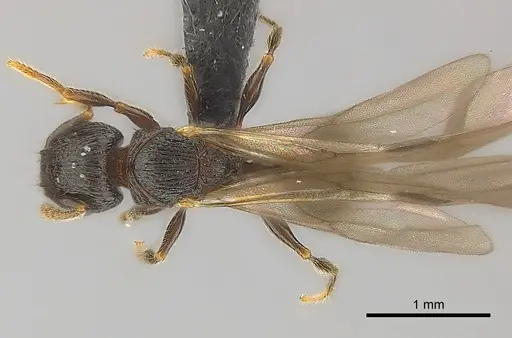
CASENT0163065
Ver no AntWeb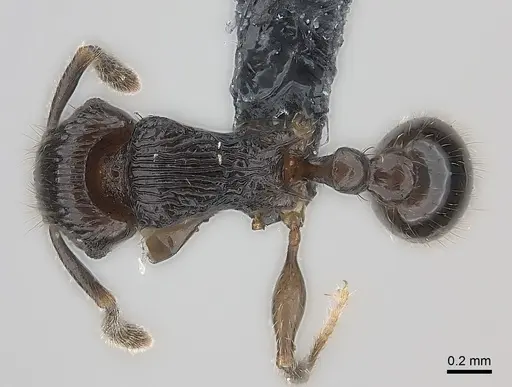
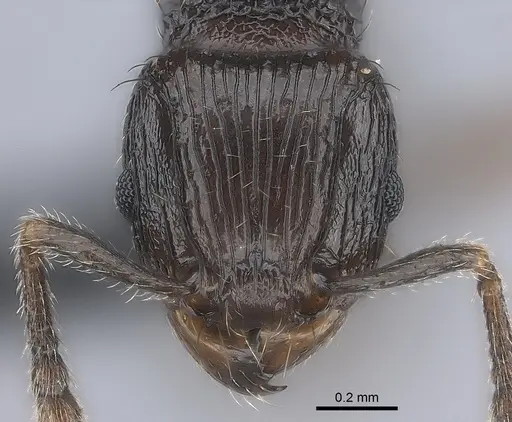
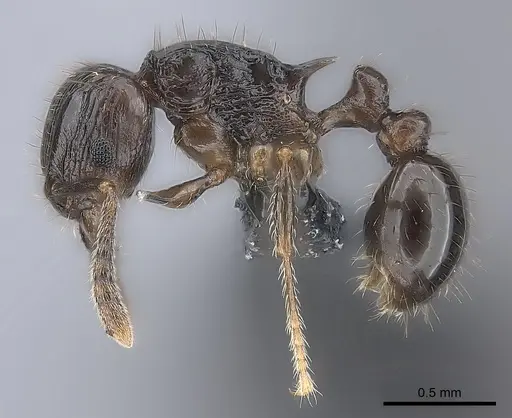
CASENT0192230
Ver no AntWeb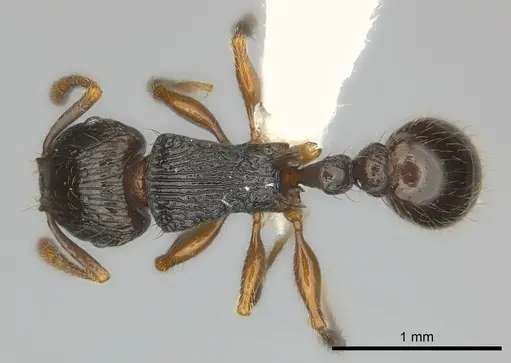
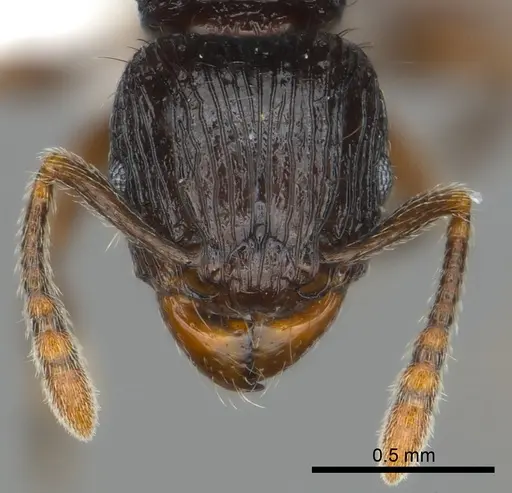
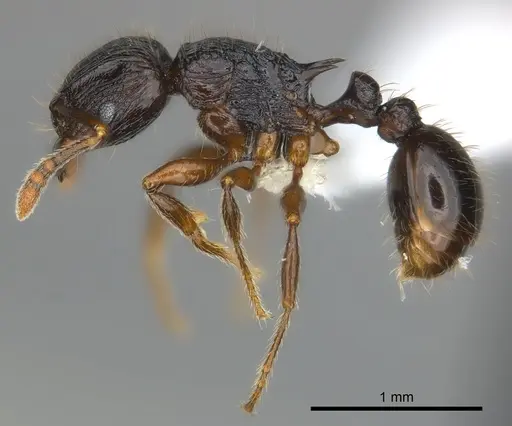
CASENT0217755
Ver no AntWeb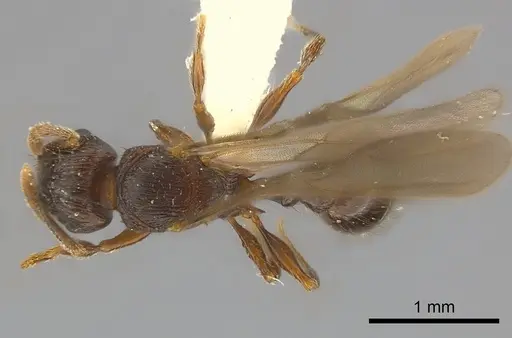
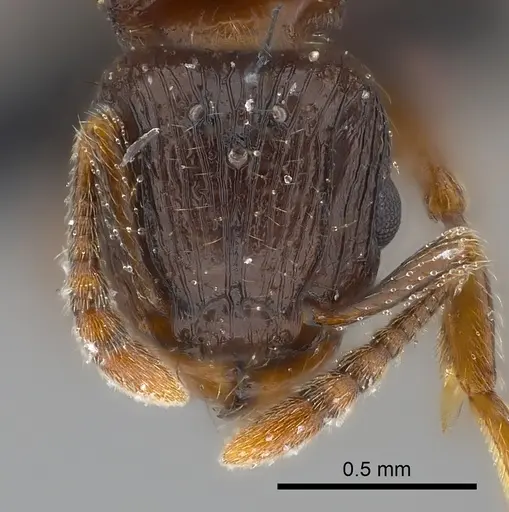
CASENT0484546
Ver no AntWeb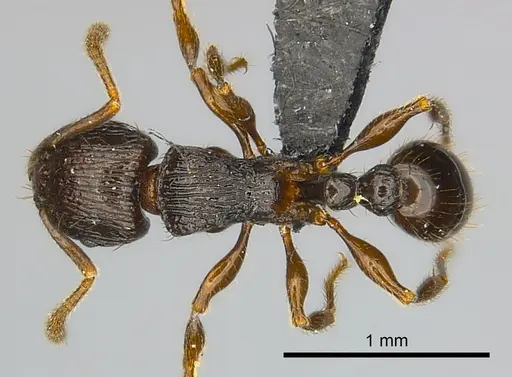
CASENT0485685
Ver no AntWeb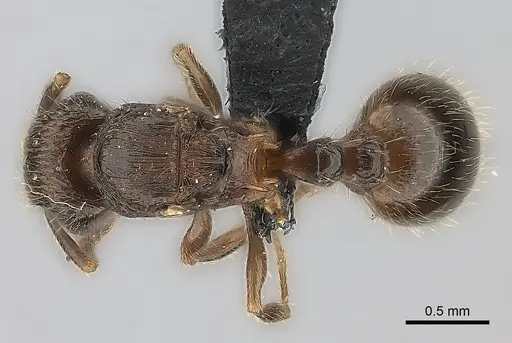
CASENT0494743
Ver no AntWeb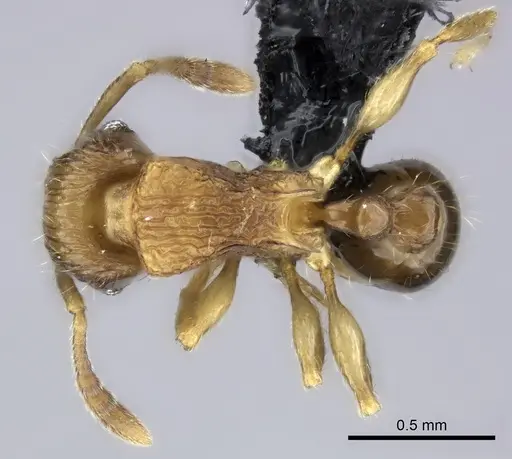
CASENT0495338
Ver no AntWeb
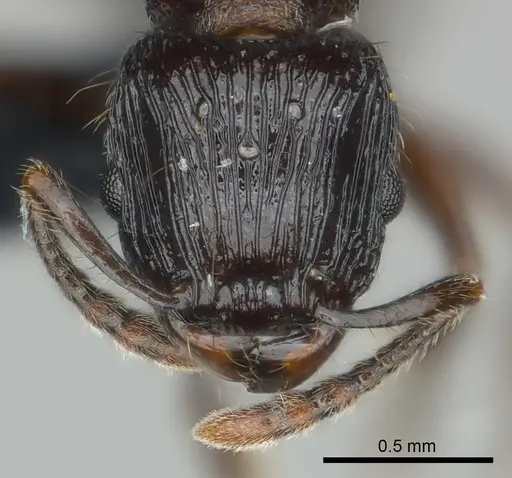
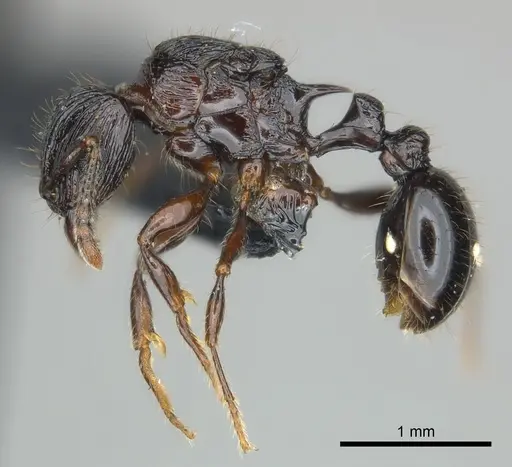
CASENT0906148
Ver no AntWeb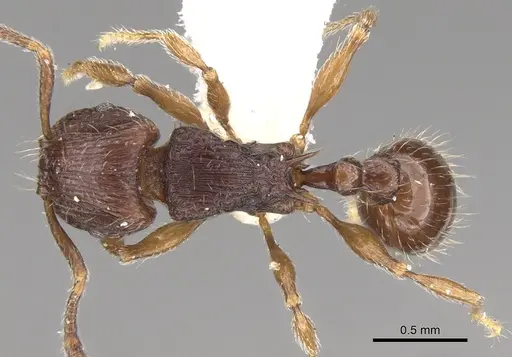
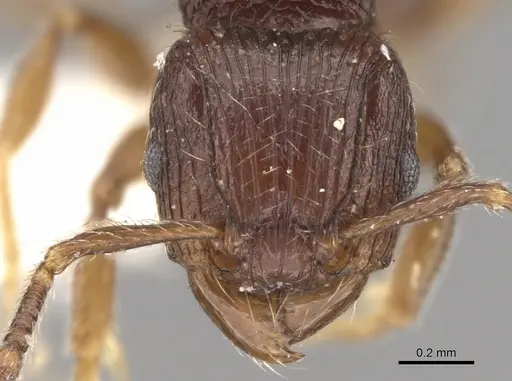
Literatura
Carregando mapa de distribuição...Carregando produtos...