
Tetramorium coonoorense
- Nome científico
- Tetramorium coonoorense
- Tribo
- Crematogastrini
- Subfamília
- Myrmicinae
- Autor
- Forel, 1902
- Distribuição
- Encontrada em 1 países
Introdução
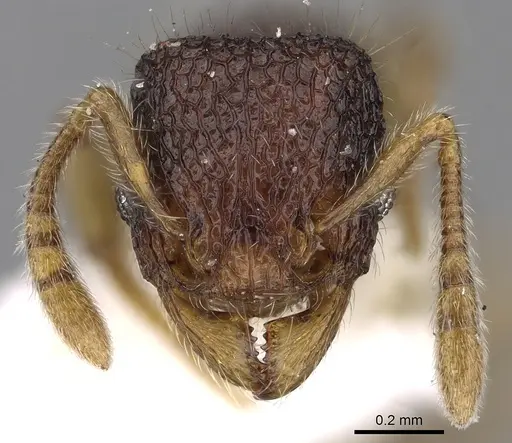
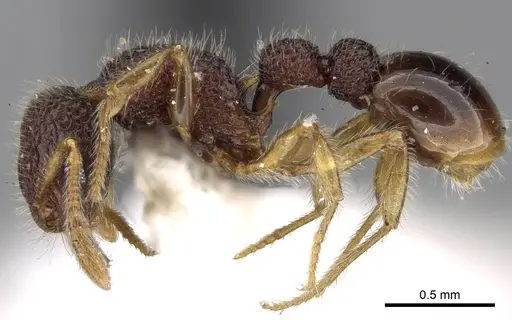
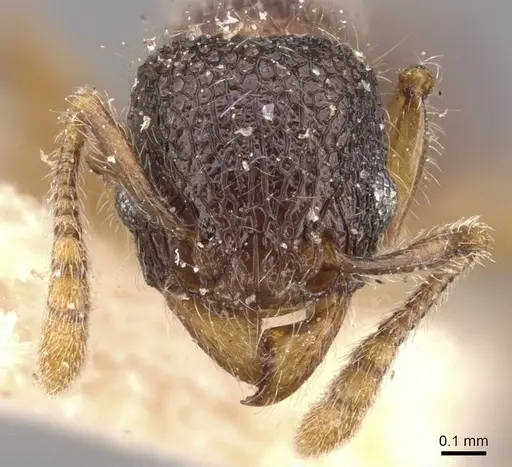
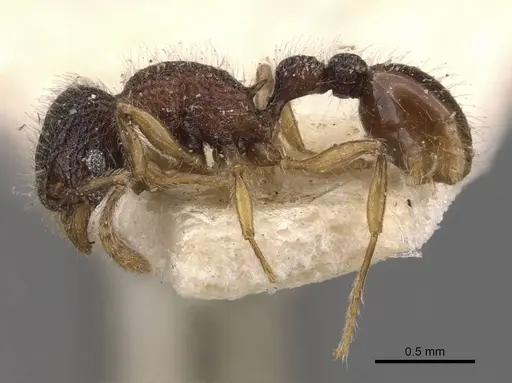
Tetramorium coonoorense is a small, dark brown to blackish ant endemic to India, originally described by Forel in 1902 . It belongs to the Myrmicinae subfamily and the obesum species group. This species is recorded from Himachal Pradesh, Kerala, Tamil Nadu, Uttarakhand, and West Bengal . In southwest India, it is a dominant Myrmicinae in rural sacred groves, averaging about 6 ants per pitfall trap . Despite its abundance locally, detailed biology and captive care data are lacking - most care advice comes from genus-level patterns.
Quick Summary
- Difficulty: Easy
- Origin & Habitat: Endemic to India, found in rural sacred groves in southwest India and recorded across multiple states (Himachal Pradesh, Kerala, Tamil Nadu, Uttarakhand, West Bengal) [2][3]. Likely nests in soil or under stones.
- Colony Type: Unknown, colony structure is not documented for this species. Based on Tetramorium patterns, likely single-queen, but this is unconfirmed.
- Size & Growth:
- Queen: size data unavailable
- Worker: size data unavailable
- Colony: Unknown, likely moderate (several hundred) based on related Tetramorium species, but no species-specific data.
- Growth: Moderate
- Development: Estimated 6-8 weeks at optimal temperature based on related Tetramorium species (No species-specific data available, timing is an estimate.)
- Antkeeping:
- Temperature: Unknown, based on tropical origin, likely needs warmth (22-28°C). Avoid prolonged cold below 18°C.
- Humidity: Unknown, based on sacred grove habitat, likely moderate. Keep nest substrate slightly moist but not waterlogged.
- Diapause: No true diapause required, tropical species, active year-round with possible slowdown in cooler months.
- Nesting: Ground-nesting. In captivity use Y-tong (AAC), plaster, or soil nests. Provide tight, dark chambers.
- Behavior: Active foragers with moderate aggression towards intruders. Uses a smear defense (modified stinger to wipe venom), typical of Myrmicinae tribe Crematogastrini. Small size (under 4 mm) makes escaping through tiny gaps a real risk, use tight seals and escape prevention.
- Common Issues: high escape risk due to very small size, seal all joints and use fluon on outworld rims, temperature sensitivity, keep above 20°C, avoid cold drafts, overfeeding can cause mold, remove uneaten food after 24 hours, wild-caught colonies may carry mites or parasites, quarantine new colonies
Housing and Nest Setup
Tetramorium coonoorense does well in standard setups. Y-tong (AAC) or plaster nests work because they provide dark, tight chambers. For founding, a simple test tube with a cotton water reservoir is sufficient, the queen will likely seal herself into a chamber (claustral founding). Once the colony outgrows the test tube, connect a larger nest. Use an outworld for foraging, because these ants are very small, make sure all connections are tight and use fluon on outworld walls to prevent escapes. A shallow foraging area with a thin layer of substrate gives them grip.
Feeding and Diet
These ants are generalist feeders. Offer small insects (fruit flies, pinhead crickets, mealworms) for protein 2-3 times per week. Provide a constant sugar source (sugar water, honey, or diluted honey). In the wild they likely scavenge and tend aphids, captive colonies will accept all standard ant foods. Remove uneaten prey after 24 hours to prevent mold.
Temperature and Seasonal Care
Being a tropical Indian species, T. coonoorense prefers warmth. Keep the nest around 22-28°C. They can handle room temperature (20-22°C) but growth may slow. Avoid prolonged temperatures below 18°C. No true hibernation needed, they may slow down in cooler months but require no special winter care. If using a heating cable, heat only one side of the nest to create a gradient so ants can choose their preferred temperature.
Colony Founding
Tetramorium coonoorense likely exhibits claustral founding, the queen seals herself into a chamber and raises the first brood on stored reserves. She will not leave to forage. The first workers (nanitics) are expected to emerge within about 6-8 weeks based on related species, but this timing is unconfirmed for this species. Keep the founding colony in a dark, quiet place. Do not disturb it daily, stress can cause the queen to eat or abandon the brood.
Behavior and Temperament
Workers are active foragers and use scent trails to recruit nestmates. They defend their nest with a smear sting, instead of piercing, they wipe venom on the enemy. This is typical of their subfamily and tribe. While not highly aggressive to humans, they will defend vigorously if disturbed. Their very small size (under 4 mm) means they can escape through tiny gaps, always use fine mesh and seal all cracks in the outworld. Expect moderate colony growth once established.
Frequently Asked Questions
How long does it take for Tetramorium coonoorense to raise first workers?
Based on related Tetramorium species, the egg-to-worker development is estimated at 6-8 weeks at warm temperatures (~24°C). No species-specific data exists, so this is a rough guide.
Can I keep Tetramorium coonoorense in a test tube?
Yes, test tubes work well for founding. Use a horizontal test tube with a cotton water reservoir. Once the colony outgrows it (when you see many workers and the tube is crowded), move them to a larger nest.
Do Tetramorium coonoorense ants sting?
They have a functional stinger, but like many Myrmicinae they use it to smear venom rather than pierce. The sting is mild and barely noticeable to humans.
What temperature do Tetramorium coonoorense need?
They do best at 22-28°C. Room temperature (20-22°C) is tolerable but growth may be slow. Avoid temperatures below 18°C for extended periods.
Are Tetramorium coonoorense good for beginners?
Yes, they are considered easy. They accept a wide diet, don’t need hibernation, and are forgiving of minor care mistakes. However, their small size makes escape prevention critical, beginners should ensure a tight setup.
How big do Tetramorium coonoorense colonies get?
No exact data exists. Based on related Tetramorium species, colonies likely reach a few hundred workers at maturity, not huge, but noticeable.
Do Tetramorium coonoorense need hibernation?
No, they are from tropical India and remain active year-round. They may slow down in cooler months but no special treatment is needed.
What do Tetramorium coonoorense eat?
They are generalist feeders. Offer small insects (fruit flies, pinhead crickets, mealworms) 2-3 times per week and provide a constant sugar source (sugar water, honey). They also scavenge and accept most standard ant foods.
When should I move my colony to a formicarium?
Move them when the test tube becomes crowded, typically when you have 20-30 workers actively foraging. Make sure the new nest has proper humidity and dark chambers before connecting it.
Why is my Tetramorium coonoorense colony dying?
Common causes: temperatures below 18°C, excessively dry or wet conditions, stress from frequent disturbance, mold due to overfeeding, or parasites from wild-caught colonies. Check temperature and humidity first, reduce disturbances, and remove uneaten food promptly.
Report an Issue
The current care sheet is based fully on literature. See inconsistencies, or something that's incorrect? Please , it will be resolved after review from an admin. Contributing to the blogs tab also helps providing information, to make us be able to further improve the caresheets. Thank you for your support!
References

Este guia de cuidados está sob a licença CC BY-SA 4.0 .
Posts da comunidade
CASENT0280875
Ver no AntWeb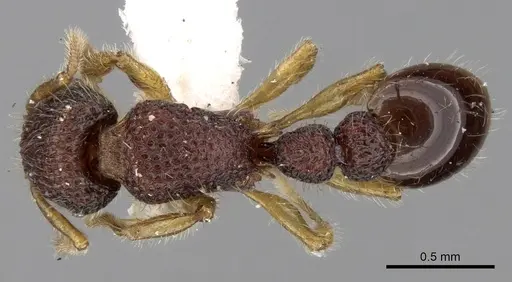
CASENT0909165
Ver no AntWeb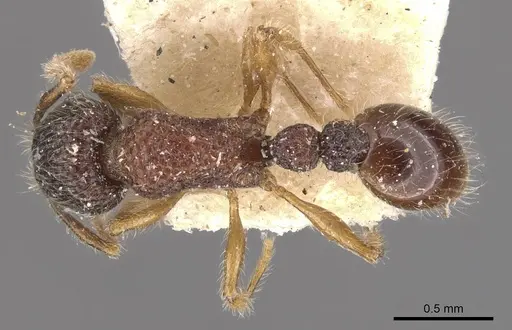
Literatura
Carregando mapa de distribuição...Carregando produtos...