
Tetramorium biskrense
- Nome científico
- Tetramorium biskrense
- Tribo
- Crematogastrini
- Subfamília
- Myrmicinae
- Autor
- Forel, 1904
- Distribuição
- Encontrada em 5 países
Introdução
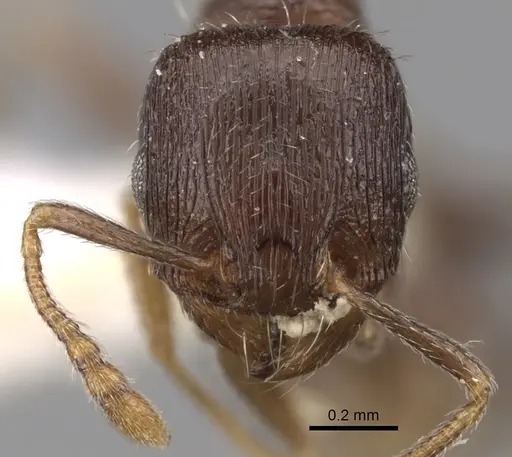
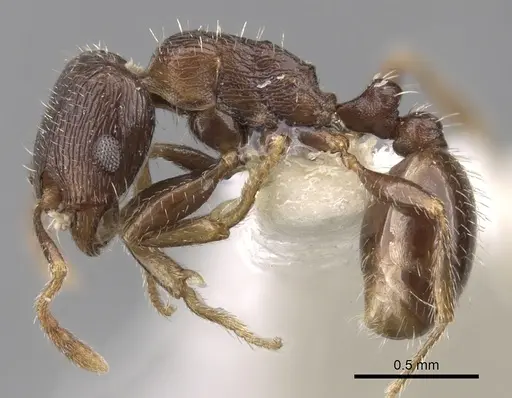
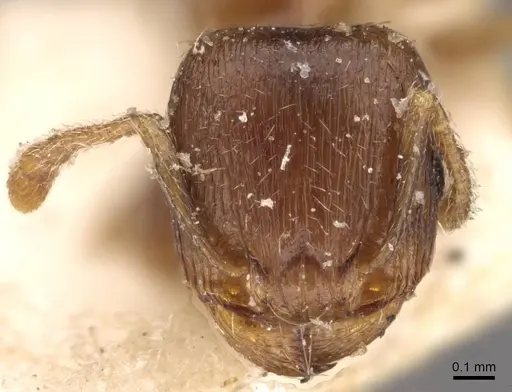
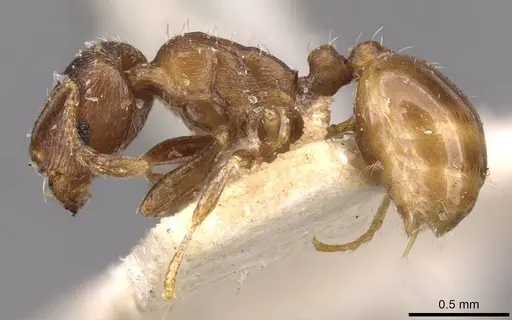
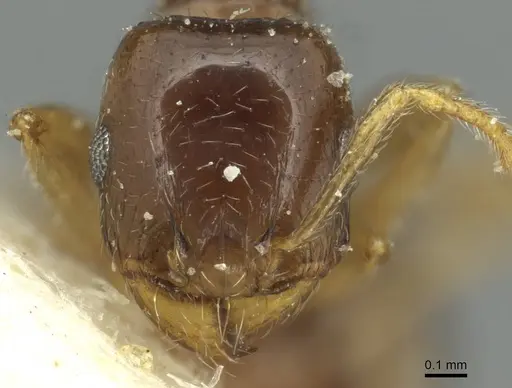
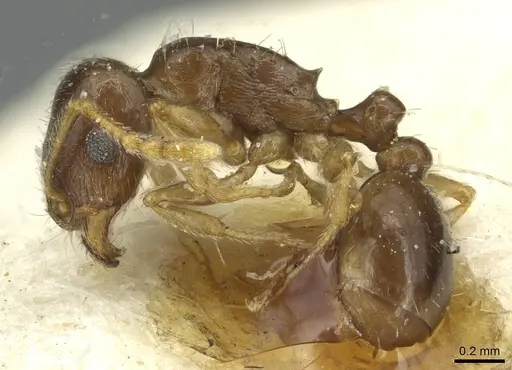
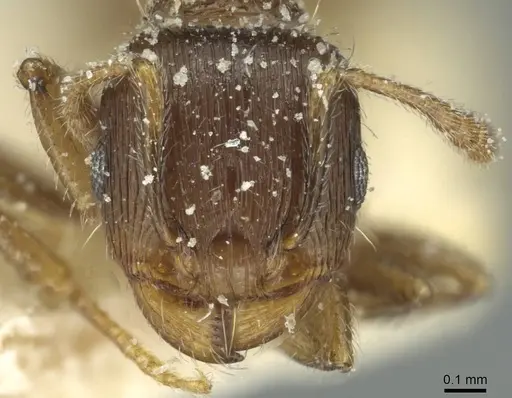
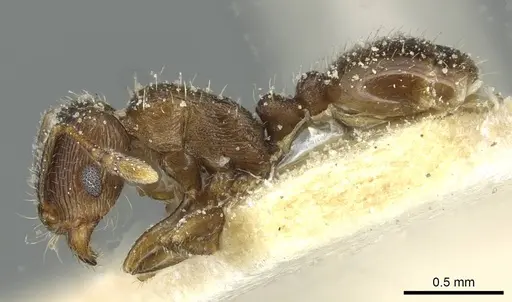
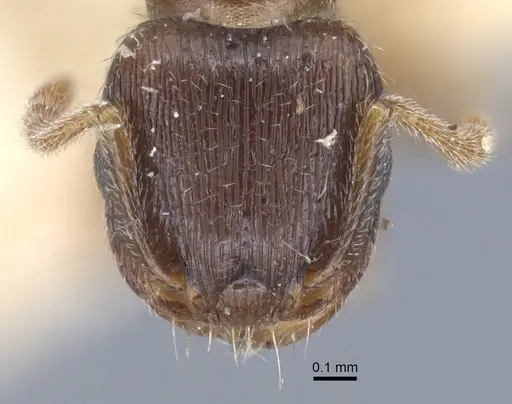
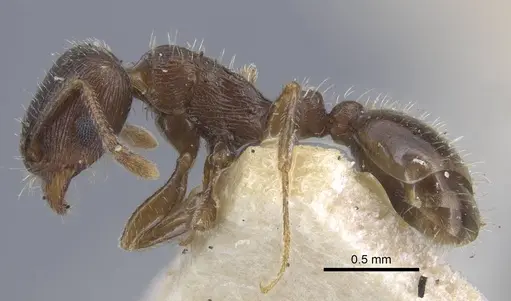
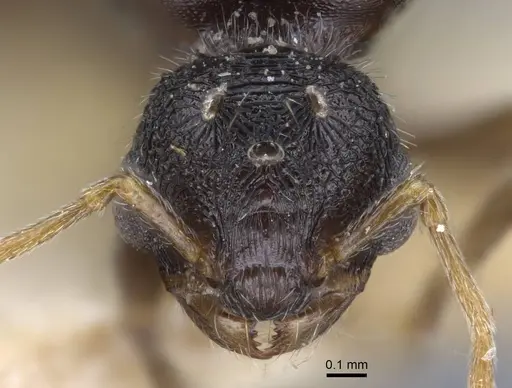
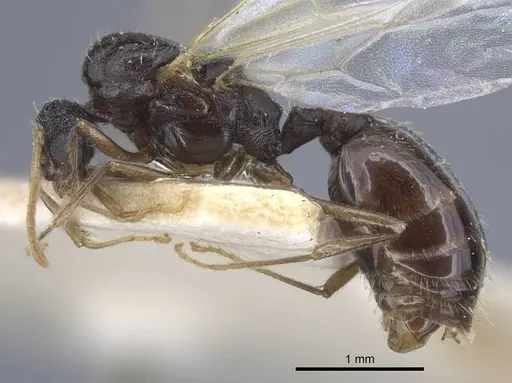
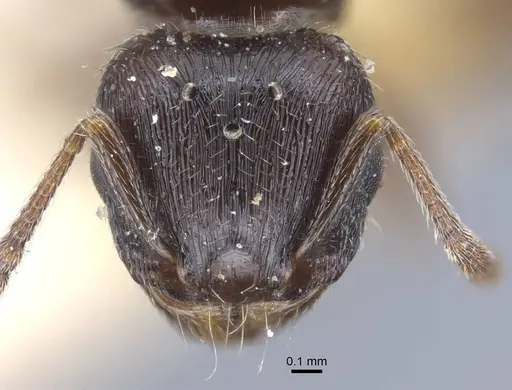
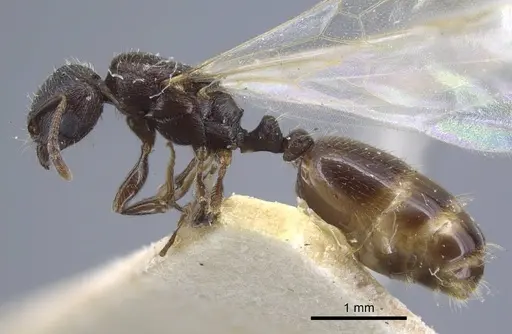
Tetramorium biskrense is a small, dark ant belonging to the Tetramorium caespitum species group. Workers are uniformly smaller than typical T. caespitum group members, with distinctive features including a concave posterior border of the head (visible in dorsal view), many longitudinal striations on the head (17-23 between frontal laminae), and poorly developed propodeal spines. Queens are very small, measuring less than 6mm in total length, with a characteristic concave occiput and widely visible lateral pronotum in dorsal view. This species is native to the western Mediterranean basin and North Africa, found across Algeria, Morocco, Tunisia, Spain, Portugal, Greece, and extending east to Saudi Arabia and Oman . This ant thrives in extremely arid environments with no green vegetation during summer, making it distinct from other Tetramorium species that require moist habitats near water sources. It establishes quite populous colonies in various substrates, from loamy to sandy soils, and is known to be a dominant species in some areas like Djerba island in Tunisia, where it comprises about 23% of recorded ant colonies . The species is facultatively polygynous, meaning colonies can have multiple queens working together .
Quick Summary
- Difficulty: Easy
- Origin & Habitat: Western Mediterranean basin and North Africa. Found across Algeria, Morocco, Tunisia, Spain, Portugal, Greece, Croatia, Canary Islands, Saudi Arabia, Oman, and Libya. Prefers arid habitats with high aridity and sparse vegetation, often in sandy or loamy substrates. Elevation range 88-1,406 meters above sea level [1][2][5][3].
- Colony Type: Facultatively polygynous, colonies can have a single queen or multiple queens (5-10 queens sometimes observed in a nest). This means your colony may have multiple egg-laying queens [4].
- Size & Growth:
- Queen: Less than 6mm total length [2]
- Worker: Small, uniformly smaller than T. caespitum group members. Estimated around 2-3mm, inferred from related species [2]
- Colony: Quite populous colonies documented. Unknown exact maximum but field studies show large colony populations [3]
- Growth: Moderate
- Development: 6-10 weeks (estimated based on typical Tetramorium development patterns) (Development time inferred from genus-level data, specific timing for this species not directly studied)
- Antkeeping:
- Temperature: Keep at 22-26°C (estimated from typical Mediterranean requirements). They tolerate arid, warm conditions. Use a heating gradient to allow self-regulation.
- Humidity: Low to moderate. This is an arid-adapted species that naturally occurs in locations with high aridity and no green vegetation in summer. Keep the nest substrate relatively dry, think dry Mediterranean garrigue, not damp forest floor. Provide a small water tube but avoid excessive moisture.
- Diapause: Likely requires winter diapause. Based on Mediterranean origin, provide 8-12 weeks at 10-15°C. Not directly studied, but recommended to simulate natural cycle.
- Nesting: Y-tong (AAC) nests work well given their preference for dry conditions. Plaster nests are also suitable. In nature they nest under stones and in various substrates including loamy and sandy soils. Provide a naturalistic setup with flat stones or a dry-appropriate formicarium.
- Behavior: Generally calm and non-aggressive. Workers are small but active foragers. They are not known to be particularly aggressive or territorial. Escape risk is high due to small worker size (2-3mm), use tight seal and escape prevention measures (e.g., fluon or oil barrier). They forage primarily on the ground surface, collecting seeds and small insects. Colonies can become quite populous over time [3].
- Common Issues: overwatering or keeping substrate too damp can kill colonies, they prefer dry conditions., small worker size (2-3mm) means they can easily escape through tiny gaps, use adequate escape prevention., skipping diapause may reduce colony longevity and inhibit reproduction., new founding colonies can be sensitive to disturbance, minimize checking during first weeks., multiple queens may cause intraspecific aggression in some facultatively polygynous species, but apparently stable in this one.
Housing and Nest Setup
Tetramorium biskrense does well in Y-tong (AAC) nests or plaster nests designed for drier conditions. This species naturally inhabits arid Mediterranean regions and prefers relatively dry nesting conditions compared to many other ants. Avoid setups that retain excessive moisture, a dry nest environment mimics their natural habitat in places like Almería, Spain, where they live in extremely arid conditions with no summer vegetation [2]. A test tube setup can work for founding colonies, but consider moving established colonies to a more spacious formicarium as the colony grows. Provide a shallow water tube for drinking but do not over-moisten the nest substrate. Naturalistic setups with flat stones over sandy substrate also work well, reflecting their natural nesting under stones in various substrates [3].
Feeding and Diet
Like other Tetramorium species, T. biskrense is omnivorous and will accept a variety of foods. Offer protein sources such as small insects (fruit flies, small crickets, mealworms), and provide sugar sources like honey water or sugar water regularly. They are ground foragers that collect both seeds and small arthropods in the wild. Feed them small prey items appropriate to their worker size, they are not large ants, so prey should be appropriately sized. A varied diet supports colony growth. Remove uneaten prey after 24-48 hours to prevent mold. They do not require highly specialized diets. Based on their presence in bird diets (they are consumed by torcol birds in Algeria), they are clearly active surface foragers that readily encounter various arthropod prey [6].
Temperature and Seasonal Care
Keep your colony at a warm temperature typical of Mediterranean summer (22-26°C is a good range). They tolerate hotter conditions but avoid prolonged cold. A heating cable on one side of the nest creates a temperature gradient allowing ants to regulate their own exposure. During winter (roughly November-February in the Northern Hemisphere), provide a diapause period of 8-12 weeks at 10-15°C to simulate their natural Mediterranean seasonal cycle. This is recommended based on their origin, though not directly studied. Reduce feeding during diapause as colony activity slows. Do not skip winter rest entirely, as it likely helps maintain colony health and triggers natural reproductive cycles. In summer, they can tolerate temperatures into the low 30s°C given their origin in extremely arid habitats like southern Spain and North Africa [2].
Colony Structure and Multi-Queen Colonies
T. biskrense is facultatively polygynous, meaning colonies can function with either a single queen or multiple queens (5-10 queens have been observed in natural nests). This is unusual among ants and means you may receive a colony with multiple egg-laying queens. Multiple-queen colonies tend to grow faster and are more resilient to queen loss. Do not be alarmed if you observe several dealated (wingless) queens in an established colony, this is normal for this species. The presence of multiple queens appears to be a stable arrangement. In April, colonies produce many alates (winged reproductives), and dealated queens are often observed during the day, indicating the start of the swarming period [4][3].
Behavior and Temperament
This is a calm, manageable species suitable for antkeepers of various experience levels. Workers are small but active and efficient foragers. They are not particularly aggressive and do not possess a painful sting (Myrmicinae have stingers but Tetramorium is not known for painful stings). Colonies can become quite populous over time, with field studies showing them establishing 'quite populous colonies' in various substrates. They are not aggressive toward humans or other colonies in captivity. Escape risk is high due to small worker size, ensure tight closure and use escape prevention measures such as fluon or oil barriers. Their natural history as a dominant species in some areas (23% of colonies on Djerba) suggests they are competitive and successful colonizers [3].
Frequently Asked Questions
Is Tetramorium biskrense good for beginners?
Yes, this is a good species for beginners. They are relatively easy to care for, tolerate a range of temperatures, and do not require complex setups. They prefer dry conditions, which makes them less prone to mold problems than humidity-dependent species. Their facultatively polygynous nature also makes them resilient, colonies can survive queen loss. The main requirements are providing warm temperatures (22-26°C), a dry nest environment, and a mild winter diapause.
How long does it take for Tetramorium biskrense to produce first workers?
Based on typical Tetramorium development, expect 6-10 weeks from egg to first worker (nanitic) at optimal temperature (around 24-26°C). This is an estimate since specific development timing for this species has not been directly studied. The first workers will be smaller than mature workers. Colony growth is moderate, be patient during the founding phase as the colony establishes.
Can I keep multiple Tetramorium biskrense queens together?
Yes, this species is facultatively polygynous, meaning multiple queens can coexist in the same colony. Natural colonies often have 5-10 queens. You do not need to separate queens, they form stable multi-queen colonies. This makes them more forgiving than strictly monogyne species if a queen dies [4].
Do Tetramorium biskrense ants sting?
Tetramorium belongs to the Myrmicinae subfamily, which does have functional stingers. However, Tetramorium species are not known for particularly painful stings and are generally docile. They are not aggressive toward humans. The sting, if used, would be mild compared to species like Solenopsis or Pogonomyrmecini.
What temperature range does Tetramorium biskrense need?
Keep them at 22-26°C for optimal colony function. They can tolerate higher temperatures into the low 30s°C given their origin in arid Mediterranean and North African habitats. A mild winter rest at 10-15°C for 8-12 weeks is recommended. A heating cable on one side of the nest creates a useful gradient.
How humid should the nest be for Tetramorium biskrense?
Keep it relatively dry, this is an arid-adapted species. Unlike forest-dwelling ants, they naturally inhabit locations with high aridity and sparse summer vegetation. A small water tube for drinking is sufficient. Avoid over-moistening the nest substrate. Think dry Mediterranean garrigue conditions, not damp rainforest.
Does Tetramorium biskrense need hibernation?
Likely needs winter diapause. Based on Mediterranean origin, provide a mild rest period of 8-12 weeks at 10-15°C. This simulates their natural seasonal cycle. Reduce feeding during this period as colony activity decreases. Skipping diapause may affect long-term colony health and reproductive cycles.
What do Tetramorium biskrense eat?
They are omnivorous. Offer small insects (fruit flies, small crickets, mealworms) as protein sources, and provide sugar water or honey water regularly. They will also collect seeds. Feed appropriate-sized prey for their small worker size. A varied diet supports healthy colony growth.
How big do Tetramorium biskrense colonies get?
Colonies can become quite populous. While an exact maximum is not documented, field studies show they establish large colonies in various substrates. They are known as a dominant species in some areas (23% of colonies on Djerba), indicating successful and substantial colony growth [3].
When do Tetramorium biskrense have nuptial flights?
Based on observations from Djerba (Tunisia) in April, colonies produce many alates (winged reproductives) and dealated queens are often observed during the day, indicating the swarming period begins in spring. The exact timing varies with location and climate [3].
Why are my Tetramorium biskrense dying?
Common causes include: too much moisture (they prefer dry conditions), temperatures too low (they need 22-26°C), or skipping winter diapause. Check that the nest is not overly damp. Also ensure they have appropriate-sized prey. If colonies fail during founding, it may be due to disturbance, founding queens are sensitive. Review humidity and temperature settings first.
Report an Issue
The current care sheet is based fully on literature. See inconsistencies, or something that's incorrect? Please , it will be resolved after review from an admin. Contributing to the blogs tab also helps providing information, to make us be able to further improve the caresheets. Thank you for your support!
References

Este guia de cuidados está sob a licença CC BY-SA 4.0 .
Posts da comunidade
CASENT0280932
Ver no AntWeb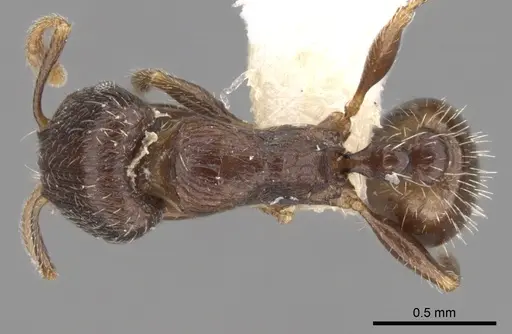
CASENT0909104
Ver no AntWeb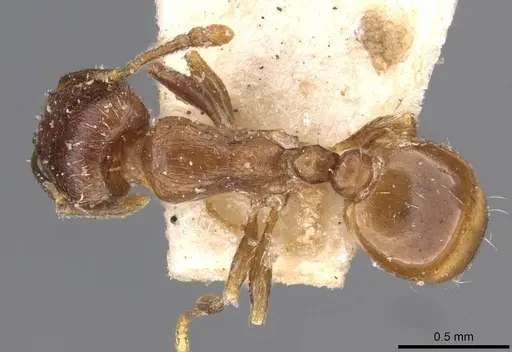
CASENT0913991
Ver no AntWeb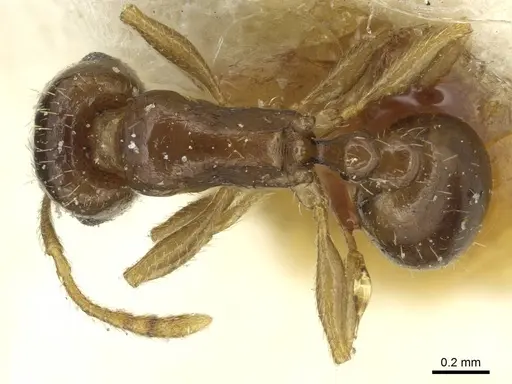
CASENT0915000
Ver no AntWeb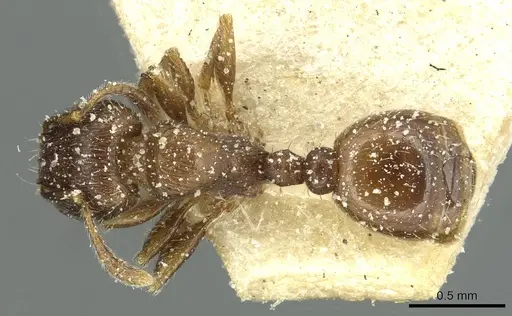
CASENT0917077
Ver no AntWeb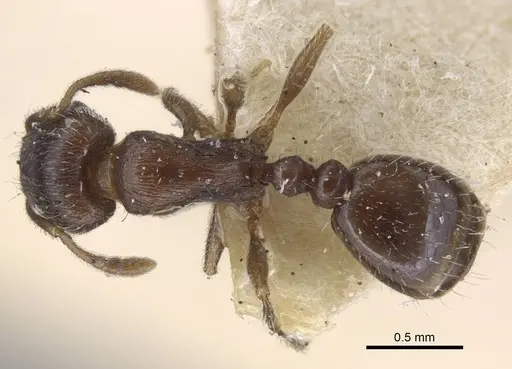
CASENT0917078
Ver no AntWeb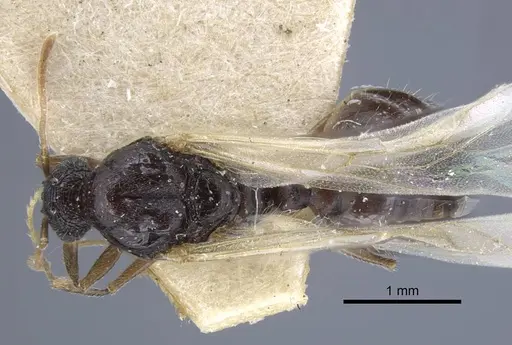
CASENT0917079
Ver no AntWeb
Literatura
Carregando mapa de distribuição...Carregando produtos...