
Temnothorax susamyri
- Nome científico
- Temnothorax susamyri
- Tribo
- Crematogastrini
- Subfamília
- Myrmicinae
- Autor
- Dlussky, 1965
- Distribuição
- Encontrada em 0 países
Introdução
Temnothorax susamyri is a small ant species originally described from Kyrgyzstan and recently recorded in China's Tibet region, making it a Palearctic species found in high-altitude Central Asia . Workers are small, around 2-4mm, and have a smooth central strip on the top of the head that helps tell them apart from similar species . The genus Temnothorax usually nests in small cavities under stones, in rotting wood, or in hollow plant stems, and colonies often have a few dozen to a few hundred workers. This species is very poorly documented. It has never been studied in captivity, and there is almost no biological data available other than where it lives. Anyone keeping T. susamyri will need to make careful observations and adjust care based on how their colony behaves, since we have to rely on what we know about other Temnothorax species.
Quick Summary
- Difficulty: Medium
- Origin & Habitat: Palearctic Region, found in Kyrgyzstan and Tibet (China) at high altitude [1][2]. Specific habitat details are unconfirmed, but typical high-altitude Central Asian conditions suggest a cool, dry environment.
- Colony Type: Unconfirmed. Based on typical Temnothorax patterns, likely monogyne (single queen) with small colonies.
- Size & Growth:
- Queen: ~4-6mm, inferred from Temnothorax genus
- Worker: ~2-4mm, inferred from Temnothorax genus
- Colony: Likely up to 300 workers at maturity, based on typical Temnothorax patterns
- Growth: Moderate, steady but not rapid, inferred from genus
- Development: 6-10 weeks at optimal temperatures, inferred from genus (No species-specific data exists. Temperature significantly affects development speed.)
- Antkeeping:
- Temperature: 18-22°C during active season, based on Palearctic distribution. Avoid temperatures above 25°C. Use condition-based monitoring: if workers cluster away from the warmest area, it's too hot.
- Humidity: Provide a humidity gradient. This species likely comes from dry high-altitude habitats, so keep the nest mostly dry with one moist area. Avoid constant wetness.
- Diapause: Yes, required. This Palearctic species needs 2-3 months at 5-10°C in winter to simulate natural seasons.
- Nesting: Prefers small, tight cavities. Test tubes for founding, Y-tong or small plaster nests later. Avoid large open spaces.
- Behavior: Docile and non-aggressive, typical of small Temnothorax. Uses smear defense (Crematogastrini tribe), a modified stinger wipes venom onto enemies rather than piercing. Escape risk is moderate due to tiny size, use standard fluon or oil barriers.
- Common Issues: overheating (keep below 22°C), this Palearctic species suffers in standard room temperatures above 25°C, diapause failure, without 2-3 months at 5-10°C, colonies weaken and die, desiccation, provide a moist area in the nest and a water source, test tube flooding, keep water reservoir appropriate for small diameter tube, mold from overfeeding, remove uneaten food within 24 hours
Temperature and Cooling Requirements
This species comes from cool high-altitude areas in Central Asia, so it prefers conditions between 18-22°C during the active season. That's cooler than what most antkeepers maintain for tropical species. Overheating is a real risk, avoid temperatures above 25°C. A heating cable is not needed and could harm the colony. In winter you must provide a diapause period: gradually lower the temperature to 5-10°C for 2-3 months. Watch your colony: if workers consistently avoid one part of the nest, that area may be too warm.
Nesting Preferences
Temnothorax ants naturally nest in small cavities: under stones, in rotting wood, or hollow plant stems. In captivity, test tubes work perfectly for founding colonies. The key is to keep chambers small and tight, these tiny workers (2-4mm) feel unsafe in large open spaces. For established colonies, use Y-tong (AAC) or small plaster nests with narrow chambers. Provide a humidity gradient: keep the nest substrate mostly dry, with one small area slightly moist. Also give them a separate water tube for drinking.
Feeding and Diet
Like most Temnothorax, T. susamyri likely eats a mix of small insects and sugary liquids. Offer small prey like fruit flies, micro mealworms, or pinhead crickets, sized for their tiny workers. Provide sugar water or diluted honey constantly, and protein 2-3 times per week. Remove uneaten prey within 24 hours to prevent mold. Since no one has kept this species before, watch what your colony prefers and adjust. Some Temnothorax are picky about sugar, if they ignore sweet liquids at first, don't worry.
Winter Dormancy and Seasonal Care
This Palearctic species absolutely needs a winter diapause. Without 2-3 months of cold (5-10°C), colonies gradually weaken and die. Starting in late autumn, reduce the temperature over 1-2 weeks to around 5-10°C. The colony will slow down and cluster together. Keep them in a cold spot like an unheated garage, basement, or a dedicated ant fridge. During diapause they need no food and very little attention, just check occasionally that the nest doesn't dry out completely. In spring, warm them back up over 1-2 weeks and resume normal feeding.
Colony Founding
Founding behavior is unconfirmed for this species, but based on typical Temnothorax, the queen likely seals herself in a small chamber and raises her first workers alone without leaving to forage (claustral founding). If you have a founding queen, place her in a simple test tube setup with a water reservoir at one end, stoppered with cotton. Keep her in darkness at 18-22°C and do not disturb for 6-10 weeks until workers appear. Do not feed during founding, the queen uses her own reserves. Once nanitics arrive, offer tiny food portions. Growth will be slow at first, which is normal.
Frequently Asked Questions
How long does it take for Temnothorax susamyri to produce first workers?
Expect 6-10 weeks from egg to first worker at around 20°C, based on typical Temnothorax development. Cooler temperatures will slow this down. The first workers (nanitics) are smaller than mature workers but fully functional.
Do Temnothorax susamyri ants sting?
Temnothorax ants have a modified stinger, but they belong to the Crematogastrini tribe and use a smear defense, they wipe venom onto enemies rather than piercing. They are not aggressive and pose no real danger to keepers. Even if provoked, the effect is very mild.
Can I keep multiple queens together in one colony?
This species' colony structure is unconfirmed, but Temnothorax are typically monogyne (single queen). Combining unrelated foundresses is not recommended, they would likely fight. House multiple founding queens separately. Pleometrosis (multiple queens founding together) has not been documented for this species.
What temperature range is best for Temnothorax susamyri?
Keep them at 18-22°C during the active season. This Palearctic species prefers cooler conditions than tropical ants. Room temperature is often ideal. Avoid heat sources and direct sunlight, overheating is more dangerous than being slightly cool. In winter, provide 2-3 months at 5-10°C for diapause.
How big do Temnothorax susamyri colonies get?
Based on typical Temnothorax colony sizes, expect up to about 300 workers at maturity. That's a small to moderate colony, which makes them manageable for keepers with limited space.
Do Temnothorax susamyri need hibernation?
Yes, this Palearctic species absolutely requires a winter diapause. Without 2-3 months at 5-10°C, colonies weaken and will not thrive long-term. This mimics their natural habitat in Kyrgyzstan and Tibet where winters are cold. Provide proper diapause every year once the colony is established.
What do Temnothorax susamyri eat?
They likely accept small protein sources like fruit flies, tiny mealworms, and other micro-arthropods, plus sugar sources such as honey water or sugar water. Feed small prey items appropriate to their tiny 2-4mm worker size. Offer sugar constantly and protein 2-3 times weekly. Remove uneaten food within 24 hours to prevent mold.
Are Temnothorax susamyri good for beginners?
This species is rated Medium difficulty. While their small colony size and docile nature make them manageable, the required winter diapause and preference for cooler temperatures add complexity not present in beginner-friendly tropical species. They are better suited for keepers with some experience with temperate species.
When should I move my colony to a formicarium?
Wait until the colony has at least 20-30 workers before moving from a test tube to a larger formicarium. Moving too early can stress the colony. Test tubes work well for founding and small colonies, only upgrade when the test tube becomes crowded or the colony consistently outgrows it.
Why are my Temnothorax susamyri dying?
Common causes include: overheating (keep below 22°C), improper diapause (they need winter cooling), test tube flooding, mold from overfeeding, or stress from moving too often. This species is sensitive to temperature extremes, if workers cluster away from one area, that area may be too warm. Also ensure they have access to fresh water.
Report an Issue
The current care sheet is based fully on literature. See inconsistencies, or something that's incorrect? Please , it will be resolved after review from an admin. Contributing to the blogs tab also helps providing information, to make us be able to further improve the caresheets. Thank you for your support!
References

Este guia de cuidados está sob a licença CC BY-SA 4.0 .
Posts da comunidade
CASENT0917448
Ver no AntWeb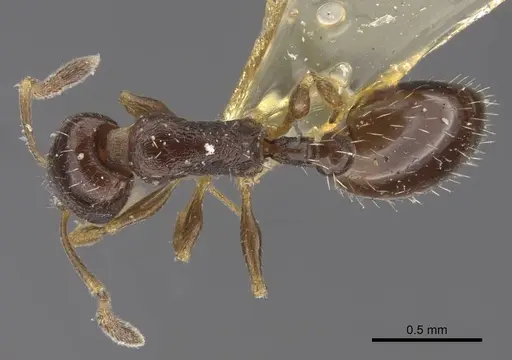
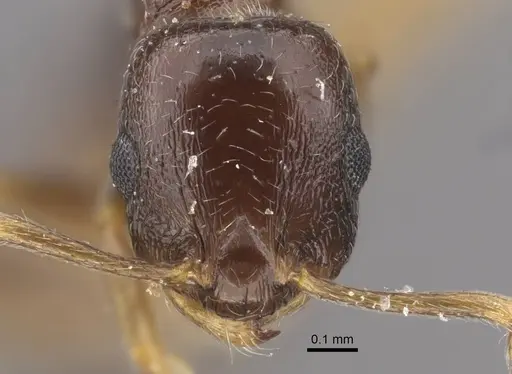
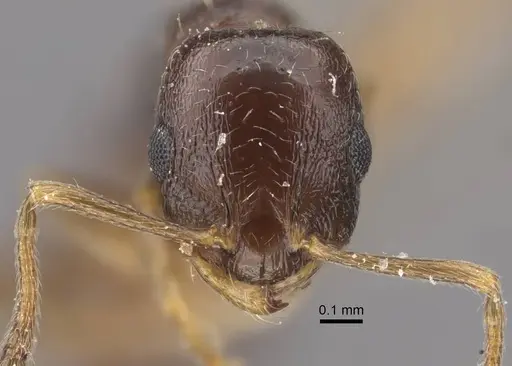
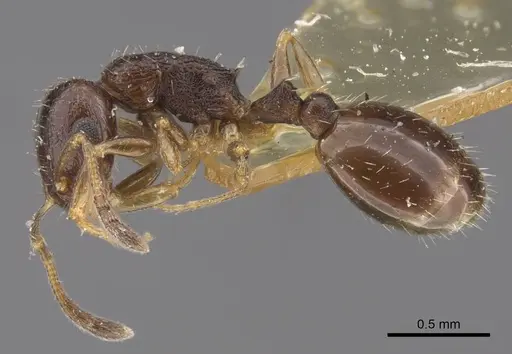
Literatura
Carregando mapa de distribuição...Carregando produtos...