
Temnothorax nordmeyeri
- Nome científico
- Temnothorax nordmeyeri
- Tribo
- Crematogastrini
- Subfamília
- Myrmicinae
- Autor
- Schulz, 1997
- Distribuição
- Encontrada em 0 países
Introdução
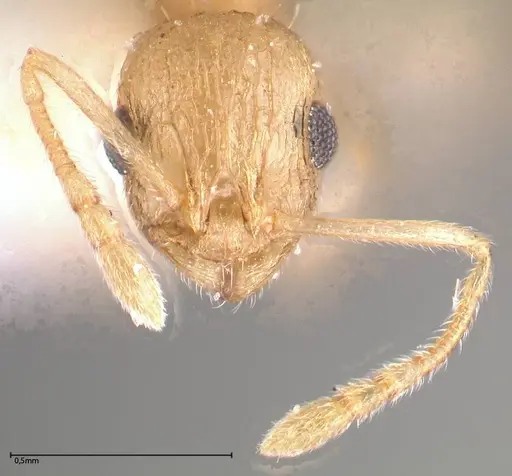
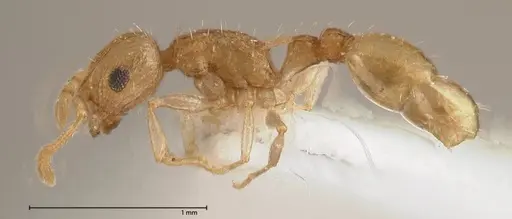
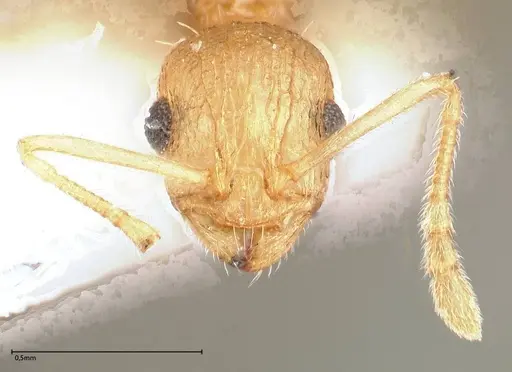
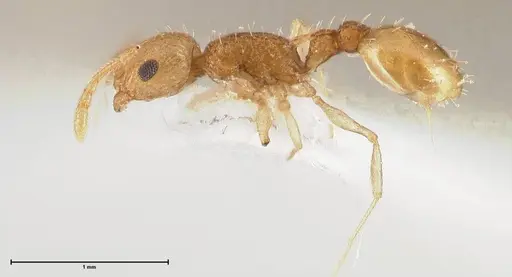
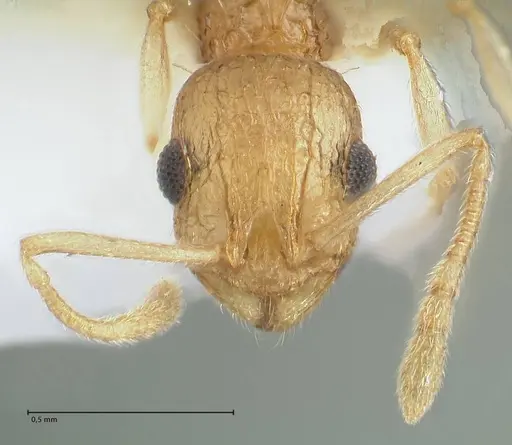
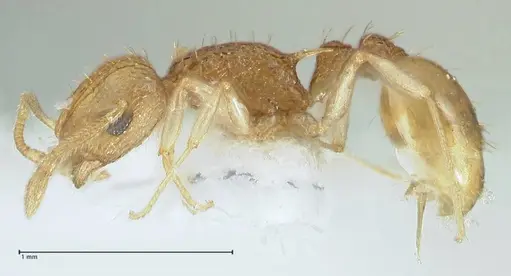
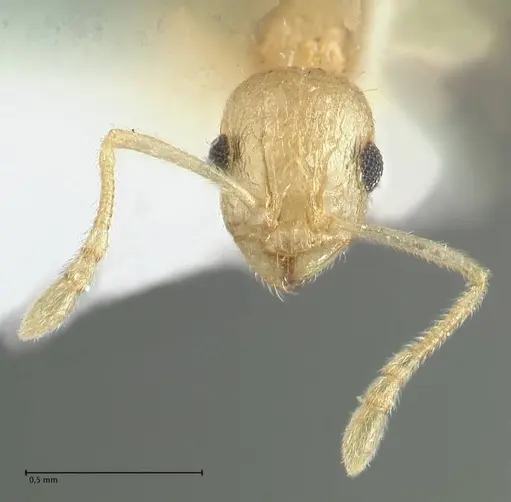
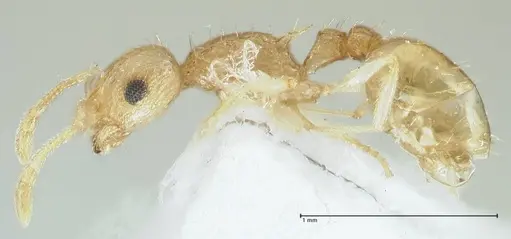
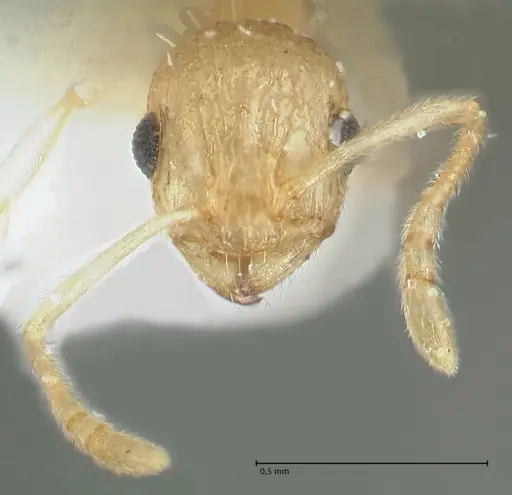
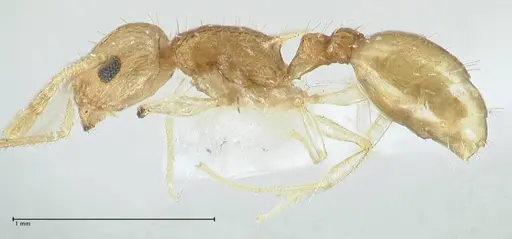
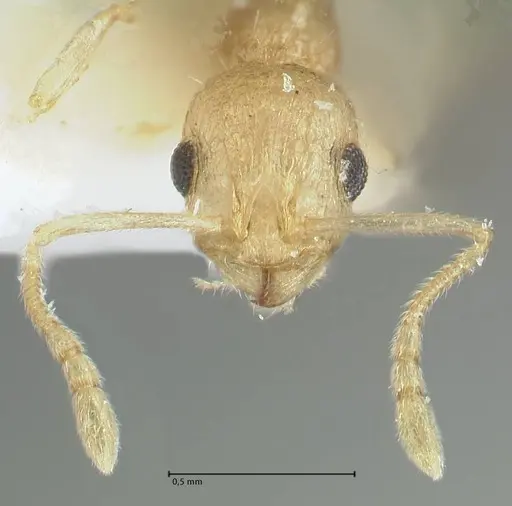
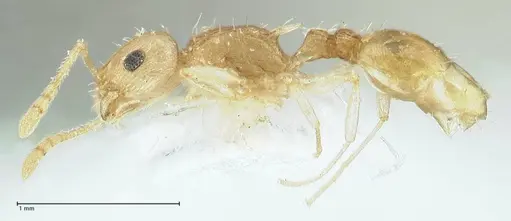
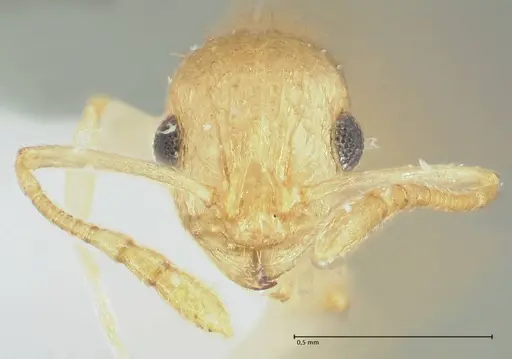
Temnothorax nordmeyeri is a tiny ant species endemic to India, specifically known from Goa and Karnataka . Workers measure just 2.0-2.5 mm and have a distinctive uniformly pale yellow coloration throughout their body . They have notably long propodeal spines and their scape extends beyond the back of the head by about one-sixth of its total length . This species has an unusual lifestyle for a tropical Temnothorax - while most tropical members of this genus are arboreal, Temnothorax nordmeyeri appears to be terrestrial, nesting in the soil near the base of old Sal trees . What makes this species interesting is its cryptic lifestyle and the mystery surrounding its colony structure. The original specimens were found buried 5-10 cm deep in narrow soil gaps close to an old Sal tree , in an area with a 5-month dry season where the soil surface completely dries out. This terrestrial nesting habit is unique among Asian Temnothorax species, as most prefer arboreal microhabitats. Queens and males have never been described, so many aspects of their biology remain unknown .
Quick Summary
- Difficulty: Expert
- Origin & Habitat: Endemic to India, specifically found in Goa and Karnataka states. The species was discovered in a mosaic landscape of cultivated trees, shrubs, grass areas, and single old Sal trees. They nest terrestrially in the soil at approximately 5-10 cm depth, close to the base of old Sal trees, an unusual habit for tropical Temnothorax species which are typically arboreal [2][6].
- Colony Type: Unconfirmed. The colony structure of this species has not been documented. Based on typical Temnothorax patterns, they are likely single-queen colonies, but this remains unconfirmed. No queen or male specimens have been described [6].
- Size & Growth:
- Queen: Unknown, queens have never been described [6]
- Worker: 2.0-2.5 mm [3][4]
- Colony: Unknown, only a small number of workers have ever been collected [6]
- Growth: Unknown
- Development: Unconfirmed, estimated 6-10 weeks based on related Indian Temnothorax species (Development timeline has not been directly studied. Estimates based on genus-level data for similar subtropical Temnothorax species.)
- Antkeeping:
- Temperature: Keep at 24-28°C. Being from Goa, a tropical coastal region of India, they likely prefer warm conditions. Provide a temperature gradient allowing workers to self-regulate [6].
- Humidity: Moderate to high humidity. In their natural habitat, the dry season lasts about 5 months, but they nest deeper in soil where moisture persists. Keep the nest substrate consistently moist but not waterlogged, with some drier areas available [6].
- Diapause: Possibly reduced activity during dry season rather than true hibernation. The 5-month dry season in Goa may require a period of reduced activity, but this is not equivalent to cold hibernation. Further research needed [6].
- Nesting: This species is terrestrial, unusual for tropical Temnothorax. They nest in soil at 5-10 cm depth near tree bases. In captivity, a naturalistic setup with soil or a plaster nest with moisture retention would be appropriate. Their tiny size means chambers should be small and scaled appropriately [6].
- Behavior: This species is poorly documented in captivity due to its extreme rarity. Workers are tiny at 2.0-2.5 mm and have a pale yellow coloration. They likely have a peaceful temperament typical of Temnothorax, but their exact behavior is unconfirmed. Their cryptic terrestrial lifestyle suggests they may be shy and not particularly aggressive. Escape prevention is critical due to their very small size, they can easily squeeze through standard barriers [6].
- Common Issues: escape prevention is critical, at 2-2.5 mm, they can squeeze through the tiniest gaps and standard barriers may not contain them, colony establishment is extremely difficult, this species has rarely been kept in captivity and founding behavior is unconfirmed, humidity management is tricky, they need moist soil but must avoid flooding which can drown tiny colonies, dry season adaptation is poorly understood, the 5-month dry season in their habitat may require specific seasonal care that remains undocumented, virtually no captive breeding success documented, this is one of the rarest ant species in the hobby with almost no established colonies
Discovery and Distribution
Temnothorax nordmeyeri was first described by Andreas Schulz in 1997 from specimens collected in Goa, India [1]. The type locality is near Velsao, approximately 5 km east of Dabolim Airport at an elevation of 50 m [6]. The species has subsequently been recorded from Karnataka state as well, making it endemic to India [2].
The discovery site was a unique mosaic landscape with cultivated trees, shrubs, grass areas, and scattered old Sal trees (Shorea robusta) [6]. During the approximately 5-month dry season in this region, trees lose their leaves and the soil surface dries out completely [6]. Despite this, the ants were found buried 5-10 cm deep in narrow soil gaps near an old Sal tree, suggesting they can access deeper soil moisture during dry periods [6].
This terrestrial nesting habit is highly unusual, most tropical Leptothorax and Temnothorax species are arboreal, nesting under bark, in dead twigs, or in epiphytes. Temnothorax nordmeyeri represents an exception with its cryptic, soil-dwelling lifestyle [6].
Identification and Morphology
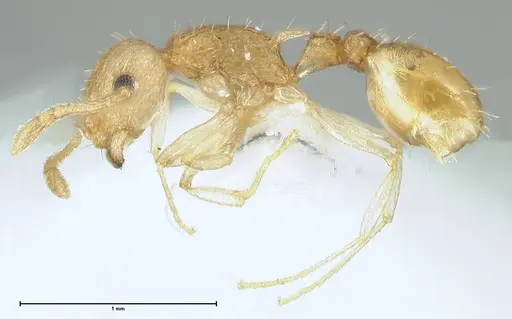
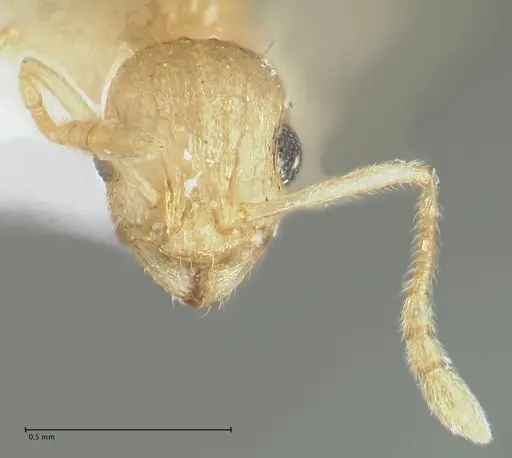
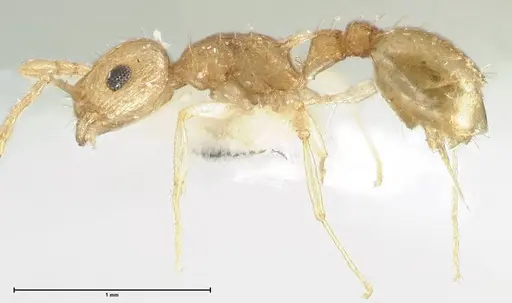
Workers of Temnothorax nordmeyeri are tiny, measuring 2.0-2.5 mm in total length [3][4]. The most distinctive feature is their uniformly pale yellow coloration throughout the body and appendages [3][5]. The scape is notably long, reaching beyond the posterior margin of the head by approximately one-sixth of its total length [3][4]. They have relatively large eyes for their size [6]. The propodeal spines are very long and straight [4][5]. The mesosoma has an evenly convex profile without a distinct metanotal groove [6]. The petiole is elongate, robust, and relatively low [6].
This species can be distinguished from the similar Temnothorax finzii (from the eastern Mediterranean) by its smaller size, longer spines, and uniformly pale yellow color [6]. From Temnothorax nassonovi (China), it differs in being smaller and having relatively larger eyes [6].
Housing and Nesting
Given this species' unusual terrestrial nesting habit in tropical India, captive housing should reflect their natural soil-dwelling behavior [6]. A naturalistic setup with a soil-filled container or a plaster nest with moisture-retaining chambers would be appropriate [6]. The nest chambers should be small and scaled to their tiny 2-2.5 mm worker size [6].
The deep soil nesting in their natural habitat (5-10 cm) suggests they prefer enclosed, humid spaces [6]. Provide a moisture gradient within the nest so workers can self-regulate their humidity preferences [6]. A layer of litter on the surface (mimicking the ~1 cm litter layer in their habitat) may be appreciated [6].
Escape prevention cannot be overstated, at 2.0-2.5 mm, these ants are among the smallest in the genus and can easily escape through standard barrier methods. Use fine mesh, tight-fitting lids, and consider applying Fluon or similar barriers to all enclosure edges [6].
Temperature and Seasonal Care
Temnothorax nordmeyeri originates from Goa, a tropical coastal region in western India [6]. This suggests they prefer warm conditions, likely in the range of 24-28°C [6]. Provide a gentle temperature gradient within the setup, allowing workers to move between warmer and cooler areas as needed [6].
The 5-month dry season in their habitat is noteworthy. During this period, trees lose leaves and the soil surface dries completely [6]. However, the ants were found at 5-10 cm depth where soil moisture persists. This suggests they may require a period of reduced activity during the dry season, though this is not equivalent to cold hibernation, rather, it may be a period of deeper nesting and conservation of moisture [6].
In captivity, maintain consistent warmth and humidity year-round. If your colony shows seasonal changes in activity, this may correspond to the dry season pattern, but this species is so rarely kept that no established seasonal protocols exist [6].
Feeding and Diet
The natural diet of Temnothorax nordmeyeri has not been documented [6]. Like most Temnothorax species, they likely are omnivorous, feeding on small insects, honeydew, and nectar [6]. Their tiny worker size (2.0-2.5 mm) means prey items must be very small, springtails, booklice, and other micro-arthropods would be appropriate [6].
Given their soil-dwelling lifestyle, they may be more predatory on soil microfauna than arboreal relatives [6]. Offer small live prey items regularly, along with occasional sugar sources like diluted honey or sugar water. Due to their small size, even tiny prey items represent significant nutrition [6].
Feed small amounts frequently rather than large prey items that may overwhelm the colony. Remove uneaten prey after 24-48 hours to prevent mold issues in the humid nest environment [6].
Challenges and Rarity
Temnothorax nordmeyeri is one of the rarest and most poorly known ant species in the antkeeping hobby [6]. This species has been documented from only 13 worker specimens ever collected, the holotype and 12 paratypes from a single collection event in Goa,1997 [6]. Queens and males remain unknown and undescribed [6].
This extreme rarity means virtually no captive breeding success exists, and established care protocols have not been developed [6]. Obtaining a founding colony would be exceptionally difficult, as they are not commercially available and wild collection would be ethically questionable for such a rare endemic species [6].
For these reasons, Temnothorax nordmeyeri is best considered an expert-level species for advanced antkeepers interested in working with poorly documented species. The primary value in keeping this species would be contributing to our understanding of their biology through careful observation and documentation [6].
Frequently Asked Questions
How big do Temnothorax nordmeyeri workers get?
Workers are tiny, measuring only 2.0-2.5 mm in total length. This makes them one of the smaller Temnothorax species [3][4].
Where is Temnothorax nordmeyeri found?
This species is endemic to India, known only from Goa and Karnataka states [2]. It was first discovered near Velsao in Goa [6] and represents a rare terrestrial nesting species in what is typically an arboreal genus in tropical regions [6].
What do Temnothorax nordmeyeri ants look like?
They have a distinctive uniformly pale yellow coloration throughout their body and appendages [3][5]. They have notably long propodeal spines [4][5] and their antenna scape extends beyond the back of the head by about one-sixth of its length [3][4].
Are Temnothorax nordmeyeri good for beginners?
No. This is an expert-level species due to several factors: they are extremely rare in the hobby, their colony structure and founding behavior remain unconfirmed, and they have specific but poorly understood humidity and seasonal requirements. They are not commercially available [6].
How do I house Temnothorax nordmeyeri?
Given their unusual terrestrial nesting habit [6], use a naturalistic setup with soil or a moisture-retaining plaster nest [6]. Chambers should be small and scaled to their tiny 2-2.5 mm size [6]. Excellent escape prevention is critical [6].
Do Temnothorax nordmeyeri queens sting?
Queens have never been described, so this is unknown [6]. However, Temnothorax workers are tiny and generally non-aggressive [6].
What temperature do Temnothorax nordmeyeri need?
Being from tropical Goa, India, they likely prefer warm conditions around 24-28°C [6]. Provide a temperature gradient so workers can self-regulate [6]. Their natural habitat experiences warm temperatures year-round [6].
How long does it take for Temnothorax nordmeyeri to develop from egg to worker?
This is unconfirmed, no research has documented their development timeline [6]. Based on typical Temnothorax patterns, estimate 6-10 weeks from egg to first worker at optimal temperature, but this is a rough guess for this poorly studied species [6].
Can I keep multiple Temnothorax nordmeyeri queens together?
This is unknown. The colony structure of this species has never been documented, queens have never been described [6]. Based on typical Temnothorax patterns, they likely form single-queen colonies, but this remains unconfirmed. Do not attempt combining unrelated queens [6].
What makes Temnothorax nordmeyeri special?
This species is unusual because it has a terrestrial, soil-dwelling lifestyle while most tropical Temnothorax are arboreal [6]. It was found nesting 5-10 cm deep in soil near old Sal trees in Goa [6], a unique habit not recorded in any other Asian Temnothorax [6]. Additionally, it is one of the rarest ant species known, with only 13 workers ever collected [6].
Report an Issue
The current care sheet is based fully on literature. See inconsistencies, or something that's incorrect? Please , it will be resolved after review from an admin. Contributing to the blogs tab also helps providing information, to make us be able to further improve the caresheets. Thank you for your support!
References

Este guia de cuidados está sob a licença CC BY-SA 4.0 .
Posts da comunidade
FOCOL0608
Ver no AntWeb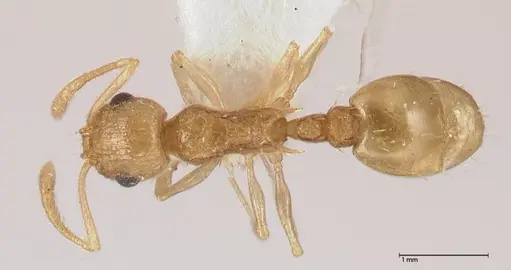
FOCOL0609
Ver no AntWeb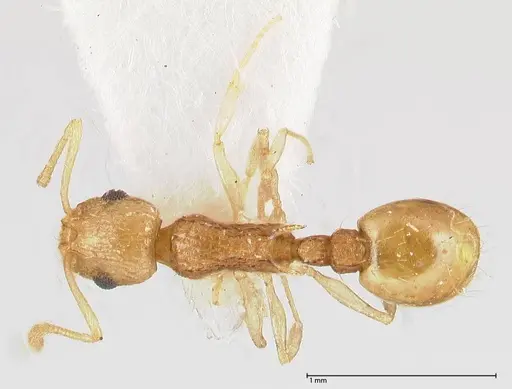
FOCOL1803
Ver no AntWeb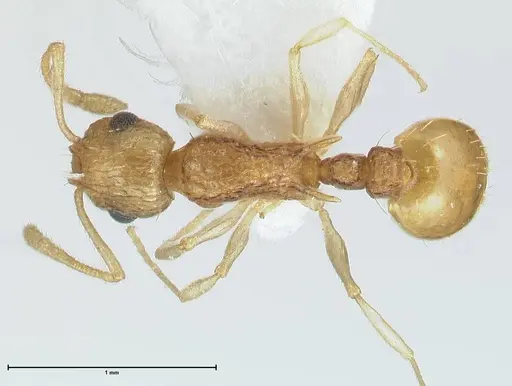
FOCOL1804
Ver no AntWeb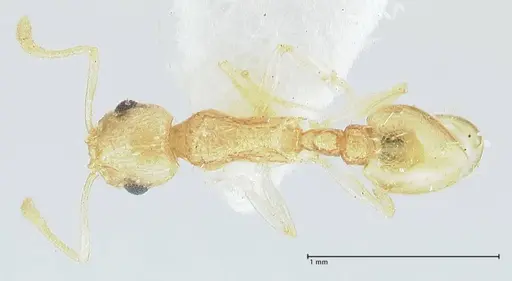
FOCOL1805
Ver no AntWeb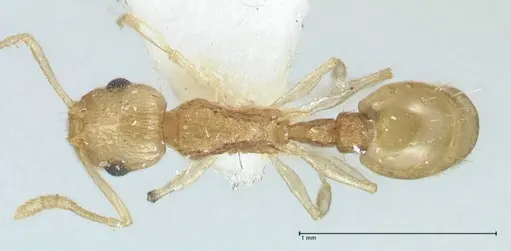
FOCOL1806
Ver no AntWeb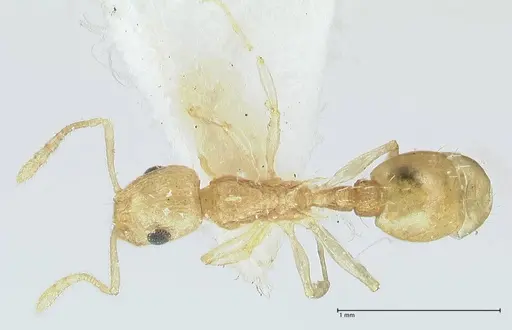
FOCOL1807
Ver no AntWeb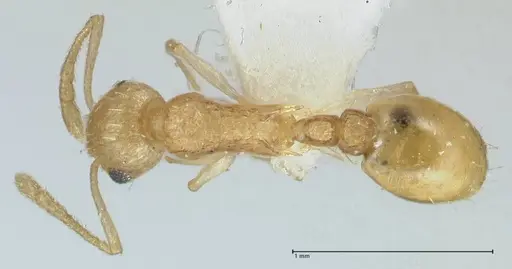
FOCOL1808
Ver no AntWeb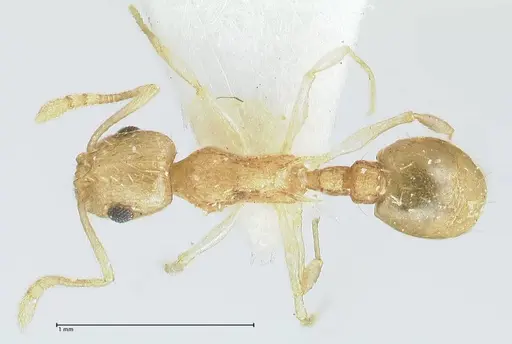
Literatura
Carregando mapa de distribuição...Carregando produtos...