
Temnothorax kurilensis
- Nome científico
- Temnothorax kurilensis
- Tribo
- Crematogastrini
- Subfamília
- Myrmicinae
- Autor
- Radchenko, 1994
- Distribuição
- Encontrada em 0 países
Introdução
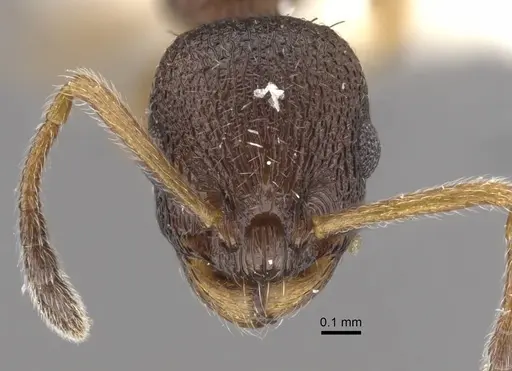
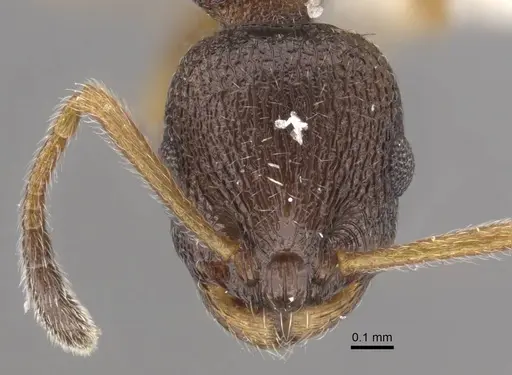
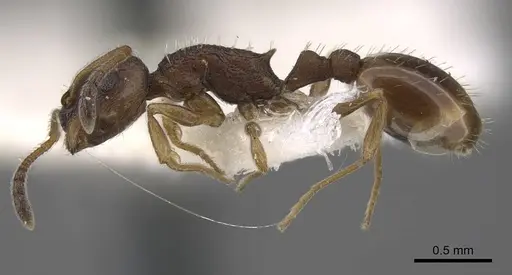
Temnothorax kurilensis is a small ant endemic to Kunashir Island in the Southern Kuril Islands, Russia . It was originally described in 1994 as Leptothorax kurilensis and later moved to Temnothorax in 2003 . Queens and workers have been collected, but detailed measurements are not publicly available. They live in rich deciduous forests , and their biology is poorly known . This species belongs to the Sakhalino-Kurilo-Japanese complex and closely resembles Temnothorax congruus.
Quick Summary
- Difficulty: Medium
- Origin & Habitat: Kunashir Island in the Southern Kuril Islands, Russia, part of the Palaearctic region. Inhabits rich deciduous forests [1][3][2].
- Colony Type: Unconfirmed for this species. Based on typical Temnothorax patterns, they likely form single-queen (monogyne) colonies, though some related species have ergatoid replacement queens.
- Size & Growth:
- Queen: Inferred from genus Temnothorax, queens are roughly 4-5 mm. Direct measurements are unavailable.
- Worker: Inferred from genus Temnothorax, workers are roughly 2-4 mm. Direct measurements are unavailable.
- Colony: Unknown, based on genus patterns, likely up to a few hundred workers at maturity.
- Growth: Moderate (inferred from genus)
- Development: Estimated 6-10 weeks at 20°C based on related Temnothorax species, not documented for T. kurilensis. (Development speed depends on temperature. Warmer conditions (within safe range) speed it up, cooler slows it down.)
- Antkeeping:
- Temperature: Active season: 18-22°C, avoid prolonged heat above 25°C. This temperate species [1] tolerates cooler conditions better than heat. Provide a gradient if possible.
- Humidity: Moderate: keep nest substrate slightly moist but not waterlogged. Provide a drinking tube.
- Diapause: Yes, based on temperate origin [1], a winter rest of 2-3 months at 5-10°C is recommended.
- Nesting: Small snug nests: Y-tong (AAC), plaster, or soil nests with tight chambers. Test tube setups work for founding. Avoid oversized formicaria.
- Behavior: Peaceful, non‑aggressive. Forages individually or in small groups. As a member of Crematogastrini, it uses a smear defense: a modified flattened stinger wipes venom onto enemies rather than piercing. Extremely tiny, so escape risk is very high, seal all gaps. Not dangerous to humans.
- Common Issues: escape prevention critical, they can slip through gaps under 1 mm, colony grows slowly, avoid overfeeding or frequent disturbance, wild‑caught colonies may carry parasites, sensitive to vibrations and disturbance, place in a quiet spot
Origin and Natural Habitat
Temnothorax kurilensis is endemic to Kunashir Island in the Southern Kuril Islands, Russia [1]. This volcanic island has a temperate climate with distinct seasons. The species has only been collected from rich deciduous forests [1]. It is part of the Sakhalino‑Kurilo‑Japanese species complex [2]. In the wild, they likely nest in small cavities under stones, in decaying wood, or in leaf litter, typical for Temnothorax. Their ecology is very poorly known [1].
Temperature and Seasonal Care
Because this species comes from a temperate island with seasonal climate [1], a winter diapause is important. During the active season, keep temperatures around 18-22°C. Avoid prolonged heat above 25°C. For winter rest, reduce temperature to 5-10°C for 2-3 months. Taper food and avoid disturbance during diapause.
Nesting and Housing
Part of the genus Temnothorax, which typically nests in small cavities. In captivity, use Y‑tong (AAC), plaster, or soil nests with chambers sized for a tiny colony. Test tube setups work well for founding and small colonies. Provide a connected outworld for foraging. Never use large formicaria designed for biggerants, the extra space stresses the colony.
Feeding and Diet
Generalist feeder, accept small protein sources (fruit flies, pinhead crickets, mealworm pieces) and sugars (honey water, sugar water). Offer food 2-3 times a week, removing leftovers after 24-48 hours to prevent mold. In nature they likely scavenge and collect honeydew, but specific data is lacking [1].
Behavior and Colony Dynamics
Peaceful, timid ants that forage alone or in small groups. As a member of Crematogastrini, they possess a modified flattened stinger used for smearing venom, not for piercing. They are not aggressive and pose little risk to keepers [1]. Colony dynamics are unstudied, but based on genus they are likely monogyne with a single queen.
Frequently Asked Questions
How long does it take for Temnothorax kurilensis to produce first workers?
Not documented for this species [1]. Based on related Temnothorax, expect 6-10 weeks from egg to worker at 20°C. Be patient, disturbance slows development.
What is the best nest type for Temnothorax kurilensis?
Y‑tong, plaster, or soil nests with snug chambers. Test tube setups work for small colonies. Avalanche of space causes stress. Adapt as the colony grows.
Do Temnothorax kurilensis ants sting?
They have a modified stinger that smears venom, not pierces, so they are not dangerous. They are very passive and unlikely to use it against keepers.
How big do Temnothorax kurilensis colonies get?
Unknown [1]. Most Temnothorax stay under a few hundred workers. Colonies are small compared to Formica or Camponotus.
Do Temnothorax kurilensis need hibernation?
Yes, they come from a temperate climate [1] with cold winters. Provide 2-3 months at 5-10°C. Reduce food and avoid disturbance during this rest.
What do Temnothorax kurilensis eat?
Small insects and sugars. Offer fruit flies, tiny crickets, honey water. Remove uneaten food after a day to prevent mold.
Are Temnothorax kurilensis good for beginners?
Medium difficulty. Their tiny size and escape risk make them trickier than large hardy species, but their peaceful nature and moderate care demands are manageable for keepers with some experience.
Can I keep multiple queens together?
Not documented [1]. Most Temnothorax are monogyne. House foundresses separately until you confirm their social structure, forcing cohabitation usually ends in fighting.
Why are my Temnothorax kurilensis dying?
Common causes: escape (check for 0.5 mm gaps), stress from vibrations, humidity imbalance, heat wave, or parasites from wild colonies. Check each parameter and adjust one at a time.
When should I move my colony to a formicarium?
Wait until the test tube is visibly crowded (20+ workers) and the water cotton begins to degrade. Move slowly using a connecting tube, abrupt relocation causes stress.
Report an Issue
The current care sheet is based fully on literature. See inconsistencies, or something that's incorrect? Please , it will be resolved after review from an admin. Contributing to the blogs tab also helps providing information, to make us be able to further improve the caresheets. Thank you for your support!
References

Este guia de cuidados está sob a licença CC BY-SA 4.0 .
Posts da comunidade
CASENT0917451
Ver no AntWeb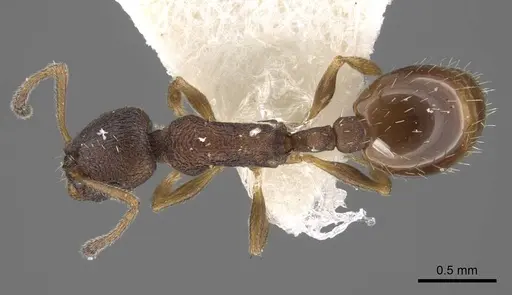
Literatura
Carregando mapa de distribuição...Carregando produtos...