
Temnothorax kaszabi
- Nome científico
- Temnothorax kaszabi
- Tribo
- Crematogastrini
- Subfamília
- Myrmicinae
- Autor
- Pisarski, 1969
- Distribuição
- Encontrada em 0 países
Introdução
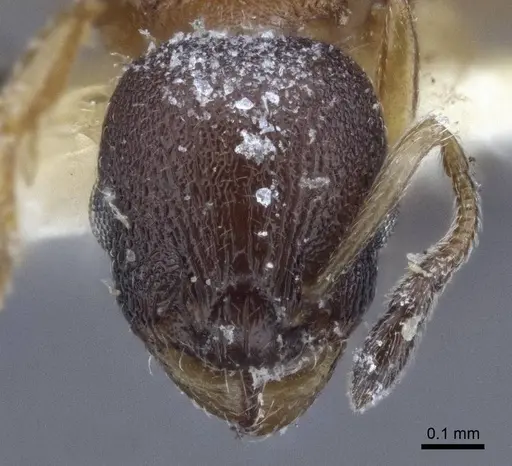
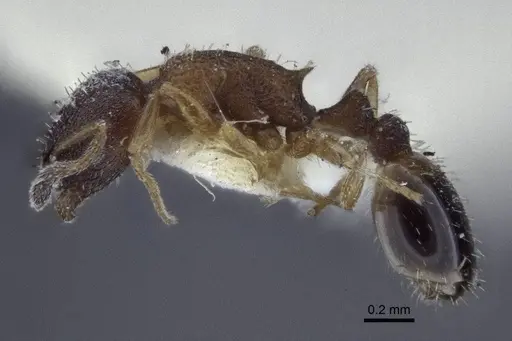
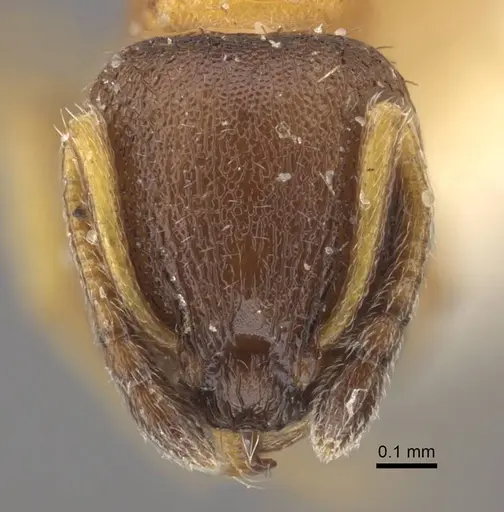
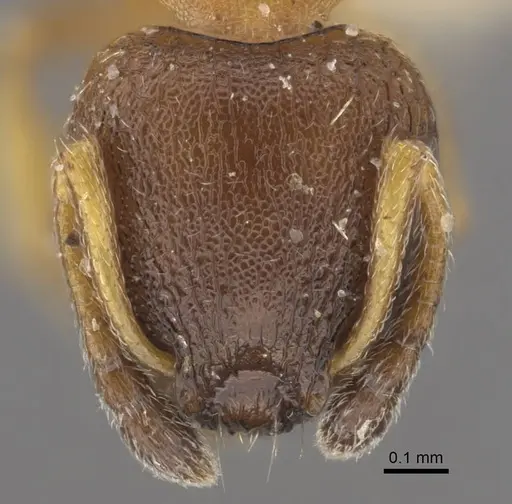
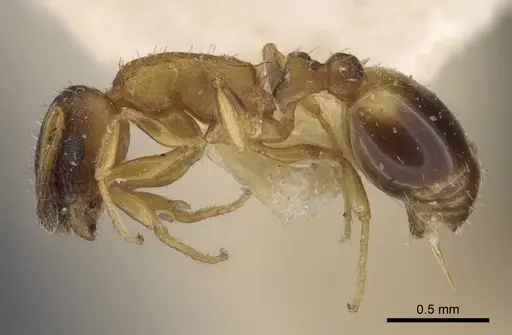
Temnothorax kaszabi is a small Myrmicinae ant native to the Eastern Palaearctic, found in Mongolia, parts of Russia (Altai, Tuva, Yakutia, Sakhalin), and North Korea . They are tiny ants, no specific body measurements are published, but typical Temnothorax workers are around 2-4 mm and queens around 4-6 mm. Their gaster is dark brown (much darker than the rest of the body) with a pale spot at the base of the first tergite, which sets them apart from the similar Euro-Siberian Temnothorax tuberum . The species was originally described as Leptothorax kaszabi and later moved to Temnothorax; it is a senior synonym of Leptothorax tuberum sachalinensis . They live in steppes and dry meadows, rarely in open forests, and build their nests directly in soil . Like other Temnothorax, they are likely monogyne, with small to moderate colonies. Their small size and ground-nesting habits make them an interesting species for keepers who enjoy temperate ants.
Quick Summary
- Difficulty: Medium
- Origin & Habitat: Eastern Palaearctic, Mongolia, south-eastern Altai, Tuva, southern Yakutia, Russian Far East (Sakhalin), North Korea [1][2]. Inhabits mainly steppes and dry meadows, rarely in lighted, open forests. Nests are built in soil [1].
- Colony Type: Likely monogyne (single queen) based on typical Temnothorax patterns. Colony size is moderate, up to a few hundred workers.
- Size & Growth:
- Queen: ~4-6 mm (inferred from Temnothorax genus, no species-specific measurements available) [1]
- Worker: ~2-4 mm (inferred from Temnothorax genus, no species-specific measurements available) [1]
- Colony: Up to 500 workers (estimated based on similar steppe-dwelling Temnothorax) [1]
- Growth: Moderate, typical for temperate species
- Development: 6-10 weeks (estimated from related species at room temperature) [1] (Development time depends on temperature. Founding queens raise first workers claustrally (likely).)
- Antkeeping:
- Temperature: 18-22 °C, based on steppe habitat, maintain moderate, stable room temperatures. Avoid extremes below 10 °C or above 28 °C for long periods [1].
- Humidity: Provide a moisture gradient. Keep the nest substrate slightly moist but allow parts to dry out between waterings. Avoid waterlogging, these steppe ants are adapted to drier conditions than many Myrmicinae [1].
- Diapause: Yes, this species originates from regions with cold winters (Mongolia, Siberia). Provide 3-4 months at 5-10 °C (November-February in the Northern Hemisphere) [1][2].
- Nesting: Soil-nesting. Use a Y-tong, plaster, or naturalistic soil nest with a moisture chamber. A test tube works for founding. The ants will excavate chambers in the lower part of the substrate [1].
- Behavior: Peaceful and non-aggressive. Their primary defense is venom-smearing, a modified, spatulate stinger wipes venom onto threats rather than piercing (typical of Crematogastrini). Workers flee rather than fight. Escape is a major risk due to their tiny size, use fine mesh or PTFE barriers. They are active foragers of small invertebrates and likely tend aphids for honeydew.
- Common Issues: escape prevention is critical, workers can squeeze through standard gaps, use tight-sealing enclosures, founding phase is slow, queens may take 6-10 weeks to produce first workers, and beginners may lose patience, winter diapause is essential, skipping it weakens or kills the colony over time, dry conditions during founding cause queens to eat brood or abandon the nest, wild-caught colonies may carry parasites (mites, nematodes) that can devastate captive populations
Housing and Nest Setup
Temnothorax kaszabi nests in soil. For a founding colony, a test tube with a water reservoir works well, the queen will start a claustral foundation there. Once the colony grows (20+ workers), move them to a Y‑tong or plaster nest with a moisture chamber, or a naturalistic setup with a soil substrate. Use a well‑draining mix (sand/loam) and add some surface debris. Because these are steppe ants, the substrate should never be waterlogged, provide a moisture gradient so parts dry out between waterings. The ants will excavate chambers in the lower, moister section [1].
Feeding and Diet
Specific dietary studies for T. kaszabi are lacking, but like other Temnothorax they are omnivorous with a strong protein preference. Offer small insects (fruit flies, pinhead crickets, pre‑killed mealworms) two or three times per week. Keep a constant source of sugar water or honey available. In nature they likely hunt tiny invertebrates and tend aphids for honeydew. Remove uneaten prey after 24 hours to prevent mold. Because the workers are tiny, all prey must be appropriately sized, crush larger items if needed [1].
Temperature and Seasonal Care
Maintain the colony at 18-22 °C during the active season (spring through autumn). Room temperature usually works well. Avoid prolonged temperatures above 28 °C or below 10 °C. In winter, a 3‑to‑4‑month diapause at 5-10 °C is essential, it mimics the cold winters of Mongolia and Siberia. Place the colony in a cool room, basement, or refrigerator (monitor humidity). Reduce feeding before diapause and keep the nest slightly drier. Skipping this rest period will weaken the colony and may prevent future reproduction [1][2].
Behavior and Defense
Temnothorax kaszabi is a peaceful ant that rarely shows aggression. When threatened, workers try to flee. If cornered, they use a venom‑smearing defense, a modified, spatulate stinger wipes venom onto the attacker rather than piercing skin (typical of the Crematogastrini tribe). This venom is harmless to humans. Colonies are likely monogyne, with a single queen founding nests claustrally. Workers are active foragers that search for small prey and honeydew. Their tiny size means they can escape through very small gaps, use tight‑fitting lids, fine mesh, or PTFE barriers to prevent escapes [1].
Frequently Asked Questions
How long does it take for Temnothorax kaszabi to raise their first workers?
Typically 6-10 weeks from egg to first worker at room temperature (~20 °C). This is estimated from related Temnothorax species. The queen raises the first brood on stored body reserves (claustral foundation). Exact timing depends on temperature and individual queen condition [1].
Do Temnothorax kaszabi need hibernation?
Yes, they come from regions with cold winters (Mongolia, Siberia, North Korea). Provide 3-4 months at 5-10 °C, typically November through February. Skipping diapause can weaken or kill the colony over time [1][2].
What do Temnothorax kaszabi ants eat?
They are omnivorous but benefit from a protein‑rich diet. Feed small live or pre‑killed insects (fruit flies, tiny crickets, mealworms) two or three times per week. Always keep sugar water or honey available. Remove leftovers after 24 hours to avoid mold [1].
Are Temnothorax kaszabi good for beginners?
They are rated medium difficulty. The main challenges are their tiny size (easy to lose if not contained), slow founding phase, and the strict need for winter diapause. If you are comfortable with these requirements, they are hardy and interesting. Beginners may find the slow start frustrating [1].
Can I keep multiple Temnothorax kaszabi queens together?
Based on typical Temnothorax patterns, this species is likely monogyne, keep only one queen per colony. Combining unrelated queens will probably lead to fighting and death. If you have multiple queens, set up each one separately after mating [1].
What size colony does Temnothorax kaszabi reach?
Colony size is not precisely documented, but similar steppe‑dwelling Temnothorax reach a few hundred workers. Growth is moderate, expect a colony to take a year or more to reach 50-100 workers and eventually up to 500 [1].
Do Temnothorax kaszabi ants sting?
They have a modified stinger, but they don't pierce human skin. Instead, they wipe venom onto threats (venom‑smearing defense). This venom is harmless to people and causes no pain. They are completely safe to handle, though you should avoid crushing them due to their small size.
What temperature is best for Temnothorax kaszabi?
18-22 °C, room temperature works well. They can handle short periods cooler or warmer, but avoid extremes below 10 °C (outside diapause) and above 28 °C. Provide a slight gradient so the ants can choose their preferred spot [1].
When should I move my colony to a formicarium?
Keep the founding colony in a test tube until you see 20-30 workers. Once the tube becomes too small or workers start avoiding the water reservoir, transfer to a Y‑tong, plaster, or soil nest. A test tube setup can stay longer if the colony is still small, don’t rush the move [1].
Why is my Temnothorax kaszabi colony dying?
Common reasons: missing winter diapause (essential), dry conditions during founding (queen eats brood or starves), parasites from wild‑caught colonies, or feeding prey that is too large for the tiny workers. Also check for escape, they can vanish through small gaps. Ensure proper hibernation, moisture, and appropriately sized food [1].
Report an Issue
The current care sheet is based fully on literature. See inconsistencies, or something that's incorrect? Please , it will be resolved after review from an admin. Contributing to the blogs tab also helps providing information, to make us be able to further improve the caresheets. Thank you for your support!
References

Este guia de cuidados está sob a licença CC BY-SA 4.0 .
Posts da comunidade
CASENT0916694
Ver no AntWeb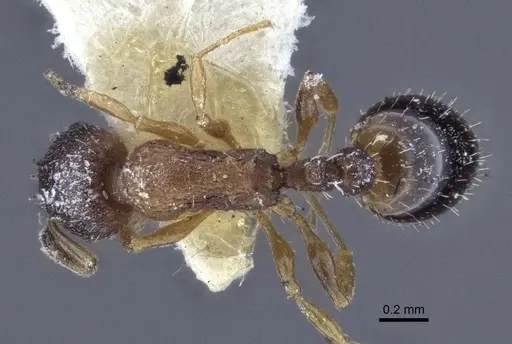
CASENT0917463
Ver no AntWeb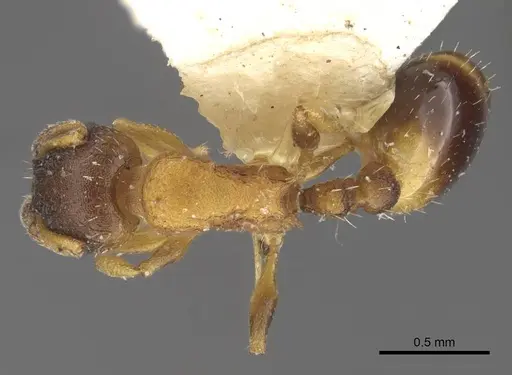
Literatura
Carregando mapa de distribuição...Carregando produtos...