
Temnothorax gentilis
- Nome científico
- Temnothorax gentilis
- Tribo
- Crematogastrini
- Subfamília
- Myrmicinae
- Autor
- Santschi, 1923
- Distribuição
- Encontrada em 1 países
Introdução
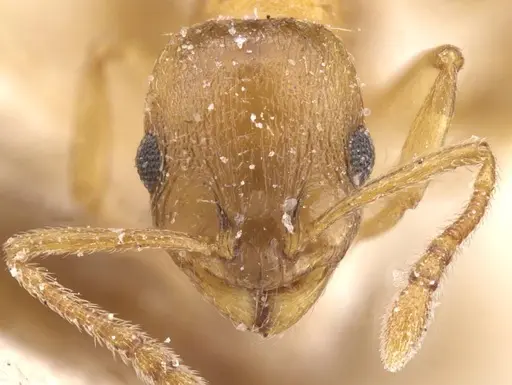
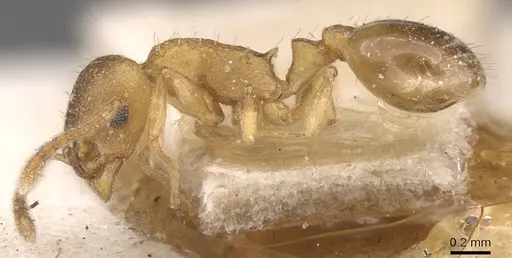
Temnothorax gentilis is a small ant belonging to the tebessae superespecies group . Like other Temnothorax, workers are small (around 3-4 mm) and dark. They are found in the Iberian Peninsula. Their natural nests are in pre‑existing cavities like hollow twigs, under stones, or in small rock crevices. Colonies stay small - typically under a few hundred workers. These are peaceful ants that avoid confrontation, making them good for observation.
Quick Summary
- Difficulty: Medium
- Origin & Habitat: Iberian Peninsula, dry to moderately humid habitats with access to small cavities for nesting.
- Colony Type: Likely monogyne (single queen) based on typical Temnothorax patterns.
- Size & Growth:
- Queen: Estimated 5-6 mm (inferred from genus).
- Worker: Estimated 3-4 mm (inferred from genus).
- Colony: Likely under 500 workers at maturity.
- Growth: Slow to moderate.
- Development: Estimated 6-10 weeks at room temperature (based on related species). (Exact timing for Temnothorax gentilis is undocumented.)
- Antkeeping:
- Temperature: Keep at room temperature (18-24°C). They tolerate a range from cool to moderately warm. A slight gradient helps them choose their preferred zone.
- Humidity: Keep the nest substrate slightly dry but offer a small moist area. Avoid wet conditions that cause mold, they prefer dry, stable environments.
- Diapause: Likely requires a winter rest period of 2-3 months at cooler temperatures (5-10°C), typical for temperate European Temnothorax.
- Nesting: Provide small cavities, test tubes with cotton, Y‑tong blocks, or natural setups with twigs and stones work well. They need tight, small chambers scaled to their tiny size.
- Behavior: Peaceful and non‑aggressive. Workers are tiny and flee rather than fight. They have a modified stinger that smears venom (smear mechanism), but they pose little danger to you. They forage actively for small prey and honeydew. Because of their tiny size, escape prevention is critical, they can slip through very small gaps.
- Common Issues: tiny size makes escape prevention critical, use fine mesh and tight lids., limited species‑specific care information, stick to general Temnothorax practices., slow colony growth can test patience., wild‑caught colonies may carry parasites that cause colony failure., overheating or excess moisture can be fatal, they prefer dry, stable conditions.
Housing and Nest Preferences
Temnothorax gentilis does best in small, enclosed spaces that copy their natural nesting sites (hollow twigs, under stones, rock crevices). A test tube with a water reservoir sealed with cotton works great, it gives a humidity gradient. Small Y‑tong blocks with narrow chambers scaled for their tiny size also work. Avoid large, open spaces, these small ants get stressed. A naturalistic setup with small stones, twigs, and a thin layer of substrate can work, but make sure the enclosure is escape‑proof. Keep the nest in a quiet area with little vibration, they startle easily and may abandon brood if disturbed often.
Feeding and Diet
Like other Temnothorax, these ants eat both sugar and protein. Offer sugar water, honey, or diluted maple syrup as a constant carbohydrate source. For protein, give small live prey like fruit flies, pinhead crickets, or small mealworms. They are not aggressive hunters, so prey should be small and easy to handle. In the wild they likely forage for tiny insects and tend aphids for honeydew. Feed small amounts 2-3 times per week, remove uneaten prey after 24 hours to stop mold. Always keep a sugar source available.
Temperature and Seasonal Care
Temnothorax gentilis thrives at normal room temperatures (18-24°C). Brief cooler or warmer periods are okay, but avoid extremes. A heating cable on one side of the nest gives a temperature gradient so the ants can pick their preferred spot. As a temperate species, they need a winter diapause of 2-3 months. In autumn slowly drop the temperature to 5-10°C and reduce feeding. Keep them in a cool place like an unheated garage or refrigerator (not freezer). Resume normal warmth and feeding in spring. This rest is important for colony health and reproduction.
Behavior and Colony Dynamics
Temnothorax gentilis forms small, peaceful colonies usually with one queen. Workers are not aggressive and run away from threats instead of fighting. They have a modified stinger that smears venom (smear defense), it doesn't pierce skin, so they are harmless to you. Workers forage actively. Colonies grow slowly, a well‑established colony after a year might have 50-100 workers. Their tiny size makes them excellent escape artists, use fluon or similar barriers and check lids fit tightly. Founding is likely claustral: the queen seals herself in a small chamber and won't come out until the first workers (nanitics) appear.
Frequently Asked Questions
How long does it take for Temnothorax gentilis to raise their first workers?
Based on typical Temnothorax development, expect 6-10 weeks from egg to first worker (nanitic) at room temperature. This is an estimate from genus patterns, exact timing for this species hasn't been documented.
Can I keep Temnothorax gentilis in a test tube?
Yes, test tubes are ideal. Use a small tube with a water reservoir sealed with cotton. The narrow shape matches their natural love of hollow twigs and crevices.
Do Temnothorax gentilis ants sting?
They have a modified stinger, but it's used to smear venom, not to pierce skin. They pose no danger to keepers.
How big do Temnothorax gentilis colonies get?
Colonies likely reach under 500 workers at maturity, typical for the genus. Growth is slow, expect several months to a year to hit 50-100 workers.
Do Temnothorax gentilis need hibernation?
Yes, as a temperate species they probably need a winter rest period of 2-3 months at cooler temperatures (5-10°C). Reduce temperature gradually in autumn and resume normal care in spring.
Are Temnothorax gentilis good for beginners?
They are suitable for intermediate keepers because we don't have species‑specific care info. They are peaceful and small, but you need excellent escape prevention and a proper winter diapause.
What do Temnothorax gentilis eat?
They accept sugar sources (honey, sugar water, maple syrup) and small protein prey (fruit flies, small crickets, mealworms). Provide a constant sugar source and give small protein meals 2-3 times a week.
When should I move Temnothorax gentilis to a formicarium?
Wait until the colony has at least 50-100 workers before considering a larger nest. Test tubes work well for small colonies, only upgrade when they clearly outgrow the tube or produce alates.
Why are my Temnothorax gentilis dying?
Common causes: escape (they're tiny), overheating, too much humidity causing mold, disturbance during founding, or parasites from wild‑caught colonies. Keep temperatures stable, humidity moderate, and disturbance low.
Can I keep multiple queens together?
Not recommended. This species is likely monogyne (single queen). Combining unrelated queens hasn't been studied and usually ends in fighting.
Report an Issue
The current care sheet is based fully on literature. See inconsistencies, or something that's incorrect? Please , it will be resolved after review from an admin. Contributing to the blogs tab also helps providing information, to make us be able to further improve the caresheets. Thank you for your support!
References

Este guia de cuidados está sob a licença CC BY-SA 4.0 .
Posts da comunidade
CASENT0912923
Ver no AntWeb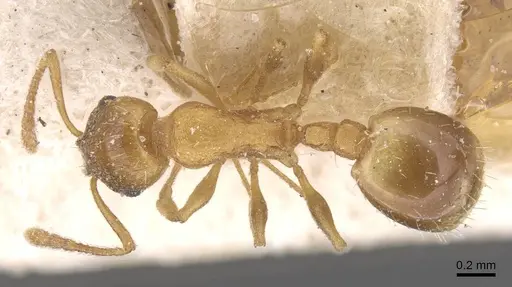
Literatura
Carregando mapa de distribuição...Carregando produtos...