
Technomyrmex pratensis
- Nome científico
- Technomyrmex pratensis
- Tribo
- Tapinomini
- Subfamília
- Dolichoderinae
- Autor
- Smith, 1860
- Distribuição
- Encontrada em 6 países
Introdução
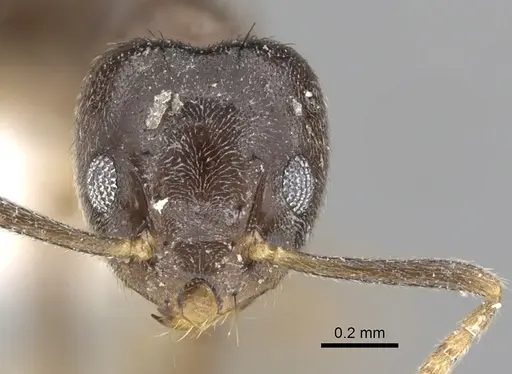
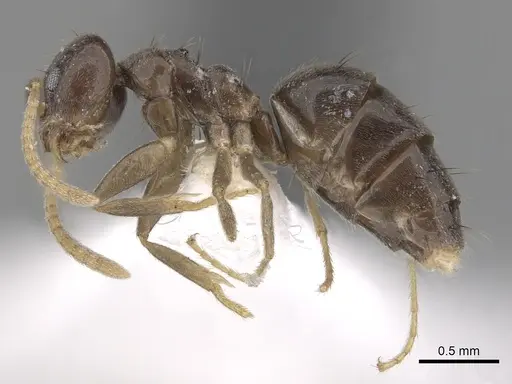
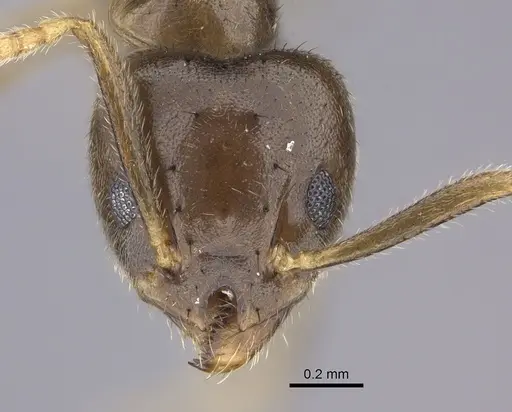
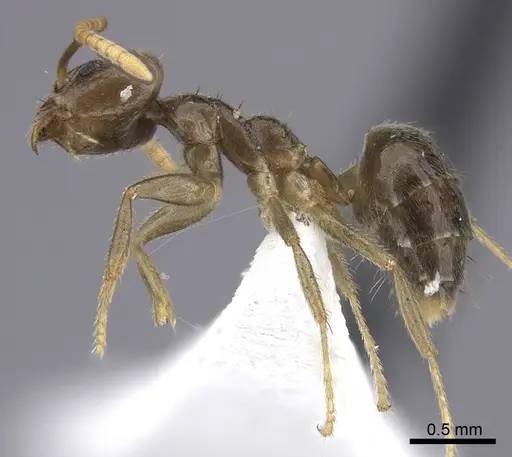
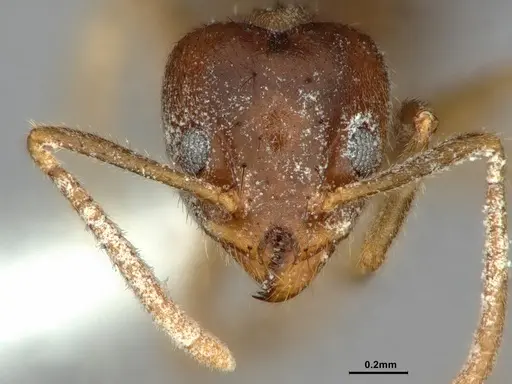
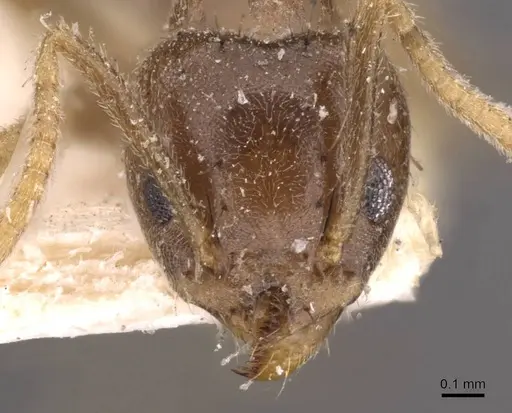
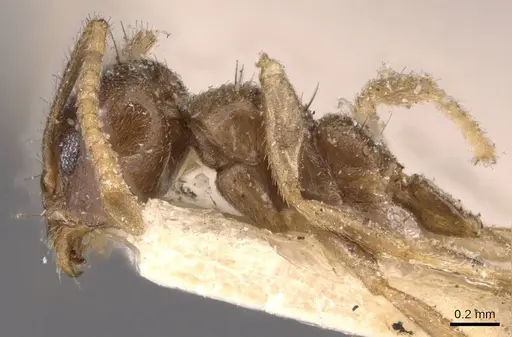
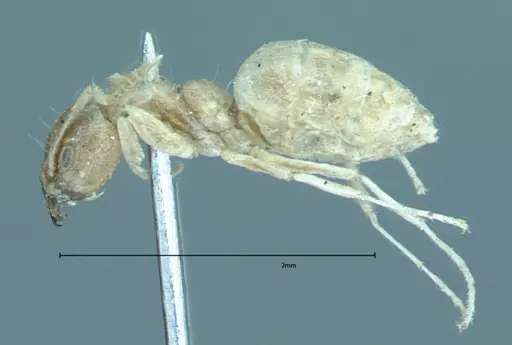
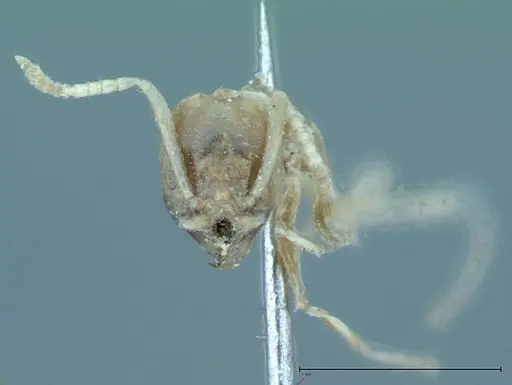
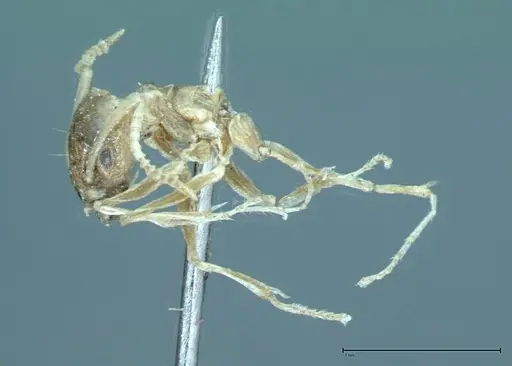
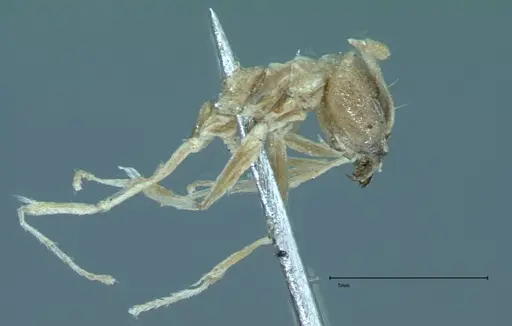
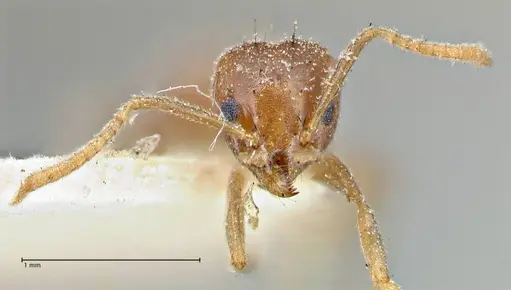
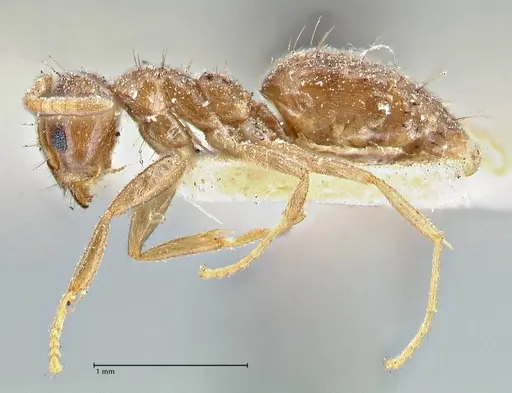
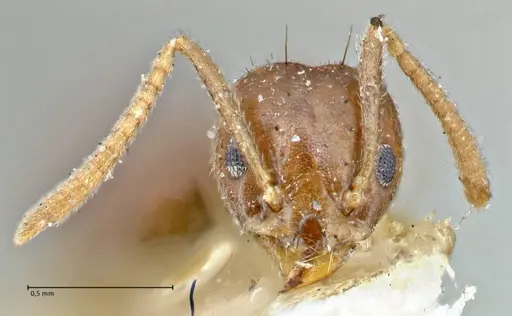
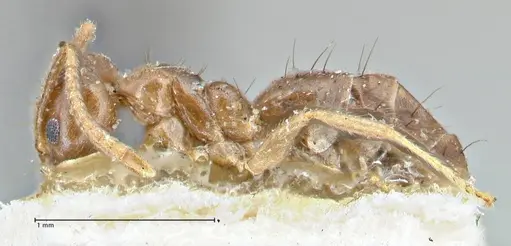
Technomyrmex pratensis is a small, stocky ant belonging to the Dolichoderinae subfamily. Workers measure 2.94–3.14 mm in total length, with a deep U-shaped notch on the front of the head (clypeus), five pairs of long erect hairs on the head, and a short, stout body . The head and thorax range from brownish yellow to brown, while the abdomen is the same color or darker. This species is the only member of the *Technomyrmex pratensis* species group and is widely distributed across the Indomalayan region, including India, China, Vietnam, Thailand, Malaysia, Singapore, and Indonesia . Unlike stinging ants, Dolichoderinae lack functional stingers and instead exude sticky, foul-smelling cyclopentanoid monoterpenes from their anal glands as a defense mechanism.
Quick Summary
- Difficulty: Easy
- Origin & Habitat: Native to the Indomalayan region (Borneo, India, Indonesia, Malaysia, Philippines, Singapore, Thailand, Vietnam) and southern China. A forest species that lives in leaf litter and disturbed forests, nests in soil, rotten wood, sometimes termite mounds, and under bark [1][2]. Found in both primary and secondary forests but absent from rubber plantations [3].
- Colony Type: Colony structure is not documented in scientific literature.
- Size & Growth:
- Queen: 4.55–4.62 mm total length [1]
- Worker: 2.94–3.14 mm total length [1]
- Colony: Unknown – not documented in scientific literature.
- Growth: Unknown – likely moderate based on related litter-dwelling species.
- Development: Not documented. Based on similar Dolichoderinae, estimated 6–10 weeks at optimal temperature (inferred). (Development time is inferred from related subfamily members, not confirmed for this species.)
- Antkeeping:
- Temperature: Keep at 22–26°C – this tropical forest ant likely prefers these conditions [2]. Avoid temperatures below 18°C or above 30°C.
- Humidity: High humidity – keep nest substrate consistently moist like a damp forest floor. In nature they live in leaf litter and moist soil [1].
- Diapause: Unlikely – as a tropical/subtropical species they are active year-round and do not require hibernation (inferred from range).
- Nesting: Nests in soil, rotten wood, termite mounds, under bark [1]. In captivity use a Y-tong (AAC) nest, plaster nest, or a naturalistic soil setup with good moisture retention. Avoid acrylic nests.
- Behavior: Relatively docile and non‑aggressive. Workers are small but active foragers in leaf litter. They lack a stinger – defense is by exuding sticky, foul‑smelling anal gland secretions. Escape prevention is important due to small size (under 4 mm), but they are not persistent escape artists. Best for observation, not handling.
- Common Issues: small size means escapes through tiny gaps – use fine mesh and tight‑fitting lids., colonies may be slow to establish, patience required during founding., high humidity needs can cause mold if ventilation is poor., wild‑caught colonies may harbor parasites that cause decline., overly dry environments will quickly stress and kill the colony.
Housing and Nest Setup
Technomyrmex pratensis naturally nests in soil, rotten wood, under bark, and occasionally in termite mounds [1]. For captivity, use a naturalistic setup with a moist soil layer – a mix of soil and sand that holds moisture. Add pieces of rotting wood or bark as hiding spots. A Y‑tong (AAC) or plaster nest also works well with good humidity control. Keep the substrate consistently damp, these ants come from humid forest litter and will quickly dry out and die in arid conditions. Use a water tube or reservoir connected to the nest to maintain humidity. Keep out of direct sunlight and avoid temperature extremes.
Feeding and Diet
Like most Dolichoderinae, Technomyrmex pratensis is omnivorous. Offer sugar water or diluted honey regularly – they readily accept these. For protein, provide small insects like fruit flies, small crickets, or mealworms sized for tiny workers. They forage in leaf litter, scavenging and hunting small arthropods. Feed every 2–3 days, remove uneaten prey after 24 hours to prevent mold. Keep a constant sugar source available between feedings. [1]
Temperature and Seasonal Care
Keep the colony at 22–26°C for best growth. This species comes from warm, humid forests in Southeast Asia and southern China [2]. Room temperature usually works, but you may need a heating cable if your home is cool. Unlike temperate ants, they do not require hibernation – they are active year‑round. Avoid temperatures below 18°C or above 30°C. Keep away from air conditioning vents, drafts, and direct sunlight.
Behavior and Colony Dynamics
Workers are small but active foragers that search leaf litter and surfaces for food. They are not aggressive – they lack a stinger and defend themselves by exuding a sticky, foul‑smelling anal gland secretion (cyclopentanoid monoterpenes) when threatened. Colony growth is likely moderate, with queens living many years. Larger workers tend to have more erect hairs on their bodies, especially on the tibiae [1]. The colony establishes brood chambers in the substrate and expands as it grows. These ants are best observed rather than handled.
Handling and Escape Prevention
Because workers measure under 4 mm, they can slip through tiny gaps. Use tight‑fitting lids on all containers. For test tube setups, secure the opening with cotton. For larger nests, seal all joints and edges. A thin barrier of fluon around the rim helps. They are not especially aggressive escape artists, but their size demands attention. Check enclosures regularly for any gaps or cracks.
Frequently Asked Questions
How long does it take for Technomyrmex pratensis to produce first workers?
Not documented for this species. Based on similar Dolichoderinae, expect first nanitics roughly 6–10 weeks after egg‑laying at 24–26°C, assuming good conditions (inferred).
Can I keep Technomyrmex pratensis in a test tube?
Yes, test tubes work for founding colonies. Use a standard setup with a water reservoir sealed with cotton. Keep the tube horizontal in a dark, humid spot. Once the colony reaches about 20–30 workers, consider moving them to a larger naturalistic nest with moist substrate [1].
What temperature do Technomyrmex pratensis need?
Keep them at 22–26°C. This tropical forest species prefers warm, stable conditions similar to their native habitats [2]. Room temperature is usually fine, use gentle heating if needed.
Are Technomyrmex pratensis good for beginners?
They are often considered easy because they don't need hibernation and tolerate minor care mistakes. However, their high humidity requirement and small size can challenge beginners. If you can maintain a consistently humid, warm setup, they adapt well.
How big do Technomyrmex pratensis colonies get?
Not documented in scientific literature. Colony size is unknown – likely moderate (perhaps several hundred workers) based on related species, but this is speculative.
Do Technomyrmex pratensis need hibernation?
No, they do not require hibernation. As a tropical/subtropical species, they are active year‑round. Maintain normal warm, humid conditions all year.
Why are my Technomyrmex pratensis dying?
Common causes: insufficient humidity (main cause), temperatures outside 22–26°C, mold from poor ventilation, or stress from disturbance. Wild‑caught colonies may also carry parasites. Ensure stable humidity and temperature, and avoid frequent disturbance, especially during founding.
What do Technomyrmex pratensis eat?
They are omnivorous. Offer sugar water or honey regularly for energy. For protein, provide small insects (fruit flies, tiny crickets, mealworms) that their small workers can handle. They also scavenge dead insects.
When should I move Technomyrmex pratensis to a formicarium?
Move them when the test tube colony reaches 20–40 workers or when the water reservoir runs low. A naturalistic soil setup works well, as they naturally nest in soil and rotten wood [1]. Choose a nest with good humidity retention, like Y‑tong or plaster.
Report an Issue
The current care sheet is based fully on literature. See inconsistencies, or something that's incorrect? Please , it will be resolved after review from an admin. Contributing to the blogs tab also helps providing information, to make us be able to further improve the caresheets. Thank you for your support!
References

Este guia de cuidados está sob a licença CC BY-SA 4.0 .
Posts da comunidade
CASENT0249801
Ver no AntWeb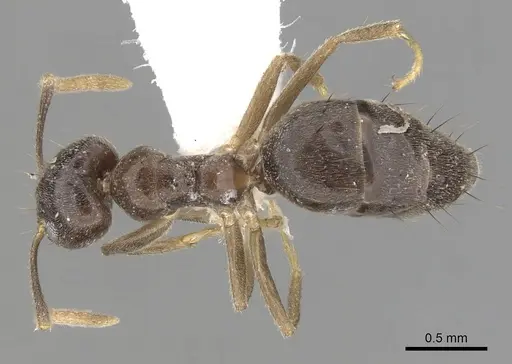
CASENT0616420
Ver no AntWeb
CASENT0886061
Ver no AntWeb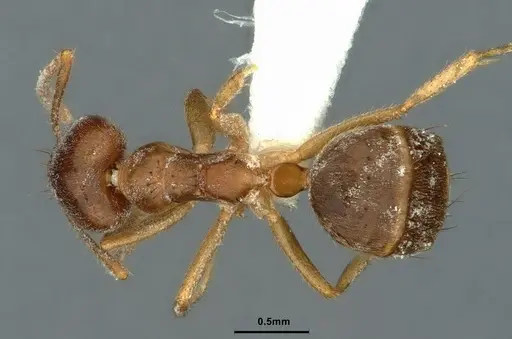
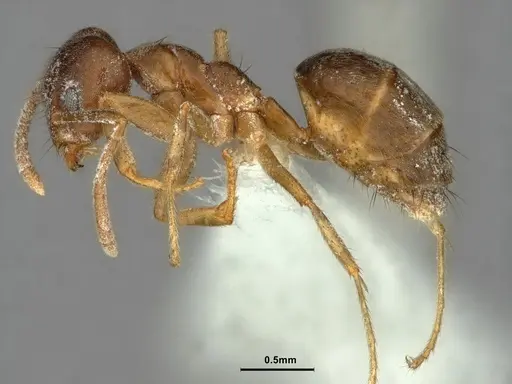
CASENT0901924
Ver no AntWeb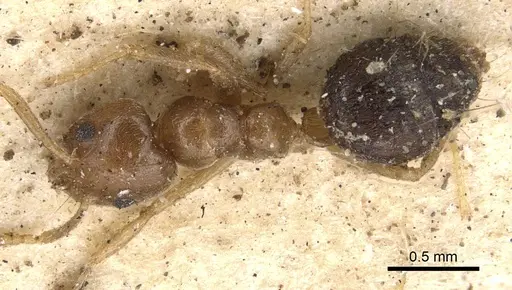
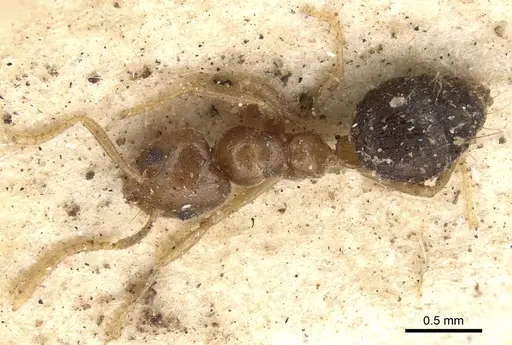
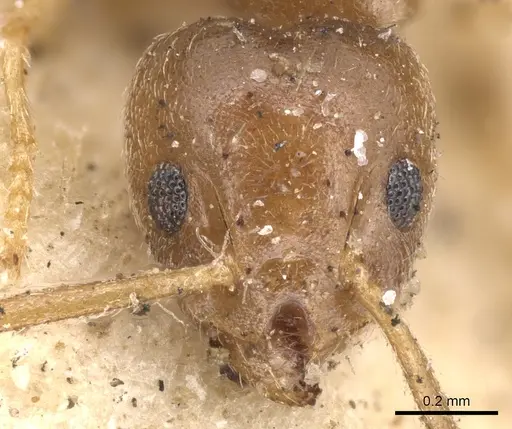
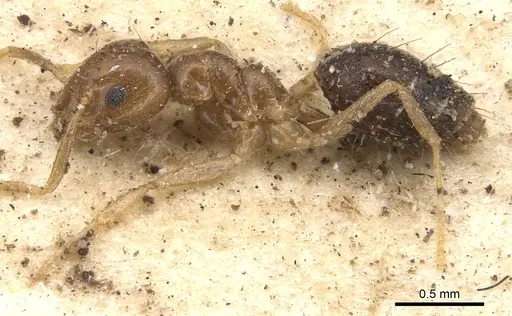
CASENT0904027
Ver no AntWeb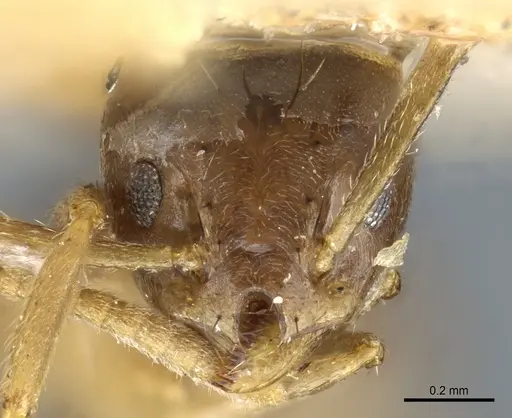
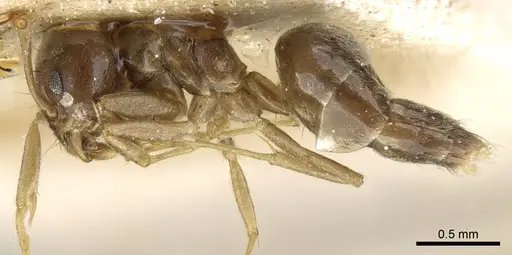
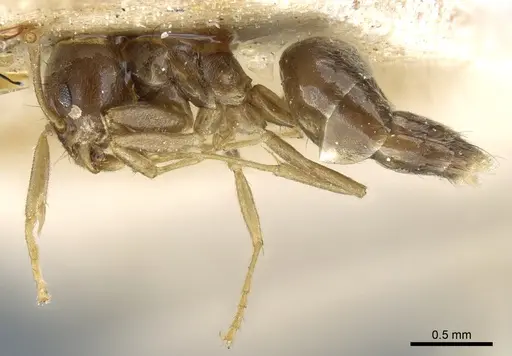
CASENT0907585
Ver no AntWeb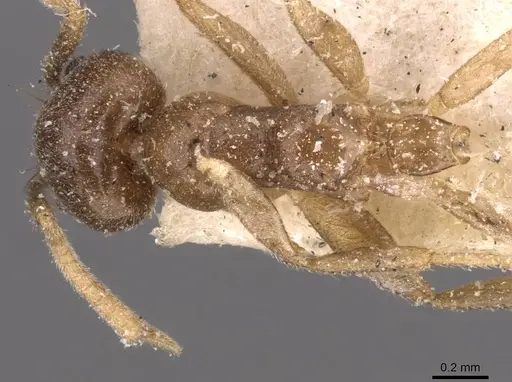
CASENT0909786
Ver no AntWeb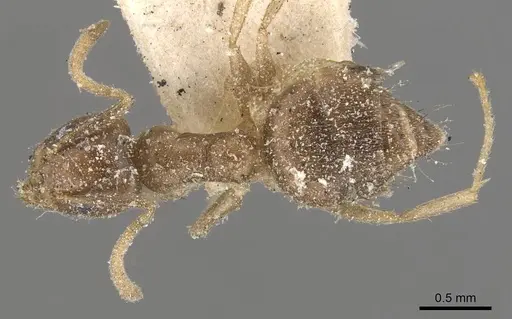
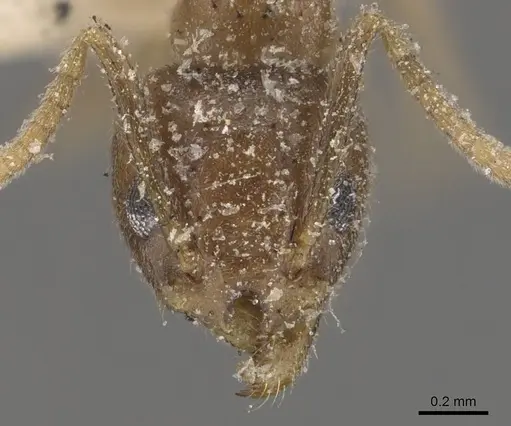
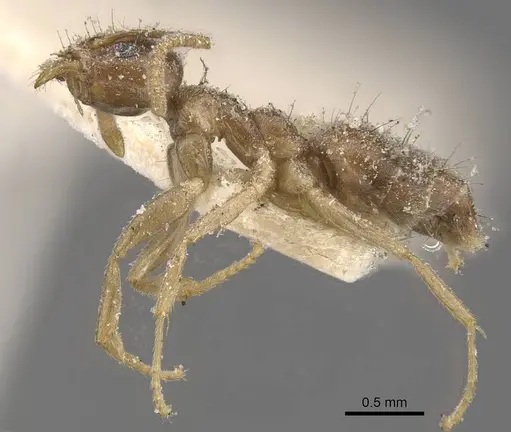
FOCOL0011
Ver no AntWeb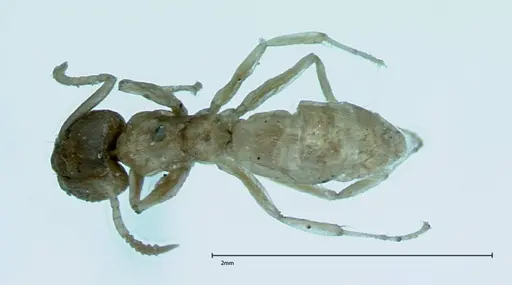
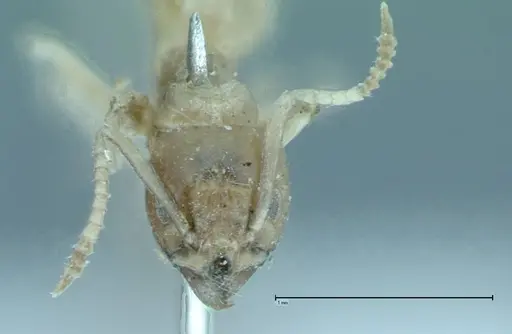
FOCOL0015
Ver no AntWeb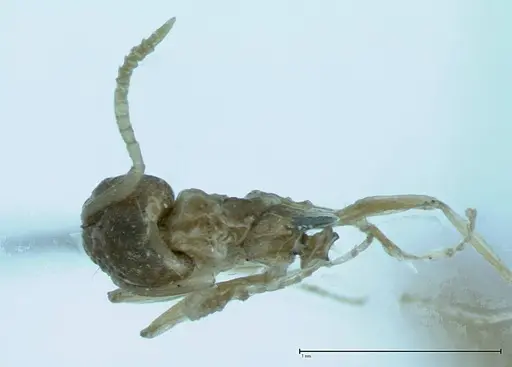
FOCOL2870
Ver no AntWeb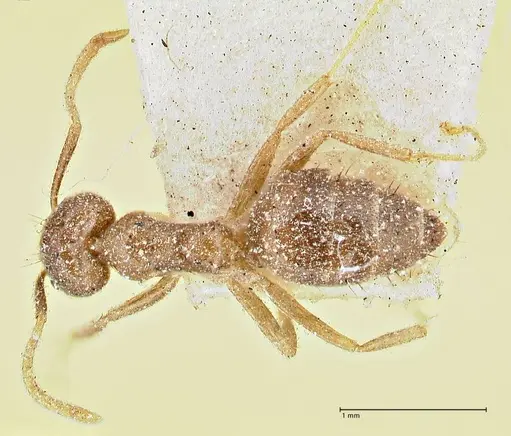
FOCOL2871
Ver no AntWeb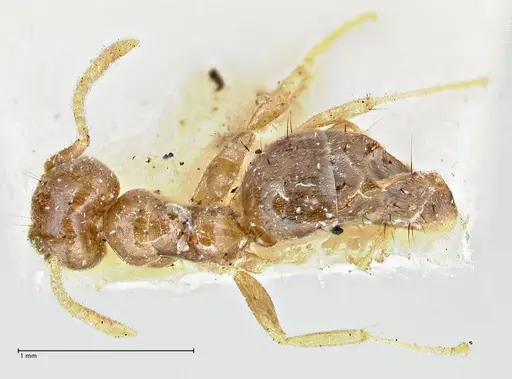
Literatura
Carregando mapa de distribuição...Carregando produtos...