
Strumigenys lucomo
- Nome científico
- Strumigenys lucomo
- Tribo
- Attini
- Subfamília
- Myrmicinae
- Autor
- Fisher, 2000
- Distribuição
- Encontrada em 1 países
Introdução
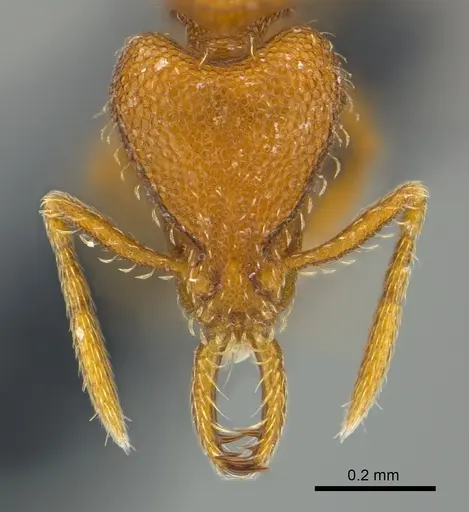
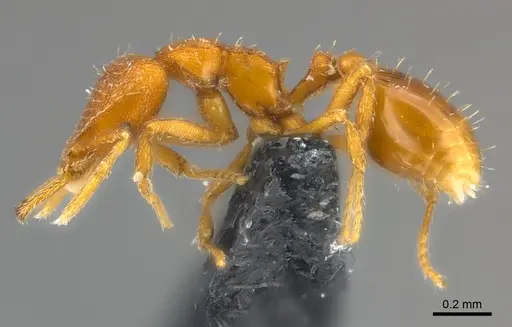
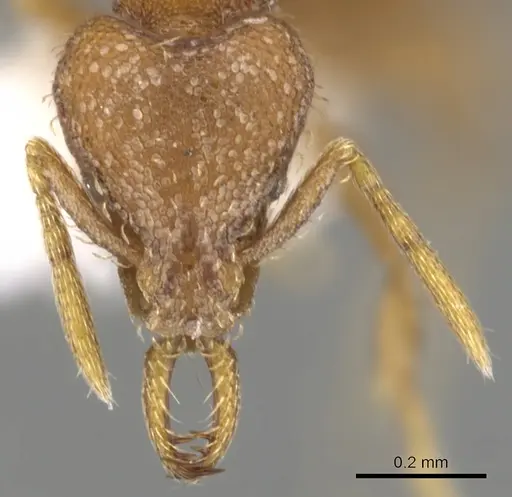
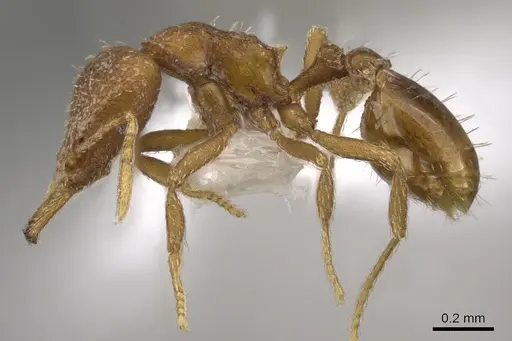
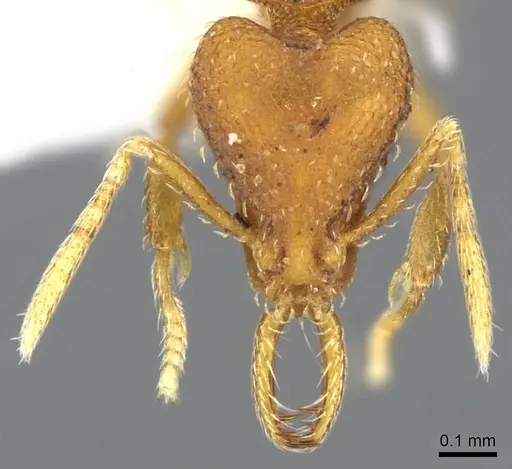
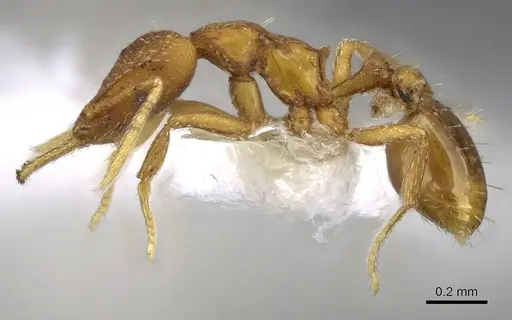
Strumigenys lucomo is a tiny predatory ant from Madagascar, measuring about 2.0-2.3 mm in total length . It belongs to the Strumigenys scotti group and is identified by a ventrally pointed triangular tooth on the petiolar peduncle . Workers are light brown with erect hairs on the head and body. This ant is common across Madagascar and nests in soil, leaf litter, rotten wood, and dead twigs . It has been collected in tropical dry forests, dry deciduous forests, and grasslands .
Quick Summary
- Difficulty: Hard
- Origin & Habitat: Madagascar, found in a wide range of forest habitats, including tropical dry forest, dry deciduous forest, and grassland. Often nests in soil, leaf litter, rotten wood, and dead twigs above ground [1]. A voucher specimen was collected from a dry, terricolous (ground-level), well‑lit environment [2].
- Colony Type: Unconfirmed, no data on queen number in this species. Based on typical small Strumigenys, colonies are likely monogyne, but this remains unstudied.
- Size & Growth:
- Queen: Size data unavailable, a single dealate queen was found in the type series but no separate measurements were given .
- Worker: 2.0-2.3 mm (total length) .
- Colony: No data for this species, typical Strumigenys colonies remain small, probably dozens to a few hundred workers.
- Growth: Moderate, estimated from related Strumigenys species.
- Development: Estimated 6-10 weeks at 22-26°C, based on related species. (Development time is inferred from genus patterns, specific data for S. lucomo is not available.)
- Antkeeping:
- Temperature: Keep at 22-26°C year-round. As a tropical species, they do not tolerate extended cold. Provide a gentle gradient with a cooler retreat.
- Humidity: Keep the nest substrate consistently moist but not waterlogged. Mimic leaf litter conditions with good drainage.
- Diapause: No, as a tropical Madagascar species, they do not need hibernation. Maintain warm conditions consistently.
- Nesting: They naturally nest in soil, leaf litter, rotten wood, and dead twigs [1]. In captivity, use a naturalistic setup with moist soil or a plaster nest with small chambers. Avoid oversized spaces, chambers should be appropriately scaled for their 2 mm size.
- Behavior: These ants are active foragers in the leaf litter. They have a functional stinger (typical of the subfamily Myrmicinae) for subduing prey, but it is not medically significant to humans. Workers use quick, snapping mandibles to capture tiny prey. They are not aggressive toward keepers. Due to their minuscule size (2 mm), escape prevention is critical, use fine mesh and seal all gaps.
- Common Issues: escape through tiny gaps, use fine mesh and tight‑fitting lids., starvation from insufficient live micro‑prey, springtails must be available constantly., mold from overfeeding, remove uneaten prey within 24 hours., overheating or desiccation, avoid temperatures above 30°C or below 20°C, keep substrate damp but not wet., unknown founding biology, queens may be difficult to establish without species‑specific knowledge.
Housing and Nest Setup
Strumigenys lucomo is tiny and needs appropriately scaled housing. In the wild they nest in soil, leaf litter, rotten wood, and dead twigs [1]. A naturalistic setup with moist, organic soil works well, keep it damp but not soaked. You can also use a small plaster nest with narrow chambers. Avoid oversized formicaria, even 'small' chambers may be too large. Provide a humid retreat and a drier outworld. Use fine mesh (0.2 mm or smaller) on ventilation holes to prevent escapes.
Feeding and Diet
These ants are obligate predators with specialized mandibles for capturing tiny arthropods. Springtails are the ideal captive food, offer them 2-3 times per week. Other micro‑prey like booklice, tiny isopods, or even small fruit flies may be accepted. They are unlikely to take sugar water or honey. Remove uneaten prey after 24 hours to avoid mold. As the colony grows, adjust portion sizes.
Temperature and Seasonal Care
As a tropical Madagascar species, S. lucomo needs stable warmth year‑round. Keep temperatures between 22-26°C. Avoid drops below 20°C or spikes above 30°C. No diapause is required. Use a small heating cable on one side to create a gradient, and ensure the nest stays moist. Monitor with a digital thermometer. [1]
Behavior and Temperament
These ants are not aggressive toward keepers. They hunt alone in the leaf litter, using rapid snapping of their mandibles to subdue small prey. They possess a functional stinger (as is typical for Myrmicinae/Attini), but it is not used against humans except in self‑defense and is medically insignificant. Because they are only 2 mm, they can squeeze through tiny gaps, secure your setup meticulously. Colonies remain small, so they are calm and easy to observe.
Colony Establishment
Founding behavior for S. lucomo is unconfirmed. Queens are presumably solitary, but whether they are claustral or semi‑claustral is unknown. If you acquire a dealate queen, provide her with a small, dark, humid container (e.g., a test tube with damp cotton). Disturb her as little as possible. Once the first workers appear, you can gradually connect a small outworld. Patience is essential, growth will be slow. [1]
Frequently Asked Questions
How long does it take for Strumigenys lucomo to raise first workers?
An estimated 6-10 weeks from egg to first worker at 22-26°C. This is based on related species, exact data for S. lucomo is lacking. Brood development will slow if temperatures drop.
Can I keep Strumigenys lucomo in a test tube setup?
Yes, test tubes work well for founding. Use a small water reservoir and a tight cotton plug. The queen and small colony will feel secure in the narrow space. As the colony grows beyond 10-20 workers, transfer to a small formicarium with appropriate chamber size.
What do Strumigenys lucomo ants eat?
They are obligate predators that need live micro‑prey. Springtails are ideal and should be the staple. Other options include booklice, tiny isopods, or Drosophila hydei. They do not consume sugars or seeds. Feed 2-3 times per week, and remove leftovers quickly.
How big do Strumigenys lucomo colonies get?
No specific data exists. Based on other small Strumigenys species, colonies likely reach dozens to a few hundred workers. Growth is slow and colonies remain modest even after several years.
Do Strumigenys lucomo need hibernation?
No, as a tropical Madagascar species, they do not require diapause. Keep them warm (22-26°C) year‑round. Extended cold will harm or kill them.
Are Strumigenys lucomo good for beginners?
No, this is a hard species. Their tiny size demands excellent escape‑proofing, they need a constant supply of live micro‑prey, and their slow growth can test patience. Only experienced keepers with a reliable springtail culture should attempt them.
Why are my Strumigenys lucomo dying?
Common causes: escaped (check for gaps), starved (lack of live prey), overheated or too cold (use thermometer in nest), substrate too dry or waterlogged, or mold from old food. Review each. If from a wild colony, parasites may be an issue.
Can I keep multiple Strumigenys lucomo queens together?
Not recommended, they are likely monogyne (single queen). No data supports pleometrosis for this species, and unrelated queens would probably fight. Stick to one queen per setup.
When should I move Strumigenys lucomo to a formicarium?
Wait until there are at least 10-20 workers. Move them when the test tube becomes crowded or moldy. Use a gentle connection tube so they can explore the new nest on their own. Keep the new setup similarly humid and dark.
Report an Issue
The current care sheet is based fully on literature. See inconsistencies, or something that's incorrect? Please , it will be resolved after review from an admin. Contributing to the blogs tab also helps providing information, to make us be able to further improve the caresheets. Thank you for your support!
References

Este guia de cuidados está sob a licença CC BY-SA 4.0 .
Posts da comunidade
CASENT0005585
Ver no AntWeb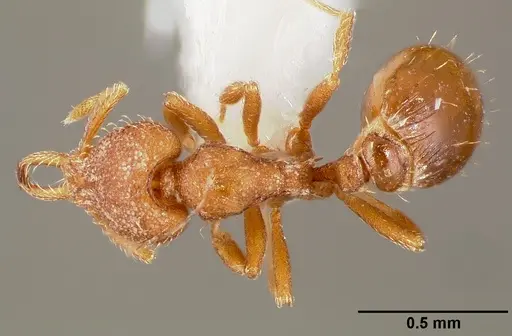
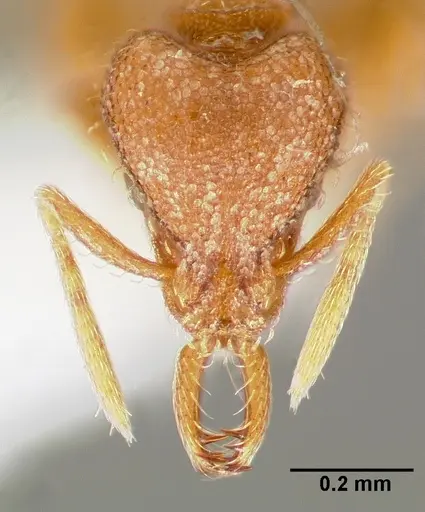
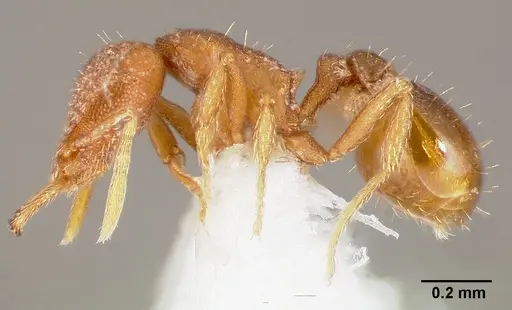
CASENT0005586
Ver no AntWeb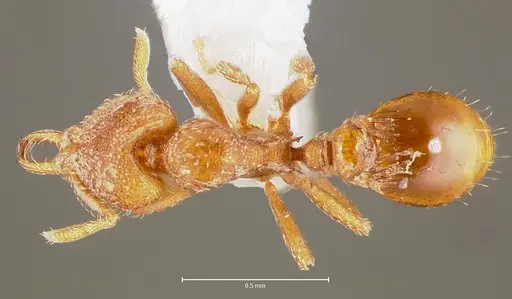
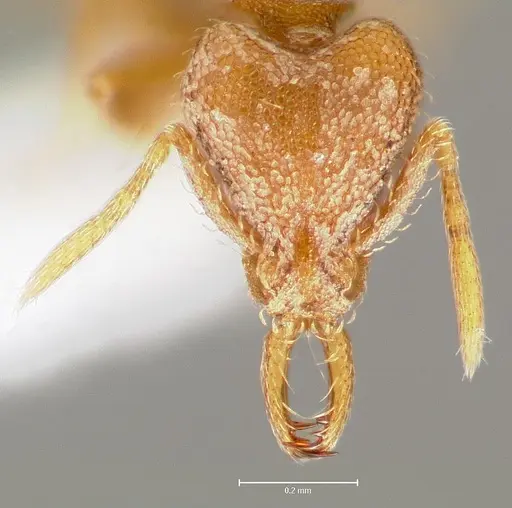
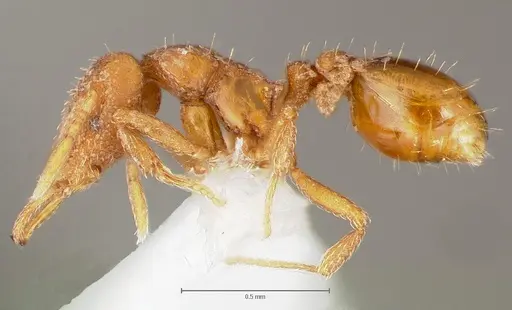
CASENT0005587
Ver no AntWeb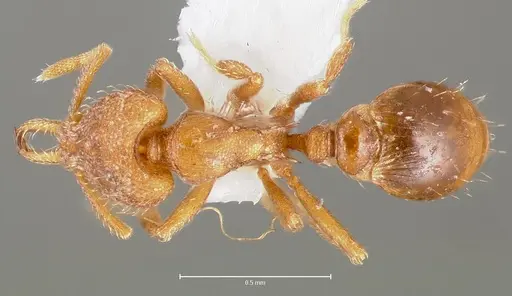
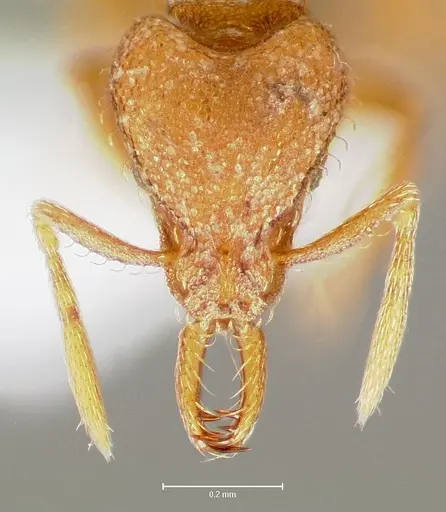
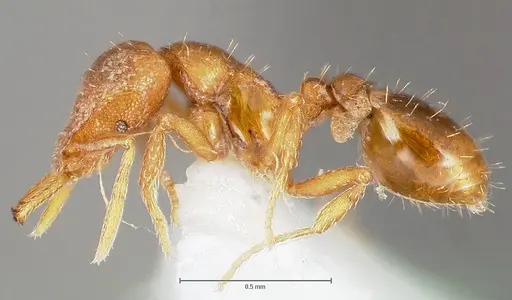
CASENT0005588
Ver no AntWeb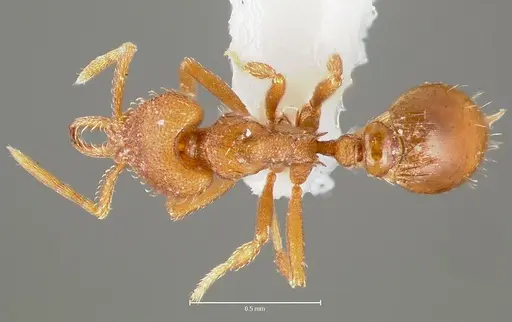
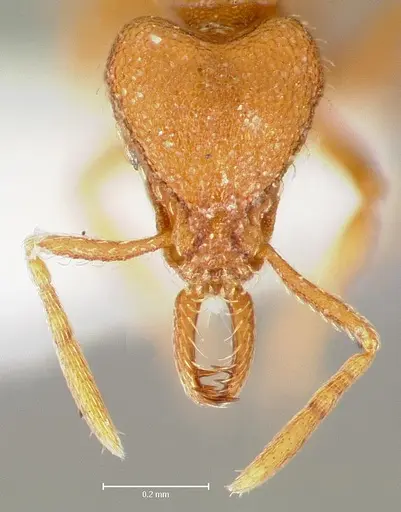
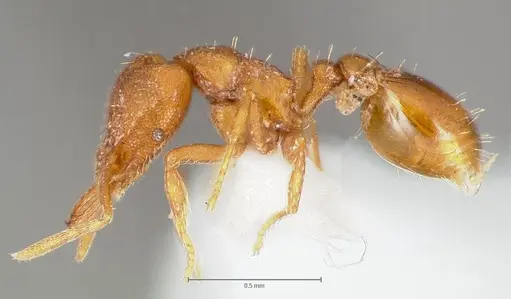
CASENT0157720
Ver no AntWeb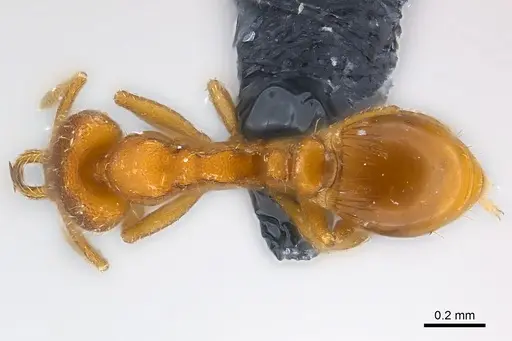
CASENT0900733
Ver no AntWeb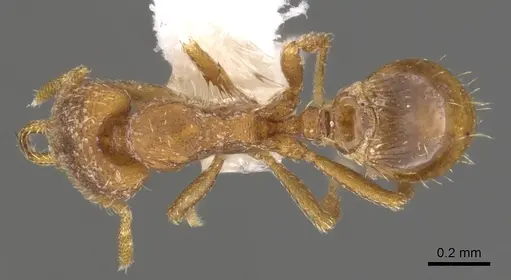
CASENT0914769
Ver no AntWeb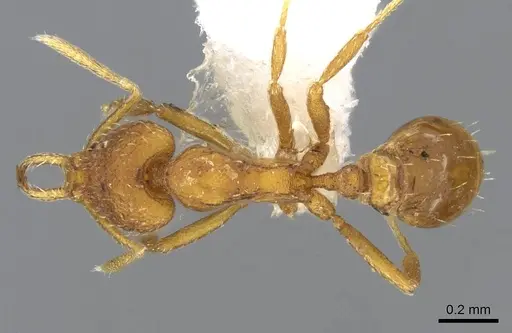
Literatura
Carregando mapa de distribuição...Carregando produtos...