
Strumigenys glenognatha
- Nome científico
- Strumigenys glenognatha
- Tribo
- Attini
- Subfamília
- Myrmicinae
- Autor
- Bolton, 2000
- Distribuição
- Encontrada em 3 países
Introdução
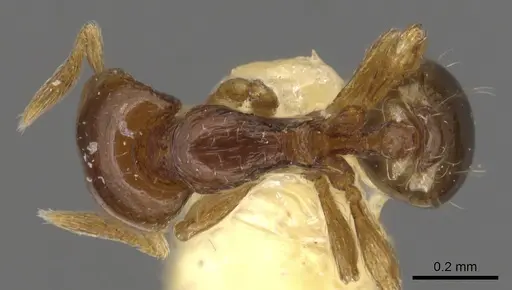
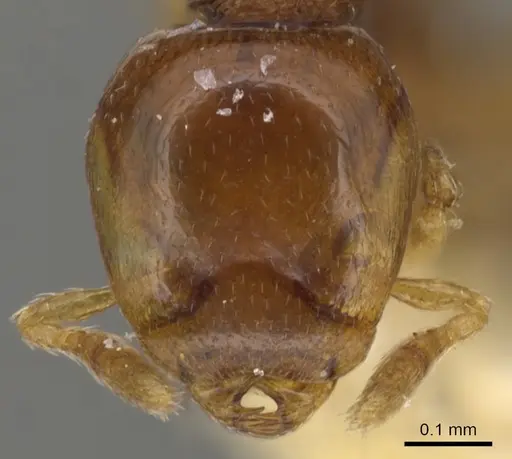
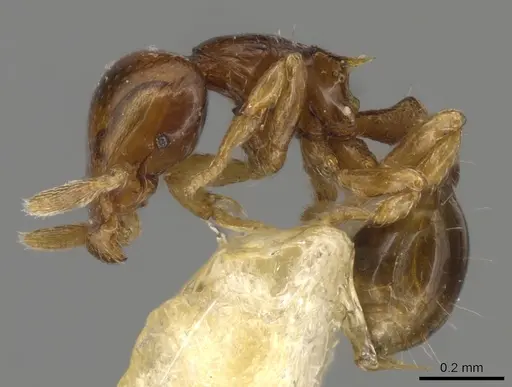
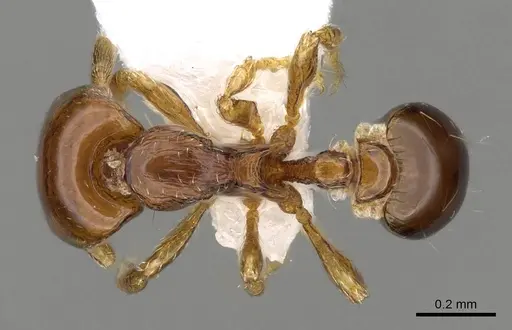
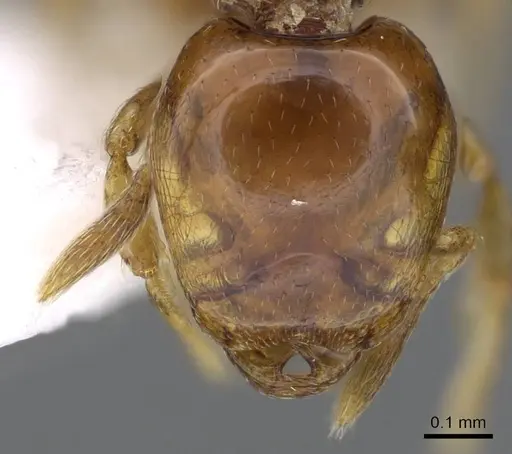
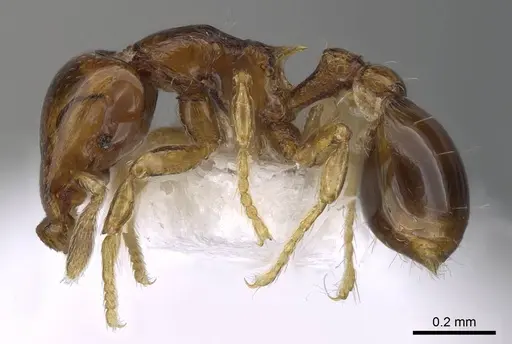
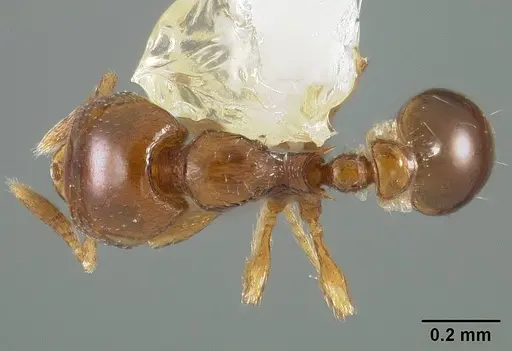
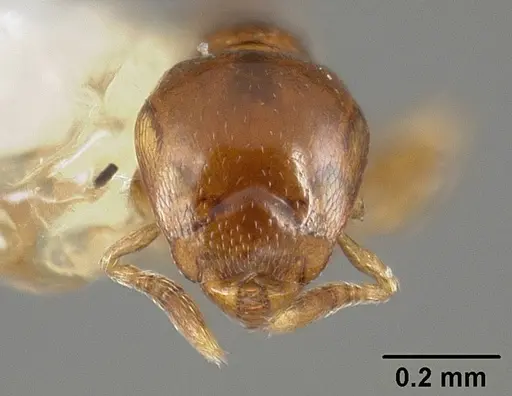
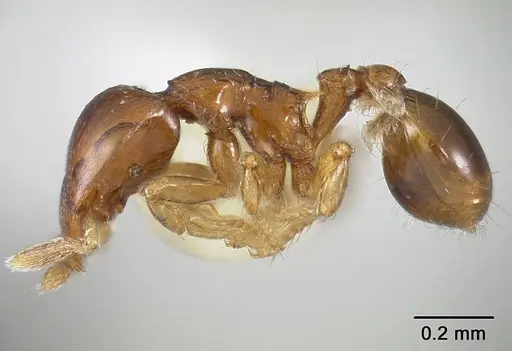
Strumigenys glenognatha is a tiny dacetine ant recorded in northern South America, specifically Guyana and Brazil (Rondônia) . These ants have a short, broad head (cranial index 91-96) and the ventral surface of their petiole lacks the spongiform tissue curtain found in some related species . They are slow, deliberate ambush hunters that rely on specialized trap-jaw mandibles to capture tiny prey. These ants live in humid leaf litter and rotting wood in tropical forests, and they are specialized predators of micro-arthropods like springtails.
Quick Summary
- Difficulty: Medium
- Origin & Habitat: Northern South America, recorded in Guyana and Brazil (Rondônia) [1][2]. In nature, they nest in leaf litter, rotting wood, and moist soil in humid tropical forests.
- Colony Type: Unconfirmed. Strumigenys are typically monogyne (single queen), but no specific data exists for this species.
- Size & Growth:
- Queen: ~3-4mm, inferred from Strumigenys genus patterns (no direct measurements available)
- Worker: ~2-3mm, inferred from Strumigenys genus patterns (no direct measurements available)
- Colony: Likely under 100 workers, typical for Strumigenys
- Growth: Slow
- Development: Estimated 8-12 weeks based on related dacetine species (not confirmed for this species) (Development is temperature-dependent, warmer conditions within acceptable range may speed development slightly.)
- Antkeeping:
- Temperature: 22-26°C, warm and stable, mimicking their tropical forest floor habitat. Avoid drops below 20°C.
- Humidity: High humidity is essential, aim for damp forest floor conditions. Keep the nest substrate consistently moist but not waterlogged. Provide a water source.
- Diapause: Not required. As a tropical species, they do not need winter dormancy. Maintain consistent temperatures year-round.
- Nesting: Y-tong (AAC) nests or naturalistic setups with moist substrate work well. They prefer tight, humid chambers scaled to their tiny size. Avoid dry, open spaces.
- Behavior: These ants are peaceful and non-aggressive. They move slowly and rely on ambush hunting with their trap-jaw mandibles. They have a functional sting (like other myrmicines) but it is tiny and harmless to humans. Because of their very small size, escape prevention must be excellent, they can squeeze through the tiniest gaps. Workers rarely stray far from the nest.
- Common Issues: escape prevention is critical due to their tiny 2-3mm size, use fine mesh and tight-fitting lids, slow growth can frustrate keepers expecting rapid colony development, colonies often fail if humidity drops too low, they need consistently moist conditions, specialized diet means they may refuse standard ant foods, live springtails are ideal, wild-caught colonies may have parasites that kill them in captivity
Housing and Nest Setup
Strumigenys glenognatha requires humid, tight quarters. A Y-tong (AAC) nest with narrow chambers works well, or you can use a naturalistic setup with moist soil and hiding structures. The key is maintaining high humidity without letting the nest become waterlogged. These tiny ants do best in setups where you can control moisture levels precisely. Use a water test tube connected to the nest area to maintain humidity. Because they are only 2-3mm, escape prevention is critical, apply Fluon to all edges and use fine mesh on any ventilation. A small outworld area with springtail cultures makes feeding easier.
Feeding and Diet
These are specialized predators that need live prey. Their primary food in the wild is springtails (collembolans) and other tiny micro-arthropods. In captivity, you should culture live springtails specifically for feeding. They may accept small fruit flies occasionally, but do not rely on sugar sources, Strumigenys are not attracted to honey or sugar water the way many ants are. Feed small prey items 2-3 times per week. Uneaten prey should be removed within 24 hours to prevent mold. A well-established springtail culture in the outworld provides a natural feeding station.
Temperature and Humidity
Keep your colony at 22-26°C, warm and stable, mimicking their tropical forest habitat. Temperature drops below 20°C can slow their already-slow metabolism and may cause colony decline. Use a heating cable on one side of the nest to create a gentle gradient if your room temperature is below 22°C. Humidity is equally important: maintain substrate moisture at all times. The nest material should feel damp but not have standing water. Mist the outworld occasionally and ensure the water tube is always filled. Low humidity is one of the most common causes of colony failure in this genus.
Colony Development
Colony growth is slow. The founding method is unconfirmed, but Strumigenys are typically claustral, the queen seals herself in a small chamber and raises the first workers alone using her stored fat reserves. Do not disturb the founding chamber. Once workers emerge, they are tiny (2-3mm) and will begin hunting for springtails. Expect 6-12 months from founding to first workers (nanitics), and the colony may take several years to reach its modest maximum size of perhaps 50-100 workers. Be patient, Strumigenys colonies are long-lived but slow-growing. Disturbing the nest often causes problems.
Behavior and Temperament
Strumigenys glenognatha is a peaceful, non-aggressive species. Workers move slowly and deliberately, often standing still for extended periods before snapping their mandibles shut on passing prey. They are not defensive and their response to disturbance is usually to freeze or retreat. They possess a functional sting (as do all myrmicines), but it is tiny and harmless to humans. However, their small size means they can escape through gaps you wouldn't notice. Always double-check your escape prevention, especially when feeding or doing nest maintenance. [1]
Frequently Asked Questions
How long does it take for Strumigenys glenognatha to get their first workers?
Estimated 8-12 weeks from founding to first workers at optimal temperature (22-26°C), though this is not confirmed for this species. They are a slow-growing genus, so patience is essential. Disturbing the queen during founding often causes failure.
What do Strumigenys glenognatha ants eat?
They are specialized predators that need live springtails (collembolans) as their primary food. They may accept small fruit flies occasionally, but do not rely on sugar sources, they are not interested in honey or sugar water.
Can I keep Strumigenys glenognatha in a test tube?
Test tubes can work for founding colonies if you maintain high humidity, but a small Y-tong nest with a water source is more reliable for long-term housing. The key is keeping the substrate consistently moist.
How big do Strumigenys glenognatha colonies get?
Colony size is modest, likely under 100 workers at maturity. This is typical for the genus. They are long-lived but slow-growing, taking several years to reach full size.
Do Strumigenys glenognatha need hibernation?
No, they do not need hibernation. As a tropical species from Guyana and Brazil, they prefer consistent warm temperatures year-round. Do not cool them down in winter.
Why are my Strumigenys glenognatha dying?
The most common causes are low humidity (they need consistently moist conditions), insufficient prey (they must have live springtails), and escape-related losses (check your escape prevention). Also check for parasites if the colony was wild-caught.
Are Strumigenys glenognatha good for beginners?
This species is rated medium difficulty. While they are peaceful and fascinating, their specialized diet (live springtails), high humidity requirements, and slow growth make them better suited for keepers who already have some experience with ant keeping.
When should I move my Strumigenys glenognatha to a formicarium?
Wait until the colony has at least 15-20 workers before considering a move. For a small colony this size, a Y-tong or small naturalistic setup is usually sufficient. They do not need large spaces.
How often should I feed Strumigenys glenognatha?
Feed small prey items 2-3 times per week. A well-fed colony will have 1-2 springtails in the hunting area at any given time. Remove uneaten prey within 24 hours to prevent mold issues.
Report an Issue
The current care sheet is based fully on literature. See inconsistencies, or something that's incorrect? Please , it will be resolved after review from an admin. Contributing to the blogs tab also helps providing information, to make us be able to further improve the caresheets. Thank you for your support!
References

Este guia de cuidados está sob a licença CC BY-SA 4.0 .
Posts da comunidade
Literatura
Carregando mapa de distribuição...Carregando produtos...