
Strumigenys atropos
- Nome científico
- Strumigenys atropos
- Tribo
- Attini
- Subfamília
- Myrmicinae
- Autor
- Bolton, 2000
- Distribuição
- Encontrada em 0 países
Introdução
Strumigenys atropos is a very small ant in the genus Strumigenys, which is known for its specialized trap-jaw mandibles used to capture prey. Almost nothing is known about this species from published research. No specific morphological measurements, nesting habits, or colony traits have been documented for S. atropos. The only relevant research context [] describes a new subterranean Strumigenys species from Macao SAR, China, but it does not refer to S. atropos. That new species shares tiny eyes (single ommatidium) and has distinct large spatulate hairs on the head and pronotum, traits that might be common among leaf-litter Strumigenys. Keepers should rely on general Strumigenys biology when planning care.
Quick Summary
- Difficulty: Hard
- Origin & Habitat: Unknown for this species. Related Strumigenys species are found in damp leaf litter, rotting wood, and soil cavities across Asia, but the specific distribution of S. atropos is not confirmed.
- Colony Type: Colony structure is unconfirmed. Most Strumigenys species are monogyne (single queen), but this has not been documented for S. atropos.
- Size & Growth:
- Queen: Unknown, no measurements are available for this species
- Worker: Unknown, no measurements are available for this species. The genus generally contains very small ants, but size data for S. atropos is absent.
- Colony: Unknown, no colony size records exist for this species
- Growth: Unknown, likely slow based on patterns in related Strumigenys
- Development: Unconfirmed (Development timeline is not documented. Related Strumigenys may take several months from egg to adult worker under optimal conditions.)
- Antkeeping:
- Temperature: Unconfirmed. Based on related species from subtropical Asia, maintain stable moderate temperatures around 20-24°C] and avoid extremes.
- Humidity: Likely requires high humidity, similar to a damp forest floor. Keep the substrate consistently moist but not waterlogged, and provide ventilation to prevent mold.
- Diapause: Unknown. Given the subtropical origin, true hibernation is unlikely, but activity may slow during cooler months. No specific evidence exists.
- Nesting: Natural nesting is unconfirmed. Many Strumigenys are subterranean or live in leaf litter. Provide a dark, humid setup with small, tight chambers (e.g., a test tube or small naturalistic enclosure with moist soil/rotting wood).
- Behavior: Behavior is unconfirmed for S. atropos. The genus Strumigenys is characterized by specialized trap-jaw mandibles for capturing small prey. They are typically slow-moving, cryptic ants that hunt in leaf litter. Escape risk is high due to their tiny size, use fine mesh or tight-sealing containers. They likely show territorial foraging toward small prey.
- Common Issues: extremely small size makes escape prevention critical, they can squeeze through standard mesh, lack of species-specific care information forces trial and error, predatory diet requires live micro-prey (springtails, fruit fly larvae) that can be difficult to source consistently, slow growth and cryptic behavior make it hard to assess colony health, high humidity needs can cause mold problems if ventilation is inadequate
Identification and Morphology
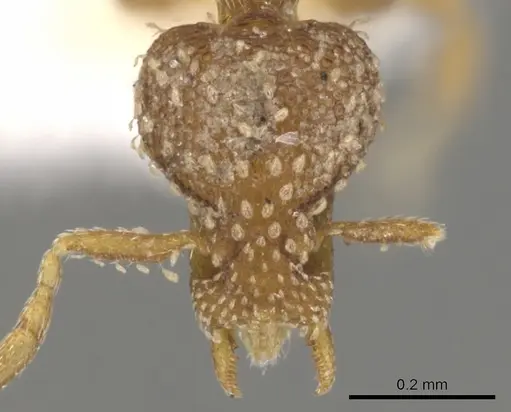
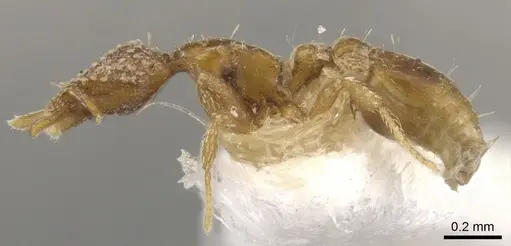
No specific morphological description for Strumigenys atropos exists in the available literature. The only relevant research] describes a new subterranean Strumigenys species from Macao that has very small eyes (single ommatidium), large spatulate hairs on the lateral head margins and dorsal pronotum, a straight anterior margin of the postpetiolar node, and a concave clypeus margin. These traits distinguish that new species from Strumigenys subterranea but cannot be assigned to S. atropos. Any keeper attempting to identify S. atropos must rely on the original species description (if published separately), which is not included here.
Housing and Nest Setup
Given the lack of species-specific data, housing should follow general Strumigenys guidelines. These tiny ants prefer dark, humid, and confined spaces. A test tube setup with a water reservoir and a plug of cotton can work for a founding queen. For colonies, consider a small naturalistic enclosure with a moist substrate (e.g., a mix of soil, sand, and rotting wood) and tiny pre-formed chambers. Ensure extremely tight seals on all openings, Strumigenys can squeeze through gaps as small as 0.5 mm. Use fine stainless steel mesh (size 100 or smaller) over ventilation holes. Avoid large formicaria with open spaces, as these ants feel secure in cramped cavities.
Feeding and Diet
The exact diet of Strumigenys atropos is not documented, but the genus are specialized predators. In captivity, offer live micro-prey such as springtails, fruit fly larvae, booklice, or very small crickets. The prey should be small enough for the ants to overpower with their trap-jaws. Observe the colony to see what they accept. Sugar sources or honey water are generally not taken by Strumigenys, focus on live protein. Feed small amounts every 2-3 days and remove uneaten prey to avoid mold in the humid enclosure. If the colony is small, reduce feeding frequency to avoid overwhelming them.
Temperature and Humidity
Specific temperature and humidity preferences are unconfirmed. Based on the subtropical habitat of related Strumigenys from southern China], aim for stable temperatures around 20-24°C and high humidity (substrate should feel damp, but not dripping). Use a small hygrometer inside the enclosure to monitor conditions. Provide a moisture gradient by keeping one area wetter and another slightly drier so the ants can choose. Good ventilation is essential to prevent condensation and mold growth, but avoid strong airflow that dries out the nest.
Colony Development
Nothing is confirmed about colony development in S. atropos. Based on general Strumigenys biology, queens are likely to found colonies alone (claustral founding inferred from related species, but not confirmed). The first workers (nanitics) will be even smaller than mature workers. Growth is expected to be slow, patience is required. Do not disturb a founding queen, check only once a week at most by briefly glancing at the nest. After the first workers appear, wait until the colony has at least a few workers before offering food. Maximum colony size is unknown but likely modest (a few hundred workers at most) compared to common pest ants.
Frequently Asked Questions
How long does it take for Strumigenys atropos to produce first workers?
The exact timeline is unconfirmed. Based on related Strumigenys, expect approximately 2-4 months from egg to first worker under ideal conditions. Development is slower than in many common ant species.
What do Strumigenys atropos ants eat?
They are specialized predators. In captivity, offer live micro-prey like springtails, fruit fly larvae, and small cricket nymphs. Sugar sources are unlikely to be accepted.
Can I keep Strumigenys atropos in a test tube?
Yes, a test tube setup can work for a founding queen. Ensure it stays dark, humid, and tightly sealed (the ants can squeeze through tiny gaps). For established colonies, a small naturalistic enclosure may be better.
Are Strumigenys atropos good for beginners?
No. This species is rated as difficult due to complete lack of species-specific care information, tiny size requiring expert escape prevention, need for live micro-prey, and likely slow growth. Not recommended for beginners.
How big do Strumigenys atropos colonies get?
Colony size is unconfirmed. Based on typical Strumigenys, they likely reach a few hundred workers at maximum, not the thousands seen in common species.
Do Strumigenys atropos need hibernation?
Diapause requirements are unknown. Given the subtropical origin of related species, they probably do not need true hibernation but may slow activity during cooler months. Keep temperatures stable year-round.
Why are my Strumigenys atropos dying?
Common causes include: escape (tiny ants can slip through standard mesh), humidity issues (too dry or too wet), stress from disturbance during founding, lack of suitable live prey, and temperature extremes. Check each factor carefully.
When should I move Strumigenys atropos to a formicarium?
Wait until the colony has at least a few tens of workers before considering a move. Strumigenys prefer small, tight spaces. A small naturalistic setup often works better than a traditional formicarium with large chambers.
Can I keep multiple Strumigenys atropos queens together?
Colony structure is unconfirmed. Most Strumigenys are monogyne (single queen), so do not combine unrelated queens without evidence they can coexist.
Report an Issue
The current care sheet is based fully on literature. See inconsistencies, or something that's incorrect? Please , it will be resolved after review from an admin. Contributing to the blogs tab also helps providing information, to make us be able to further improve the caresheets. Thank you for your support!
References

Este guia de cuidados está sob a licença CC BY-SA 4.0 .
Posts da comunidade
CASENT0102598
Ver no AntWeb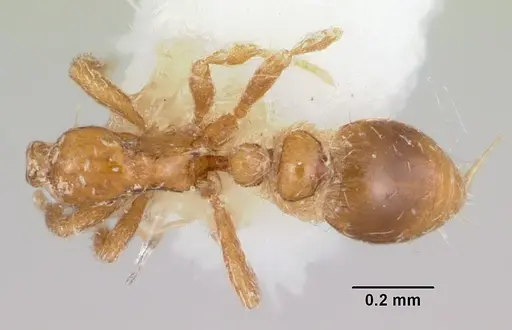
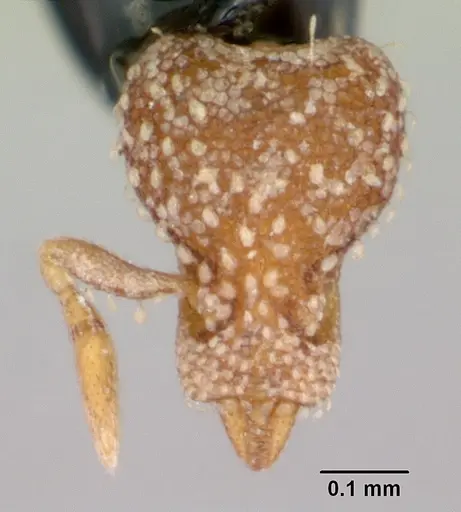
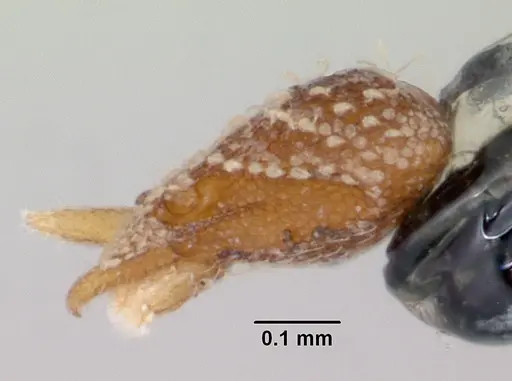
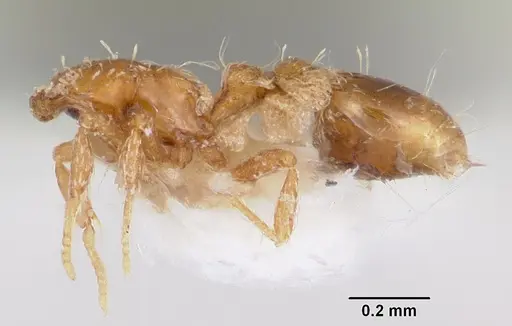
CASENT0900149
Ver no AntWeb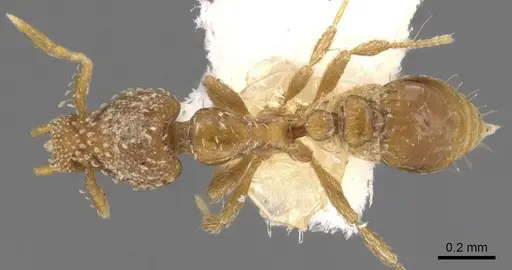
Literatura
Carregando mapa de distribuição...Carregando produtos...