
Stenamma jhitingriense
- Nome científico
- Stenamma jhitingriense
- Tribo
- Stenammini
- Subfamília
- Myrmicinae
- Autor
- Bharti <i>et al.</i>, 2012
- Distribuição
- Encontrada em 0 países
Introdução
Stenamma jhitingriense is a tiny leaf-litter ant species endemic to the North-West Himalayas in India. Workers measure 3.44mm in total length, making them one of the smaller ant species you'll encounter . They have a distinctive blackish-brown body with yellowish-brown legs, antennae, and mandibles, covered in sub-erect to erect yellowish-white hairs . The species was described in 2012 from Jhitingri, Himachal Pradesh at 1750m elevation from forest leaf-litter . This species is one of the few Stenamma species documented from the Indian Himalayas, a region where these cryptic ants remain poorly studied. They can be distinguished from related species by their blunt anteroventral corner of the petiole (the joint connecting the waist segments), their short scape that doesn't reach the back of the head, and the fine longitudinal carina running along the petiolar peduncle . Like most Stenamma species, they are secretive ground-nesters that prefer the cool, damp forest floor.
Quick Summary
- Difficulty: Hard
- Origin & Habitat: North-West Himalayas, Jhitingri, Himachal Pradesh, India at 1750m elevation. Found in forest leaf-litter [1][2].
- Colony Type: Colony structure is unconfirmed, this species was only described in 2012 and no studies have documented its queen number or colony organization.
- Size & Growth:
- Queen: Unknown, queen has not been described
- Worker: 3.44mm total length (TL) [1]
- Colony: Unknown, no colony size data available
- Growth: Unknown, no development studies exist for this species
- Development: Estimated 8-12 weeks based on typical Stenamma genus patterns at optimal temperature (No direct development data exists for this species. Estimates based on related Stenamma species which typically develop more slowly in cool, high-elevation habitats.)
- Antkeeping:
- Temperature: Based on its Himalayan origin at 1750m elevation, this species requires cooler temperatures than most commonly kept ants. Aim for 18-22°C. Avoid any temperatures above 25°C, these ants are adapted to cool mountain conditions and can be stressed or killed by overheating [1].
- Humidity: High humidity is required, think damp forest floor. Keep the nest substrate consistently moist but not waterlogged. Forest leaf-litter species need moisture to prevent desiccation.
- Diapause: Likely yes, Himalayan species typically require a winter rest period. Expect reduced activity during winter months, a cooling period of 4-6 weeks at 10-15°C may be beneficial, though this is not confirmed.
- Nesting: Prefers naturalistic setups with moist substrate. A Y-tong (AAC) nest or plaster nest works well, as these small ants need tight chambers. Provide a moisture gradient so ants can choose their preferred humidity level.
- Behavior: Secretive and non-aggressive. These are cryptic leaf-litter ants that prefer to stay hidden within the nest and foraging areas. Workers are small (3.44mm) and not particularly fast-moving. Escape risk is high due to their small size, they can slip through standard barriers if not careful, so use fine mesh and seal all gaps.
- Common Issues: very limited species-specific information means care is largely inferred from genus patterns, no documented colony sizes or development timelines makes growth expectations uncertain, Himalayan origin means temperature sensitivity, overheating can be fatal, high humidity requirements can lead to mold issues if ventilation is poor, wild-caught colonies may be difficult to establish due to unknown founding biology, high escape risk due to small size, fine mesh and tight seals are essential
Origin and Natural Habitat
Stenamma jhitingriense is endemic to the North-West Himalayas in India, specifically found in Jhitingri, Himachal Pradesh at an elevation of 1750m above sea level [1]. The type specimen was collected by hand from forest leaf-litter in June 2010,indicating this species lives in the cool, damp environment of the forest floor [1]. The region experiences temperate to subtropical highland climate with distinct seasons.
In the wild, these ants likely nest in soil or under stones within the leaf-litter layer, similar to other Stenamma species. The Himalayan forest environment provides consistent moisture and moderate temperatures year-round, with summer highs rarely exceeding 25°C at this elevation. Winter brings cold temperatures and likely snow. This species is part of the Palearctic biogeographic region according to phylogenetic studies [3].
Identification and Distinguishing Features
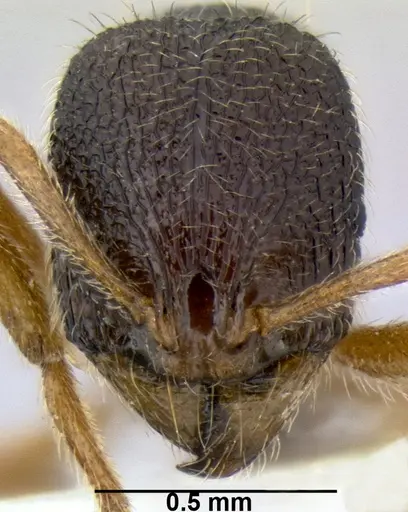
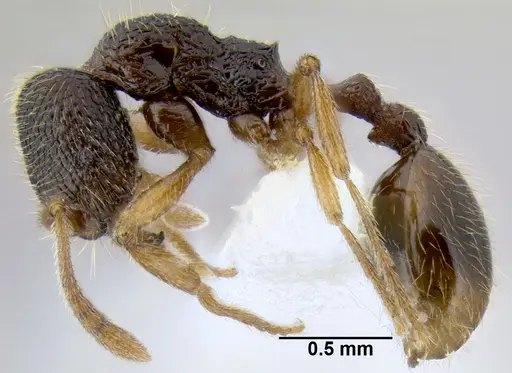
This is a small ant species with workers measuring 3.44mm total length [1]. The body is primarily blackish-brown, while the mandibles, antennae, legs, and rear portion of the gaster are yellowish-brown [1]. The entire body is covered in sub-erect to erect yellowish-white hairs, giving them a somewhat fuzzy appearance.
Key identifying features include: the blunt (not toothed) anteroventral corner of the petiole, the short scape that falls short of reaching the occipital corners by about 1/6 of its length, and a fine longitudinal carina on the dorsum of the petiolar peduncle [1]. The propodeal spines are short and acute, roughly 2/5 the length of their bases [1]. The eyes are very small, with only 4 facets visible in diameter.
These features distinguish it from related Himalayan Stenamma species like S. kashmirense (which has a shorter peduncle and longer scape), S. gurkhale and S. koreanense (which have acutely toothed petiolar corners), and S. punctiventre (which has a finger-like extended petiolar corner) [1].
Temperature and Care Requirements
Based on its Himalayan origin at 1750m elevation, this species requires cooler temperatures than most commonly kept ants. Aim for a temperature range of 18-22°C. Avoid any temperatures above 25°C, these ants are adapted to cool mountain conditions and can be stressed or killed by overheating [1]. A heating cable on one side can create a gentle gradient, but avoid hot spots. Room temperature (around 20°C) is often ideal.
Like other leaf-litter ants, they need high humidity. Keep the nest substrate consistently moist, think damp forest floor. Avoid waterlogging, which can drown the colony and promote mold. A well-draining setup with a moisture gradient lets the ants self-regulate humidity.
Nesting Preferences
In nature, S. jhitingriense lives in forest leaf-litter, typically nesting in soil or under stones and debris on the forest floor [1]. For captive care, a naturalistic setup works well, a formicarium with moist soil or plaster that maintains humidity.
Y-tong (AAC) nests are a practical choice as they allow moisture control and provide tight chambers that small ants prefer. Avoid large open spaces. A naturalistic terrarium with leaf litter, moss, and moisture-retaining substrate can also work. Whatever nest type you choose, ensure excellent escape prevention, at 3.44mm, these ants can slip through standard test tube barriers if not careful. Use fine mesh on ventilation holes and check all connections.
Feeding and Diet
No specific dietary studies exist for this species. Based on general Stenamma patterns, they likely forage for small invertebrates like springtails, fruit fly pupae, and other tiny insects. Offer sugar water or honey water occasionally, acceptance may vary. Remove uneaten protein after 24-48 hours to prevent mold. Feed every 2-3 days during active periods, adjusting based on consumption. During winter dormancy, reduce feeding significantly.
Behavior and Temperament
Stenamma jhitingriense is a secretive, non-aggressive species. Workers are small and cryptic, preferring to remain within the nest and immediate foraging areas rather than forming visible trails. They are not defensive and are unlikely to bite or sting, their small size and cryptic nature are primary defenses.
Escape risk is high due to their size (3.44mm). They can slip through tiny gaps, so use fine mesh and seal all connections. They are not strong climbers, but caution is advised. They are most active during cooler parts of the day and may reduce activity in hot periods. Since this species was only described in 2012,much behavior remains unstudied. Watch activity patterns and adjust care accordingly [1].
Frequently Asked Questions
How long does it take for Stenamma jhitingriense to develop from egg to worker?
The exact development time is unknown as this species has not been studied in captivity. Based on typical Stenamma genus patterns, expect approximately 8-12 weeks from egg to worker at optimal temperature (around 20°C). High-elevation species often develop more slowly than tropical ants.
What temperature is best for Stenamma jhitingriense?
Keep them cool, around 18-22°C. This species comes from 1750m elevation in the Himalayas and is adapted to moderate temperatures. Avoid anything above 25°C, overheating can be fatal. Room temperature is often ideal [1].
How big do Stenamma jhitingriense colonies get?
Colony size is unknown, no studies have documented maximum colony sizes. Based on related Stenamma species, colonies likely reach several hundred workers at most. This is a small, cryptic species not known for massive colonies.
Can I keep multiple queens together?
Not enough is known about this species' colony structure to recommend multi-queen setups. No studies have documented whether they are monogyne (single queen) or polygyne (multiple queens). For now, keep one queen per colony.
Do Stenamma jhitingriense ants sting?
Stenamma ants have a functional stinger but are not aggressive and rarely use it. These are small, secretive ants that prefer to hide rather than defend. At 3.44mm, their sting would be negligible to humans.
Are Stenamma jhitingriense good for beginners?
This species is challenging for beginners due to limited species-specific care information and specific temperature/humidity requirements. The lack of documented development timelines and colony sizes makes it difficult to know if your colony is progressing normally. More established species with better care guides are recommended for beginners.
What do Stenamma jhitingriense eat?
Like other Stenamma species, they likely eat small invertebrates and honeydew. In captivity, offer small protein sources like fruit flies, small mealworms, and springtails. Sugar water or honey water can be offered occasionally. Prey should be appropriately sized for these tiny ants.
Do they need hibernation?
Likely yes, this Himalayan species almost certainly requires a winter rest period. You may see reduced activity during winter months. If you choose to provide a cooling period, aim for 4-6 weeks at 10-15°C, but this is not confirmed by studies. Reduce feeding accordingly.
What type of nest is best?
A Y-tong (AAC) nest or plaster nest with appropriately sized chambers works well. These are small ants that need tight, humid chambers. Naturalistic setups with moist substrate also work. Ensure the nest can maintain high humidity without becoming waterlogged.
Where is Stenamma jhitingriense found?
This species is endemic to the North-West Himalayas in India, specifically Jhitingri in Himachal Pradesh at 1750m elevation. It has only been recorded from this single location in India [1][2].
Why is so little known about this ant?
Stenamma jhitingriense was only described in 2012,making it one of the newest ant species to be scientifically named. It was discovered in a relatively remote Himalayan region and has received no captive breeding studies. Most care information must be inferred from related Stenamma species [1].
How do I identify Stenamma jhitingriense?
Look for the distinctive blunt anteroventral corner of the petiole, the short scape that doesn't reach the back of the head, and the blackish-brown body with yellowish-brown appendages. Workers are tiny at 3.44mm and covered in yellowish-white hairs. These features distinguish it from related Himalayan Stenamma species [1].
Report an Issue
The current care sheet is based fully on literature. See inconsistencies, or something that's incorrect? Please , it will be resolved after review from an admin. Contributing to the blogs tab also helps providing information, to make us be able to further improve the caresheets. Thank you for your support!
References

Este guia de cuidados está sob a licença CC BY-SA 4.0 .
Posts da comunidade
ANTWEB1008039
Ver no AntWeb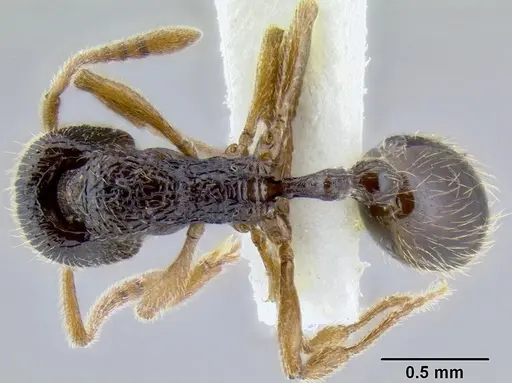
Literatura
Carregando mapa de distribuição...Carregando produtos...