
Simopone mayri
- Nome científico
- Simopone mayri
- Subfamília
- Dorylinae
- Autor
- Emery, 1911
- Distribuição
- Encontrada em 0 países
Introdução
Simopone mayri is known only from two male specimens collected over a century ago near Antongil Bay, Madagascar . The males have never been matched to any worker-based species, so the workers, queens, and colony biology are completely unknown . The species belongs to the emeryi group within the genus Simopone (Dorylinae subfamily) and appears related to Simopone rex . Because no workers or queens have ever been documented, this species cannot be identified or kept in captivity.
Quick Summary
- Difficulty: Unknown
- Origin & Habitat: Madagascar (Antongil Bay region), specific habitat data unavailable as only males have been collected [1]
- Colony Type: Unconfirmed, only male specimens known, workers have never been described or matched [2]
- Size & Growth:
- Antkeeping:
- Temperature: Unknown
- Humidity: Unknown
- Diapause: Unknown
- Nesting: Unknown, no nesting observations exist
- Behavior: Unknown, behavioral observations do not exist for this species. Dorylinae ants are typically cryptic and predatory, but specific behavior cannot be attributed to Simopone mayri without worker specimens.
- Common Issues: this species cannot be identified in captivity, only males are known and they have never been matched to workers, no queen or worker specimens exist in scientific collections for positive identification, the complete life history and biology of this species remain entirely unknown, it is impossible to obtain this species for captive keeping as only two male specimens have ever been documented
Why Simopone mayri Cannot Be Kept
Simopone mayri represents one of the most extreme cases of incomplete ant taxonomy in the world. This species was described from just two male specimens collected in the late 1890s near Antongil Bay in Madagascar [1]. These males were originally misidentified as belonging to Lioponera mayri before being transferred to Simopone, but even then, Emery noted uncertainty about this placement with a question mark in the original description [2]. The critical problem is that these males have never been matched to any worker-based species, meaning we do not know what the workers look like, how to identify them, or anything about their biology. Without workers or queens, it is impossible to collect, identify, or keep this species. Even if a collector in Madagascar found a Simopone colony, there would be no way to confirm it was Simopone mayri rather than another Simopone species. The emeryi group contains multiple species, and without associated males, workers cannot be definitively assigned to this species [2].
What We Know About the Males
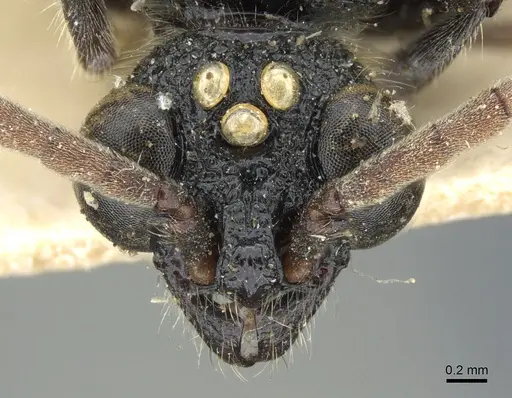
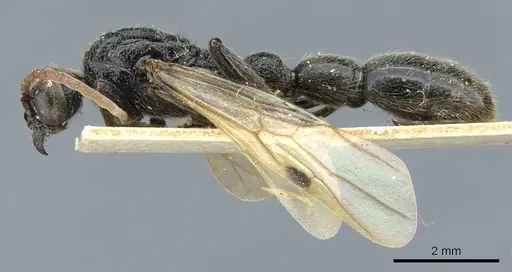
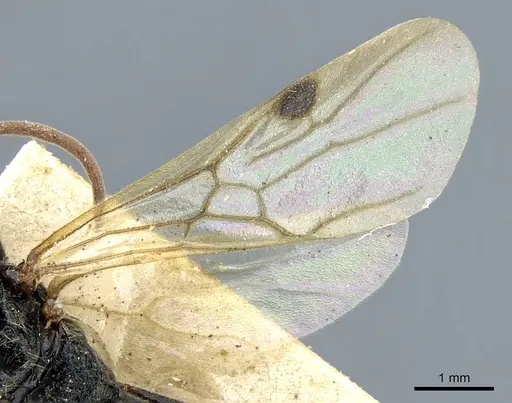
The only physical specimens of Simopone mayri are two male ants collected by A. Mocquerys between 1897-1898 from Antongil Bay, Madagascar [1]. These males were examined by Bolton and Fisher in 2012,who confirmed they belong to the genus Simopone based on male-specific morphological characters. However, the original description omitted many critical characters used to distinguish genera, creating lasting uncertainty about whether Simopone is truly the correct genus [2]. The males are noted to be large, but exact measurements were not provided in the available data. They appear related to Simopone rex based on morphological comparison, but differ in characters that were not fully specified in the provisional key to males [2]. This is typical of many poorly studied tropical ant species where only one sex has been collected and described.
The Challenge of Madagascar Ant Taxonomy
Madagascar is home to an extraordinary diversity of endemic ant species, but many remain poorly studied due to the island's vast size and challenging terrain. Simopone mayri is not alone in being known only from males, this is a common problem in ant taxonomy, particularly for cryptic forest-dwelling species. The Simopone genus itself contains numerous species that are known only from workers or only from males, with very few cases where both castes have been definitively associated [2]. This reflects the difficulty of collecting these cryptic ants, which often nest in rotten wood, under stones, or in other concealed microhabitats. For antkeepers, this highlights why it is important to only keep species that have been fully described and can be positively identified, attempting to keep species like Simopone mayri would be scientifically impossible and potentially harmful if wild populations were disturbed.
Frequently Asked Questions
Can I keep Simopone mayri ants?
No. Simopone mayri cannot be kept in captivity because only male specimens have ever been collected and described. Without workers or queens, there is no way to identify this species, collect it, or provide appropriate care. The entire biology of this species remains unknown [2].
What do Simopone mayri workers look like?
Unknown. Workers have never been described or collected for this species. The males have not been matched to any worker-based Simopone species in Madagascar, so we have no idea what the workers, queens, or complete colony would look like [2].
Where does Simopone mayri live?
The only known specimens were collected from Antongil Bay in Madagascar, likely in the late 1890s. Beyond this general location, nothing is known about their specific habitat preferences, nesting sites, or distribution within Madagascar [1][2].
What do Simopone mayri ants eat?
Unknown. While Simopone belongs to the Dorylinae subfamily, which contains predatory ants, no specific dietary information exists for Simopone mayri. Without workers to observe, feeding behavior has never been documented [2].
How big do Simopone mayri colonies get?
Unknown. No colony of this species has ever been studied or documented. Colony size, growth rate, and development timeline are entirely unknown [2].
Do Simopone mayri queens have wings?
Unknown. Queens have never been documented for this species. The only known specimens are males, and without workers to associate with, there is no information about queen morphology or whether they are winged or ergatoid (worker-like) [2].
Is Simopone mayri endangered?
Unknown. Without knowing what the species looks like or where it lives, conservation status cannot be assessed. The type locality (Antongil Bay) has been heavily impacted by deforestation, but whether Simopone mayri persists there is unknown [1].
Can I help document Simopone mayri?
Professional entomologists would need to conduct targeted field surveys in Madagascar to try to find and associate workers with the known males. This requires expertise in ant taxonomy and fieldwork in challenging conditions. If you are a researcher interested in this species, contact institutions like the Museum of Comparative Zoology or ant specialists working on Madagascar fauna [2].
Report an Issue
The current care sheet is based fully on literature. See inconsistencies, or something that's incorrect? Please , it will be resolved after review from an admin. Contributing to the blogs tab also helps providing information, to make us be able to further improve the caresheets. Thank you for your support!
References

Este guia de cuidados está sob a licença CC BY-SA 4.0 .
Posts da comunidade
CASENT0903786
Ver no AntWeb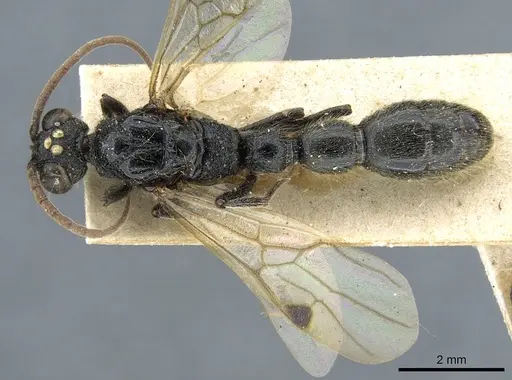
Literatura
Carregando mapa de distribuição...Carregando produtos...