
Sericomyrmex saramama
- Nome científico
- Sericomyrmex saramama
- Tribo
- Attini
- Subfamília
- Myrmicinae
- Autor
- Ješovnik & Schultz, 2017
- Distribuição
- Encontrada em 2 países
Introdução
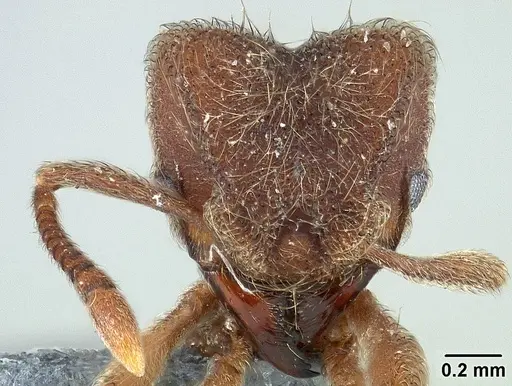
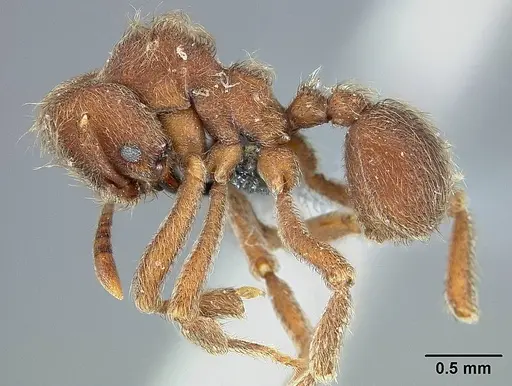
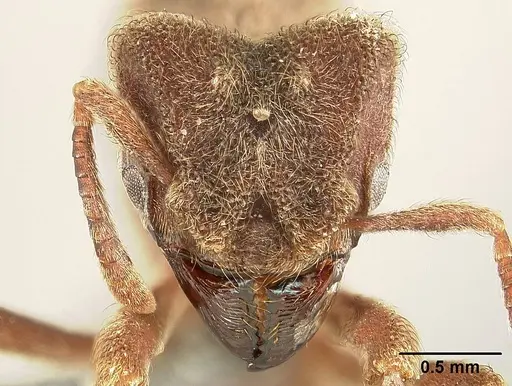
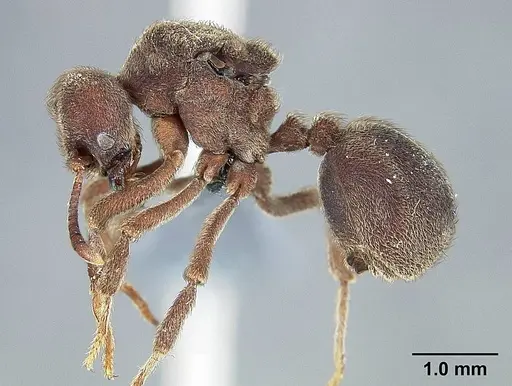
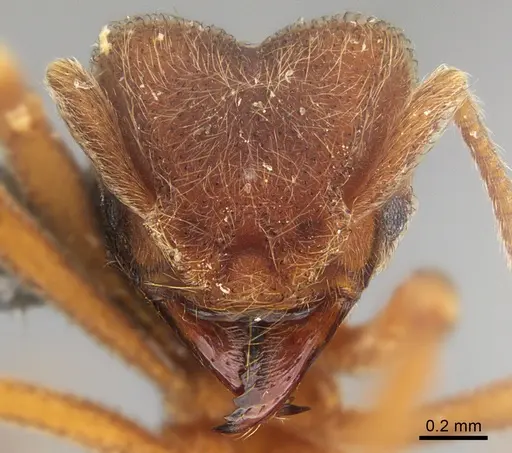
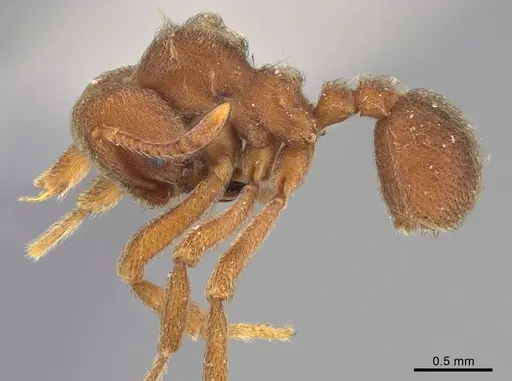
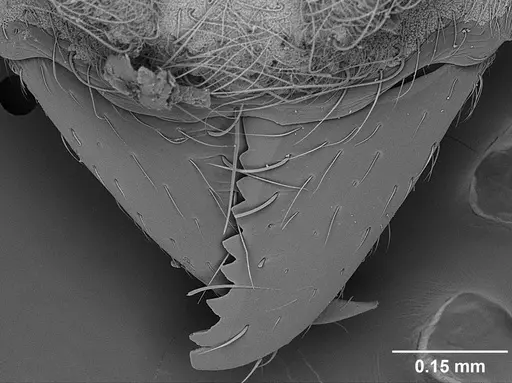
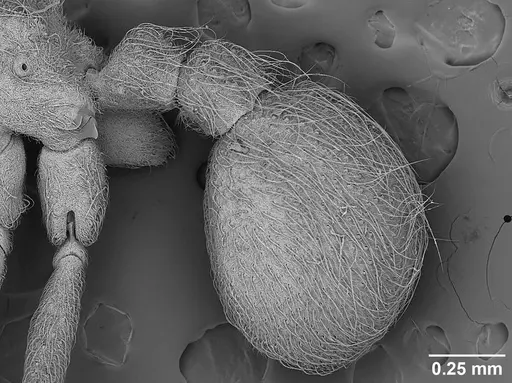
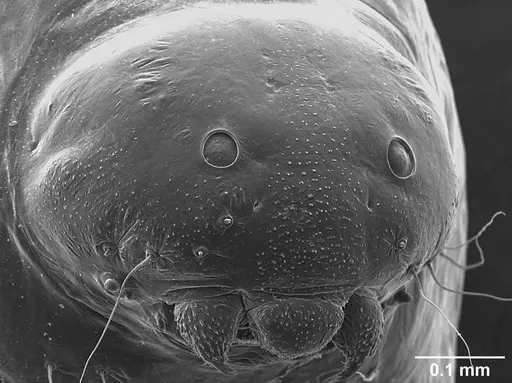
Sericomyrmex saramama is a small fungus-farming ant from the rainforests of Peru, Ecuador, and Colombia . Workers have smooth, glossy mandibles, complete frontal carinae, and eyes without the white layer seen in related species . The queen is larger and has striate mandibles . This ant is named after the Incan goddess of grain, Saramama, because it grows fungus like a farmer in the former Incan Empire . What sets S. saramama apart is that it grows a unique fungal species that sits on a long, separate evolutionary branch from the fungi grown by other Sericomyrmex, even when other cultivars are available nearby . The species is rarely collected and has one of the most restricted distributions in the genus .
Quick Summary
- Difficulty: Expert
- Origin & Habitat: Primary rainforest in Peru, Ecuador, and Colombia at low elevation (around 224 m) [1][4]. It has never been collected in Amazonian Brazil and appears restricted to northwestern South America [1][3].
- Colony Type: Single-queen colonies (monogyne) with field-recorded size of about 59 individuals: 1 queen and 51 workers [4]. Colonies stay small compared to other Attini species.
- Size & Growth:
- Queen: Total length data unavailable. Weber's length (mesosoma) of queen is 1.92 mm [1], but this is not full body length.
- Worker: Total length data unavailable. Weber's length (mesosoma) of workers is 1.12-1.40 mm [1], but this is not full body length.
- Colony: Up to about 60 workers based on field data [4].
- Growth: Unknown, likely slow because the colony must maintain a fungal garden.
- Development: No direct data available for this species. (Given typical Attini patterns, development probably takes several months, but this is an estimate.)
- Antkeeping:
- Temperature: Keep at 24-28°C, like their tropical rainforest home [4]. Provide a gentle heating gradient but avoid drying the nest.
- Humidity: High humidity is essential, think damp rainforest floor. Keep the nest substrate consistently moist but not waterlogged. The fungal garden needs steady moisture.
- Diapause: No, this tropical species does not hibernate. Keep warm year-round.
- Nesting: In the wild, they nest in a single underground chamber about 10.5 cm deep, with a small hole entrance and no mound [4]. For captivity, use a plaster or AAC formicarium with one main chamber roughly 9-11 cm wide. The chamber must hold both the fungal garden and space for workers.
- Behavior: Peaceful and non-aggressive. They have a functional stinger (typical of Attini) but rarely use it, they rely on their cryptic lifestyle. Workers are small, slow-moving, and spend most of their time tending the fungus. Escape risk is moderate: small size means they can slip through tiny gaps, but they aren't active escape artists. Their main activity is fungus maintenance, not aggressive foraging.
- Common Issues: fungal garden failure is the top risk, the specialized cultivar may die if conditions are too dry or temperatures fluctuate., small colony size means losing even a few workers has a big impact., humidity management is critical, too dry kills the fungus, too wet causes mold., this species is extremely rare in the hobby and has very specific needs that differ from common ants., temperature drops below 24°C stress both the ants and their fungus.
Fungus Farming - The Core of Their Diet
Sericomyrmex saramama is a fungus-farming ant (tribe Attini). Unlike most ants that hunt insects or collect honeydew, these ants grow fungus for food. They feed the fungus with plant material (small leaf fragments, flower petals, etc.) and then eat the specialized fungal structures the garden produces. S. saramama grows a unique fungal cultivar that is evolutionarily distant from the fungi grown by other Sericomyrmex species [2]. In captivity, you must give the ants suitable plant matter for their garden. The fungal garden is the heart of the colony, if it fails, the colony dies. This makes S. saramama much harder to keep than predatory or omnivorous ants.
Nest Setup and Housing
Wild S. saramama nests consist of a single chamber about 10.5 cm deep, with a small entrance hole and no mound [4]. The chamber is roughly 9 cm tall and 9-11 cm wide, total volume about 466 cm³ [4]. For captivity, use a plaster or AAC formicarium with a chamber of similar size. The nest must have room for both the fungal garden and workers to move around it. Use a moisture reservoir to keep humidity high, these ants come from rainforests. A test tube is too small for an established colony, you need a proper formicarium with a dedicated garden area.
Temperature and Humidity Requirements
As a tropical species from Peruvian rainforest, S. saramama needs warm, humid conditions all year [1][4]. Keep temperatures between 24-28°C. A small heating cable or mat on one side can create a gentle gradient, but avoid direct heat on the fungal garden. Humidity should be high, the substrate should feel consistently damp but not waterlogged. Both the ants and their fungus are sensitive to drying out. Use a water reservoir or regular misting, but ensure good ventilation to prevent mold. The warmth and humidity mimic their natural understory home.
Feeding and Nutrition
S. saramama eats only the fungus it cultivates. In captivity, you need to provide organic plant material for the fungus to grow on, small pieces of leaves, flower petals, or other plant matter [2]. Unlike leaf-cutter ants (Atta, Acromyrmex), Sericomyrmex uses smaller fragments. Do not feed only sugar water or insects, their main food is the fungal garden. A few reports suggest very small amounts of honey or sugar water as supplements, but the garden must be the primary food source. Research indicates they are generalist fungus farmers that accept various plant materials.
Colony Structure and Growth
Field data shows S. saramama forms small colonies with one queen and about 50 workers [4]. This is tiny compared to other Attini species that can have thousands. The colony is monogyne, one queen per nest [4]. Growth is likely slow because the colony must invest in both fungus and brood. A colony of 50-60 individuals is a mature wild colony [4]. In captivity, expect slow growth over many months. This species is not for keepers who want fast growth.
Behavior and Temperament
Sericomyrmex saramama is peaceful and non‑aggressive. As a member of Attini, it has a functional stinger but rarely uses it, their main defense is cryptic living. Workers are small, slow, and spend nearly all their time tending the fungus. They are not territorial like predatory ants and stay near the nest. Escape risk is moderate: their small size means they can get through tiny gaps, so seal your formicarium well. They are not good for keepers who want active foraging displays, their behavior is subtle and centered on fungus cultivation. [2]
Frequently Asked Questions
Is Sericomyrmex saramama a good species for beginners?
No. This is an expert-level species because of its specialized fungus‑farming needs. Unlike common ants that eat insects, honey, or seeds, S. saramama requires a living fungal garden that needs careful humidity, temperature, and plant material. The fungus is specialized and may not survive in captivity without experience. The species is also extremely rare in the hobby.
What do Sericomyrmex saramama ants eat?
They eat the fungus they cultivate. You must supply organic plant material (small leaf pieces, flower petals, etc.) for the fungus to grow on. The ants process this material and feed the garden, then eat the fungus. Do not rely on sugar water or insects alone, the fungal garden is essential. This is a fundamental difference from keeping predatory or omnivorous ants.
How long does it take for Sericomyrmex saramama to develop from egg to worker?
No development data exists for this species. Based on patterns in other Attini, it likely takes several months, but this is an estimate. The fungal cultivation adds complexity to brood care.
Can I keep multiple Sericomyrmex saramama queens together?
No. This species is monogyne, one queen per nest [4]. Field data shows a single queen with about 50 workers [4]. There's no evidence that multiple queens can coexist. Do not combine unrelated queens.
What temperature should I keep Sericomyrmex saramama at?
Keep them at 24-28°C, mimicking their tropical rainforest home [4]. Avoid temperatures below 24°C. Use a heating cable or mat on one side of the nest, but do not let the fungal garden overheat or dry out. Room temperature alone is probably too cold.
How big do Sericomyrmex saramama colonies get?
Based on field data, mature colonies have about 50-60 workers and one queen [4]. This is small compared to other Attini. Expect slow growth and a maximum around 60 workers.
Do Sericomyrmex saramama need hibernation or diapause?
No. As a tropical rainforest species, they do not hibernate [1]. Keep warm and humid year-round. Do not expose them to cold or simulate winter.
Why is my Sericomyrmex saramama colony dying?
The most common cause is fungal garden failure. The specialized fungus needs high humidity (damp but not waterlogged), warm temperatures (24-28°C), and regular fresh plant material. If the fungus dies, the colony starves. Other issues include low temperature, wrong humidity (too dry or too wet causing mold), poor ventilation, and disturbance. This species is challenging and losses are common.
When should I move Sericomyrmex saramama to a formicarium?
Move established colonies only after they have a healthy fungal garden and at least 20-30 workers. The formicarium must have a chamber big enough for both the garden and the ants. A test tube is fine for founding, but as the colony grows, you need a plaster or AAC nest with a dedicated garden area. Ensure the nest stays humid without flooding.
Where is Sericomyrmex saramama native to?
It is native to primary rainforests in Peru, Ecuador, and Colombia [1][4]. The type locality is Tambopata Reserve in Peru at about 224 m elevation [1]. It has never been found in Amazonian Brazil and seems limited to the western Amazon basin.
Report an Issue
The current care sheet is based fully on literature. See inconsistencies, or something that's incorrect? Please , it will be resolved after review from an admin. Contributing to the blogs tab also helps providing information, to make us be able to further improve the caresheets. Thank you for your support!
References

Este guia de cuidados está sob a licença CC BY-SA 4.0 .
Posts da comunidade
USNMENT00924064
Ver no AntWeb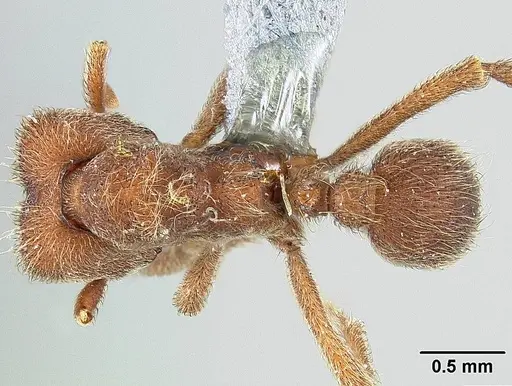
USNMENT00924065
Ver no AntWeb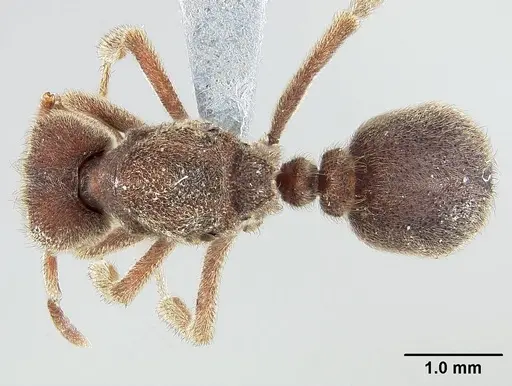
USNMENT00924072
Ver no AntWeb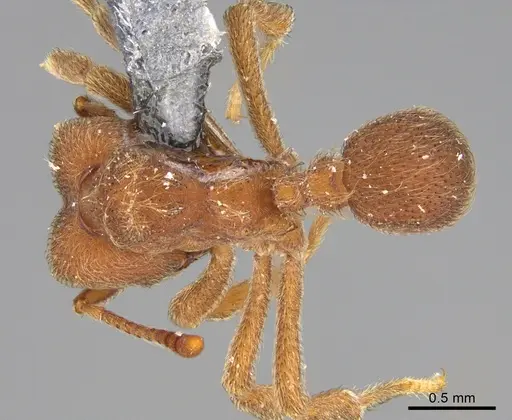
USNMENT01125262
Ver no AntWeb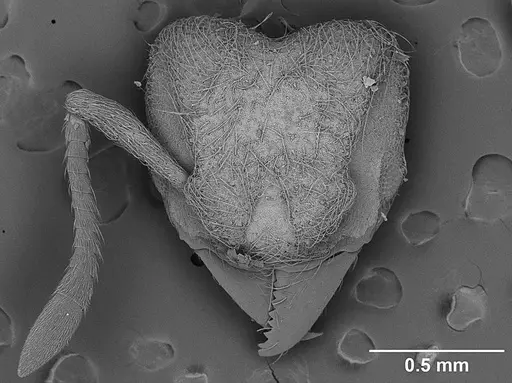
USNMENT01125266
Ver no AntWeb
Literatura
Carregando mapa de distribuição...Carregando produtos...