
Ravavy miafina
- Nome científico
- Ravavy miafina
- Tribo
- Bothriomyrmecini
- Subfamília
- Dolichoderinae
- Autor
- Fisher, 2009
- Distribuição
- Encontrada em 1 países
Introdução
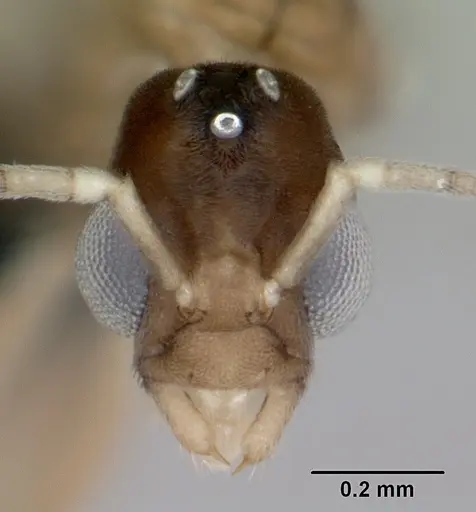
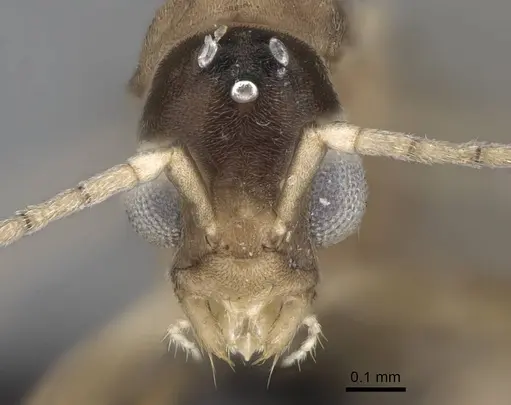
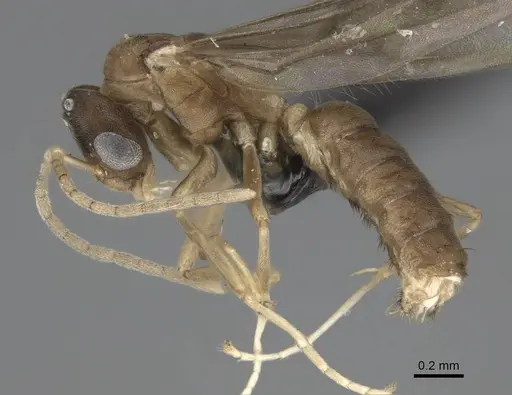
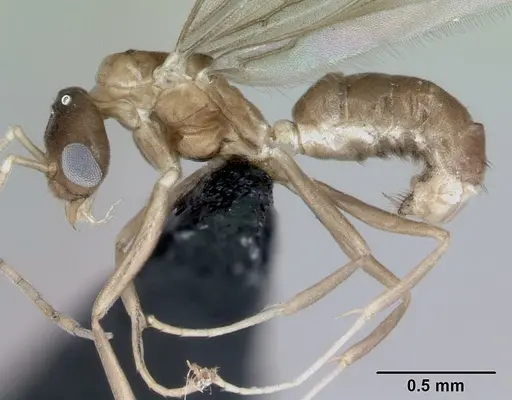
Ravavy miafina is one of the most mysterious ants in the world - only male specimens have ever been found, with workers and queens never discovered despite extensive fieldwork . This tiny ant is endemic to Madagascar, where males have been collected in Malaise traps between January and August across various locations in the western part of the island . The males are small (detailed body length not reported in the literature) and are distinguished by their unique mandibular shape - they have an elongated basal margin and a reduced masticatory margin with a single apical tooth, unlike any other known dolichoderine ant . The genus Ravavy is monotypic, meaning this is the only species in its genus, and it belongs to the tribe Bothriomyrmecini within the Dolichoderinae subfamily . What makes this species particularly intriguing is that despite using various collecting methods including leaf litter extraction, beating low vegetation, breaking dead twigs in the canopy, and hand searching, no one has ever found a worker or queen - researchers hypothesize the colonies may be subterranean, living underground and rarely foraging above ground .
Quick Summary
- Difficulty: Expert
- Origin & Habitat: Madagascar, found in spiny bush near Fort Dauphin, dry forest in Kirindy near Morandava, rainforest in the Sambirano region on the Ampasindava Peninsula, and coastal scrub on sand dunes near Antiranana in the northeastern tip [1][2]
- Colony Type: Unknown, only males have been collected. Worker and queen castes remain undiscovered [1]
- Size & Growth:
- Queen: Unknown, queens have never been discovered [1]
- Worker: Unknown, workers have never been discovered [1]
- Colony: Unknown, no colony has ever been observed [1]
- Growth: Unknown
- Development: Unknown, no brood has ever been documented [1] (Development timeline cannot be determined as the species has never been reared in captivity or observed in its complete colony form)
- Antkeeping:
- Temperature: Unknown, no temperature data available for this species [1]
- Humidity: Unknown, nesting habits are completely unknown [1]
- Diapause: Unknown, insufficient data on biology [1]
- Nesting: Unknown, nesting habits are not known. Researchers hypothesize colonies may be subterranean based on the absence of workers in standard collecting methods [1]
- Behavior: Unknown, the complete colony behavior has never been observed. Males have been collected in Malaise traps from January through August, suggesting nuptial flight activity during these months [1]. As a Dolichoderine ant, related species typically have workers that defend nests using chemical secretions rather than stinging, but this cannot be confirmed for Ravavy miafina.
- Common Issues: this species cannot be kept, workers and queens have never been discovered or described., no established care guidelines exist because the complete colony has never been observed., obtaining a colony is essentially impossible, no one has ever collected a functional colony., nesting requirements are unknown, making appropriate housing impossible to determine., diet preferences are unknown, no feeding observations have been documented.
Why This Species Cannot Be Kept
Ravavy miafina is one of the rarest and most poorly understood ants in the world, it is only known from male specimens, with workers and queens never discovered despite extensive fieldwork in Madagascar [1]. This makes it essentially impossible to keep in captivity. To keep any ant species, you need access to a colony with a queen and workers, which allows you to establish a breeding population. For Ravavy miafina, no one has ever collected or observed a complete colony. Researchers have used multiple collecting techniques including leaf litter extraction (Berlese funnels), beating low vegetation, breaking dead twigs in the canopy, and hand searching, yet no workers or queens have ever been found [1]. The only specimens available are males collected in Malaise traps, which are designed to catch flying insects. This means we have no information about what the queen looks like, how many workers a colony has, what they eat, where they nest, or how they behave. Without this fundamental biological information, it is not possible to provide appropriate care.
What We Know About Males
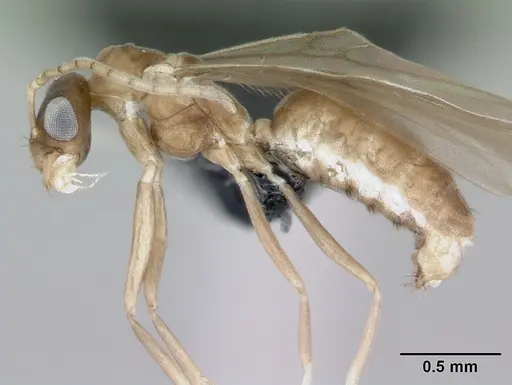
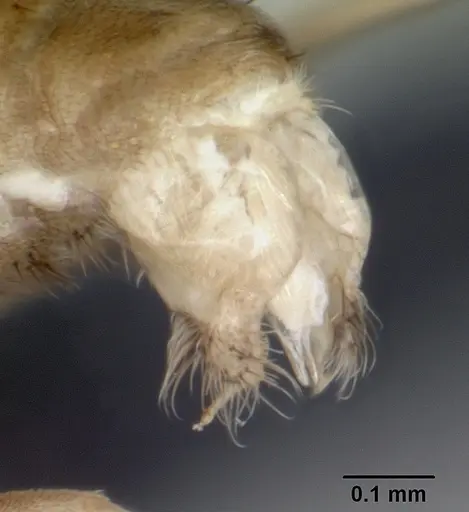
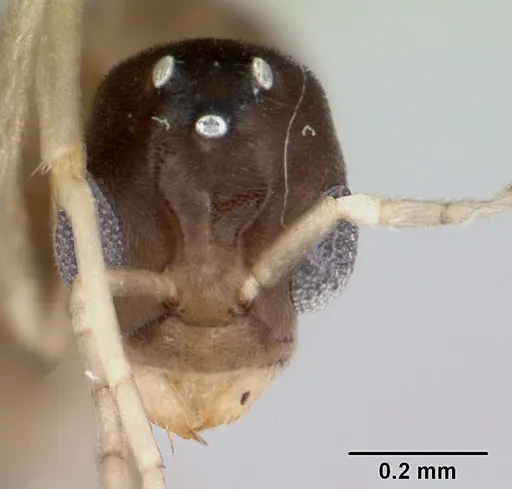
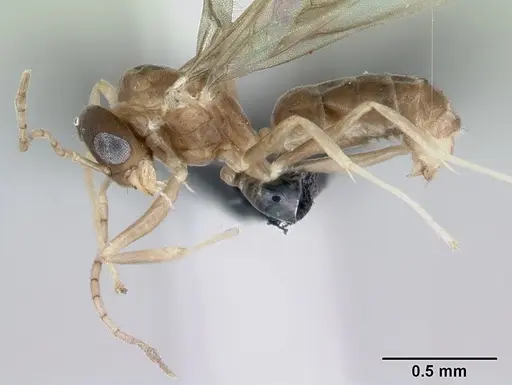
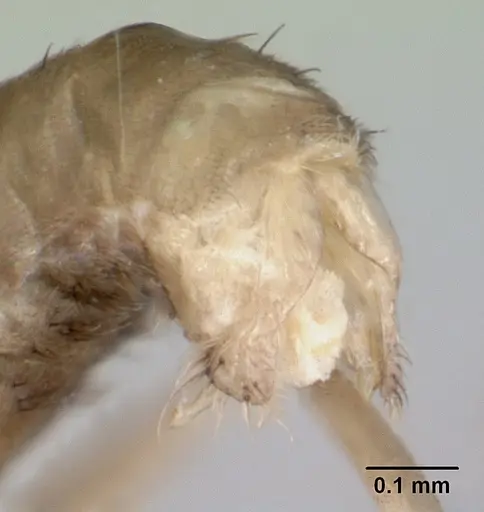
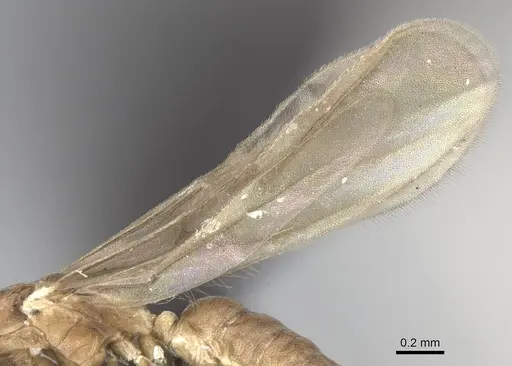
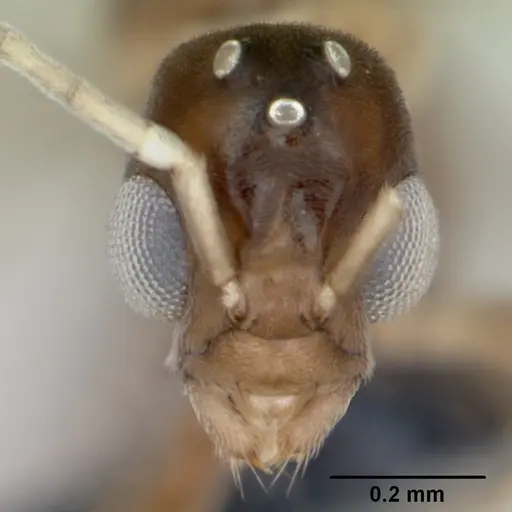
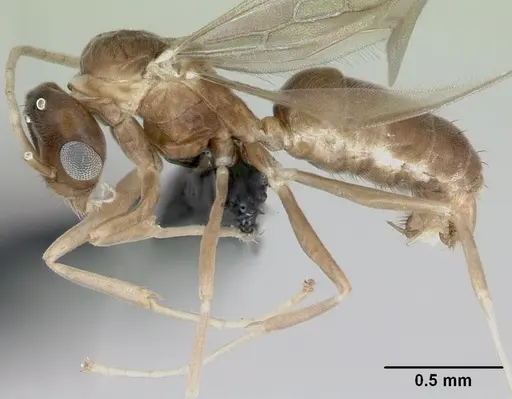
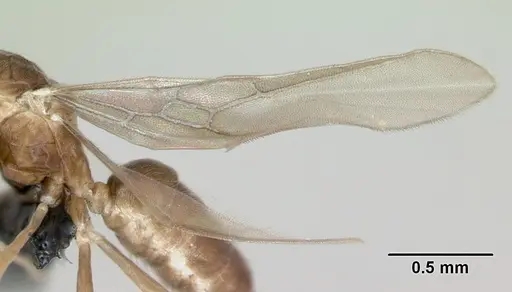
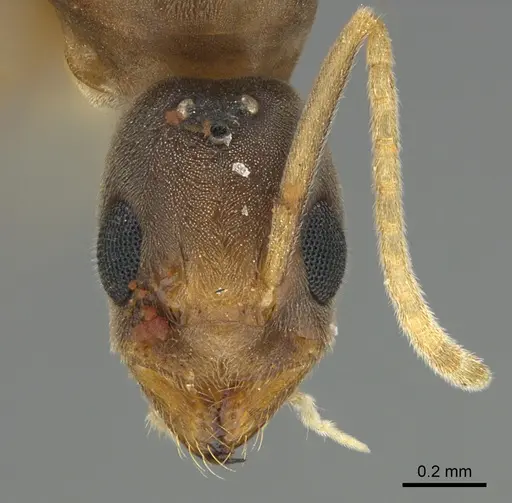
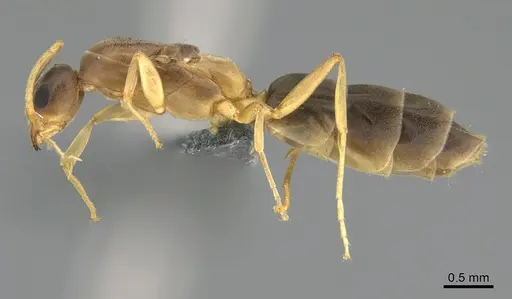
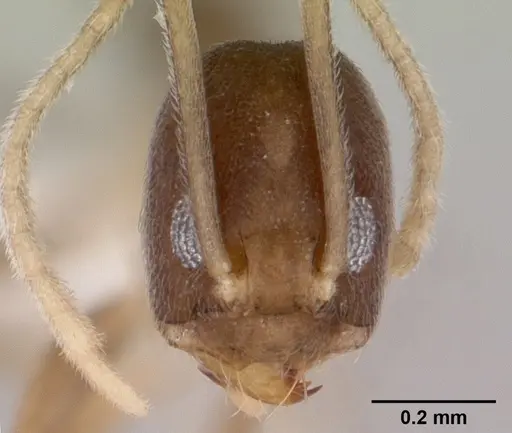
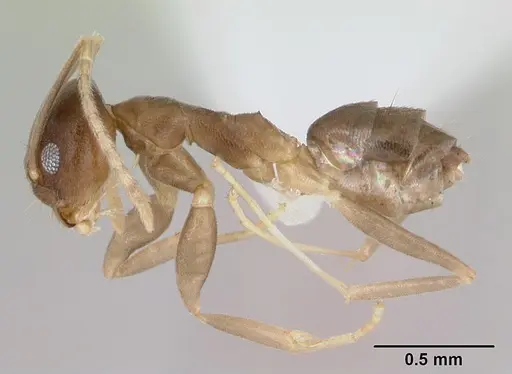
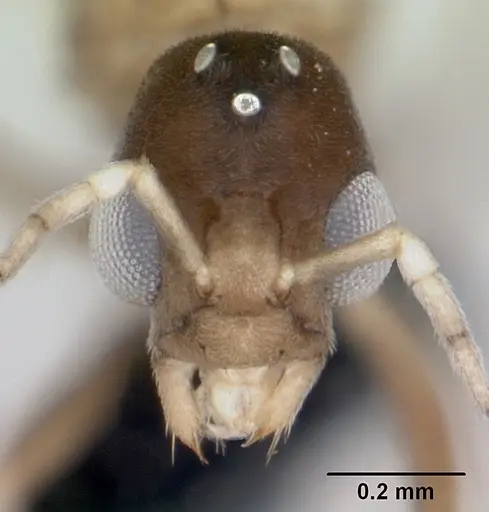
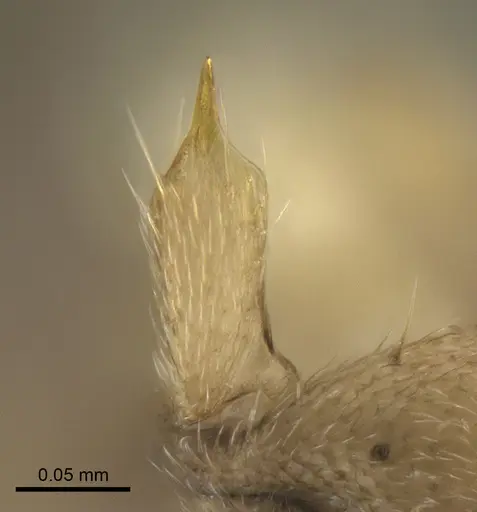
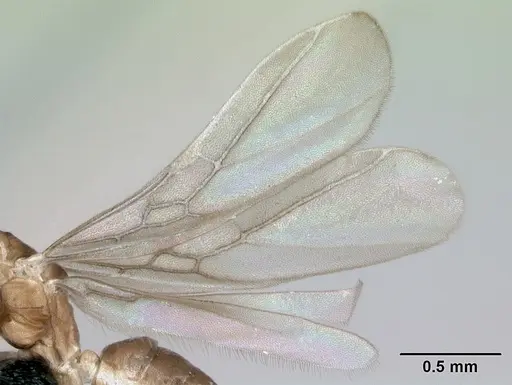
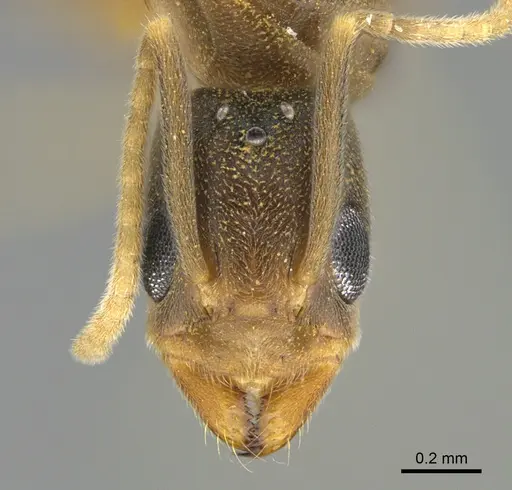
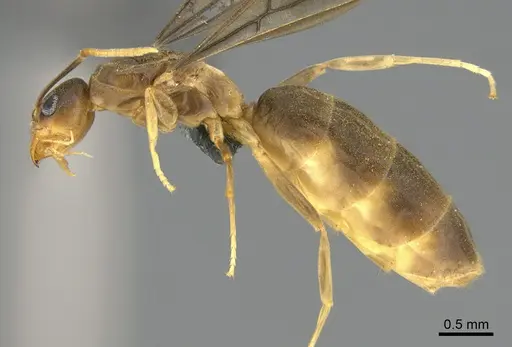
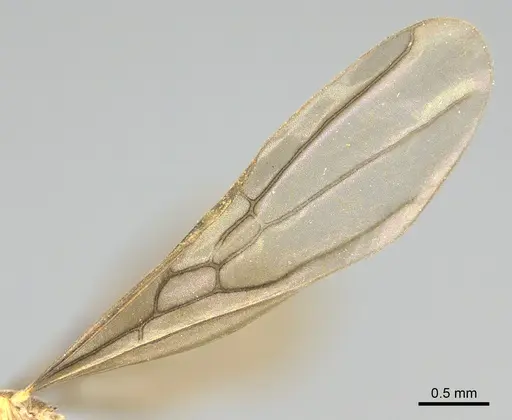
The male ants of Ravavy miafina have been carefully described from specimens collected in Malaise traps. Their most distinctive feature is their unique mandibular shape, they have an elongated basal margin that is more than twice the length of their reduced masticatory margin, which has only a single apical tooth at the tip [1][3]. This is unlike any other known dolichoderine ant genus. The antennae have 13 segments, with the first segment (scape) being roughly twice the length of the next segment [1]. The head is longer than it is wide, and the body is covered in dense, short hairs [1][2]. Males have been collected from January through August across various locations in western Madagascar, including spiny bush habitat near Fort Dauphin, tropical dry forest near Morandava, rainforest on the Ampasindava Peninsula, and coastal scrub on sand dunes near Antiranana [1][2]. Detailed measurements of the head, antennae, and mesosoma are available in the scientific literature, but the total body length was not reported in the original description [1].
Distribution and Habitat
Ravavy miafina is endemic to Madagascar, meaning it is found nowhere else on Earth [1]. Males have been collected from multiple locations across the western part of the island, demonstrating the species occupies diverse habitats. In the south near Fort Dauphin, they are found in spiny bush, a unique habitat characterized by thorny succulent plants adapted to arid conditions. In the central-west near Morandava, they inhabit tropical dry forest. On the Ampasindava Peninsula in the northwest, they occur in rainforest in the Sambirano region. And in the far northeast near Antiranana, they have been collected from coastal scrub on sand dunes [1][2]. This wide distribution across different habitat types (spiny bush, dry forest, rainforest, and coastal scrub) suggests the species is adaptable, but without knowing where workers and queens live, we cannot determine their preferred conditions.
Research History and Discovery
The genus Ravavy was described in 2009 by Brian L. Fisher, making it a relatively recent discovery in ant taxonomy [1]. It was described alongside another new dolichoderine genus called Aptinoma, both from Madagascar. The type specimen (holotype) is a male collected in a Malaise trap from rainforest at Ambilanivy forest near Ambaliha on the Ampasindava Peninsula, at an elevation of 600 meters [2]. Six paratype males were also collected from the same location and date. Additional specimens have been collected from nine other collecting events across five localities in Madagascar, but all are males [2]. The species name 'miafina' comes from the Malagasy language, meaning 'unknown' or 'mysterious', an apt name given how little we know about this ant. The placement in the tribe Bothriomyrmecini was confirmed through phylogenetic analysis, which also confirmed it as a monotypic genus (the only species in its genus) [4][3].
Frequently Asked Questions
Can I keep Ravavy miafina ants?
No, Ravavy miafina cannot be kept. This species is only known from male specimens, workers and queens have never been discovered or described [1]. Without knowing what the workers or queens look like, or how to maintain a colony, it is impossible to provide appropriate care. Additionally, no method exists to obtain a colony since no one has ever collected a functional colony from the wild.
Where can I get Ravavy miafina?
It is not possible to obtain Ravavy miafina. No colony has ever been collected, only individual males have been found in Malaise traps [1]. There are no breeders keeping this species, and no wild colonies have been discovered despite extensive collecting efforts using multiple methods over many years.
What do Ravavy miafina workers look like?
We do not know what the workers look like. Workers have never been discovered or described [1]. This is one of the most mysterious ant species in the world because only the male caste has ever been observed.
What does Ravavy miafina eat?
Unknown, no feeding observations have ever been documented for this species [1]. Without workers, we have no way to observe their diet preferences or foraging behavior.
Where does Ravavy miafina nest?
Unknown, nesting habits are completely unknown [1]. Researchers hypothesize that colonies may be subterranean (living underground) because workers have never been found despite various collecting methods. This would explain why they are rarely encountered.
Are Ravavy miafina ants dangerous?
Unknown, we have no information about the defensive behaviors of this species since workers have never been observed [1]. As a Dolichoderine ant, related species typically use chemical defenses (spraying formic acid or other secretions) rather than stinging, but this cannot be confirmed for Ravavy miafina.
How big do Ravavy miafina colonies get?
Unknown, no colony has ever been observed or documented [1]. We have no information about colony size, structure, or population dynamics.
Do Ravavy miafina queens exist?
Queens have never been discovered or described [1]. This is one of the key mysteries surrounding this species, despite extensive collecting efforts, only male specimens have ever been found.
What is the scientific classification of Ravavy miafina?
Ravavy miafina belongs to the family Formicidae (ants), subfamily Dolichoderinae, tribe Bothriomyrmecini [4]. It is the only species in its genus (monotypic), described by Fisher in 2009 from Madagascar [1].
Why is Ravavy miafina so hard to find?
Researchers believe Ravavy miafina colonies may be subterranean, meaning they live underground and rarely forage above ground [1]. This would explain why workers have never been collected despite multiple collecting methods including leaf litter extraction, beating vegetation, and hand searching. The species may spend most of its time underground, making it extremely difficult to locate.
Report an Issue
The current care sheet is based fully on literature. See inconsistencies, or something that's incorrect? Please , it will be resolved after review from an admin. Contributing to the blogs tab also helps providing information, to make us be able to further improve the caresheets. Thank you for your support!
References

Este guia de cuidados está sob a licença CC BY-SA 4.0 .
Posts da comunidade
CASENT0078664
Ver no AntWeb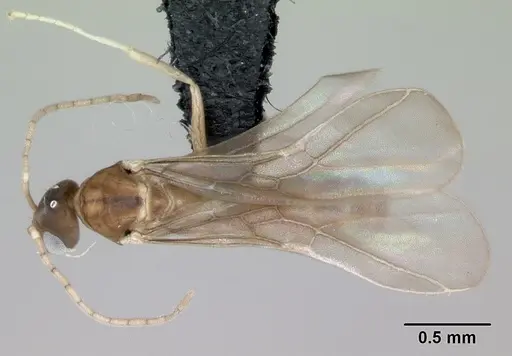
CASENT0080308
Ver no AntWeb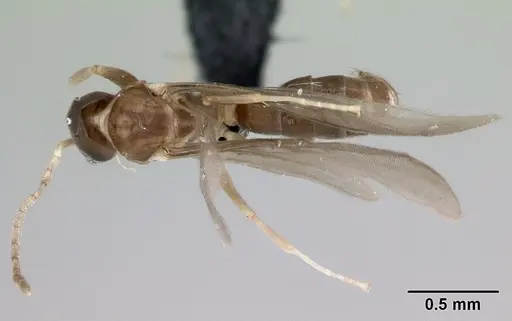
CASENT0081523
Ver no AntWeb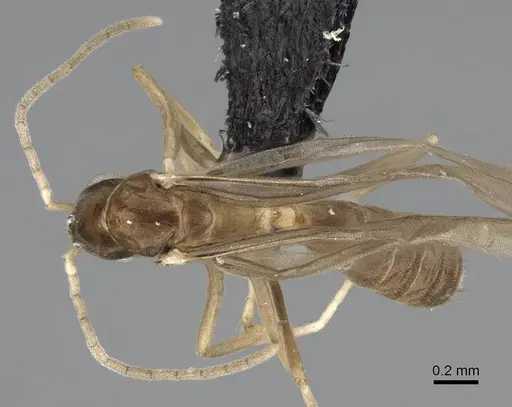
CASENT0115570
Ver no AntWeb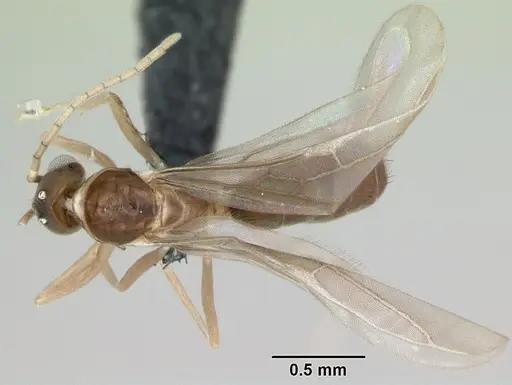
CASENT0299165
Ver no AntWeb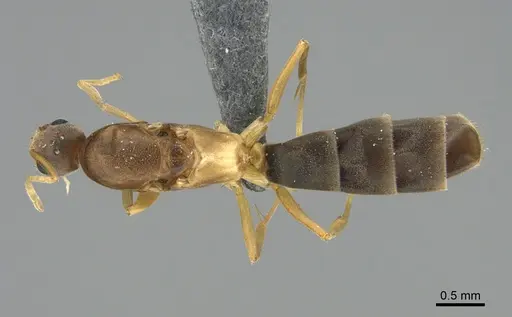
CASENT0345083
Ver no AntWeb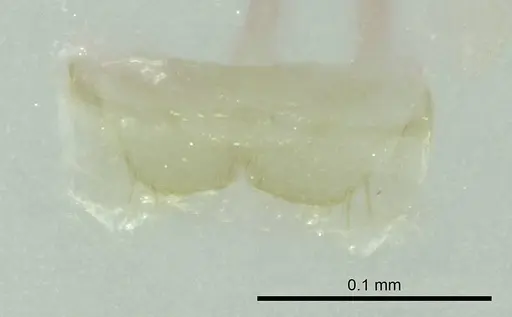
CASENT0345084
Ver no AntWeb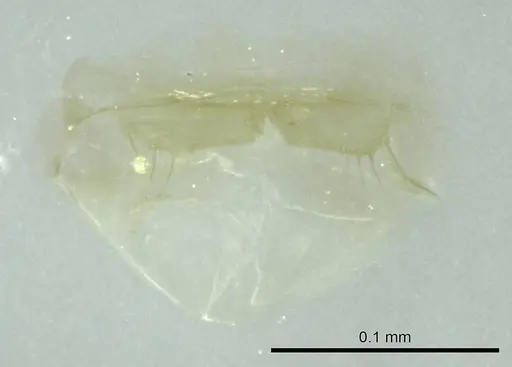
CASENT0345099
Ver no AntWeb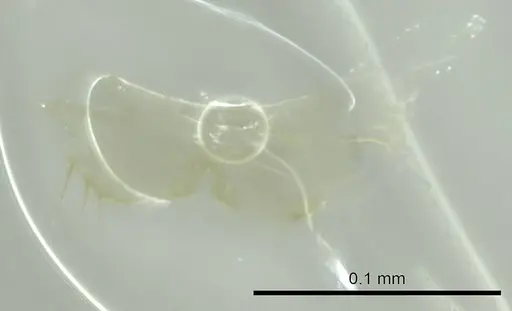
CASENT0345100
Ver no AntWeb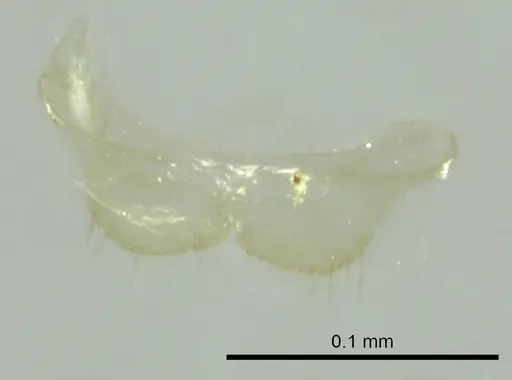
CASENT0439855
Ver no AntWeb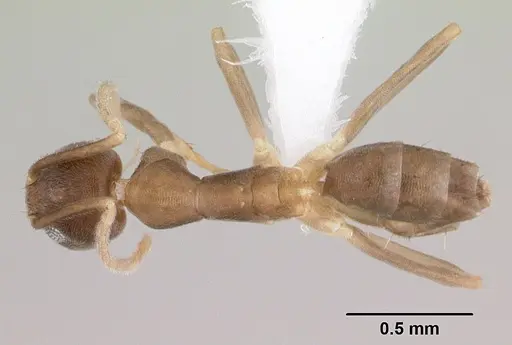
CASENT0474633
Ver no AntWeb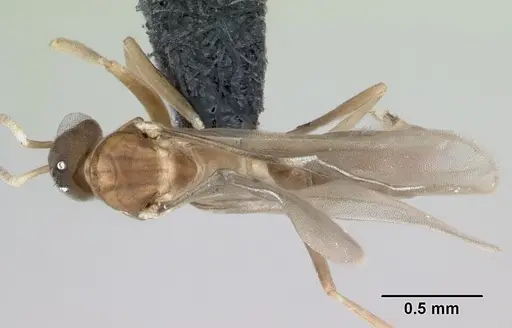
CASENT0770067
Ver no AntWeb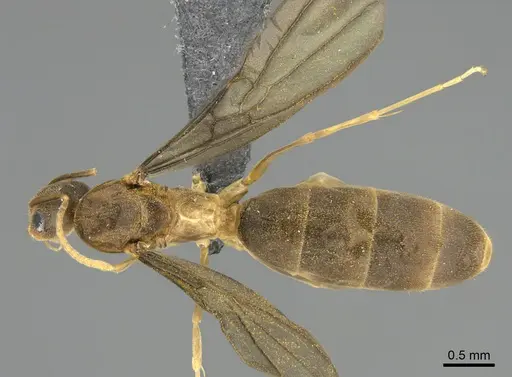
Literatura
Carregando mapa de distribuição...Carregando produtos...