
Pseudoneoponera regularis
- Nome científico
- Pseudoneoponera regularis
- Tribo
- Ponerini
- Subfamília
- Ponerinae
- Autor
- Forel, 1907
- Distribuição
- Encontrada em 1 países
Introdução
Pseudoneoponera regularis is a large, predatory ant native to South-western Australia. Workers are robust and built for hunting prey on the ground surface. This species has a broad distribution across the inland regions of the South-West Botanical Province . As a Ponerinae ant, it possesses a functional stinger and uses venom to subdue prey. These ants are active hunters that patrol the ground individually in search of insects and other small invertebrates.
Quick Summary
- Difficulty: Medium
- Origin & Habitat: South-western Australia, particularly the inland regions of the South-West Botanical Province, an area with a Mediterranean climate of wet winters and dry, warm summers [1].
- Colony Type: Colony structure is unconfirmed. Based on typical Ponerinae patterns, likely single-queen colonies.
- Size & Growth:
- Queen: Size data unavailable, body length not recorded in available research.
- Worker: Large and robust, estimated 10-14 mm based on genus patterns [1].
- Colony: Unknown, Ponerinae colonies of this size typically reach up to several hundred workers, but no specific data exists for this species.
- Growth: Moderate, Ponerinae ants generally grow more slowly than many Myrmicinae species.
- Development: Estimated 8-12 weeks at optimal temperature based on related Ponerinae species, no direct data for P. regularis. (Development time is estimated from related Ponerinae species, specific data for P. regularis is unavailable.)
- Antkeeping:
- Temperature: Keep at 22-26°C. South-western Australia has mild temperatures, so room temperature or slight warming should work. Avoid extremes below 18°C or above 30°C. These conditions are estimated from the Mediterranean climate of the species' native range.
- Humidity: Moderate humidity, allow the nest substrate to dry slightly between mistings to mimic dry summer conditions. Provide a water dish in the outworld. Specific requirements are unknown, so a moisture gradient is recommended.
- Diapause: Likely required, South-western Australia has distinct seasons with cooler winter months. A 2-3 month period at 10-15°C during Australian winter (June-August) is recommended based on genus patterns.
- Nesting: Y-tong or soil nests work well. These are ground-nesting ants that prefer dark, secure chambers. Provide a moisture gradient so ants can choose their preferred humidity zone.
- Behavior: Workers are solitary hunters, foraging individually on the ground. They are not aggressive to humans but will sting if handled, the sting is painful but not medically significant for healthy adults. Escape risk is low due to their large size, but standard prevention measures still apply.
- Common Issues: Predatory diet can be challenging, they need regular live prey and may refuse dead food., Slow colony growth can frustrate beginners who expect rapid expansion., Diapausing at the wrong time or wrong temperature can stress colonies., Sting is painful, handle with care and use gloves if needed., Limited availability in the antkeeping hobby makes founding colonies difficult.
Housing and Nest Setup
Pseudoneoponera regularis does well in standard antkeeping setups. A Y-tong (AAC) nest or a soil nest with a moisture gradient works well, these ants prefer dark, secure chambers. Because they are ground-nesting ants from Australia, include a substrate layer (like sand or soil mix) in the outworld. A water dish in the outworld ensures they have access to drinking water. Standard escape prevention works well since these are large ants that cannot squeeze through typical gaps. Start colonies in a test tube foundation and move to a larger nest when the colony outgrows the tube. [1]
Feeding and Diet
As a predatory ant, Pseudoneoponera regularis requires live prey to thrive. They hunt insects and small invertebrates on the ground surface in the wild [1], so offer appropriate-sized live prey such as small crickets, mealworms, or fruit flies. Some colonies may accept dead prey if moved to simulate movement, but live prey is preferred. Occasionally offer a sugar source like honey water, though predatory Ponerinae primarily need protein. Feed every 2-3 days, adjusting based on colony size and consumption.
Temperature and Seasonal Care
Maintain temperatures between 22-26°C for optimal colony function. These ants come from South-western Australia where temperatures are mild, so avoid extremes. A heating cable on one side of the nest can create a temperature gradient if your room is cool. During the Australian winter (June-August), these ants naturally slow down and likely benefit from a diapause period. Reduce temperatures to 10-15°C for 2-3 months to simulate winter conditions. This rest period supports colony health and may trigger reproductive behavior in the following season. Do not force diapause if your colony is small or weak, wait until you have a stable worker population. [1]
Behavior and Handling
Pseudoneoponera regularis workers are solitary hunters, patrolling the ground individually rather than forming foraging trails [1]. They are not highly aggressive but will defend the nest if threatened. This species has a functional stinger (common to all Ponerinae), the sting is painful but not dangerous to healthy humans. Use caution when handling or working with the colony, and consider wearing gloves. Workers are large and robust, making them easier to handle than tiny ants, but their sting should be respected.
Colony Development
Ponerinae ants like Pseudoneoponera regularis typically grow more slowly than many common ant species. Expect the first workers (nanitics) to emerge 8-12 weeks after the queen lays eggs, depending on temperature. This estimate is based on related Ponerinae species, no direct data exists for P. regularis. Initial colony growth is slow because the queen raises the first brood alone. Once workers emerge, growth accelerates but remains moderate compared to species like Camponotus or Solenopsis. A healthy colony may reach up to several hundred workers over several years. Be patient, slower growth is normal for the genus. [1]
Frequently Asked Questions
How long does it take for Pseudoneoponera regularis to produce first workers?
Expect first workers to emerge 8-12 weeks after founding at optimal temperature (22-26°C). This estimate comes from related Ponerinae species, no specific data is available for P. regularis.
What do Pseudoneoponera regularis eat?
They are predatory ants that need live prey. Feed small live insects like fruit flies, small crickets, or mealworms. Some colonies may accept dead prey moved to simulate movement. Occasional sugar sources like honey water can be offered, but protein is essential [1].
Can I keep Pseudoneoponera regularis in a test tube?
Test tubes work for founding colonies. Once the colony outgrows the test tube, move them to a Y-tong or soil nest to provide better humidity control and more space.
Do Pseudoneoponera regularis need hibernation?
Yes, a diapause period is recommended based on the species' Mediterranean climate. Reduce temperatures to 10-15°C for 2-3 months during winter (June-August in the Southern Hemisphere). This mimics their natural seasonal cycle in South-western Australia.
Are Pseudoneoponera regularis good for beginners?
They are rated as medium difficulty. The main challenges are their need for live prey, slower growth than common species, and the need for proper seasonal diapause. They are rewarding but require more attention than beginner species.
How big do Pseudoneoponera regularis colonies get?
Colony size is unknown for this species. Based on typical Ponerinae patterns, they may reach up to several hundred workers, but no specific data is available. Colonies take several years to reach full size.
When should I move my colony to a formicarium?
Move from test tube to a proper nest (Y-tong or soil) when the colony outgrows the tube. Ponerinae colonies do better with more space and humidity control than test tubes can provide.
Why is my Pseudoneoponera regularis colony growing slowly?
Slow growth is normal for this genus. Ponerinae ants develop more slowly than Myrmicinae species. Ensure proper temperature (22-26°C), adequate prey, and correct humidity. If still concerned, check that the queen is still laying eggs.
Can I keep multiple queens together?
Combining unrelated queens is not recommended and has not been documented for this species. If you obtain multiple foundresses, house them separately.
Report an Issue
The current care sheet is based fully on literature. See inconsistencies, or something that's incorrect? Please , it will be resolved after review from an admin. Contributing to the blogs tab also helps providing information, to make us be able to further improve the caresheets. Thank you for your support!
References

Este guia de cuidados está sob a licença CC BY-SA 4.0 .
Posts da comunidade
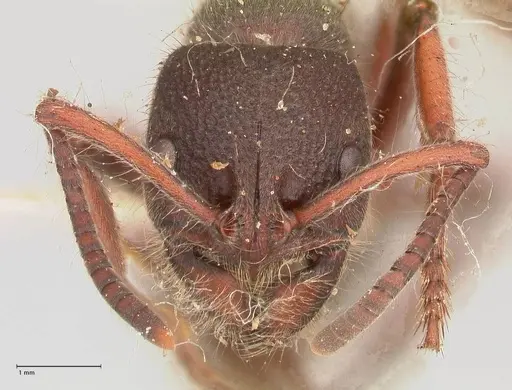
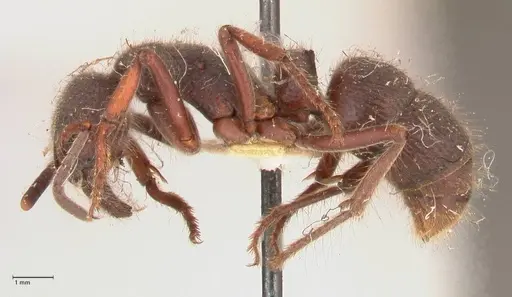
CASENT0907259
Ver no AntWeb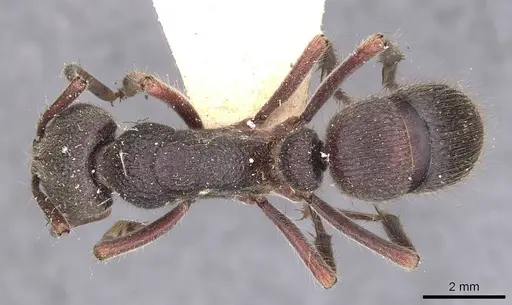
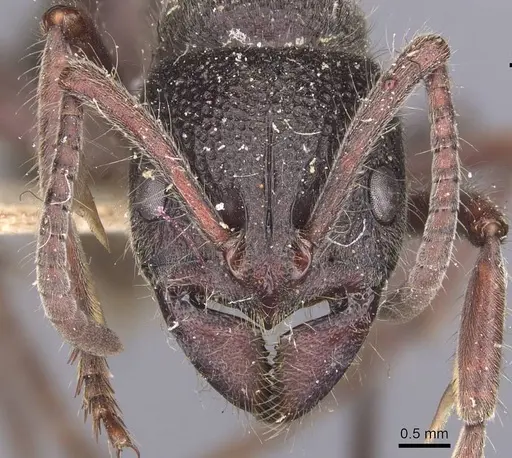
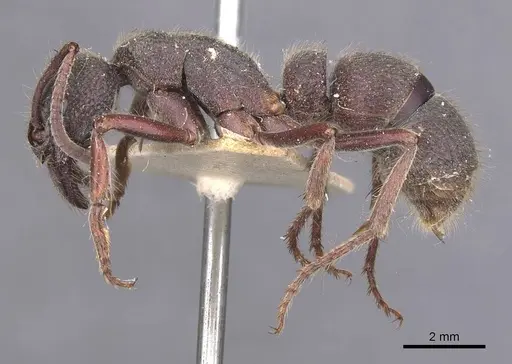
FOCOL0956
Ver no AntWeb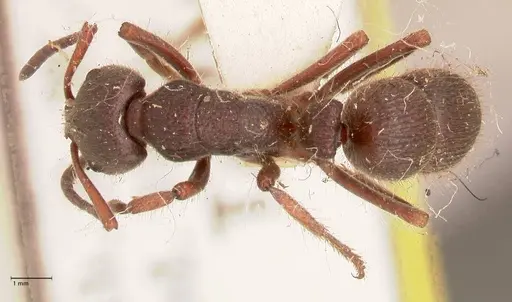
Literatura
Carregando mapa de distribuição...Carregando produtos...