
Pseudomyrmex pupa
- Nome científico
- Pseudomyrmex pupa
- Tribo
- Pseudomyrmecini
- Subfamília
- Pseudomyrmecinae
- Autor
- Forel, 1911
- Distribuição
- Encontrada em 7 países
Introdução
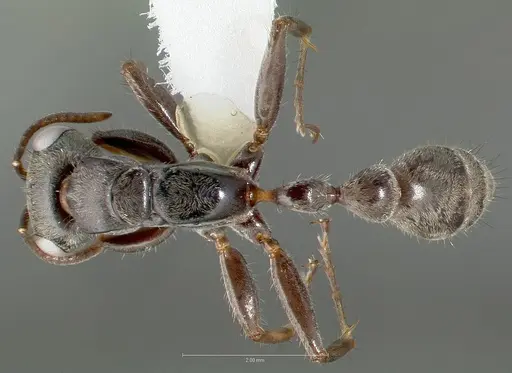
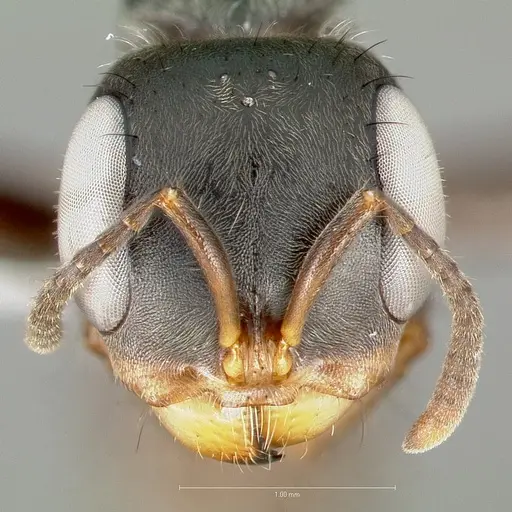
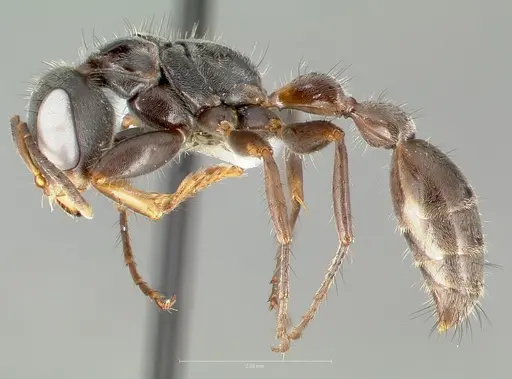
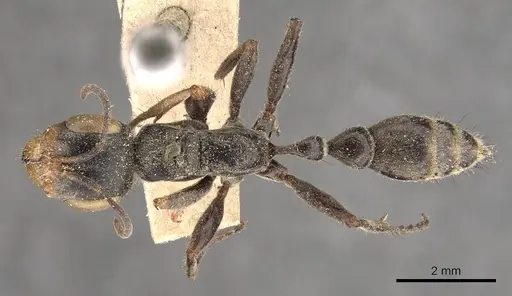
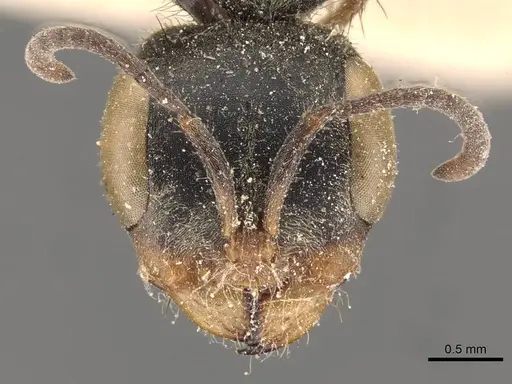
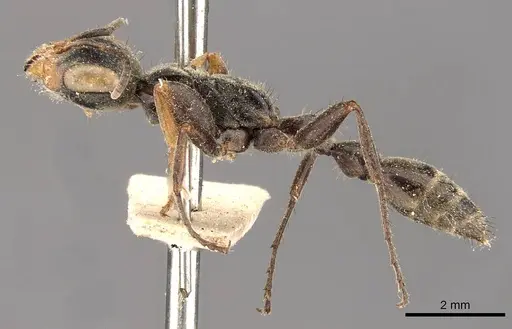
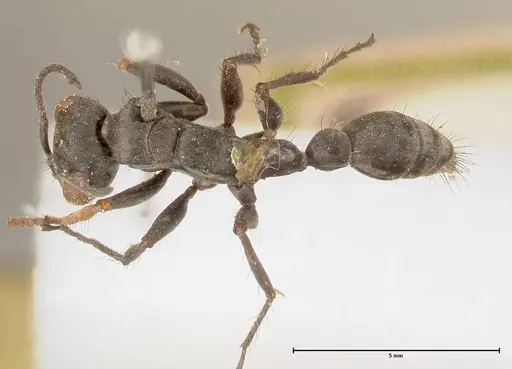
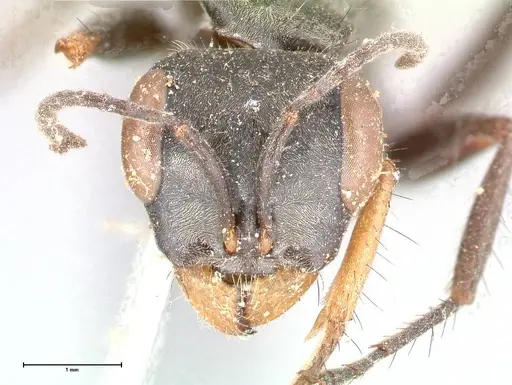
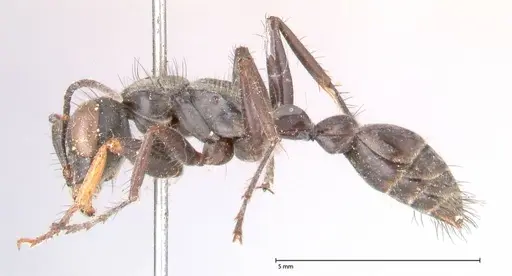
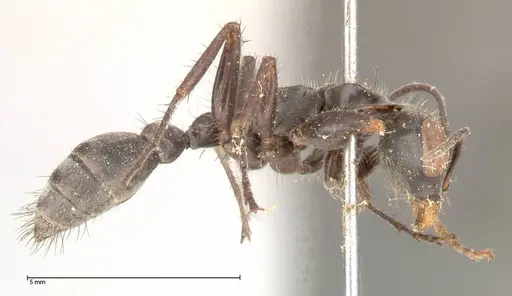
Pseudomyrmex pupa is a Neotropical ant species found from Mexico to South America, including Bolivia, Brazil, Ecuador, French Guiana, and Mexico . It has also been recorded in Colombia (Amazonas and Meta) , Peru , and the Brazilian Amazon and Cerrado biomes . Workers are slender and elongated, typical of the Pseudomyrmex genus, with a reddish-brown to dark brown coloration. This species is arboreal, nesting in plant cavities like hollow twigs and stems rather than in soil. Originally described as a subspecies of Pseudomyrma mutilloides in 1911,it was raised to full species status in 1958 .
Quick Summary
- Difficulty: Medium
- Origin & Habitat: Neotropical region, recorded in Bolivia, Brazil, Ecuador, French Guiana, Mexico [1], Colombia [2], Peru [3], and throughout Brazil in both Amazon and Cerrado biomes [4]. Arboreal, nesting in plant cavities like hollow twigs and bamboo.
- Colony Type: Unconfirmed, colony structure (single queen vs multiple queens) has not been documented.
- Size & Growth:
- Queen: Unknown, no measurements available in the literature.
- Worker: Unknown, no measurements available in the literature.
- Colony: Unknown, colony size has not been studied.
- Growth: Unknown, development timeline not documented.
- Development: Unconfirmed. Based on related Pseudomyrmex species, an estimate of 6-10 weeks at warm tropical temperatures (24-28°C) is possible, but no direct data exists for this species. (Development timeline is unconfirmed. Keep at stable warm temperatures and observe.)
- Antkeeping:
- Temperature: Aim for warm tropical conditions around 24-28°C. A gentle heat gradient allows the colony to regulate itself. Avoid temperatures below 20°C.
- Humidity: Moderate to high humidity. Keep the nest substrate slightly moist but not waterlogged. Good ventilation is important to prevent mold while retaining humidity.
- Diapause: Unknown. As a tropical species, true hibernation is unlikely, but a seasonal slowdown may occur. If activity drops, reduce temperatures slightly (not below 20°C) and monitor.
- Nesting: Arboreal nesters, naturally inhabit hollow twigs, bamboo, and plant stems. In captivity, use Y-tong (AAC) nests, test tubes with cotton, or plaster nests with narrow, enclosed chambers. Avoid large open spaces, they prefer tight cavities.
- Behavior: Arboreal and active foragers. They are likely defensive of their nest and may sting when disturbed, typical of Pseudomyrmex species. Their slender bodies allow them to navigate narrow spaces easily. Escape prevention is important, use barriers suitable for their size.
- Common Issues: tropical species may struggle in cool or dry conditions, maintain warmth and humidity., arboreal nesting means they need enclosed nest spaces rather than open setups., escape prevention is important despite their moderate size., limited documented care information means some trial and error may be needed., wild-caught colonies may carry parasites or face adaptation challenges to captive conditions., their sting can be painful, handle colonies with care.
Natural History and Distribution
Pseudomyrmex pupa is native to the Neotropical region, with records from Mexico [5], Colombia [2], Peru [3], and across Brazil [4]. AntWiki also lists Bolivia, Ecuador, and French Guiana [1]. This wide distribution spans both Amazon rainforest and Cerrado savanna habitats, suggesting adaptability to different forested and scrub ecosystems. The species was originally described from Brazil in 1911 and raised to full species status in 1958 [1].
Nesting Preferences
As an arboreal species, Pseudomyrmex pupa naturally nests in plant cavities rather than soil. Typical nesting sites include hollow twigs and stems. In captivity, provide nest options that mimic this habitat: Y-tong (AAC) nests with small, dark chambers, test tubes with cotton, or plaster nests with narrow tunnels. Avoid large open spaces, these ants feel secure in tight, enclosed areas where they can control humidity.
Feeding and Diet
While specific dietary studies for Pseudomyrmex pupa are lacking, they are likely omnivorous like other Pseudomyrmex. Offer sugar water or honey as a constant energy source. For protein, provide small insects such as fruit flies, small crickets, or mealworms. Feed protein 2-3 times per week and remove uneaten prey after 24-48 hours to prevent mold.
Temperature and Humidity Requirements
Being a tropical species, Pseudomyrmex pupa requires warm conditions. Maintain temperatures around 24-28°C to mimic their natural environment. A slight temperature gradient allows the colony to self-regulate. For humidity, provide moderate to high levels, keep the nest substrate slightly moist but not waterlogged. Good ventilation is important to prevent mold while maintaining humidity. Avoid placing the nest near air conditioning or in drafty areas.
Colony Establishment and Growth
The colony founding behavior of Pseudomyrmex pupa has not been directly documented. Most Pseudomyrmex species are claustral, with queens sealing themselves in a chamber to raise the first brood on stored reserves. However, this is unconfirmed for P. pupa. If you acquire a founding queen, provide a small, dark, enclosed space (test tube or small Y-tong section) and maintain warm, humid conditions without disturbance during founding. Once workers emerge, they will expand into additional chambers. Growth rate is unknown but likely moderate. Be patient, tropical arboreal ants sometimes develop slowly.
Frequently Asked Questions
How long does it take for Pseudomyrmex pupa to produce first workers?
The exact egg-to-worker timeline is unconfirmed. Based on related Pseudomyrmex species, an estimate of 6-10 weeks at 24-28°C is reasonable, but this is not specific to P. pupa.
What is the best nest type for Pseudomyrmex pupa?
Y-tong (AAC) nests or test tubes work well. These ants are arboreal and prefer enclosed, dark chambers that mimic their natural hollow twig nesting sites. Avoid open setups.
Do Pseudomyrmex pupa ants sting?
Yes, like other Pseudomyrmex, they have a well-developed sting used for defense. The sting is likely painful but not medically significant. Handle colonies with care.
Can I keep multiple Pseudomyrmex pupa queens together?
Colony structure is unconfirmed, so polygyny is not documented. Starting with a single queen is safest to avoid possible aggression.
What do Pseudomyrmex pupa ants eat?
They likely accept sugar sources (sugar water, honey) and protein (small insects like fruit flies, pinhead crickets, mealworms). Offer sugar water continuously and protein 2-3 times per week.
Are Pseudomyrmex pupa ants good for beginners?
This species is rated Medium difficulty. While not the most challenging, there is limited documented care information, so some adaptability and patience are needed. Warm, humid conditions are essential. Experience with tropical or arboreal ants is helpful.
Do Pseudomyrmex pupa ants need hibernation?
Diapause is unknown. As a tropical species, true hibernation is unlikely, but you may see reduced activity in cooler months. If activity drops, lower temperatures slightly (not below 20°C) and observe.
How big do Pseudomyrmex pupa colonies get?
Maximum colony size is unconfirmed. Related Pseudomyrmex species typically form moderate-sized colonies of several hundred workers, but this is an inference.
Where is Pseudomyrmex pupa found in the wild?
Across the Neotropical region: Mexico [5], Colombia [2], Peru [3], and throughout Brazil [4]. AntWiki also lists Bolivia, Ecuador, and French Guiana [1]. They inhabit Amazon and Cerrado biomes.
Why are my Pseudomyrmex pupa ants dying?
Common issues include temperatures that are too cool (keep above 24°C), low humidity (maintain moderate to high), excessive disturbance during founding, or poor escape prevention. Ensure stable warm, humid conditions and minimal disturbance, especially for founding colonies.
Report an Issue
The current care sheet is based fully on literature. See inconsistencies, or something that's incorrect? Please , it will be resolved after review from an admin. Contributing to the blogs tab also helps providing information, to make us be able to further improve the caresheets. Thank you for your support!
References

Este guia de cuidados está sob a licença CC BY-SA 4.0 .
Posts da comunidade
Literatura
Carregando mapa de distribuição...Carregando produtos...