
Pseudomyrmex perboscii
- Nome científico
- Pseudomyrmex perboscii
- Tribo
- Pseudomyrmecini
- Subfamília
- Pseudomyrmecinae
- Autor
- Guérin-Méneville, 1844
- Distribuição
- Encontrada em 5 países
Introdução
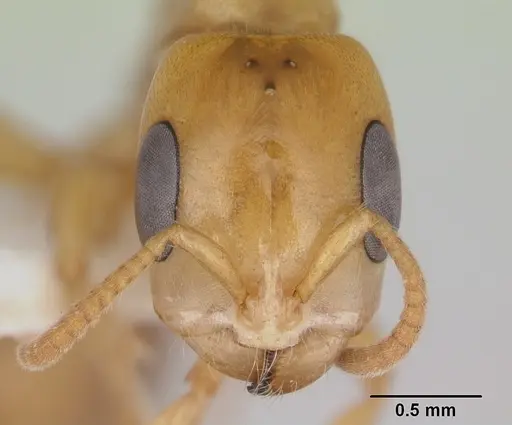
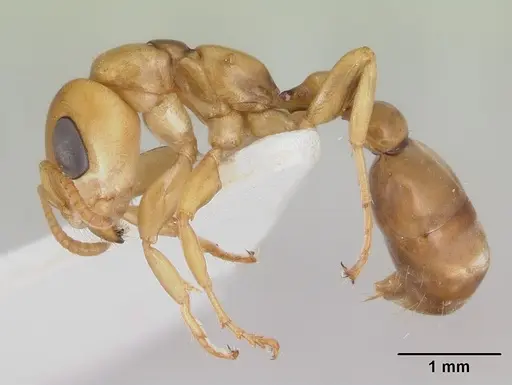
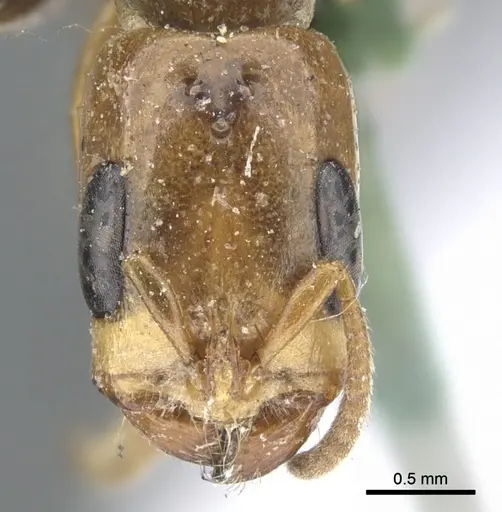
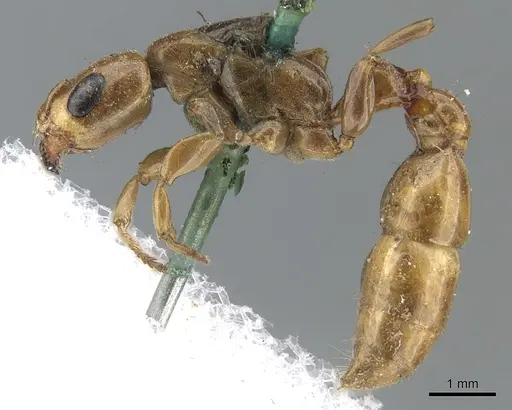
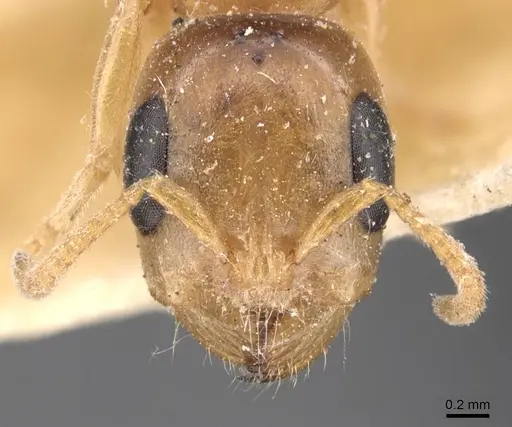
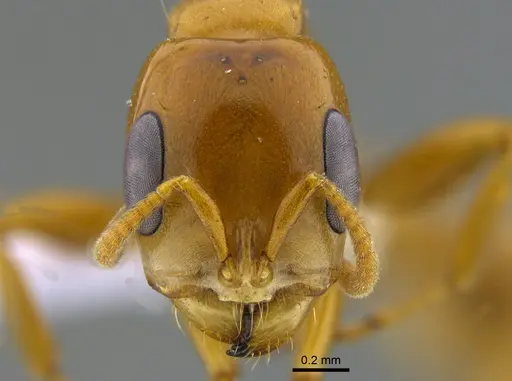
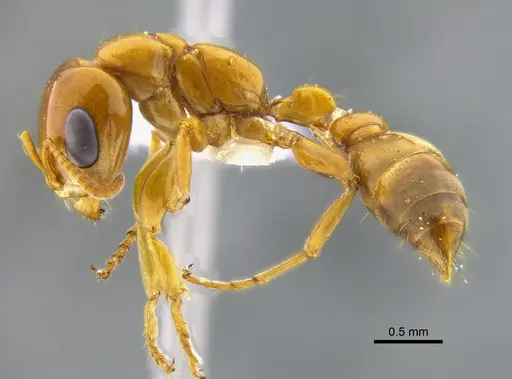
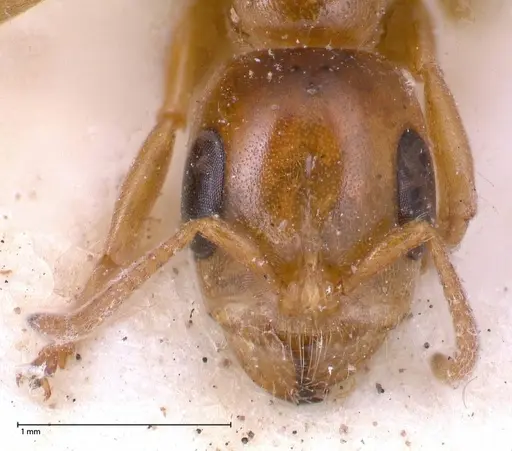
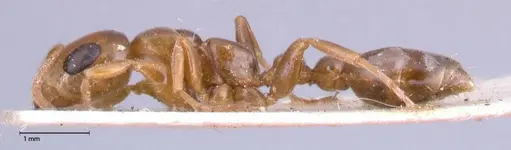
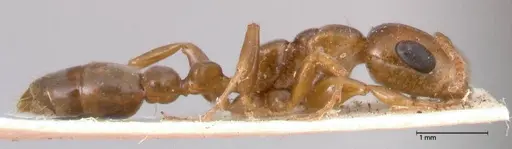
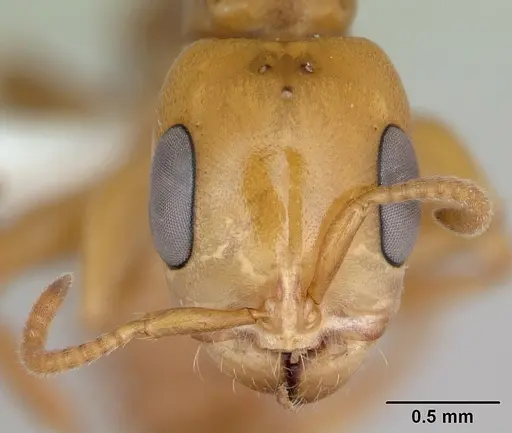
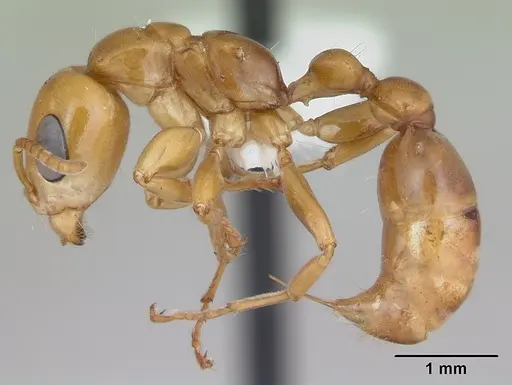
Pseudomyrmex perboscii is a medium-sized ant native to the Neotropics, ranging from Mexico down to Brazil and Peru. The queen is roughly 9.5 mm long . Worker total length is not documented, but the head width (a separate measurement) ranges from 1.09 to 1.44 mm. The body is orange to testaceous-brown, sometimes with a darker gaster . The head is smooth and bright with fine scattered punctules, and the metanotal groove is deeply impressed . This species is taxonomically distinctive and was previously known under several synonyms before being consolidated under Pseudomyrmex perboscii in 1989 . What makes this ant particularly interesting is its ecological role as a generalized live-stem nester. Unlike aggressive acacia-specialist Pseudomyrmex, these ants are timid and non-specific in their plant choices, inhabiting live branches of various trees including Albizia saman, Macrolobium, Cordia, Bombax, and Pseudobombax . They occupy unconnected cavities within the plant stems, tend coccids for honeydew, and do not provide protection to their host plants . Researchers believe this generalized lifestyle may represent an early or arrested phase in the evolution of specialized ant-plant mutualisms .
Quick Summary
- Difficulty: Medium
- Origin & Habitat: Neotropical region, found in Mexico, Costa Rica, Colombia, Peru, Brazil, and Trinidad and Tobago. Inhabits live branches of various tropical trees including Albizia saman (saman), Macrolobium, Cordia, Bombax, and Pseudobombax [4][5][2].
- Colony Type: Social structure is unconfirmed, likely monogyne (single-queen) based on generalized nesting habits, but not documented in literature.
- Size & Growth:
- Queen: Approximately 9.5 mm total length based on original description [1]
- Worker: Worker total length not documented, head width roughly 1.09-1.44 mm [1]
- Colony: Colony size not documented, they occupy multiple unconnected cavities in plant branches, suggesting several hundred workers at maturity based on typical Pseudomyrmex patterns [3]
- Growth: Moderate, typical for tropical Pseudomyrmex
- Development: Not documented, estimated 6-8 weeks at 26°C based on related Pseudomyrmex species (Development timeline not specifically documented for this species. Estimate based on congeneric patterns.)
- Antkeeping:
- Temperature: Keep at 24-28°C (tropical warmth). These are Neotropical ants adapted to warm, humid conditions. A heating cable on one side of the nest creates a temperature gradient [4].
- Humidity: High humidity required, think damp tropical forest conditions. Keep nest substrate consistently moist but not waterlogged. Mist occasionally and provide a water source. These ants naturally live in live plant stems with internal cavities that maintain humidity [3][4].
- Diapause: No, as a tropical species, they do not require hibernation. Maintain consistent warm temperatures year-round [4].
- Nesting: Naturalistic setup recommended. These ants naturally nest in live plant branches with internal cavities. In captivity, a naturalistic setup with cork or wood sections, or a well-humidified Y-tong/plaster nest works well. Provide enclosed spaces that mimic plant stem cavities. Avoid dry, exposed setups [3][4].
- Behavior: Timid and non-aggressive compared to other Pseudomyrmex species. Workers patrol foliage but are much less likely to sting when disturbed than acacia-inhabiting Pseudomyrmex [4]. They are generalist plant-nesters rather than specialized mutualists. Workers are small and can escape through tiny gaps, excellent escape prevention is essential. They tend coccids for honeydew in addition to hunting small prey [3][4].
- Common Issues: escape prevention is critical, tiny workers squeeze through the smallest gaps, use fine mesh and tight-fitting barriers, dry conditions cause colony decline, these tropical ants need consistently humid environments, overheating can be harmful, avoid temperatures above 30°C despite their tropical origin, wild-caught colonies may have parasites or be stressed from collection, quarantine and monitor closely, colonies may be difficult to establish from queen due to specialized plant-nesting lifestyle requiring specific conditions
Natural History and Ecology
Pseudomyrmex perboscii is a generalized live-stem nesting ant found throughout the Neotropics from Mexico to Brazil and Peru. Unlike its famous relatives (the acacia ants), this species does not form specialized mutualistic relationships with plants. Instead, it occupies hollow cavities within live branches of various tree species including Albizia saman, Macrolobium, Cordia, Bombax, and Pseudobombax [3][4][2]. The ants use existing cavities in the plant tissue, which can be 5-20 mm long with 2-4 mm internal diameter. These cavities are intrinsic to the plant, unoccupied cavities without entrance holes can often be found in the same stems [3].
The colony structure is interesting: ants occupy numerous unconnected cavities within the same tree, rather than one unified nest [3]. Workers forage on the foliage and tend coccids (scale insects) for honeydew, which serves as a sugar source [3]. Despite being a Pseudomyrmex (a genus known for aggressive defenders), Pseudomyrmex perboscii is notably timid. When disturbed, they are far less likely to sting compared to Pseudomyrmex species that inhabit Tachigali, Triplaris, or swollen-thorn acacias [4]. This non-aggressive, generalized lifestyle has led researchers to hypothesize that it may represent an early or arrested phase in the development of specialized ant-plant mutualisms [4].
Housing and Nest Setup
Because these ants naturally nest inside live plant stems, your setup should mimic those conditions as closely as possible. A naturalistic terrarium-type setup works best, think of it as a miniature tropical vivarium. You can use cork sections, hollow bamboo, or wooden inserts placed in a humid chamber. The key is providing enclosed spaces that the ants can inhabit while maintaining high ambient humidity [3][4].
A Y-tong (AAC) or plaster nest with narrow chambers can work if you keep it consistently humid, but these ants may do better in setups that more closely match their natural plant-cavity lifestyle. Keep the nest area humid (70-85% relative humidity) but ensure some ventilation to prevent mold. The outworld can be kept drier. Temperature should be warm (24-28°C), and you can use a low-wattage heating cable on one side to create a gradient. Always provide a water source, a test tube with water and a cotton plug works well [4].
Feeding and Diet
In the wild, Pseudomyrmex perboscii workers tend coccids (scale insects) for honeydew and hunt small arthropods [3]. In captivity, offer a similar diet. Sugar water, honey, or diluted syrup should be available constantly, these ants need carbohydrates [4]. For protein, offer small live prey like fruit flies, pinhead crickets, or small mealworms. You can also try offering small pieces of insects [4][3].
Feed protein prey 2-3 times per week, and keep sugar water available at all times. Remove any uneaten prey after 24-48 hours to prevent mold. Because these ants are timid and not aggressive foragers, make sure food is accessible in the foraging area. The coccid-tending behavior suggests they prefer liquid sugar sources, so honey water or sugar water in a test tube with a cotton wick works well.
Temperature and Seasonal Care
As a Neotropical species, Pseudomyrmex perboscii requires warm temperatures year-round. Keep the nest area at 24-28°C (75-82°F). These ants are adapted to tropical conditions and do not tolerate cool temperatures well. You can use a low-wattage heating cable placed on top of the nest (never underneath where it could dry out the substrate) to maintain warmth, especially if your room temperature runs cooler [4].
Unlike temperate ant species, Pseudomyrmex perboscii does not require hibernation or a diapause period [4]. Maintain consistent temperatures throughout the year. However, be careful not to overheat, temperatures above 30°C (86°F) can be harmful. If your setup runs warm, ensure adequate ventilation and humidity to prevent the nest from drying out. A temperature gradient allows the ants to choose their preferred warmth level.
Behavior and Handling
Pseudomyrmex perboscii is notably docile compared to other Pseudomyrmex species. Workers are small (queen roughly 9.5 mm, workers smaller) and timid. When disturbed, they are far less likely to sting than their acacia-inhabiting cousins [4]. That said, they can still deliver a sting if handled roughly, though their venom is not considered dangerous to healthy humans [4].
These ants are not aggressive colony defenders, which makes them interesting to observe but also means they're easily stressed. Avoid disturbing the nest too much, especially during the founding stage. Workers forage on foliage and will readily take sugar water and small prey back to the colony. Because of their small size, excellent escape prevention is essential, they can squeeze through remarkably tiny gaps. Use fine mesh on any ventilation holes and ensure all connections are sealed.
Frequently Asked Questions
Is Pseudomyrmex perboscii a good species for beginners?
This species is rated as medium difficulty. While not as aggressive as some Pseudomyrmex, it has specific humidity and temperature requirements typical of tropical ants. Beginners should be comfortable maintaining warm, humid conditions year-round. The main challenges are escape prevention (due to their small size) and providing the right nesting environment that mimics plant stem cavities.
What do Pseudomyrmex perboscii ants eat?
They are generalist feeders. Offer sugar water, honey, or diluted syrup constantly for carbohydrates. For protein, feed small live prey like fruit flies, pinhead crickets, or small mealworms 2-3 times per week. They also tend coccids in the wild, so they readily accept liquid sugar sources [3][4].
Do Pseudomyrmex perboscii ants sting?
Yes, they can sting, but they are notably timid and much less likely to sting compared to other Pseudomyrmex species like the acacia ants [4]. They will only sting if severely threatened. Their venom is not considered dangerous to healthy humans [4].
What temperature do Pseudomyrmex perboscii need?
Keep them warm at 24-28°C (75-82°F). As Neotropical ants, they require consistent warmth year-round and do not tolerate cool temperatures [4]. A heating cable on one side of the nest can help maintain appropriate temperatures.
Do Pseudomyrmex perboscii need hibernation?
No, they do not require hibernation. As a tropical species, maintain consistent warm temperatures year-round. They are active throughout the year in their native range [4].
How long does it take for Pseudomyrmex perboscii to produce first workers?
Exact development time is unconfirmed for this species. Based on related Pseudomyrmex species, you can expect approximately 6-8 weeks from egg to first worker at optimal tropical temperatures (around 26°C), but this is an estimate.
Can I keep multiple Pseudomyrmex perboscii queens together?
This species is unconfirmed to be monogyne or polygyne. It is likely single-queen based on generalized nesting habits, but no data confirms this. Multiple unrelated queens would probably fight. Only keep one queen per colony unless you observe natural pleometrosis.
What size colony do Pseudomyrmex perboscii reach?
Colony size is not specifically documented. They occupy multiple unconnected cavities in plant branches [3]. Based on typical Pseudomyrmex patterns, expect colonies of several hundred workers at maturity.
Why are my Pseudomyrmex perboscii dying?
Common causes include: dry conditions (they need high humidity), temperatures too cool or too hot, poor escape prevention allowing them to escape, stress from excessive disturbance, or parasites from wild-caught colonies [4]. Ensure humidity is high, temperature is in the 24-28°C range, and minimize nest disturbances.
What nest type is best for Pseudomyrmex perboscii?
A naturalistic setup that mimics their plant-stem nesting lifestyle works best. Use cork sections, hollow bamboo, or wooden inserts in a humid chamber. A Y-tong (AAC) or plaster nest can work if kept consistently humid, but these ants may thrive more in setups that closely match their natural live-branch cavities [3][4].
How do I set up a naturalistic terrarium for Pseudomyrmex perboscii?
Create a tropical-style setup with a humid base (like soil or coconut fiber), live or artificial plants, and multiple nesting options like cork pieces, bamboo sections, or wooden inserts. Maintain 70-85% humidity and 24-28°C temperature. The key is providing enclosed spaces the ants can inhabit while being able to move between cavities [3][4].
Report an Issue
The current care sheet is based fully on literature. See inconsistencies, or something that's incorrect? Please , it will be resolved after review from an admin. Contributing to the blogs tab also helps providing information, to make us be able to further improve the caresheets. Thank you for your support!
References

Este guia de cuidados está sob a licença CC BY-SA 4.0 .
Posts da comunidade
CASENT0178708
Ver no AntWeb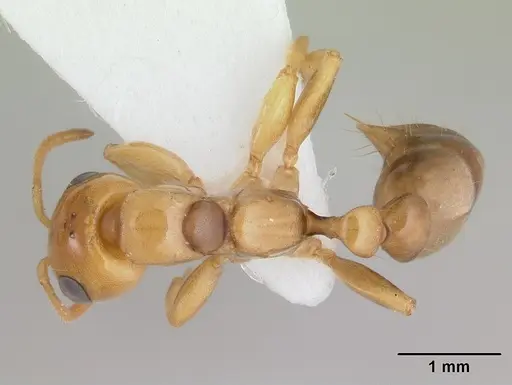
CASENT0902924
Ver no AntWeb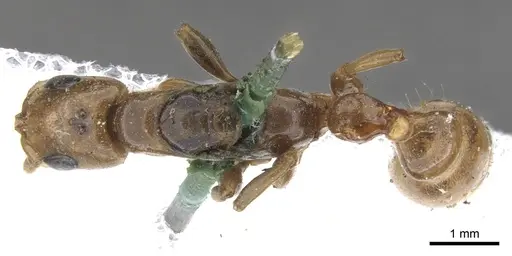
CASENT0907561
Ver no AntWeb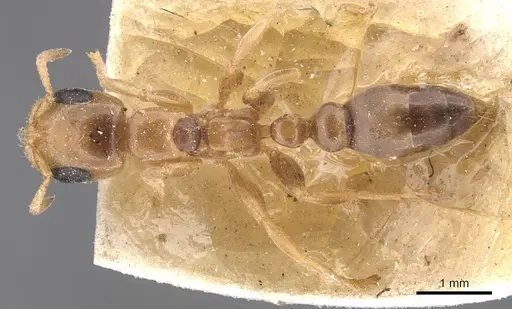
CBUMAGENT41945
Ver no AntWeb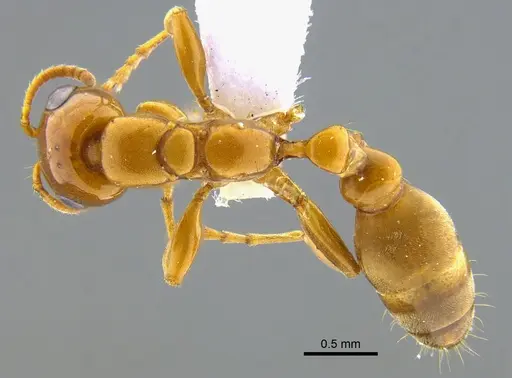
FOCOL0527
Ver no AntWeb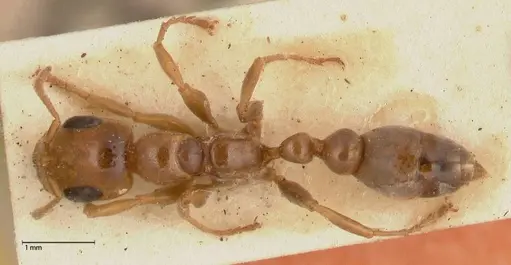
JTLC000013790
Ver no AntWeb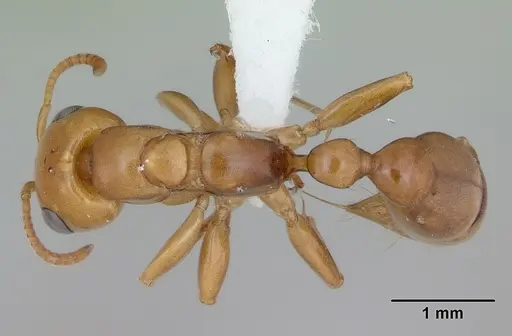
Literatura
Carregando mapa de distribuição...Carregando produtos...