
Pseudomyrmex concolor
- Nome científico
- Pseudomyrmex concolor
- Tribo
- Pseudomyrmecini
- Subfamília
- Pseudomyrmecinae
- Autor
- Smith, 1860
- Distribuição
- Encontrada em 5 países
Introdução
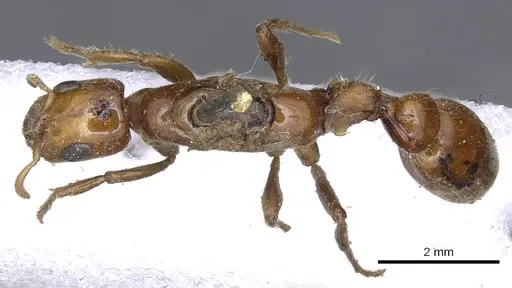
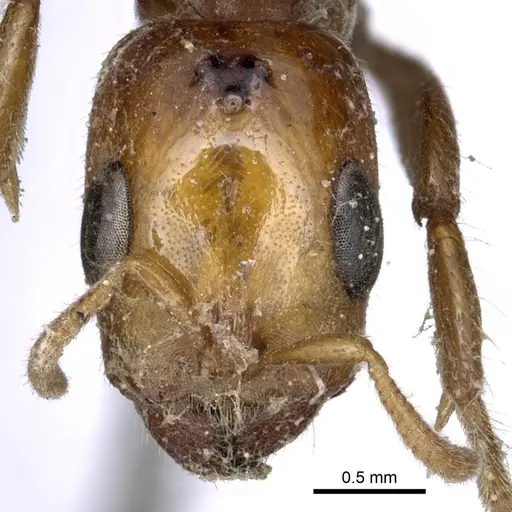
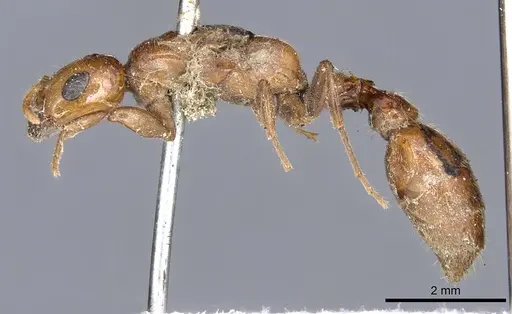
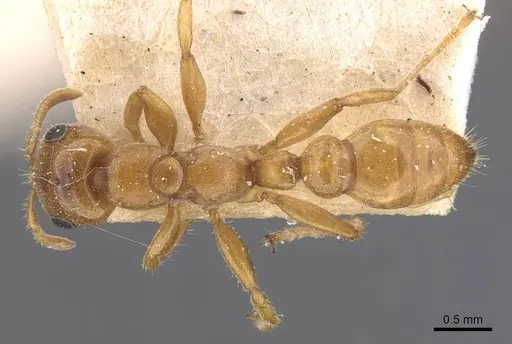
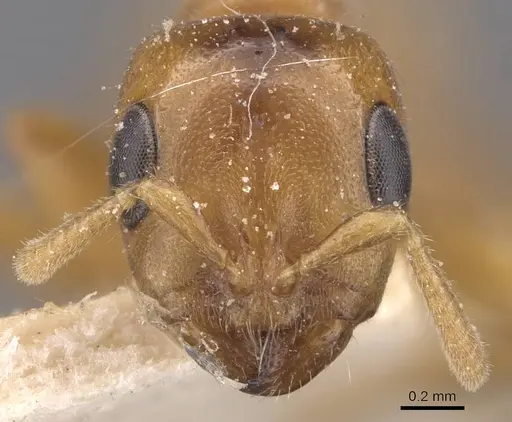
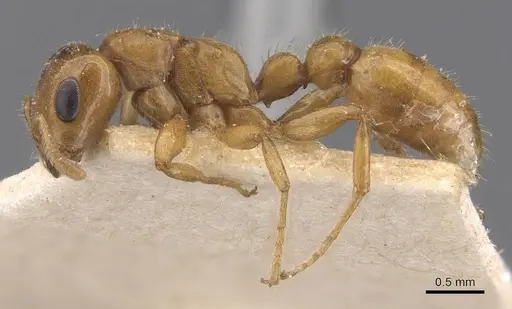
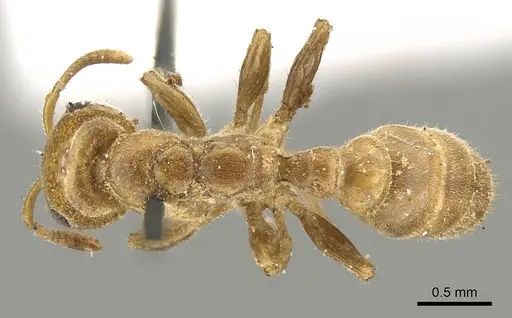
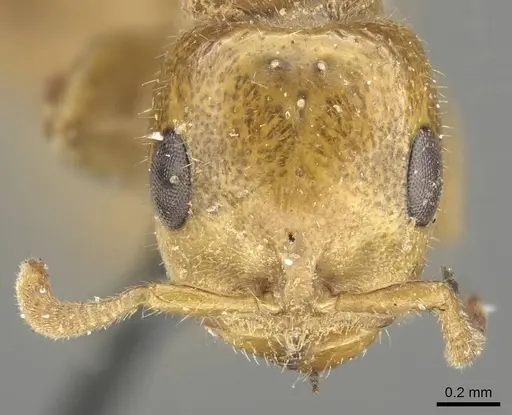
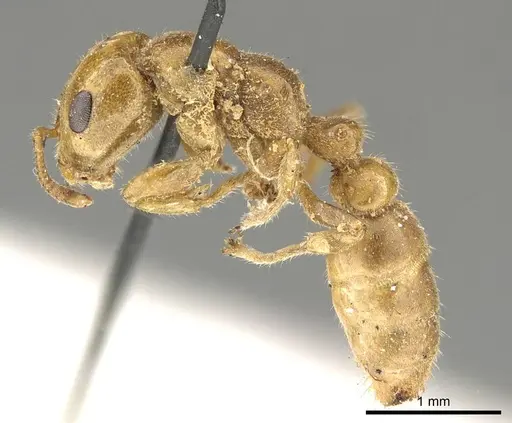
Pseudomyrmex concolor is a small, brightly colored arboreal ant native to the Amazon basin. Workers are a uniform light yellow-brown to orange-brown . These ants are obligate plant symbionts - they live exclusively inside the hollow domatia (specialized structures) of Tachigali trees, particularly Tachigali myrmecophila, T. paniculata, and T. poeppigiana . Unlike most ants, they do not nest in soil or wood but in the empty chambers of living plants. Their most interesting trait is the mutualistic relationship with their host trees. The ants aggressively defend Tachigali from herbivores and competing plants, while the trees provide shelter. In the wild, they also tend mealybugs (Cataenococcus) inside the domatia and rely heavily on their honeydew .
Quick Summary
- Difficulty: Expert
- Origin & Habitat: Amazonian rainforests of Brazil, French Guiana, Guyana, Suriname, and Colombia. They live only inside Tachigali trees in the hollow domatia of young to mature trees [1][2].
- Colony Type: Polygynous, multiple wingless (dealate) queens share one nest. Wild colonies contain 1 to 8 queens and up to 1104 workers [1]. Colony size is strongly limited by the amount of nesting space in the host plant domatia [2][3].
- Size & Growth:
- Queen: Data unavailable, no total length measurements found in available literature
- Worker: Data unavailable (only head measurements are available, not total body length). Workers are small, with head width less than 1.12 mm [1].
- Colony: 22 to 1104 workers in wild colonies [1]
- Growth: Moderate, growth is constrained by available domatia space
- Development: Unknown, not directly studied (Development likely follows typical Pseudomyrmecinae patterns but specific timeline is unconfirmed)
- Antkeeping:
- Temperature: Tropical species, keep at 24-28°C. Research shows patrolling activity decreases when temperatures are high (r = -0.75 to -0.82 during rainy season) [2].
- Humidity: High humidity is essential. These are rainforest ants, they respond strongly to humidity, with more patrolling activity during rainy seasons. Keep the environment moist, around 70-85% relative humidity, and provide a moisture gradient in the setup [2].
- Diapause: No, these are tropical ants without a true diapause. However, activity may reduce during a simulated dry season [2].
- Nesting: This is the critical challenge. Pseudomyrmex concolor is an obligate plant-dweller. Standard test tubes and formicaria are NOT suitable. You need domatia-like structures: hollow stems, bamboo sections, or ideally a live Tachigali plant. The nesting site must have multiple interconnected chambers similar to the hollow leaf rachis and petioles they naturally inhabit. Without proper plant-based housing, the colony will decline.
- Behavior: Highly aggressive and territorial. Workers patrol three main plant regions: stems, domatia entrances, and leaves [2]. They defend their host plant fiercely by biting and stinging herbivores, other ants, and even non-nestmate queens [4]. They use olfactory cues for nestmate recognition, workers attack and reject individuals from other colonies of the same species [4]. Escape risk is moderate because they are active arboreal ants, but they are small (under 4 mm) and can slip through tiny gaps.
- Common Issues: extremely difficult housing, they need plant-based domatia, not standard formicaria., colony growth is strictly limited by the amount of nesting space you provide., they require live host plants or at least fresh plant material to thrive., wild-caught colonies may be stressed or carry parasites., they are aggressive and will bite and sting readily when disturbed.
Housing and Nest Setup
This is the most critical and challenging part of keeping Pseudomyrmex concolor. These ants are obligate plant-dwellers and need domatia (hollow plant structures) to survive. Standard ant-keeping setups like test tubes, acrylic nests, or Y-tong nests are NOT suitable. You must create a naturalistic setup with either live Tachigali plants or artificial domatia. Hollow bamboo sections, cut stems with pith removed, or custom wooden chambers can work as alternatives. The key is to provide enclosed spaces that mimic the hollow leaf rachis and petioles they naturally inhabit. The nesting structure should have multiple chambers connected by narrow passages. Because workers patrol the plant surface extensively, the setup must also include a separate area where they can walk and forage on a 'plant' [2].
Feeding and Diet
In the wild, Pseudomyrmex concolor derives most of its nutrition from tending mealybugs (Cataenococcus) inside the host plant domatia [1]. The ants protect the mealybugs and consume their honeydew secretions, this makes up the majority of their diet. They also supplement with protein from small insects they catch while patrolling the plant. In captivity, provide a constant sugar source (honey water or sugar water) and regular protein offerings like small crickets, fruit flies, or other tiny insects. Live prey is preferred because these are active hunters. If you can establish a small mealybug culture on a plant fragment in the setup, that would be ideal. Without a honeydew source, you will need to offer sugar water more frequently.
Temperature and Humidity
As Amazonian rainforest ants, Pseudomyrmex concolor needs warm and humid conditions. Keep temperatures between 24-28°C. Research shows that during rainy seasons, patrolling activity increases, but high temperatures reduce activity (r = -0.75 to -0.82) [2]. This means they prefer warm but not hot conditions, and high humidity is crucial. Maintain relative humidity at 70-85%. You can achieve this by keeping the setup in a humid room, using a moist substrate, or misting regularly. The setup should have a moisture gradient so ants can choose their preferred spot. Avoid temperature spikes above 30°C and ensure good ventilation to prevent mold.
Behavior and Colony Dynamics
Colonies are polygynous: 1 to 8 wingless (dealate) queens live together in the same nest [1]. Workers are active patrolers of three main areas: stems, domatia entrances, and leaves [2]. Their activity patterns change with day and season, significant differences between day and night occur in both dry and rainy seasons [2]. Their most notable behavior is aggressive defense of their host plant. They bite and sting intruders, including other ants and herbivores [4]. They have sophisticated nestmate recognition based on olfactory cues: workers quickly identify and attack non-nestmates, even if they are from the same species [4]. This means you cannot easily combine workers from different colonies.
Seasonal Activity and Cycles
Unlike temperate species, Pseudomyrmex concolor does not undergo a true hibernation or diapause. However, they show seasonal changes in activity. Research recorded significantly more patrolling activity during rainy seasons compared to dry seasons [2]. This makes sense given their dependence on host plants, which grow more in wet conditions. In captivity, maintain stable conditions year-round. The colony may be slightly less active during a simulated dry season, but do not change temperature or humidity drastically. Alates (winged reproductives) have been observed inside domatia at various heights [2].
Colony Size and Space Limits
A unique aspect of Pseudomyrmex concolor biology is that colony size is tightly controlled by the amount of nesting space. Research found strong correlations between domatia internal space and colony components: eggs, larvae, pupae, and workers all increase with more space [2]. The queen's height also correlates with domatia size, and worker number correlates with internal space (r=0.576,P=0.011) [2]. This means your colony will not grow beyond the capacity of your nest. If you want a large colony (500+ workers), you must provide substantial plant-based nesting volume. This is fundamentally different from most ants, where growth is limited by food or queen egg-laying rate. Plan your setup accordingly.
Frequently Asked Questions
Can I keep Pseudomyrmex concolor in a test tube or formicarium?
No, standard test tubes and formicaria are completely unsuitable. This is an obligate plant-ant that requires domatia (hollow plant structures) to survive. You need a naturalistic setup with hollow stems, bamboo sections, or ideally a live Tachigali plant. Without proper plant-based housing, the colony will decline.
What do Pseudomyrmex concolor ants eat?
They primarily feed on honeydew from mealybugs (Cataenococcus) that they tend inside their host plant domatia [1]. In captivity, provide constant sugar water or honey water, plus small live insects like fruit flies or pinhead crickets for protein. A mealybug culture on plant material in the setup would closely mimic their natural diet.
How big do Pseudomyrmex concolor colonies get?
Wild colonies range from 22 to over 1100 workers, with 1-8 queens [1]. However, colony size is strictly limited by available nesting space in the domatia. In captivity, your colony size will be constrained by however much plant-based housing you provide.
Do Pseudomyrmex concolor ants sting?
Yes, they are aggressive defenders and will readily bite and sting intruders. They protect their host plant fiercely against herbivores and competing ants [4]. Handle with caution.
Are Pseudomyrmex concolor good for beginners?
No, this species is for expert antkeepers only. They require specialized plant-based housing that is difficult to set up and maintain. They need live host plants or complex artificial domatia structures, high humidity, and specific dietary requirements. Most antkeepers should start with easier species.
Do Pseudomyrmex concolor need hibernation?
No, these are tropical Amazonian ants without a true diapause. Keep them at stable warm temperatures (24-28°C) year-round. They may show slightly reduced activity during dry seasons but don't need a hibernation period.
Can I keep multiple Pseudomyrmex concolor queens together?
Yes, naturally polygynous colonies have 1-8 queens living together [1]. Multiple queens are normal for this species. However, if combining unrelated foundress queens, introduce them carefully as they may initially fight until they establish a hierarchy.
Why is my Pseudomyrmex concolor colony dying?
The most likely issues are: 1) Improper housing, they need plant-based domatia, not test tubes, 2) Low humidity, they require 70-85% humidity, 3) Temperature stress, avoid temperatures above 30°C, 4) Lack of sugar sources, they need constant honeydew or sugar water. Check these parameters first.
How long does it take for Pseudomyrmex concolor to produce first workers?
Unknown, the egg-to-worker development timeline has not been specifically studied for this species. Based on typical Pseudomyrmecinae patterns, expect several months, but this is an estimate. Their growth is also constrained by available nesting space.
Where can I get Pseudomyrmex concolor ants?
This species is not commonly available in the antkeeping hobby. It's native to the Amazon basin (Brazil, French Guiana, Guyana, Suriname) and is specialized to Tachigali plants. If available, it would likely be through specialized tropical ant breeders or as wild-caught colonies from its native range. Check local regulations before acquiring.
Report an Issue
The current care sheet is based fully on literature. See inconsistencies, or something that's incorrect? Please , it will be resolved after review from an admin. Contributing to the blogs tab also helps providing information, to make us be able to further improve the caresheets. Thank you for your support!
References

Este guia de cuidados está sob a licença CC BY-SA 4.0 .
Posts da comunidade
Literatura
Carregando mapa de distribuição...Carregando produtos...