
Proformica chelmosensis
- Nome científico
- Proformica chelmosensis
- Tribo
- Formicini
- Subfamília
- Formicinae
- Autor
- Lebas & Galkowski, 2019
- Distribuição
- Encontrada em 0 países
Introdução
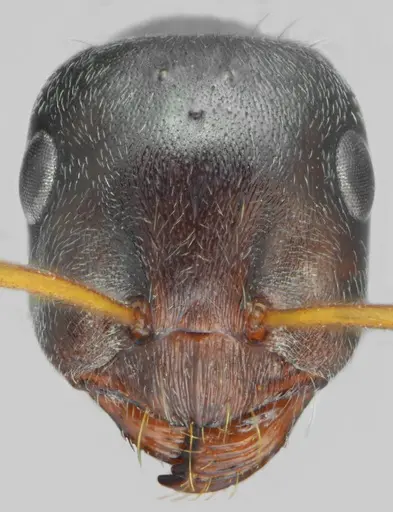
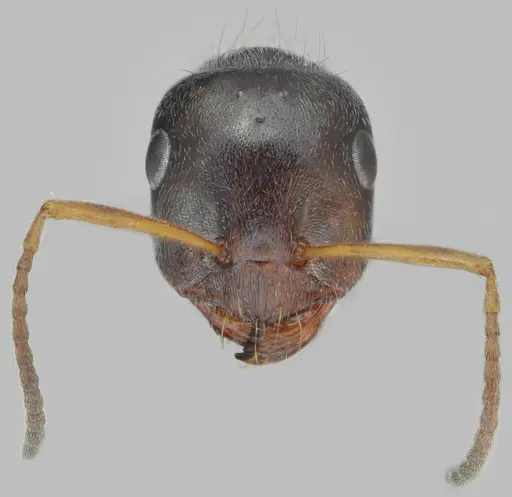
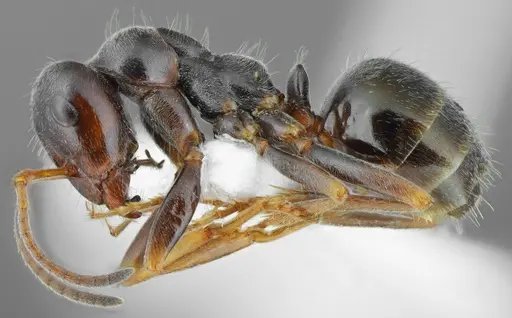
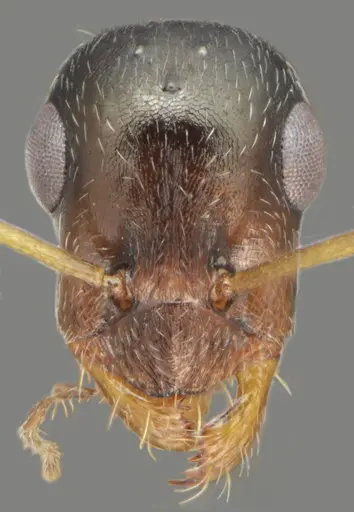
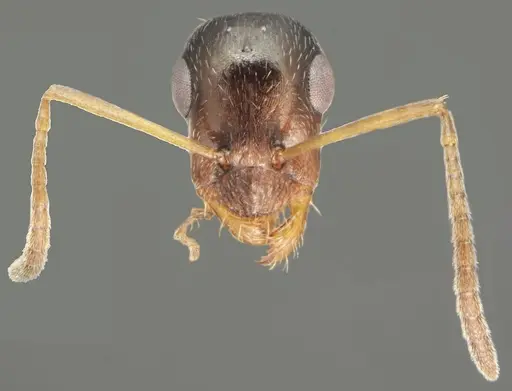
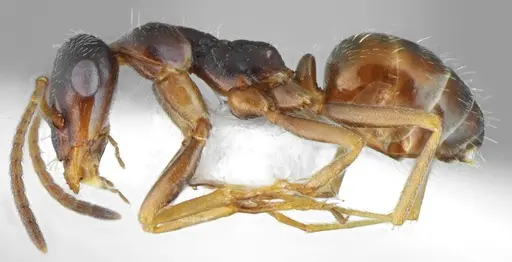
Proformica chelmosensis is a recently described ant species endemic to the high-altitude slopes of Mount Chelmos in northern Peloponnese, Greece. These are polymorphic ants with minor and major workers, featuring a brown to dark brown body covered in numerous long erect hairs, which is a key identification feature . The species is found at elevations between 1,800-2,270m in rocky alpine pastures with sparse vegetation . Colonies nest in the ground at high density, creating small earth mounds visible after rain, and workers forage actively on low vegetation during midday when air temperatures reach around 35°C . Notably, workers are active foragers during the hottest part of the day, tolerating air temperatures of 35°C, which is unusual for many ant species .
Quick Summary
- Difficulty: Medium
- Origin & Habitat: Mount Chelmos, northern Peloponnese, Greece, at 1,800-2,270m elevation in rocky, open grazing areas with sparse vegetation [1][2].
- Colony Type: Unconfirmed colony structure. No specific information on queen number or social structure.
- Size & Growth:
- Queen: size data unavailable, no total length measurements provided in research
- Worker: size data unavailable, no total length measurements provided in research
- Colony: unknown, no information on colony size in research
- Growth: unknown, no information on growth rate
- Development: unknown, no specific studies on development time (Development time is unconfirmed, based on related species, it may vary with temperature)
- Antkeeping:
- Temperature: Keep nest temperature around 20-24°C with a gradient. Workers forage in warm conditions up to 35°C, but nest should be cooler [2].
- Humidity: Moderate humidity, keep substrate slightly moist but allow drying between waterings, inferred from alpine habitat.
- Diapause: Likely required due to high-altitude habitat, but unconfirmed. If needed, provide 2-3 months at cool temperatures.
- Nesting: Ground nests with soil substrate, provide chambers for digging, mimicking natural earth mounds [1].
- Behavior: Workers are active foragers during midday at high temperatures. Escape prevention is important, use standard barriers. Defense mechanism: Formic acid spray, as typical for Formicinae.
- Common Issues: nests require soil substrate for digging and tunneling [1]., limited distribution means colonies are rare in captivity, affecting availability., sensitivity to nest temperature, avoid overheating the nest chamber.
Natural History and Origin
Proformica chelmosensis is one of the newest described ant species, formally named in 2019 by Lebas and Galkowski. It is endemic to Mount Chelmos in the northern Peloponnese, with a limited range at high elevations between 1,800 and 2,270 meters [1]. Colonies nest in the ground at high density, creating small earth mounds that become visible after rain [1]. Workers forage on low vegetation and are notably active during midday when air temperatures reach around 35°C [2]. The species is distinguished by its hairy body, with the promesonotum bearing at least 10 erect setae, unlike other Greek Proformica species [2].
Housing and Nest Setup
Provide a naturalistic setup with a soil or sandy substrate for digging, mimicking their ground-nesting habits in rocky alpine areas [1]. Plaster or Y-tong nests with a soil chamber work well, ensuring enough depth for tunneling. Keep nest temperature around 20-24°C with a gradient, as workers forage in warm conditions but prefer cooler nests [2]. Humidity should be moderate, keep the substrate slightly moist but allow drying between waterings to prevent mold.
Feeding and Diet
Proformica chelmosensis is likely omnivorous, foraging on vegetation and possibly collecting honeydew in the wild [1]. In captivity, offer sugar water or honey constantly for carbohydrates, and protein sources like small insects 2-3 times per week. Remove uneaten prey after 24 hours to prevent mold.
Seasonal Care and Diapause
As a high-altitude species, Proformica chelmosensis may require a winter dormancy period, but this is unconfirmed. If diapause is needed, provide 2-3 months at cool temperatures around 5-10°C during winter, gradually warming in spring. Without proper seasonal changes, colonies may not thrive.
Colony Development
Proformica chelmosensis is polymorphic, producing both minor and major workers. No total length measurements are available, so size data is unavailable [1]. Colony size and growth rate are unknown, as no research provides this information. Development time from egg to worker is unconfirmed.
Frequently Asked Questions
How long does it take for Proformica chelmosensis to produce first workers?
Development time is unknown, as no specific studies exist for this species. Based on related ants, it may vary with temperature.
What temperature do Proformica chelmosensis need?
Keep nest temperature around 20-24°C with a gradient. Workers forage in warm conditions up to 35°C, but the nest should be cooler [2].
Do Proformica chelmosensis need hibernation?
Likely yes, due to their high-altitude habitat, but unconfirmed. If needed, provide a cool dormancy period.
Can I keep multiple Proformica chelmosensis queens together?
Colony structure is unconfirmed, no information on queen number is available.
What do Proformica chelmosensis eat?
They are likely omnivorous, feeding on sugar sources and small insects [1].
Are Proformica chelmosensis good for beginners?
This species is rated medium difficulty due to unconfirmed care requirements like diapause and limited availability.
How big do Proformica chelmosensis colonies get?
Colony size is unknown, as no research provides this information.
Report an Issue
The current care sheet is based fully on literature. See inconsistencies, or something that's incorrect? Please , it will be resolved after review from an admin. Contributing to the blogs tab also helps providing information, to make us be able to further improve the caresheets. Thank you for your support!
References

Este guia de cuidados está sob a licença CC BY-SA 4.0 .
Posts da comunidade
CASENT0872777
Ver no AntWeb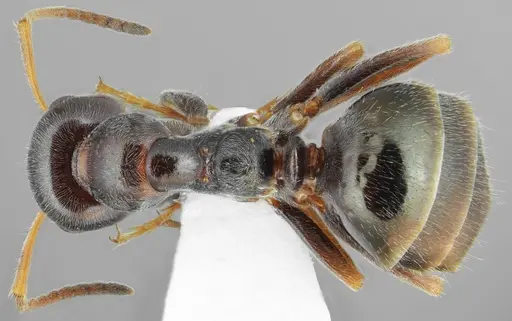
CASENT0872778
Ver no AntWeb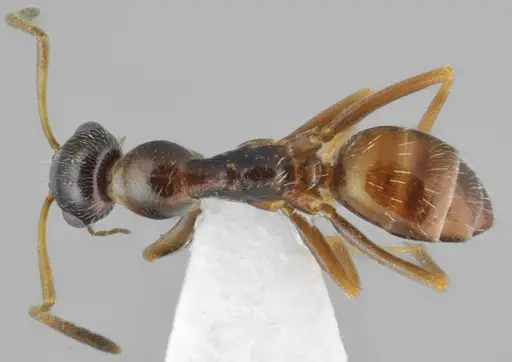
Literatura
Carregando mapa de distribuição...Carregando produtos...