
Procryptocerus regularis
- Nome científico
- Procryptocerus regularis
- Tribo
- Attini
- Subfamília
- Myrmicinae
- Autor
- Emery, 1888
- Distribuição
- Encontrada em 3 países
Introdução
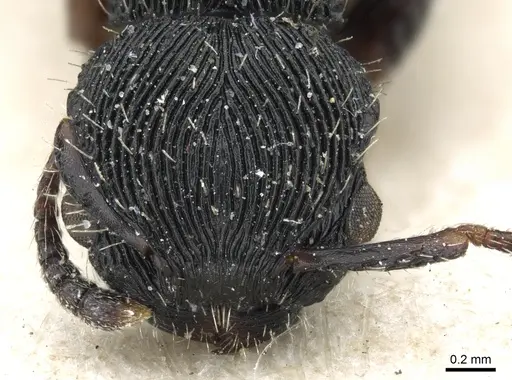
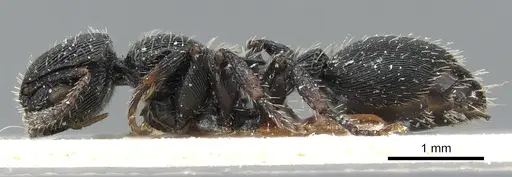
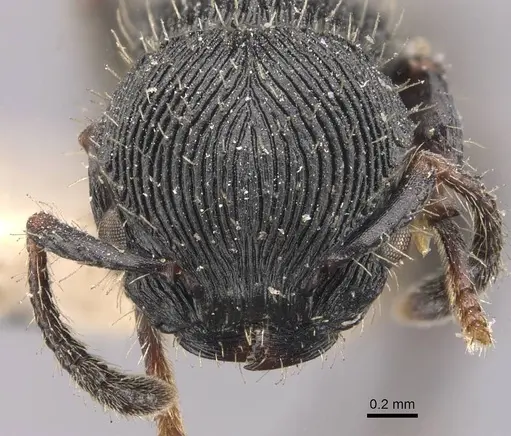
Procryptocerus regularis is a small to medium-sized ant species from the Neotropical region, found in Brazil, Argentina, and Trinidad and Tobago . They are arboreal and classified as Tropical Climate Specialists . Workers have a subcircular head, costate frons, and a unique postpetiole structure . Very little is known about their biology, and they are rarely kept in captivity.
Quick Summary
- Difficulty: Unknown, Insufficient data for reliable assessment
- Origin & Habitat: Neotropical region: Brazil, Argentina (Corrientes and Misiones provinces), and Trinidad and Tobago [1]. Inhabits arboreal vegetation in tropical dry forests, including the upper Cauca river valley basin [2][5].
- Colony Type: Unconfirmed, no published data on colony structure.
- Size & Growth:
- Queen: size data unavailable
- Worker: size data unavailable
- Colony: Unknown
- Growth: Unknown
- Development: Unknown, no development data available for this species (Development timeline has not been studied.)
- Antkeeping:
- Temperature: As a Tropical Climate Specialist [3], keep warm and stable, roughly 22-26°C based on natural habitat. Use a gentle thermal gradient and watch colony activity for signs of stress.
- Humidity: Arboreal species likely prefer moderate to high humidity. Keep the nest substrate slightly moist but not waterlogged, and provide good ventilation.
- Diapause: Unknown, as a tropical species, a true diapause is unlikely, but no data confirms this.
- Nesting: Arboreal, provide a vertical setup with elevated nest chambers. Y-tong (AAC) nests or naturalistic setups work well. Avoid ground-level test tube setups.
- Behavior: Behavior is poorly documented. They are not aggressive and have been hand-collected in the field [6]. Escape risk is unknown due to lack of size data, but use standard barriers and seal all gaps. Activity level appears low to moderate.
- Common Issues: no published care information makes reliable guidance impossible, arboreal nature requires specialized housing that many keepers cannot provide, humidity and temperature needs are poorly understood, risking colony failure, very limited availability in the hobby means few experienced keepers can offer help
Nest Preferences and Housing
Procryptocerus regularis is an arboreal species, nesting in vegetation above ground [2]. In captivity, avoid standard test tube setups and instead provide a vertical arrangement with elevated nest chambers. Y-tong (AAC) nests with small chambers work well, or you can use plaster or 3D-printed nests. The nest should be positioned above the outworld. Multiple small chambers connected by narrow passages allow the colony to regulate humidity by moving around.
Feeding and Diet
The natural diet of Procryptocerus regularis is unknown. There are no published studies on their feeding habits. In captivity, offer a variety of sugar sources (honey water, sugar water) and small protein sources (fruit flies, pinhead crickets). Observe what your colony accepts and adjust. Remove uneaten food to prevent mold.
Temperature and Seasonal Care
This species is classified as a Tropical Climate Specialist [3], meaning it prefers warm, stable conditions. Based on its native range (Brazil, Argentina, Trinidad and Tobago), maintain temperatures roughly in the low-to-mid 20s°C (22-26°C). Use a heating cable on one side to create a gentle gradient and watch where the colony clusters. They likely do not require a hibernation period, but may slow down in cooler rooms.
Behavior and Temperament
Procryptocerus regularis is not considered aggressive. Workers have been hand-collected in the field [6], suggesting they are not defensive. They have a stinger (like most Myrmicinae), but it is unlikely to be medically significant. Escape risk is unknown because worker size has not been measured, assume they are small and use fine mesh or fluon barriers. Activity level appears low to moderate.
Colony Establishment and Growth
No information exists on founding behavior. The queen may be claustral, but this is speculation. Colony growth rate and size are unknown. Be patient with any founding colonies and minimize disturbance. The first workers (nanitics) may be smaller than mature workers, but this is also unconfirmed.
Frequently Asked Questions
How long does it take for Procryptocerus regularis to produce first workers?
Unknown, no development data exists for this species. Be prepared to wait several months without knowing if the colony is developing normally.
Can I keep Procryptocerus regularis in a test tube setup?
Not recommended. They are arboreal [2] and do best in vertical setups with elevated nest chambers, such as Y-tong (AAC) or plaster nests positioned above the outworld.
What do Procryptocerus regularis ants eat?
Their natural diet is unknown. In captivity, offer sugar water and small insects (fruit flies, pinhead crickets). Observe and adjust based on colony preference.
Are Procryptocerus regularis good for beginners?
No, almost nothing is known about their captive care. Their arboreal needs and unknown biology make them a poor choice for beginners. Even experienced keepers will face many unknowns.
What temperature should I keep Procryptocerus regularis at?
Aim for 22-26°C based on their natural tropical habitat [3]. Use a heating cable to create a gradient and watch colony behavior for clues.
Do Procryptocerus regularis need hibernation?
Unknown, no data exists. As a tropical species, a true diapause is unlikely, but they may slow down in cooler conditions. Keeping them at room temperature (20-24°C) should allow year-round activity.
How big do Procryptocerus regularis colonies get?
Unknown, colony size has not been documented. There is no data to estimate.
Where is Procryptocerus regularis found in the wild?
They are native to Brazil, Argentina (Corrientes and Misiones provinces), and Trinidad and Tobago [1]. They live in arboreal vegetation in tropical dry forests [2][5].
Can I keep multiple Procryptocerus regularis queens together?
Not enough is known. Colony structure (monogyne or polygyne) is unconfirmed. House queens separately when possible.
Report an Issue
The current care sheet is based fully on literature. See inconsistencies, or something that's incorrect? Please , it will be resolved after review from an admin. Contributing to the blogs tab also helps providing information, to make us be able to further improve the caresheets. Thank you for your support!
References

Este guia de cuidados está sob a licença CC BY-SA 4.0 .
Posts da comunidade
CASENT0280789
Ver no AntWeb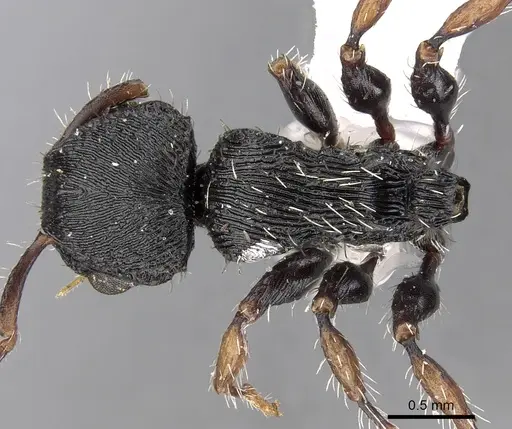
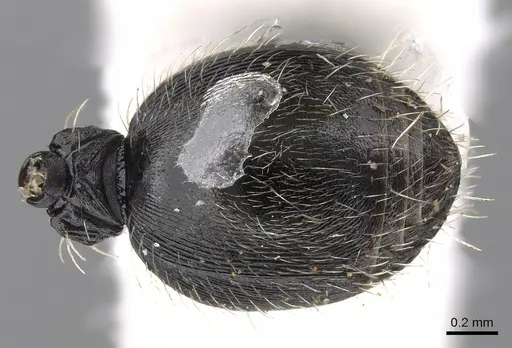
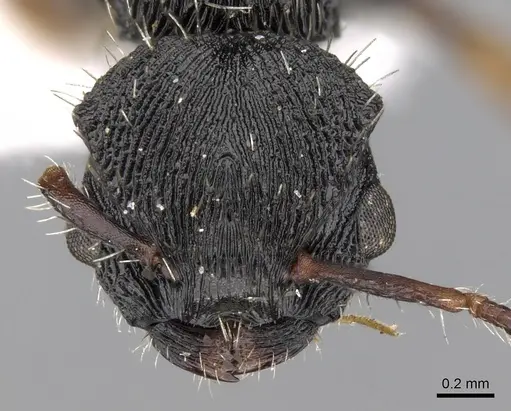
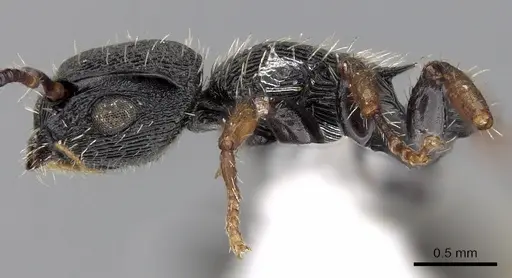
CASENT0884229
Ver no AntWeb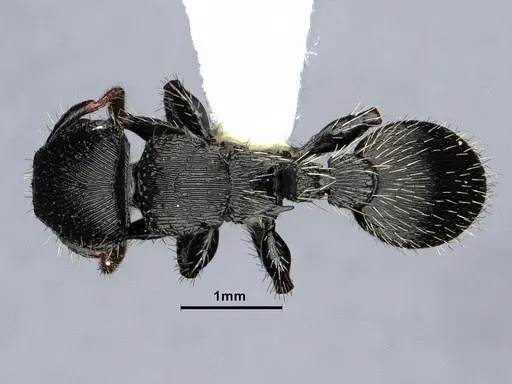
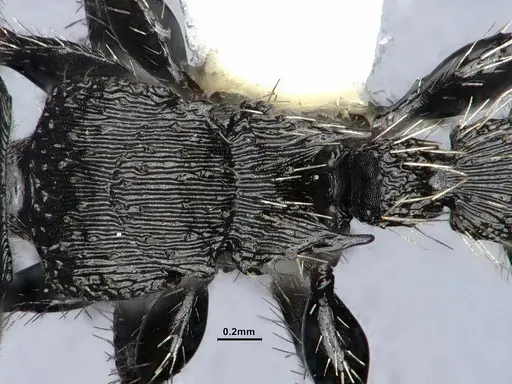
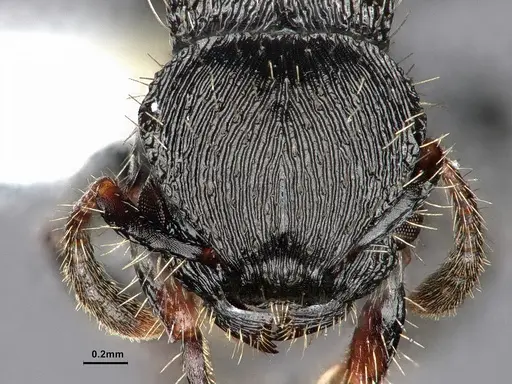
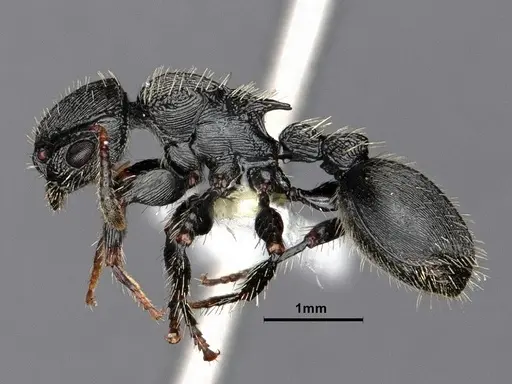
CASENT0904890
Ver no AntWeb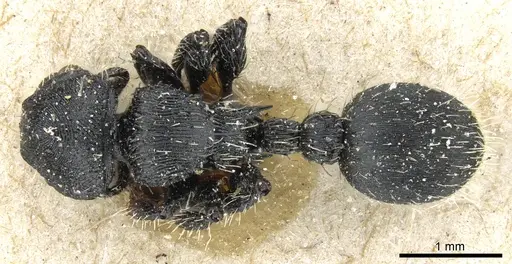
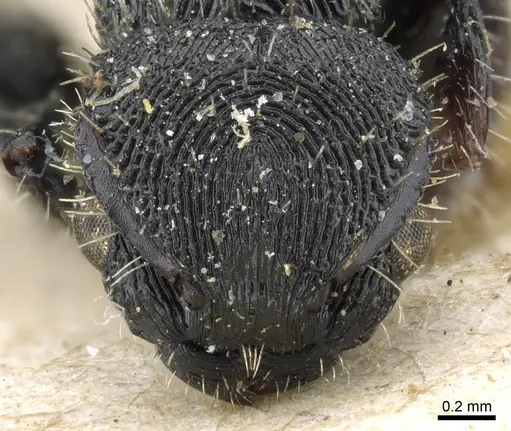
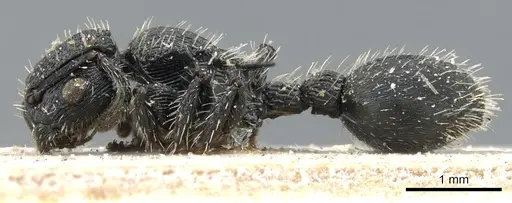
CASENT0904891
Ver no AntWeb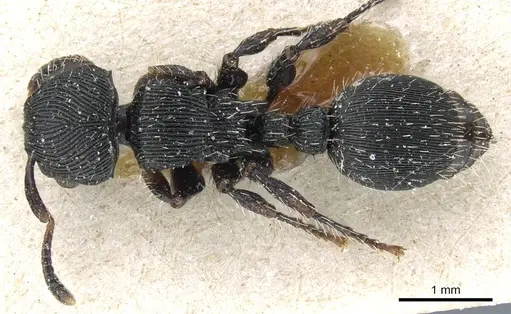
CASENT0909257
Ver no AntWeb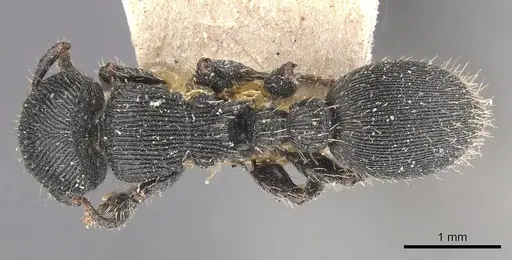
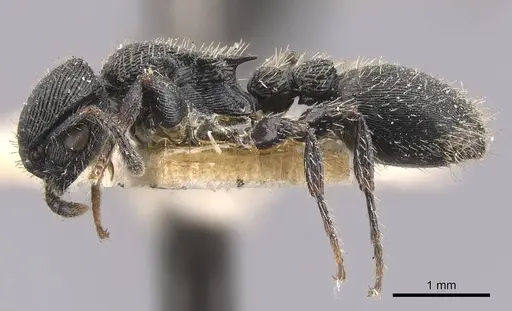
CASENT0912586
Ver no AntWeb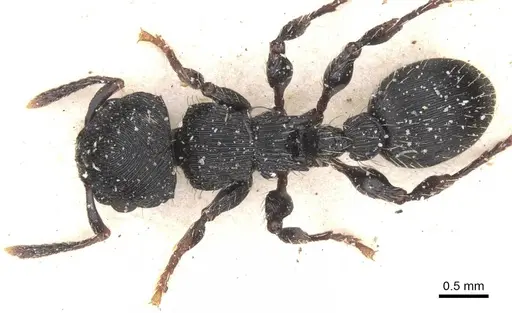
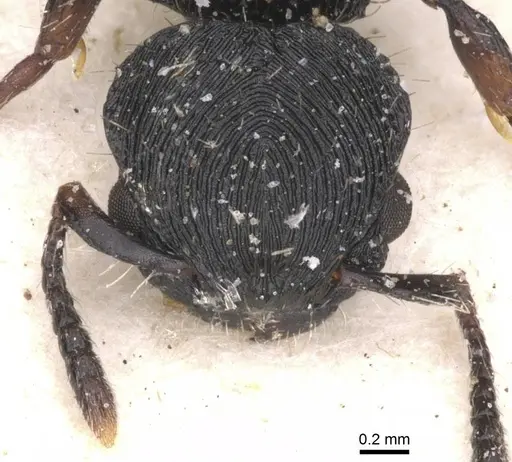
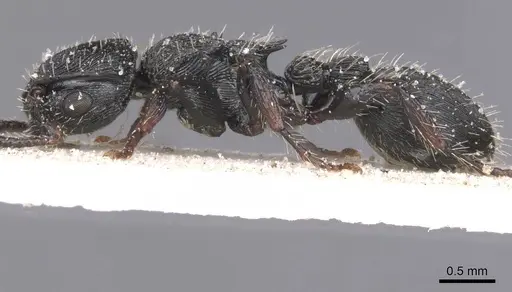
Literatura
Carregando mapa de distribuição...Carregando produtos...