
Procryptocerus ferreri
- Nome científico
- Procryptocerus ferreri
- Tribo
- Attini
- Subfamília
- Myrmicinae
- Autor
- Forel, 1912
- Distribuição
- Encontrada em 1 países
Introdução
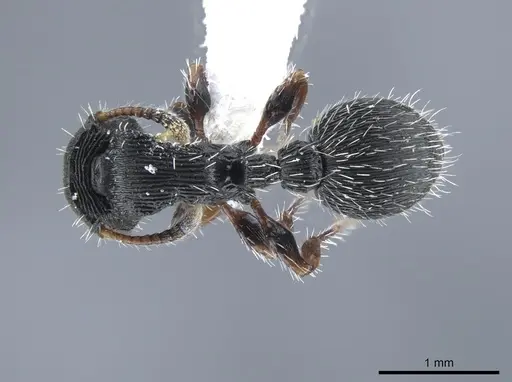
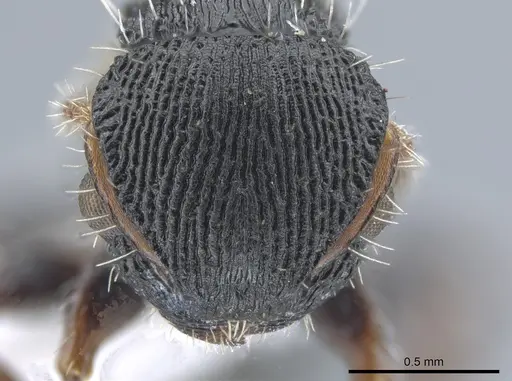
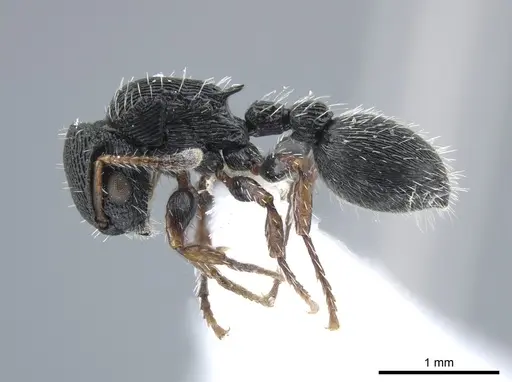
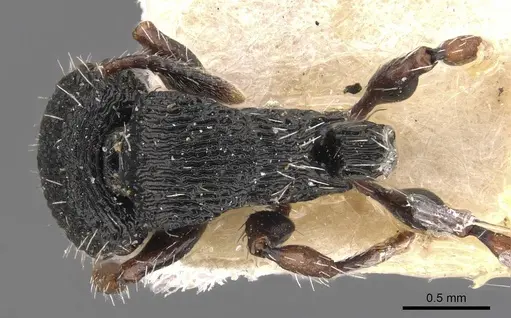
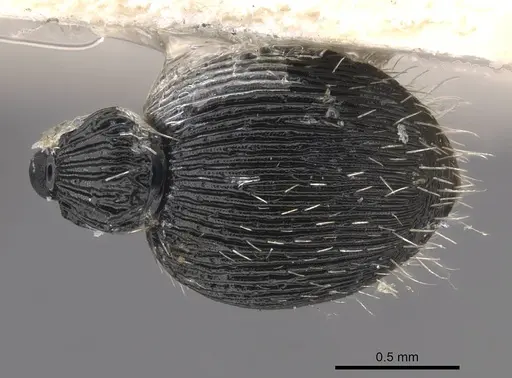
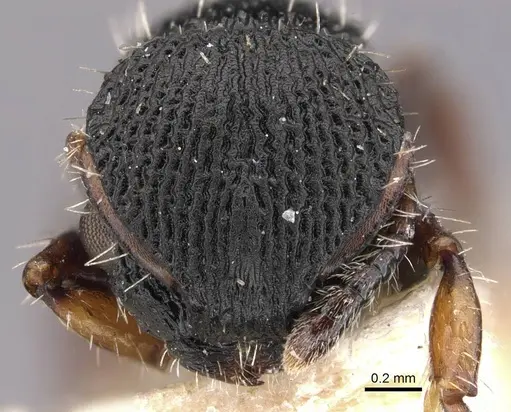
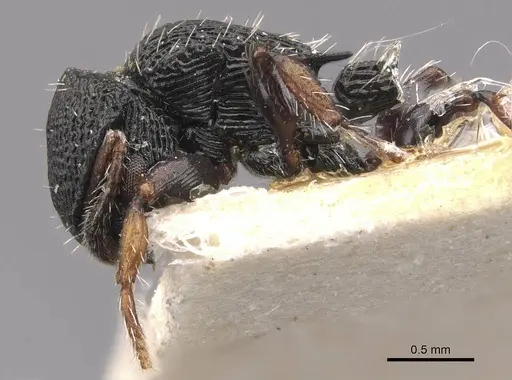
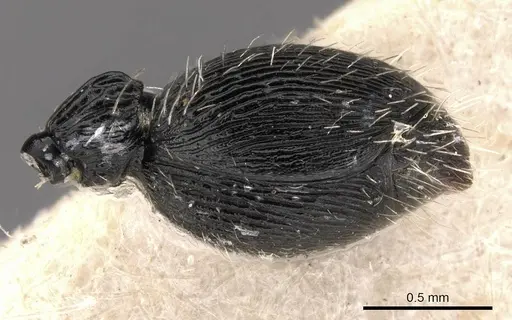
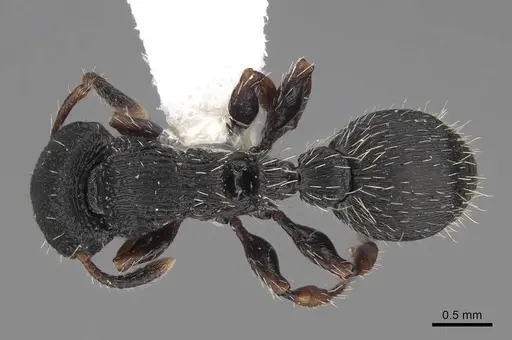
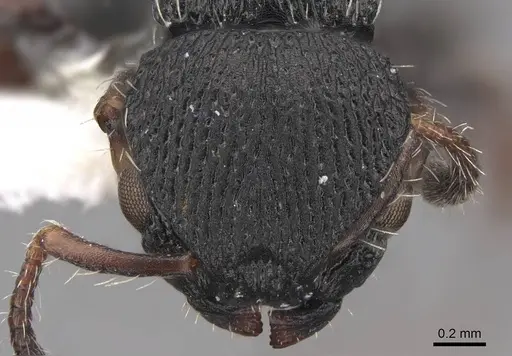
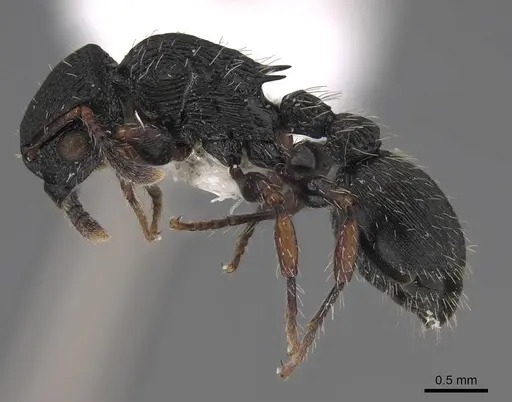
Procryptocerus ferreri is a rare ant species native to Colombia, found in the departments of Antioquia and Caldas at elevations around 980 meters . Their facial area and dorsal body have thick serpentine costae (ridge-like sculptures), and the third metasomal segment is finely striate with a glossy, smooth middle on the sternite . The notopropodeal groove is absent and the nodal truncation is smooth . Worker size data is unavailable, but based on genus patterns they are small to medium ants. Procryptocerus species are members of the tribe Attini, which includes leaf-cutter ants, but P. ferreri does not cut leaves. Their unique sculpture and rarity make them a challenging but rewarding species for experienced antkeepers interested in Neotropical ants. Almost nothing is known about their biology in the wild or in captivity.
Quick Summary
- Difficulty: Expert
- Origin & Habitat: Native to Colombia: Antioquia and Caldas, including Amalfi and the Cañón del Porce at around 980 meters elevation [1][2][3]. Likely inhabits tropical dry forest and other forested habitats in the region.
- Colony Type: Unconfirmed. No data on queen number or social structure.
- Size & Growth:
- Queen: Size data unavailable
- Worker: Size data unavailable
- Colony: Unknown, no colony size data exists for this species
- Growth: Unknown
- Development: Unknown, no development studies have been conducted (No direct or inference-based data available.)
- Antkeeping:
- Temperature: Keep warm at approximately 24-28°C, as this species comes from tropical Colombia where temperatures are consistently warm year-round. Use a heating cable on one side of the nest to create a gentle gradient, allowing workers to self-regulate [1].
- Humidity: Maintain high humidity, keep the nest substrate consistently moist but not waterlogged. These ants come from humid forest environments. Use a water reservoir connected to the nest and mist occasionally. Ensure good ventilation to prevent mold while maintaining moisture.
- Diapause: Unlikely to require hibernation. As a tropical species from Colombia, they probably do not enter diapause. Maintain stable warm conditions year-round.
- Nesting: Unknown in the wild, but related Procryptocerus species nest in rotting wood, under bark, or in leaf litter. For captivity, a naturalistic setup with moist substrate (a mix of soil and rotting wood) is recommended. Y-tong (AAC) nests or plaster nests with moisture reservoirs are also suitable. Provide narrow chambers and passages scaled to their size.
- Behavior: Procryptocerus ferreri is a calm, non-aggressive species. Workers are slow-moving and tend to forage quietly. Like other Attini, they possess a sting, but it is of negligible medical significance and they rarely use it on humans. Their escape risk is moderate due to their small size, use standard escape prevention (fluon barriers, tight-fitting lids). Activity level is moderate.
- Common Issues: lack of available care information makes proper husbandry challenging, this species is rarely kept in captivity, humidity control is critical, too dry causes colony decline, too wet promotes mold, temperature stability matters, tropical species are sensitive to temperature drops, unknown growth and development timeline makes it hard to assess colony health, limited availability means finding a colony is difficult
Housing and Nest Setup
Because the natural nesting habits of Procryptocerus ferreri are unknown, start with a flexible setup that mimics a forest floor. A test tube setup works for founding, with a water reservoir at one end. Once workers arrive, you can move them to a more permanent nest. A naturalistic terrarium-style formicarium with moist soil and pieces of rotting wood is ideal. Y-tong (AAC) or plaster nests with built-in water reservoirs are also good options. Keep the substrate consistently damp but not waterlogged. Provide narrow chambers and passages. Include pieces of bark or rotting wood in the outworld for enrichment.
Feeding and Diet
The diet of Procryptocerus ferreri in the wild is not documented, but as members of the Attini tribe they are likely omnivorous. In captivity, offer a varied diet: small insects (fruit flies, small crickets, mealworms), sugar water or honey water, and possibly plant matter or leaf litter. Feed protein 2-3 times per week and keep a sugar water dispenser available at all times. Remove uneaten prey after 24-48 hours to prevent mold. Monitor acceptance of different foods to adjust their diet.
Temperature and Seasonal Care
As a Colombian tropical species, Procryptocerus ferreri requires consistently warm conditions. Maintain nest temperatures between 24-28°C year-round. Use a heating cable placed on one side of the nest to create a temperature gradient, allowing ants to self-regulate. Avoid placing the nest near windows or in rooms with temperature fluctuations.
These ants do not require hibernation. During winter months, ensure your heating setup maintains appropriate temperatures even when room temperature drops. If the colony shows reduced activity, this may be a normal response to slightly cooler conditions, maintain stable warmth for continued development. [1]
Colony Establishment and Growth
Establishing a colony of Procryptocerus ferreri is challenging due to lack of data and rarity. If you obtain a founding queen, house her in a test tube setup with a water reservoir, kept dark and quiet. Founding behavior is unconfirmed, so monitor without disturbing. Once the first workers appear, you can gradually transition to a more permanent nest. Be patient, growth rate is unknown, and any development should be considered progress.
Behavior and Handling
Procryptocerus ferreri is a calm, non-aggressive species. Workers are relatively slow-moving and forage quietly. They possess a sting (like other Attini), but it is weak and not considered a threat to humans. Standard escape prevention is recommended because they are small. They are not fast or acrobatic, but standard fluon barriers and tight-fitting lids will prevent escapes.
Frequently Asked Questions
How long does it take for Procryptocerus ferreri to produce first workers?
Unknown, no development studies exist for this species. Be patient and avoid disturbing the queen during founding.
What do Procryptocerus ferreri ants eat?
Likely omnivorous like other Attini. Offer small insects (fruit flies, pinhead crickets, mealworms), sugar water or honey, and possibly leaf litter. Feed protein 2-3 times weekly with constant sugar water access.
Can I keep Procryptocerus ferreri in a test tube setup?
Yes, a test tube setup is suitable for founding a colony. Keep it dark and quiet. Once a small number of workers appear, consider transitioning to a more permanent nest with substrate.
What temperature do Procryptocerus ferreri need?
Keep them warm at 24-28°C. Use a heating cable on one side of the nest to create a gradient. They are sensitive to temperature drops and come from consistently warm Colombian tropical environments [1].
How big do Procryptocerus ferreri colonies get?
Colony size is unknown, no data exists for this species. Expect potentially small to moderate colonies if they follow typical Procryptocerus patterns, but this is speculation.
Are Procryptocerus ferreri good for beginners?
No, this species is rated Expert difficulty. They are rarely kept in captivity, have no established care protocols, and require specific tropical conditions. Best suited for experienced antkeepers who can manage unknown variables.
Do Procryptocerus ferreri need hibernation?
No, they do not require hibernation. As a tropical species from Colombia, they expect warm conditions year-round [1]. Maintain stable temperatures even during winter.
Why is my Procryptocerus ferreri colony declining?
Possible causes: insufficient humidity (keep substrate consistently moist), temperature drops below 24°C, lack of protein, or excessive disturbance. Review environmental conditions and adjust gradually.
Where can I get Procryptocerus ferreri ants?
This species is extremely rare in the hobby. You may need to contact specialized collectors or dealers focused on Neotropical ants. Expect very limited availability and potentially high prices.
Report an Issue
The current care sheet is based fully on literature. See inconsistencies, or something that's incorrect? Please , it will be resolved after review from an admin. Contributing to the blogs tab also helps providing information, to make us be able to further improve the caresheets. Thank you for your support!
References

Este guia de cuidados está sob a licença CC BY-SA 4.0 .
Posts da comunidade
Literatura
Carregando mapa de distribuição...Carregando produtos...