
Proceratium creek
- Nome científico
- Proceratium creek
- Tribo
- Proceratiini
- Subfamília
- Proceratiinae
- Autor
- de Andrade, 2003
- Distribuição
- Encontrada em 1 países
Introdução
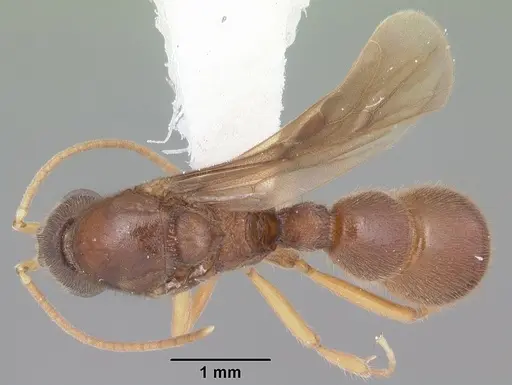
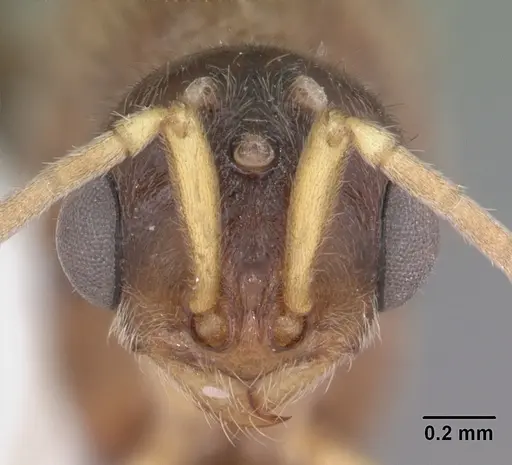
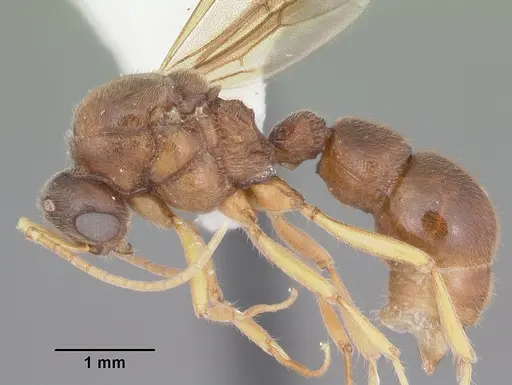
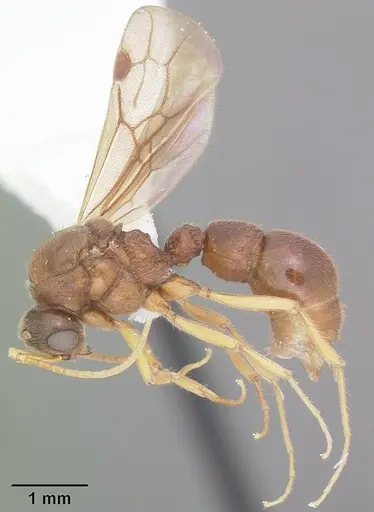
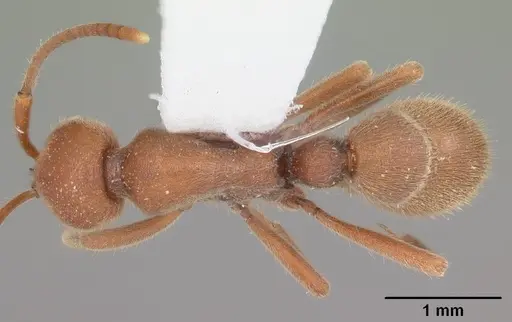
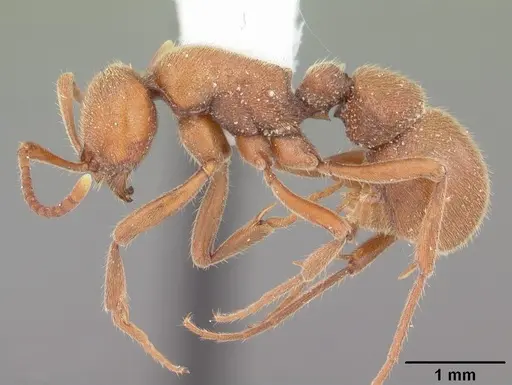
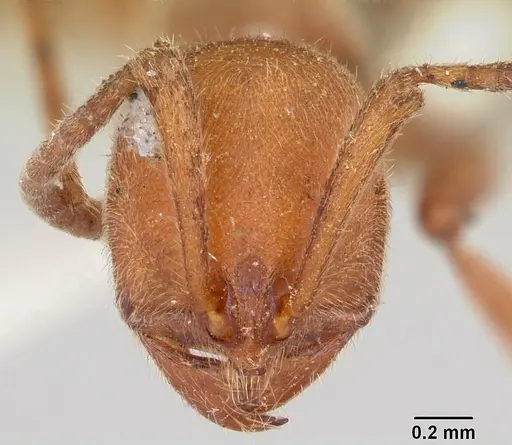
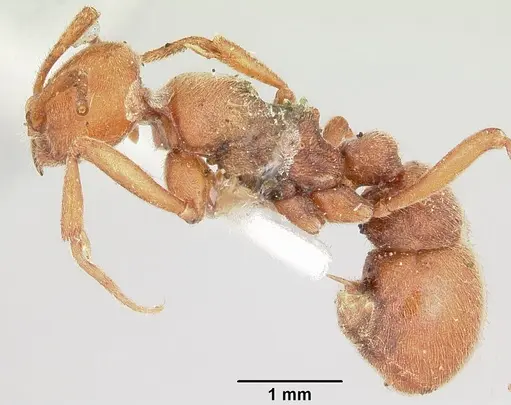
Proceratium creek is one of the rarest ants in North America, known only from a handful of specimens collected in the southeastern United States. Workers are the largest in their species group, reaching over 5.5 mm in length, with a distinctive appearance featuring long antennal scapes that extend past the back of the head when laid flat. They have a low, rounded petiole and a generally robust build. This species gets its name from the Creek Indian tribe that historically inhabited Georgia. The most remarkable thing about this ant is its habitat - every specimen has been collected from underground burrow systems of pocket gophers (Geomys pinetis), making it one of the truly subterranean ant species that rarely, if ever, comes to the surface .
Quick Summary
- Difficulty: Expert
- Origin & Habitat: Southeastern United States, known only from Thomas County, Georgia, Lafayette County, Florida, and Arkansas. This ant lives entirely underground in the burrow systems of pocket gophers (Geomys pinetis), making it a highly specialized subterranean species [1].
- Colony Type: Colony structure is unconfirmed. Only a handful of specimens have ever been collected, and no observations of natural colony structure exist.
- Size & Growth:
- Queen: 5.50-5.70 mm [1]
- Worker: Over 5.5 mm (largest in Pergandei Clade) [2][3]
- Colony: Unknown, only a few specimens have ever been collected
- Growth: Unknown
- Development: Unknown, no captive breeding observations exist (This species has never been kept in captivity, so no development timeline is available)
- Antkeeping:
- Temperature: No data, as a subterranean species from the southeastern US, likely cool and stable (around 18-22 °C), but this is completely speculative. Avoid overheating, keep at room temperature or slightly below and observe.
- Humidity: Unknown but likely very high. Their natural gopher burrow habitat is damp and dark. Keep the nest substrate consistently moist (not waterlogged) and avoid any dry areas.
- Diapause: Unknown, as a temperate species, winter rest may be needed, but no observations exist.
- Nesting: This is a subterranean species that naturally lives in gopher burrows. Provide a fully enclosed, dark, humid nest, test tubes or Y‑tong/plaster setups work best. Expect the colony to stay inside most of the time and not use an outworld frequently. Keep chambers damp and dark [1].
- Behavior: 5 mm) and probably not strong climbers. Their behavior in captivity is completely unknown, this species has never been kept by antkeepers.
- Common Issues: this species has never been kept in captivity, there are no established care protocols, extreme rarity means finding a colony to start with is nearly impossible, subterranean lifestyle makes them difficult to observe and care for properly, no information on what they eat in captivity, Proceratium species are typically predators, hypothetical care requirements may not match actual species needs
Why This Species Is So Challenging
Proceratium creek is arguably the most difficult North American ant to keep because virtually nothing is known about its captive care. This species has been collected only a handful of times, always from underground gopher burrows, and has never been observed in captivity [1]. Every care recommendation for this species is speculative at best. The ants are extremely rare in the wild, most antkeepers will never encounter them. If you do obtain specimens, expect a steep learning curve with no community experience to draw from. This is truly a species for advanced antkeepers with the resources to experiment and document their findings.
Natural History and Habitat
This species is known only from the southeastern United States, specifically Georgia, Florida, and Arkansas. Every single specimen has been collected from pitfall traps placed inside burrow systems of pocket gophers (Geomys pinetis). The trapping process itself is remarkable, researchers had to first trap and remove the gopher, or it would fill in the pitfall traps. The traps were then placed in the burrow system and carefully covered with a board and soil to prevent them from filling with soil [1]. This tells us Proceratium creek is a fully subterranean species that likely spends its entire life underground, rarely if ever coming to the surface. The gopher burrow environment is dark, humid, and temperature‑stable year‑round.
Identification and Appearance
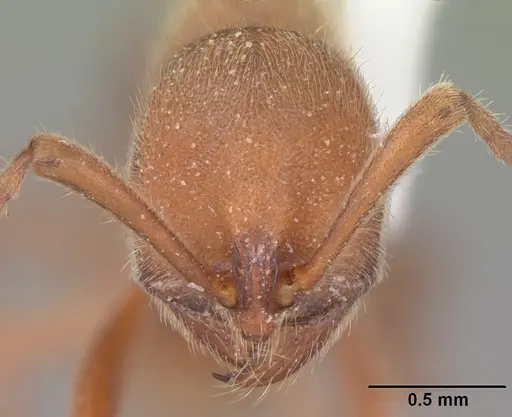
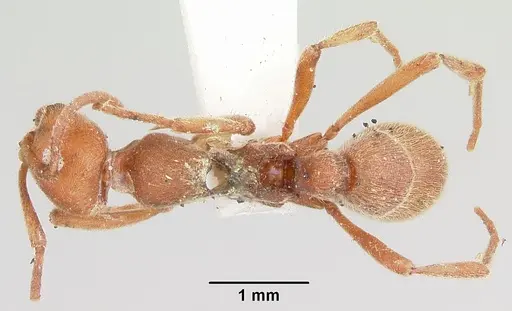
Workers of Proceratium creek are the largest in the Pergandei Clade of Proceratium species. They can be identified by their low, rounded petiole (the narrow waist segment) similar to the related Proceratium pergandei, but with notably longer antennal scapes that actually exceed the posterior margin of the head when laid back against the head. If you find what appears to be a giant Proceratium pergandei, it might actually be this rare species. Queens measure 5.50-5.70 mm, while males are around 5.65 mm. The body is ferruginous‑brown in color [1].
Housing and Nest Setup
Given their completely subterranean lifestyle, housing Proceratium creek requires a different approach than most ants. They should be kept in complete darkness most of the time, with only occasional observation light. A test tube setup or fully enclosed Y‑tong/plaster nest works best. The nest chambers should be kept humid at all times, think damp soil, not wet standing water. Since they live in gopher burrows, they likely prefer deeper enclosures rather than shallow ones. Do not expect them to use an outworld frequently or at all. They will probably remain in the dark, humid nest chambers and forage in any connected foraging area only at night or in complete darkness [1].
Feeding and Diet
The diet of Proceratium creek in captivity is completely unknown. Other Proceratium species are typically predators, often specializing in hunting spider eggs and other small arthropods. In captivity, you could experiment by offering small live prey like springtails, fruit flies, or other tiny arthropods. Sugar sources are unlikely to be accepted, these are predatory ants, not sugar‑seekers. Given how little we know about this species, document any feeding observations carefully. This is another area where antkeepers would need to pioneer captive protocols.
Legal and Ethical Considerations
Proceratium creek is an extremely rare species with a very limited known range. If you ever encounter this species in the wild, extreme caution should be exercised before collecting any specimens. This species may have conservation status in some areas, and collecting should only be done with proper permits and for the purpose of establishing captive colonies for educational or conservation purposes. Never release any ant colonies in the United States, even native species can cause ecological problems if introduced to new areas.
Frequently Asked Questions
Can I keep Proceratium creek ants?
Technically yes, but practically no. This species has never been kept in captivity, and no care protocols exist. Finding a colony is nearly impossible since only a handful of specimens have ever been collected from the wild [1]. This is an expert‑only species that would require pioneering entirely new captive care methods.
What do Proceratium creek ants eat?
Unknown. Other Proceratium species are predatory, likely hunting small arthropods and spider eggs. You could experiment with tiny live prey like springtails or fruit flies. They probably do not accept sugar sources.
How big do Proceratium creek colonies get?
Unknown. Only a handful of wild specimens have ever been collected, so colony size in the wild is completely unstudied [1].
Do Proceratium creek ants sting?
Proceratium ants have a stinger, but given their large size relative to many other ants, they may be able to sting more effectively. However, nothing is known about their sting or aggression levels. They are likely very docile due to their reclusive, subterranean lifestyle.
What temperature do Proceratium creek ants need?
No data. As a subterranean species from the southeastern US, likely cool and stable (around 18-22 °C), but this is speculative. Avoid overheating and keep at room temperature or slightly below.
Do Proceratium creek ants need hibernation?
Unknown. As a temperate species from the southeastern US, winter rest may be needed, but no observations exist.
How long does it take for Proceratium creek to develop from egg to worker?
Unknown. This species has never been bred in captivity, and no development timeline exists in the scientific literature.
Is Proceratium creek a good species for beginners?
No. This is an expert‑only species that has never been kept in captivity [1]. There are no established care protocols, and finding colonies is nearly impossible. Even experienced antkeepers would be pioneering entirely new captive methods.
Where does Proceratium creek live?
This species is known only from underground burrow systems of pocket gophers in the southeastern United States (Georgia, Florida, and Arkansas) [1]. They are one of the most subterranean ant species in North America.
Report an Issue
The current care sheet is based fully on literature. See inconsistencies, or something that's incorrect? Please , it will be resolved after review from an admin. Contributing to the blogs tab also helps providing information, to make us be able to further improve the caresheets. Thank you for your support!
References

Este guia de cuidados está sob a licença CC BY-SA 4.0 .
Posts da comunidade
Literatura
Carregando mapa de distribuição...Carregando produtos...