
Proceratium algiricum
- Nome científico
- Proceratium algiricum
- Tribo
- Proceratiini
- Subfamília
- Proceratiinae
- Autor
- Forel, 1899
- Distribuição
- Encontrada em 4 países
Introdução
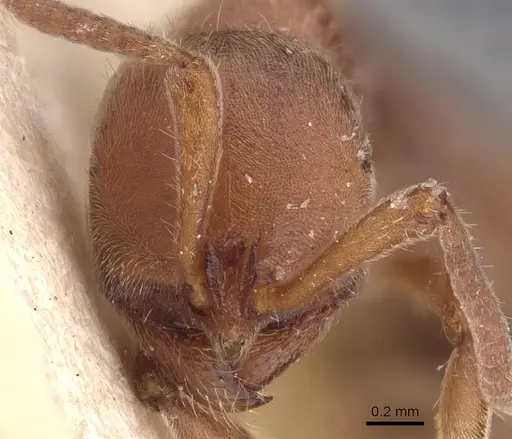
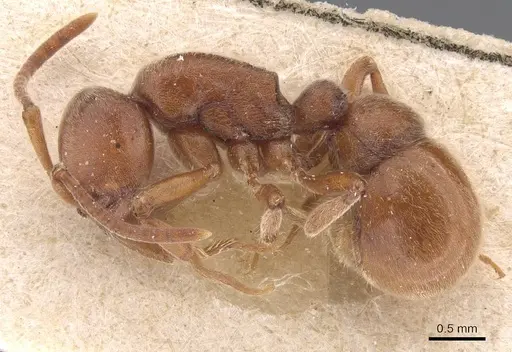
Proceratium algiricum is a small ant with workers measuring 4.31-5.20 mm and queens about 5.42 mm, featuring a pale brown coloration and a strongly convex gaster . It is found across the Mediterranean region, including Algeria, Croatia, Greece, Italy, Malta, Morocco, Serbia, and Tunisia, often in humid habitats like gorges with streams . This species is typically collected under stones in shaded, moist environments, as documented in Greece at elevations around 322 meters .
Quick Summary
- Difficulty: Expert
- Origin & Habitat: Mediterranean region: Algeria, Croatia, Greece, Italy, Malta, Morocco, Serbia, and Tunisia. Found in humid habitats such as gorges with streams, often under stones at elevations of 300-400 meters [1][2].
- Colony Type: Unconfirmed, no specific data on queen number or social structure [1].
- Size & Growth:
- Antkeeping:
- Temperature: Keep at moderate temperatures, roughly low-to-mid 20s°C, based on Mediterranean origin [1].
- Humidity: Keep nest substrate consistently moist but not waterlogged, as they inhabit humid environments [1].
- Diapause: Unknown, no data on diapause requirements.
- Nesting: Prefer nesting under stones in humid soil. In captivity, use test tubes with moist cotton for founding colonies, and later plaster nests with high humidity [1].
- Behavior: Docile and slow-moving. Workers rarely venture far from the nest. Escape risk is low due to their size, but standard escape prevention is recommended [1].
- Common Issues: slow growth tests patience, colonies may take months to produce first workers, high humidity requirements can lead to mold if ventilation is poor, disturbance-sensitive, frequent nest checks can cause stress, diet is unconfirmed, no specific feeding data available
Housing and Nest Setup
Proceratium algiricum requires high humidity and minimal disturbance. For founding colonies, a test tube setup with moist cotton works well, as queens are often found under stones in humid habitats [1]. For established colonies, plaster nests with moisture chambers maintain damp conditions. Keep the nesting area dark and quiet to reduce stress [1].
Feeding and Diet
No specific feeding data is available in the research context. Based on genus patterns, they may require live prey, but this is unconfirmed. Offer small insects like fruit flies or springtails, but remove uneaten remains to prevent mold in humid setups [3].
Temperature and Seasonal Care
Keep at moderate temperatures around 20-24°C, avoiding overheating as they inhabit shaded, humid microhabitats [1]. Diapause requirements are unknown, but a mild winter rest at 10-15°C for 2-3 months may be beneficial based on Mediterranean climate patterns [3].
Colony Development and Growth
Colony growth is slow, typical for the genus. No specific timeline is available, but patience is essential. Avoid overfeeding to prevent mold in humid conditions [1][3].
Behavior and Observation
Workers are docile and spend most time in the nest. Use red light for observation to minimize disturbance. The colony is sensitive to frequent checks, which can cause stress [1].
Frequently Asked Questions
How long does it take for Proceratium algiricum to produce first workers?
No specific data is available. Growth is slow, so expect several months to a year based on genus patterns [3].
What do I feed Proceratium algiricum?
Diet is unconfirmed. Offer small live prey like fruit flies, but remove uneaten remains to avoid mold in humid setups [3].
Can I keep multiple Proceratium algiricum queens together?
Not recommended, as colony type is unconfirmed and combining queens may lead to conflict [1].
Do Proceratium algiricum ants sting?
No specific data, but they are docile and not aggressive [1].
How big do Proceratium algiricum colonies get?
Colony size is unknown, but they are likely small based on genus patterns [3].
Does Proceratium algiricum need hibernation?
Diapause requirements are unknown, but a mild winter rest may be beneficial [3].
Why is my Proceratium colony not growing?
Possible reasons include slow growth nature, humidity issues, or disturbance. Patience is key [1][3].
Are Proceratium algiricum good for beginners?
No, this is an expert-level species due to slow growth and specific needs [3].
When should I move Proceratium algiricum to a formicarium?
Wait until the colony is crowded in the test tube, but no specific worker count is confirmed. Use gentle transfer to avoid stress [1].
Report an Issue
The current care sheet is based fully on literature. See inconsistencies, or something that's incorrect? Please , it will be resolved after review from an admin. Contributing to the blogs tab also helps providing information, to make us be able to further improve the caresheets. Thank you for your support!
References

Este guia de cuidados está sob a licença CC BY-SA 4.0 .
Posts da comunidade
CASENT0907202
Ver no AntWeb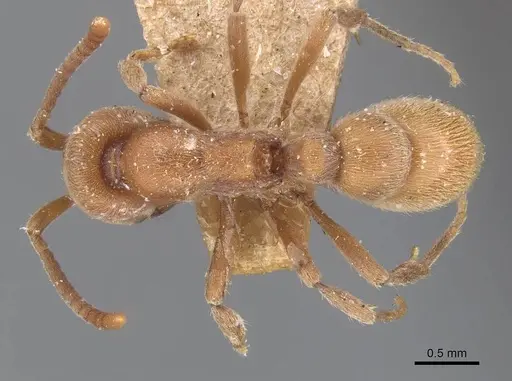
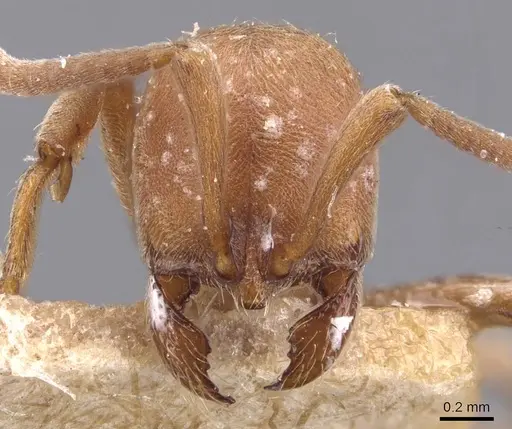
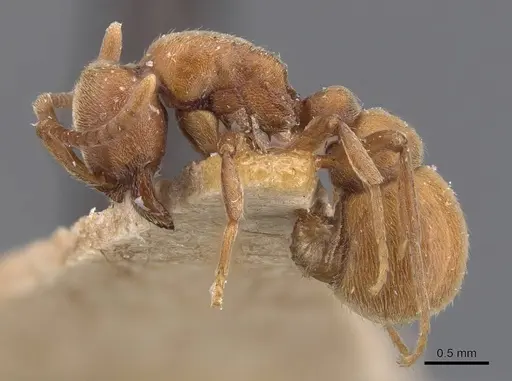
CASENT0907206
Ver no AntWeb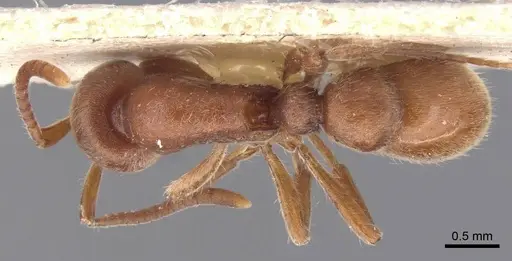
Literatura
Carregando mapa de distribuição...Carregando produtos...