
Pristomyrmex bicolor
- Nome científico
- Pristomyrmex bicolor
- Tribo
- Crematogastrini
- Subfamília
- Myrmicinae
- Autor
- Emery, 1900
- Distribuição
- Encontrada em 2 países
Introdução
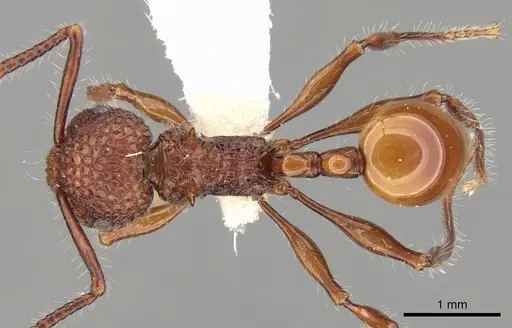
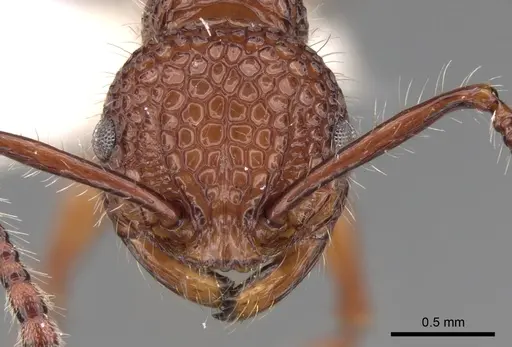
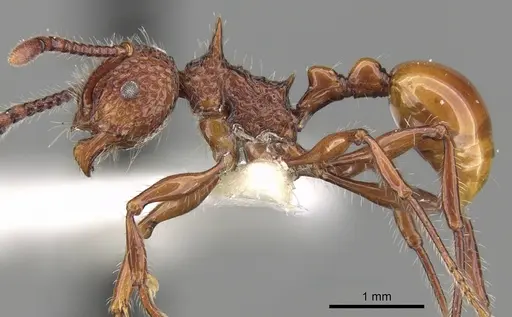
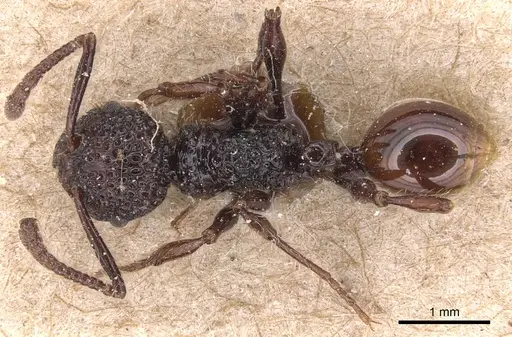
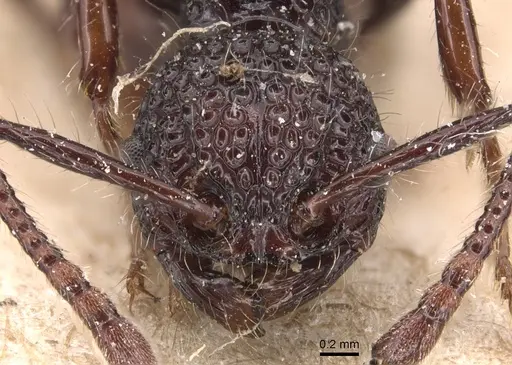
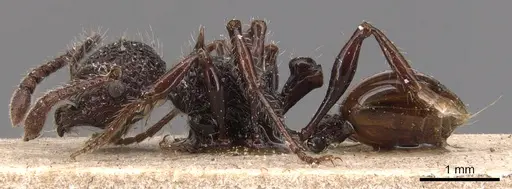
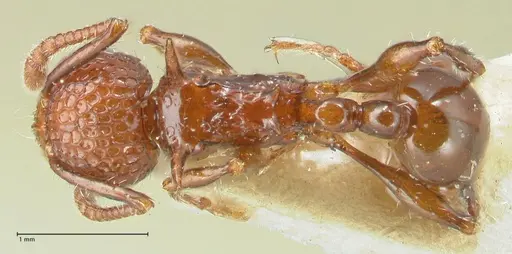
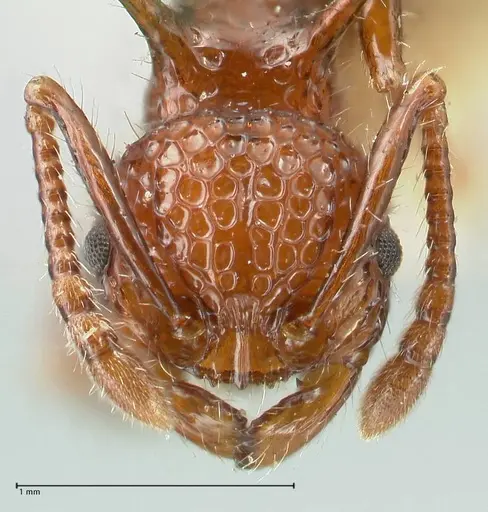
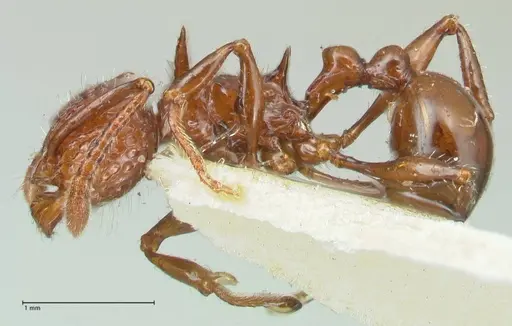
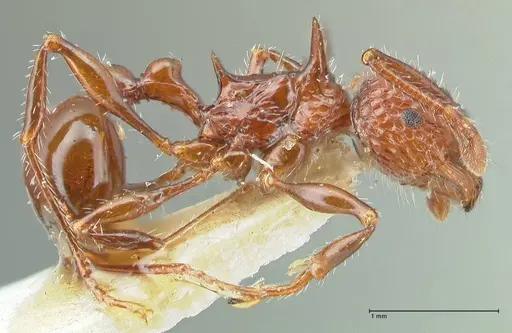
Pristomyrmex bicolor is a small to medium-sized ant native to Southeast Asian rainforests. Workers measure 4.5-6.2 mm and are reddish-brown to black-brown . The species is easily recognized by its exceptionally long pronotal spines (over 0.40 mm), which are notably longer than the propodeal spines . The head has a coarse rugoreticulate sculpture while the alitrunk is smoother . This ant occurs across the Indomalaya region including Borneo, Indonesia, Malaysia, Philippines, and Singapore, where it inhabits rainforest, nesting in rotten logs and fallen trees . A curious biological detail: males have never been collected, which may indicate undocumented nuptial flights, cryptic males, or even asexual reproduction .
Quick Summary
- Difficulty: Medium
- Origin & Habitat: Southeast Asian rainforests of the Indomalaya region (Borneo, Indonesia, Malaysia, Philippines, Singapore). They nest in rotting wood, fallen trees, and logs, with specimens collected at depths of 37.5 cm, suggesting subterranean foraging behavior [3][1][2].
- Colony Type: Colony structure is unconfirmed. Males have not been collected, which could indicate possible asexual reproduction or simply undocumented nuptial flights [2].
- Size & Growth:
- Queen: 6.54-6.56 mm [2]
- Worker: 4.5-6.14 mm [1][2]
- Colony: Unknown, no colony size data available
- Growth: Unknown, growth rate has not been studied
- Development: Unknown, development timeline has not been documented (Based on general Myrmicinae patterns, expect about 6-10 weeks at optimal temperature, but this is only an estimate.)
- Antkeeping:
- Temperature: Keep warm at 24-28 °C. This tropical rainforest species needs consistent warmth, avoid drops below 22 °C.
- Humidity: High humidity is critical. In the wild they inhabit rotting wood and have been found at 37.5 cm depth [3]. Keep the nest substrate consistently moist but not waterlogged. Provide a humidity gradient with a moist area and a drier area for the ants to self-regulate.
- Diapause: No, this is a tropical species from Southeast Asia where temperatures stay warm year-round. No winter dormancy is needed.
- Nesting: They naturally nest in rotting wood and logs. In captivity, a Y‑tong (AAC) nest or plaster nest works well because these materials hold humidity. They prefer dark, humid conditions and will use deeper nest chambers. Test tubes can work if kept humid with a damp substrate area.
- Behavior: Pristomyrmex bicolor is likely a docile species, though limited captive data exists. As a member of the tribe Crematogastrini, it uses a smearing venom defense, its stinger is flattened and spatulate, used to wipe venom onto attackers rather than piercing. Workers are moderate foragers and probably scavenge for small insects and tend honeydew. Their small size (under 6 mm) means standard escape prevention is adequate, but tight‑fitting lids are recommended.
- Common Issues: high humidity management is critical, too dry and colonies will fail, too wet causes mold, subterranean habits may mean they do not readily use exposed foraging areas, lack of documented care means keepers must experiment with feeding and nest design, queen and colony longevity is unknown due to limited study, males have never been collected, captive reproduction may be challenging
Nest Preferences and Housing
Pristomyrmex bicolor naturally nests in rotting wood, fallen trees, and logs within rainforest environments [2]. They have been found at depths of 37.5 cm underground, indicating they prefer dark, humid microhabitats [3]. For captive care, a Y‑tong (AAC) nest or plaster nest works well because these materials hold humidity effectively. Provide a dark nesting area, these ants avoid light and will retreat to the deepest parts of the nest. Keep one side of the nest slightly moist while allowing a drier area for the ants to self‑regulate. Test tube setups can work if you add a damp cotton ball and provide a humid outworld, but the wood‑nesting preference suggests Y‑tong or plaster is preferable. Ensure the outworld has some substrate or debris they can explore, as they may not venture onto bare surfaces readily.
Feeding and Diet
The natural diet of Pristomyrmex bicolor is not specifically documented, but Pristomyrmex species are generalist omnivores that typically consume small insects, honeydew, and nectar. In captivity, offer a varied diet including small live prey such as fruit flies, pinhead crickets, or small mealworms. Sugar water or honey can be offered occasionally, though acceptance may vary. Protein should be provided regularly, small insects are the primary natural food source. Feed every 2-3 days and remove uneaten prey to prevent mold. Since this species has not been widely kept in captivity, be prepared to experiment with different food types to determine preferences.
Temperature and Humidity
As a tropical rainforest species from Southeast Asia, Pristomyrmex bicolor requires warm and humid conditions. Maintain temperatures between 24-28 °C, avoiding drops below 22 °C. Room temperature in most homes may be sufficient if kept in the warmer range, but a heating cable on one side of the nest can help maintain stability. Humidity is critical, keep the nest substrate consistently moist but not waterlogged. The 37.5 cm depth finding suggests they evolved in very humid underground conditions [3]. Use a water reservoir or regular misting to maintain humidity, but ensure good ventilation to prevent mold buildup. Provide a humidity gradient so the ants can choose their preferred moisture level.
Behavior and Colony Dynamics
Pristomyrmex bicolor is believed to be a relatively docile species, though limited observations exist. As a member of the tribe Crematogastrini, its defense relies on a modified, flattened spatulate stinger used to smear venom onto enemies rather than piercing. The long pronotal spines may serve as a visual deterrent or physical defense against small predators. Workers are moderate in size and activity level. The most unusual biological characteristic is that males have never been collected [2], which raises questions about their reproductive biology, they may reproduce asexually, have cryptic males, or the nuptial flight period is simply undocumented. In captivity, expect slow colony growth given the limited data on this species. Queens have not been widely documented in captivity, so establishing a colony may require finding a wild‑caught queen during the appropriate season.
Frequently Asked Questions
Is Pristomyrmex bicolor a good species for beginners?
This is not an ideal beginner species due to the lack of documented captive care information. They require high humidity and warm temperatures typical of tropical rainforest ants, and their specific dietary preferences are not well understood. If you have experience keeping other Myrmicinae species and can maintain consistent humidity, it may be worth trying.
How long does it take for Pristomyrmex bicolor to develop from egg to worker?
The development timeline has not been scientifically documented for this species. Based on typical Myrmicinae patterns, expect approximately 6-10 weeks from egg to first worker at optimal temperature (around 26 °C), but this is an estimate rather than a confirmed timeline.
Do Pristomyrmex bicolor ants sting?
Pristomyrmex bicolor does not sting in the typical sense. As a member of Crematogastrini, it uses a smearing venom defense, its stinger is flattened and spatulate, used to wipe venom onto enemies rather than piercing. The ants are generally docile and not considered dangerous to humans.
What temperature should I keep Pristomyrmex bicolor at?
Keep them warm at 24-28 °C. This tropical species comes from Southeast Asian rainforests and requires consistent warmth. A heating cable on part of the nest can help maintain stable temperatures, especially in cooler climates.
Can I keep multiple queens together in Pristomyrmex bicolor?
The colony structure of this species has not been documented. Without scientific data on whether they are single‑queen or multi‑queen colonies, combining unrelated queens is not recommended.
What do Pristomyrmex bicolor eat?
While not specifically documented for this species, Pristomyrmex ants are generalist omnivores. Offer small live insects (fruit flies, small mealworms), and occasionally sugar water or honey. Protein‑rich foods should be the primary diet.
Do Pristomyrmex bicolor need hibernation or diapause?
No, they do not require hibernation. This is a tropical species from Southeast Asia where year‑round temperatures remain warm. They should be kept at warm temperatures throughout the year.
How big do Pristomyrmex bicolor colonies get?
The maximum colony size is unknown, no scientific data exists on colony size for this species. Based on related Pristomyrmex species, colonies likely reach several hundred workers, but this is an estimate.
What type of nest should I use for Pristomyrmex bicolor?
A Y‑tong (AAC) nest or plaster nest works best because they hold humidity well. These ants naturally nest in rotting wood and have been found at 37.5 cm depth, so they prefer dark, humid conditions. Provide a moist nest chamber.
Why have males never been collected for Pristomyrmex bicolor?
This remains unknown, males may be rare, cryptic, or this species could reproduce asexually. The nuptial flight season and location may simply not have been documented. It may make captive reproduction challenging if mated queens cannot be found [2].
Report an Issue
The current care sheet is based fully on literature. See inconsistencies, or something that's incorrect? Please , it will be resolved after review from an admin. Contributing to the blogs tab also helps providing information, to make us be able to further improve the caresheets. Thank you for your support!
References

Este guia de cuidados está sob a licença CC BY-SA 4.0 .
Posts da comunidade
Literatura
Carregando mapa de distribuição...Carregando produtos...