
Ponera selenophora
- Nome científico
- Ponera selenophora
- Tribo
- Ponerini
- Subfamília
- Ponerinae
- Autor
- Emery, 1900
- Distribuição
- Encontrada em 4 países
Introdução
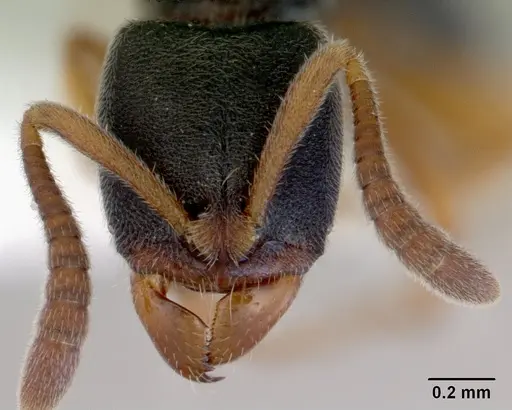
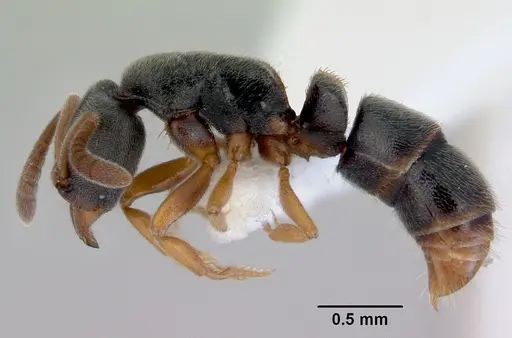
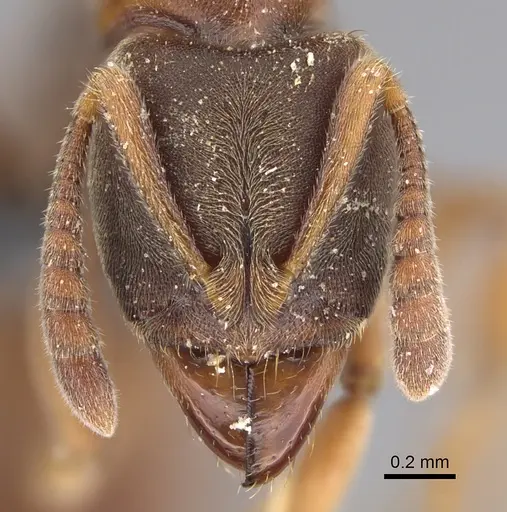
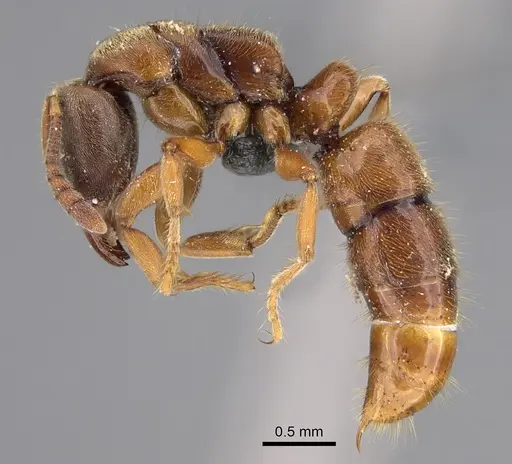
Ponera selenophora is a predatory ant species found in northern Australia, New Guinea, and Southeast Asia . Workers have a broad head with a median clypeal tooth and very small eyes with 2-3 indistinct facets . Their body is jet black with brownish-yellow mandibles and abdominal tip , and they lack a defined antennal club . This species lives in lowland rainforest leaf litter, making it a cryptic forest-floor dweller . Larvae have 3 pairs of dorsal abdominal glutinous tubercles, a characteristic trait of the Ponera genus .
Quick Summary
- Difficulty: Medium
- Origin & Habitat: Northern Australia (Cape York), New Guinea, Borneo, Indonesia, and Malaysia. Found in lowland rainforest leaf litter at elevations below 500m [1][2].
- Colony Type: Colony structure is unconfirmed, queen and male castes have not been described in scientific literature [1].
- Size & Growth:
- Queen: Unknown, size data unavailable, inferred from Ponera genus ~5mm
- Worker: Inferred from Ponera genus ~4mm
- Colony: Up to 100 workers (estimated based on genus patterns)
- Growth: Moderate (estimated)
- Development: Estimated 6-10 weeks (inferred from genus) (No direct development data exists for this species. Estimates based on typical Ponera genus patterns.)
- Antkeeping:
- Temperature: Keep warm and stable, roughly 22-26°C, based on lowland tropical habitat[2]
- Humidity: Keep the nest substrate consistently moist but not waterlogged, as this species lives in rainforest leaf litter[2]
- Diapause: No, tropical species from low elevations do not require hibernation[1]
- Nesting: Y-tong or plaster nests with small chambers suitable for tiny workers. Naturalistic setups with leaf litter mimic their habitat[2]
- Behavior: Workers are cryptic and slow-moving, spending time hidden in nest or hunting individually. They are predatory on small soil arthropods. Non-aggressive and will flee rather than fight. Escape prevention is critical due to small size[2]
- Common Issues: escape prevention is critical due to very small size, use fine mesh and tight-fitting lids., high humidity requirements can lead to mold if ventilation is poor., limited information means colony establishment success is uncertain., slow growth may lead to keeper impatience and overfeeding., wild-caught colonies may have parasites that are difficult to treat.
Housing and Nest Setup
Because of their tiny size, Ponera selenophora needs carefully designed housing. Y-tong (AAC) nests with narrow chambers or plaster nests work well, the chambers should be sized appropriately for small workers [2]. Test tubes can work for founding colonies but monitor water levels closely as these small ants are easily overwhelmed. Use fine mesh on all openings, these ants can escape through gaps that would hold larger species. A naturalistic setup with a layer of moist leaf litter over soil mimics their natural habitat and allows for natural hunting behaviors [2].
Feeding and Diet
Ponera selenophora is predatory, like other Ponera species. Their primary food should be small live prey, springtails are ideal, along with other micro-arthropods like tiny soil mites and booklouse nymphs. They are too small to tackle larger prey effectively. Feed small prey items 2-3 times per week, removing any uneaten prey within 24 hours. Sugar sources are unlikely to be accepted, these are strict predators.
Temperature and Humidity
As a lowland rainforest species from New Guinea and northern Australia, P. selenophora needs warm and humid conditions. Keep temperatures in the 22-26°C range, stable warmth is more important than exact numbers[2]. Humidity should be high, the substrate should feel consistently damp but never waterlogged[2]. Mist the outworld occasionally but focus on maintaining moisture in the nest substrate itself.
Behavior and Colony Dynamics
This is a cryptic, secretive ant species. Workers are slow-moving and spend much of their time in the nest or hunting individually through the substrate. They do not form visible foraging trails or large worker highways. Colonies are likely small, probably up to 100 workers at maturity based on typical Ponera patterns. Queens have not been described in scientific literature, so establishing a colony from a wild-caught queen is challenging due to lack of documented founding behavior [1]. Workers are non-aggressive and will retreat from threats rather than defend.
Growth and Development
No specific development data exists for Ponera selenophora. Based on the genus, expect a relatively slow growth rate compared to faster-growing ants. Larvae have 3 pairs of dorsal abdominal glutinous tubercles, this is a characteristic Ponera trait that helps them cling to nest materials [1]. From egg to first worker (nanitic), expect roughly 6-10 weeks at optimal temperature, though this is an estimate based on related species rather than documented data for this specific species.
Frequently Asked Questions
How long does it take for Ponera selenophora to produce first workers?
The exact timeline is unknown for this species [1]. Based on typical Ponera genus patterns, expect approximately 6-10 weeks from egg to first worker at optimal temperature (22-26°C).
Can I keep Ponera selenophora in a test tube?
Yes, test tubes can work for founding colonies, but use a small diameter tube and ensure the water reservoir is not too large, these tiny ants can easily become overwhelmed by excess water [2]. Monitor humidity closely and transfer to a proper nest once the colony grows.
What do Ponera selenophora ants eat?
They are predatory ants. Feed small live prey like springtails, micro-mites, and booklouse nymphs. They are too small to tackle larger insects. Sugar sources are unlikely to be accepted, focus on protein prey.
Are Ponera selenophora good for beginners?
They are rated as medium difficulty. Their small size and high humidity needs make them more challenging than beginner species like Lasius niger. They require careful attention to escape prevention and humidity. Limited available information about captive care also adds difficulty [2].
How big do Ponera selenophora colonies get?
Colony size is not documented in scientific literature. Based on typical Ponera genus patterns, colonies likely reach up to 100 workers at maturity, they are small, cryptic colonies.
Do Ponera selenophora need hibernation?
No, as a tropical lowland rainforest species from New Guinea and northern Australia, they do not require hibernation. Keep them at warm, stable temperatures year-round (22-26°C) [1].
Why are my Ponera selenophora dying?
Common causes include: escape through tiny gaps (use fine mesh), low humidity (keep substrate consistently moist), improper prey size (too large prey cannot be tackled), and mold from poor ventilation. Also ensure they are not overheating from direct heat sources [2].
When should I move my colony to a formicarium?
Move from test tube to a proper nest (Y-tong or plaster) once the colony reaches up to 20 workers and the test tube shows signs of becoming dirty. Ensure the new nest has appropriately sized chambers for their tiny workers [2].
Can I keep multiple queens together?
This has not been documented for this species. Based on typical Ponera patterns, they likely form single-queen colonies. Combining unrelated queens is not recommended due to lack of documented success.
Report an Issue
The current care sheet is based fully on literature. See inconsistencies, or something that's incorrect? Please , it will be resolved after review from an admin. Contributing to the blogs tab also helps providing information, to make us be able to further improve the caresheets. Thank you for your support!
References

Este guia de cuidados está sob a licença CC BY-SA 4.0 .
Posts da comunidade
CASENT0172428
Ver no AntWeb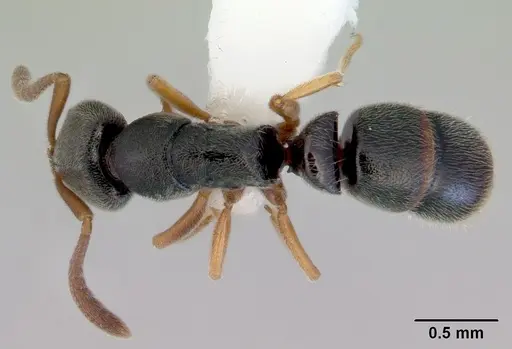
CASENT0387469
Ver no AntWeb
CASENT0903911
Ver no AntWeb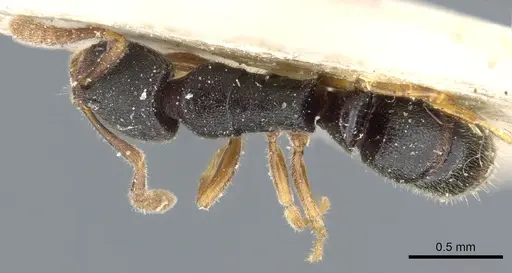
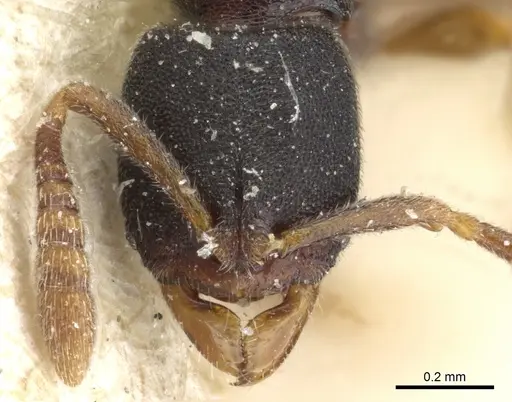
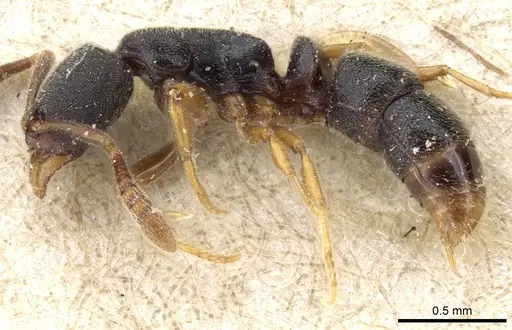
CASENT0923420
Ver no AntWeb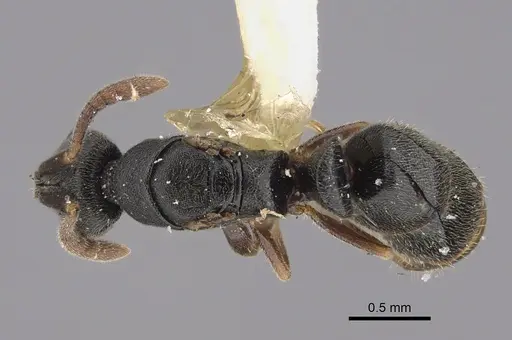
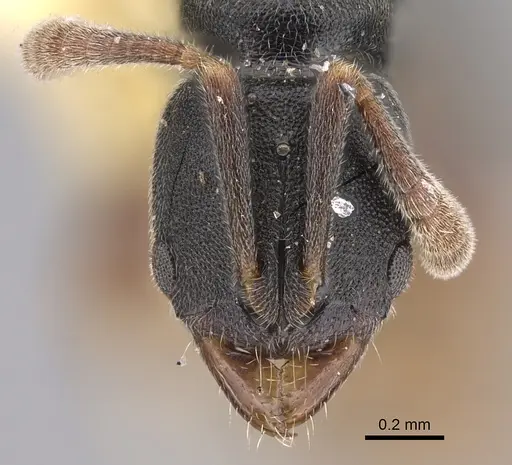
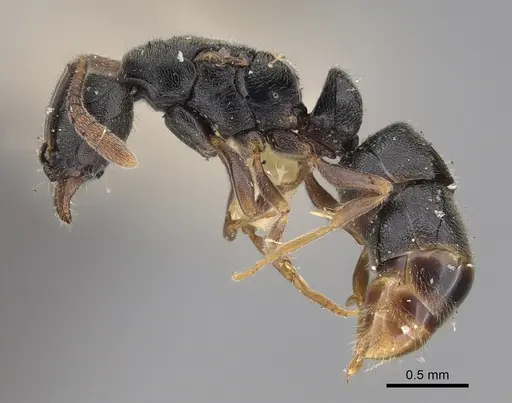
Literatura
Carregando mapa de distribuição...Carregando produtos...