
Polyrhachis semiobscura
- Nome científico
- Polyrhachis semiobscura
- Subgênero
- Hagiomyrma
- Tribo
- Camponotini
- Subfamília
- Formicinae
- Autor
- Donisthorpe, 1944
- Distribuição
- Encontrada em 2 países
Introdução
Polyrhachis semiobscura is a medium-sized ant in the Hagiomyrma subgenus of the genus Polyrhachis. Workers measure 5.04-7.62 mm TL and are black with dark reddish-brown mandibular teeth, longitudinal head striations, and propodeal spiracles on short tubercles . The petiole has slender, divergent spines . This species belongs to the penelope species-group and shows variation between Australian and New Guinean populations . Workers forage on Nepenthes pitcher rims in Papua New Guinea, walking on slippery surfaces without falling . The only known colony nested in galls on a twig, confirming their lignicolous habit .
Quick Summary
- Difficulty: Medium
- Origin & Habitat: Found in the Australasian region from New Ireland to Papua New Guinea, Torres Strait islands, and Cape York Peninsula in Australia, inhabiting tropical open forests and associated with Nepenthes pitchers [1][2].
- Colony Type: Colony structure is unconfirmed. Only one colony has been documented, with no information on queen number or social structure.
- Size & Growth:
- Queen: Approximately 8.06 mm TL [1]
- Worker: 5.04-7.62 mm TL [1]
- Colony: Unknown, no colony size data available
- Growth: Unknown, no development studies exist
- Development: Unconfirmed, based on typical Polyrhachis patterns, expect several months from egg to worker (Development may be temperature dependent)
- Antkeeping:
- Temperature: Based on tropical habitat, keep warm around 24-28°C
- Humidity: Keep nest substrate consistently moist but not waterlogged, based on habitat associations
- Diapause: Unlikely, tropical species from Papua New Guinea and northern Australia probably do not require diapause
- Nesting: Lignicolous species that nests in wood, provide Y-tong (AAC), plaster, or soil nests with wood pieces for tunneling [3][1]
- Behavior: Workers are moderately active and defend their nest. Escape risk is moderate due to medium size and climbing ability, use smooth barriers like Fluon. They produce cocooned pupae, requiring stable humidity [3][4].
- Common Issues: cocoon formation requires stable humidity, dry conditions can cause pupal mortality., tropical species may struggle in cool climates without supplemental heating., only one wild colony has been documented, making captive breeding stock rare.
Nest Preferences and Housing
Polyrhachis semiobscura is lignicolous, nesting in wood in the wild [3][1]. For captivity, use naturalistic setups with wood pieces, cork bark, or Y-tong (AAC) nests that allow tunneling. Plaster nests work if wood is included. Avoid test tube setups as they prefer wood-based media [1].
Feeding and Diet
While specific studies are lacking, Polyrhachis species are generally omnivorous. Offer sugar sources like honey water constantly and protein such as small insects 2-3 times per week.
Temperature and Humidity Requirements
As a tropical species, maintain warm conditions around 24-28°C and moderate humidity. Keep nest substrate moist but not waterlogged to support cocoon formation [3][4].
Reproduction and Development
Queens measure about 8.06 mm TL [1]. Males are unknown. The species produces cocooned pupae, requiring stable humidity [3][4]. Development timeline is unconfirmed but likely several months based on related species.
Unique Behaviors and Observations
Workers forage on Nepenthes pitcher rims without falling, showing adaptation to slippery surfaces [2]. This is one of few Hagiomyrma species outside Australia [1].
Frequently Asked Questions
How long does it take for Polyrhachis semiobscura to produce first workers?
The exact timeline is unconfirmed. Based on typical Polyrhachis patterns, expect several months from egg to worker under optimal conditions.
What is the best nest type for Polyrhachis semiobscura?
A naturalistic setup with wood pieces, cork bark, or Y-tong (AAC) nests works best, as they are lignicolous [1].
Are Polyrhachis semiobscura good for beginners?
This species is rated Medium difficulty due to tropical requirements and rare availability, so some experience is helpful.
Do Polyrhachis semiobscura need hibernation?
Unlikely, as they are tropical species from Papua New Guinea and northern Australia [1].
How big do Polyrhachis semiobscura colonies get?
Colony size is unknown, only one wild colony has been documented [1].
What do Polyrhachis semiobscura eat?
They are omnivorous. Offer sugar sources constantly and protein like insects 2-3 times per week.
Can I keep multiple Polyrhachis semiobscura queens together?
Colony structure is unconfirmed, so combining queens is not recommended without evidence.
Why do my Polyrhachis semiobscura pupae keep dying?
This species produces cocooned pupae sensitive to humidity extremes. Keep substrate moist but not waterlogged [3][4].
Where is Polyrhachis semiobscura found in the wild?
They range from New Ireland to Papua New Guinea, Torres Strait islands, and Cape York Peninsula in Australia [1].
Report an Issue
The current care sheet is based fully on literature. See inconsistencies, or something that's incorrect? Please , it will be resolved after review from an admin. Contributing to the blogs tab also helps providing information, to make us be able to further improve the caresheets. Thank you for your support!
References

Este guia de cuidados está sob a licença CC BY-SA 4.0 .
Posts da comunidade
CASENT0903336
Ver no AntWeb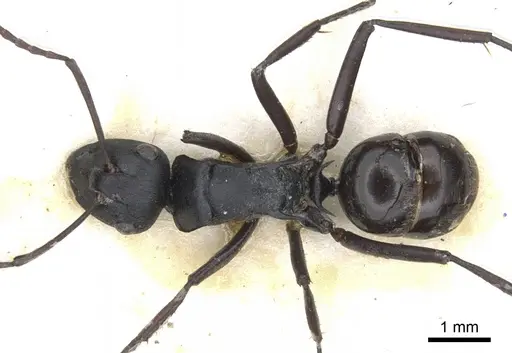
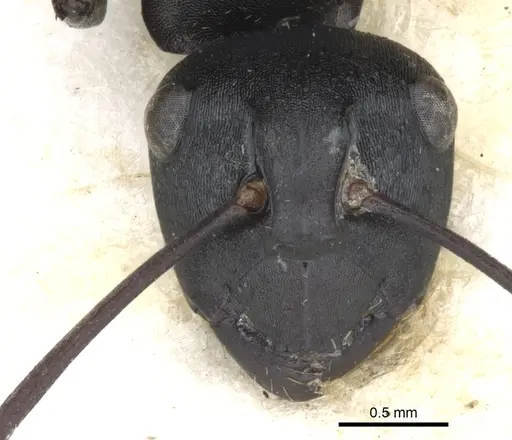
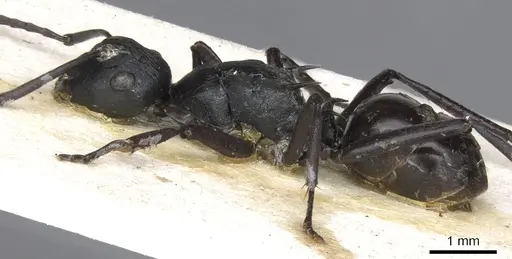
Literatura
Carregando mapa de distribuição...Carregando produtos...