
Polyrhachis radicicola
- Nome científico
- Polyrhachis radicicola
- Subgênero
- Chariomyrma
- Tribo
- Camponotini
- Subfamília
- Formicinae
- Autor
- Dahl, 1901
- Distribuição
- Encontrada em 0 países
Introdução
Polyrhachis radicicola is a species of ant in the subfamily Formicinae, native to New Guinea and the Melanesian region. Workers have hooked spines on the mesosoma, a characteristic of many Polyrhachis species. This ant is recorded in undisturbed forest environments . Size data is unavailable for this species. The species is known for its defensive spray of formic acid, typical of Formicinae ants, as they lack a functional sting and instead bite and spray acid from an acidopore.
Quick Summary
- Difficulty: Medium
- Origin & Habitat: Native to New Guinea and Melanesia, found in undisturbed forest environments [1]. This is a tropical species from a warm, humid region.
- Colony Type: Colony structure is unconfirmed. Based on Polyrhachis genus patterns, likely monogyne (single queen colonies), but no species-specific data exists.
- Size & Growth:
- Queen: Size data unavailable
- Worker: Size data unavailable
- Colony: Up to several hundred workers, inferred from Polyrhachis genus patterns
- Growth: Unknown
- Development: Unconfirmed, estimated 6-10 weeks based on tropical Formicinae patterns at 24-28°C (Development timeline has not been directly studied. Estimates are based on typical ant development in warm conditions.)
- Antkeeping:
- Temperature: Keep warm at 24-28°C, as this species comes from a tropical environment. Provide a gentle temperature gradient for self-regulation.
- Humidity: Maintain moderate to high humidity. Keep the nest substrate consistently moist but not waterlogged, as this species is from humid forests.
- Diapause: No, as a tropical species, they do not require a diapause period. Maintain stable temperatures year-round.
- Nesting: In nature, they nest in soil or rotting wood. In captivity, use a Y-tong nest with moist substrate or a naturalistic setup. Avoid dry environments.
- Behavior: Polyrhachis ants are generally docile and not aggressive toward keepers. Workers are active foragers. Escape risk is moderate, use standard barriers. They defend their nest with formic acid spray but do not have a painful sting.
- Common Issues: humidity control may be challenging in dry climates, slow colony growth can lead to keeper impatience, wild-caught colonies may carry parasites, test tube setups may dry out quickly if not monitored
Nest Preferences
In the wild, Polyrhachis radicicola is recorded in undisturbed forest environments [1]. They likely nest in soil or rotting wood, typical for the genus. For captive care, provide a nest with moist substrate to retain humidity, a Y-tong nest with a water reservoir or a naturalistic soil setup works well. The nest should have tight chambers appropriate for their size. Avoid dry setups as this tropical species needs moisture.
Feeding and Diet
Polyrhachis ants are generalist omnivores. In nature, they likely feed on honeydew and small insects. In captivity, offer a constant sugar source like honey water and protein foods such as small crickets or mealworms. Feed protein 2-3 times per week and remove uneaten food promptly to prevent mold.
Temperature and Care
As a tropical species from New Guinea, keep the nest area at 24-28°C. Room temperature is often suitable, but use a heating cable in cooler climates. Create a gentle temperature gradient so workers can self-regulate. No hibernation is needed, maintain stable warmth year-round.
Behavior and Temperament
Polyrhachis ants are calm and not aggressive toward keepers. Workers forage actively in the outworld. They defend with formic acid spray but do not sting. Escape prevention is important, use barriers like fluon on openings. Their moderate size means they are not extreme escape artists, but check for gaps.
Colony Establishment
Founding behavior is unconfirmed for this species. Based on Formicinae patterns, queens may seal themselves in a chamber (claustral founding), but this is not verified. Founding colonies should be kept in a quiet, dark place with stable humidity. Avoid disturbing the queen to prevent stress.
Frequently Asked Questions
How long does it take for Polyrhachis radicicola to produce first workers?
This has not been directly studied. Based on tropical Formicinae patterns at 24-28°C, expect first workers in approximately 6-10 weeks after eggs are laid. Growth may vary with temperature.
What do Polyrhachis radicicola ants eat?
They are generalist omnivores. Offer a constant sugar source like honey water and protein foods such as small insects. Feed protein 2-3 times per week and remove uneaten food promptly.
What temperature do Polyrhachis radicicola ants need?
Keep them warm at 24-28°C, as they are from a tropical environment. Use a heating cable if needed in cooler climates.
Do Polyrhachis radicicola ants need hibernation?
No, as a tropical species, they do not require hibernation. Maintain stable warm temperatures year-round.
How big do Polyrhachis radicicola colonies get?
Colony size has not been documented for this species. Based on Polyrhachis genus patterns, colonies may reach up to several hundred workers over time.
Can I keep multiple Polyrhachis radicicola queens together?
The colony structure is unconfirmed. Based on genus patterns, they likely form single-queen colonies. Combining queens is not recommended without evidence they can coexist.
What humidity do Polyrhachis radicicola ants need?
Maintain moderate to high humidity. Keep the nest substrate consistently moist but not waterlogged, as this species is from humid forests.
Are Polyrhachis radicicola ants good for beginners?
This species is not well-documented, so care may be challenging. The warm, humid requirements are achievable, but consider starting with more common species if you are new to antkeeping.
What type of nest is best for Polyrhachis radicicola?
A Y-tong nest with moist substrate or a naturalistic soil setup works well. They prefer enclosed chambers and need humidity retention. Avoid dry nests.
Report an Issue
The current care sheet is based fully on literature. See inconsistencies, or something that's incorrect? Please , it will be resolved after review from an admin. Contributing to the blogs tab also helps providing information, to make us be able to further improve the caresheets. Thank you for your support!
References

Este guia de cuidados está sob a licença CC BY-SA 4.0 .
Posts da comunidade
CASENT0910819
Ver no AntWeb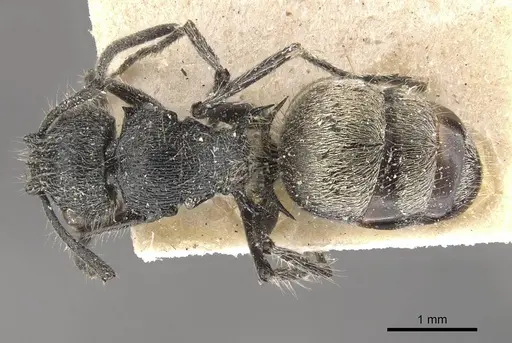
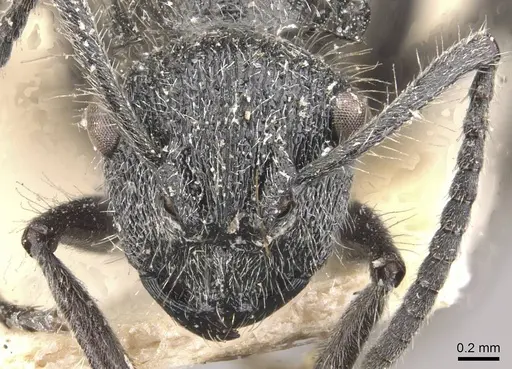
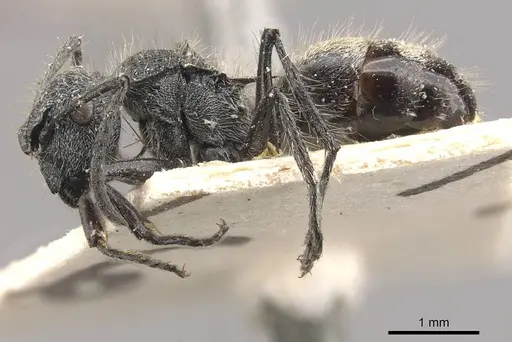
Literatura
Carregando mapa de distribuição...Carregando produtos...