
Polyrhachis labella
- Nome científico
- Polyrhachis labella
- Subgênero
- Myrma
- Tribo
- Camponotini
- Subfamília
- Formicinae
- Autor
- Smith, 1860
- Distribuição
- Encontrada em 1 países
Introdução
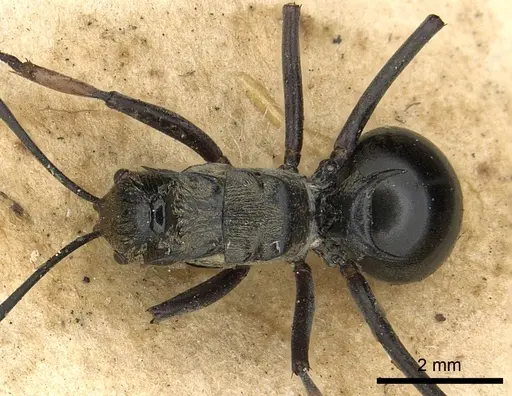
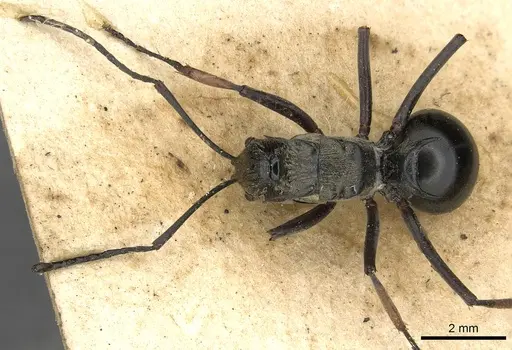
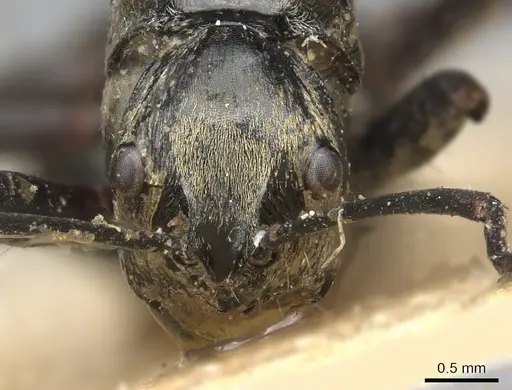
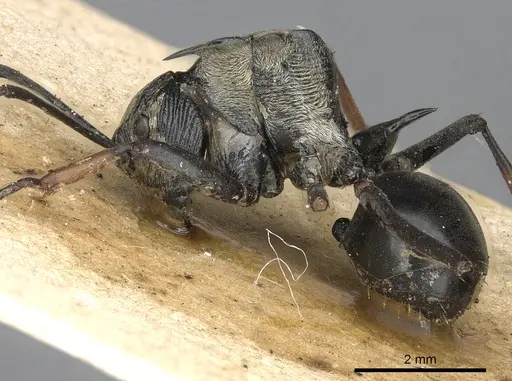
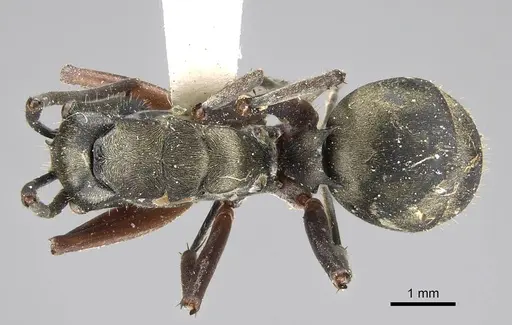
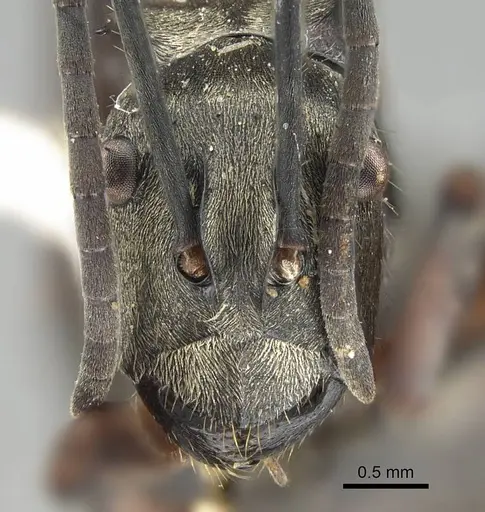
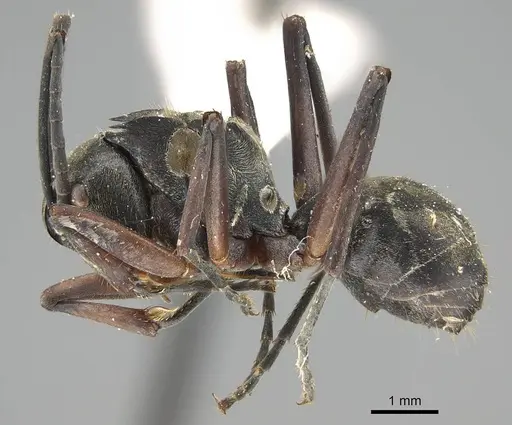
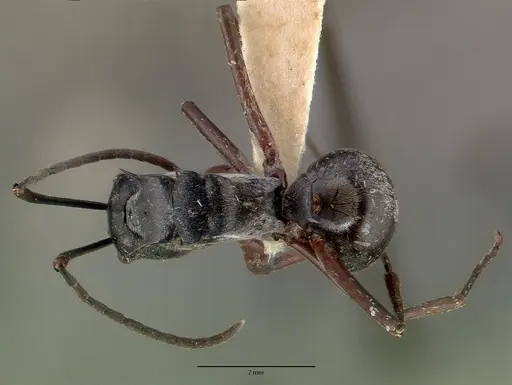
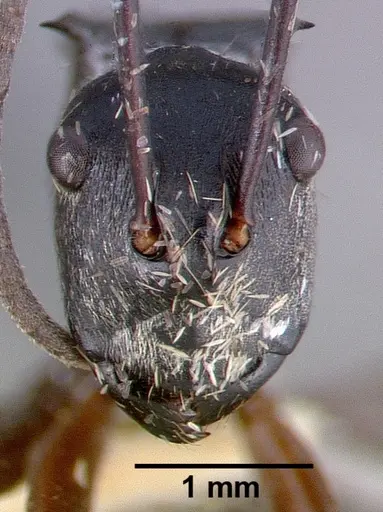
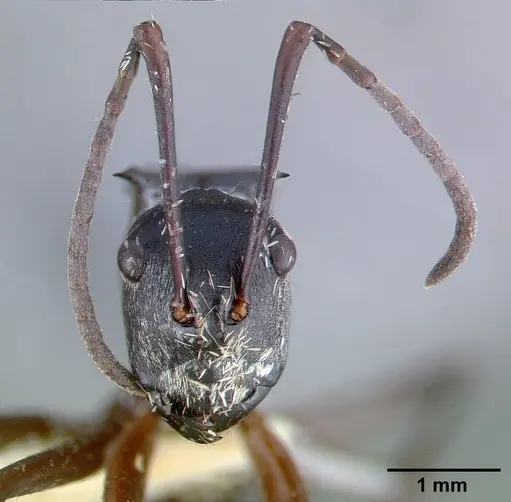
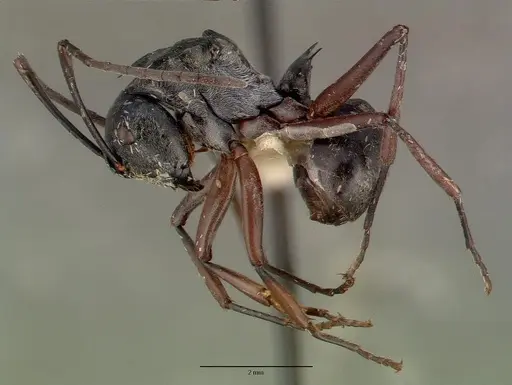
Polyrhachis labella is a spiny ant species native to the Maluku Islands of Indonesia and the Solomon Islands. Workers are approximately 6-7 mm long , black with fine silky grayish pubescence, and have a flattened thorax with lateral spines. The petiole features two long, erect spines . This species is found in tropical forest habitats . A distinctive feature is their defense mechanism: they lack a sting and spray formic acid from an acidopore, typical of Formicinae ants.
Quick Summary
- Difficulty: Medium
- Origin & Habitat: Native to the Maluku Islands (Batjan I.) in Indonesia and the Solomon Islands (Guadalcanal, Bellona) [1][2][3].
- Colony Type: Colony structure is unconfirmed. Based on Polyrhachis patterns, likely monogyne (single queen).
- Size & Growth:
- Queen: Size data unavailable, inferred from Polyrhachis genus (~8-10 mm)
- Worker: Approximately 6-7 mm [1]
- Colony: Unknown for this species, Polyrhachis colonies typically reach several hundred workers
- Growth: Moderate, inferred from tropical Formicinae patterns
- Development: Estimated 6-8 weeks at optimal temperatures (24-28°C), based on related species (Development time is inferred from related Polyrhachis species. Warm temperatures accelerate development.)
- Antkeeping:
- Temperature: Keep warm, roughly 24-28°C, as inferred from tropical habitat.
- Humidity: Keep nest substrate consistently moist but not waterlogged. Provide a water tube for drinking.
- Diapause: No, tropical species, no hibernation needed.
- Nesting: Preferred nest types: Y-tong, plaster, or soil nests with moisture retention. Based on Polyrhachis being semi-arboreal, include cork bark or rotting wood in the setup.
- Behavior: Polyrhachis ants are generally peaceful and not aggressive. Workers are active foragers. Escape risk is moderate due to their size, ensure enclosures have tight-fitting lids.
- Common Issues: tropical species may struggle in cool, dry environments, maintain heat and humidity., colonies can stall if temperatures drop below 24°C for extended periods., wild-caught colonies may carry parasites, quarantine and monitor new colonies., small colony sizes initially may be fragile, avoid disturbing founding queens.
Housing and Nest Setup
Polyrhachis labella does well in Y-tong or plaster nests with moisture retention. Since they are likely semi-arboreal, include cork bark or rotting wood in the setup. For founding colonies, a test tube setup can work, but transfer to a proper nest once the colony reaches 20-30 workers. Ensure the outworld has space for foraging and a water tube for drinking.
Feeding and Diet
Like most Polyrhachis species, P. labella likely feeds on honeydew from aphids and scale insects, plus small insects and arthropods. In captivity, offer a constant source of sugar water or honey diluted with water. Feed small insects like fruit flies, pinhead crickets, or mealworms twice weekly. Remove uneaten prey after 24 hours to prevent mold.
Temperature and Heating
As a tropical species from Indonesia and the Solomon Islands, P. labella requires warm conditions. Keep the nest area at 24-28°C consistently. A heating cable placed on top of the nest can create a gentle warmth gradient. Room temperature alone may be insufficient if your home is below 24°C. Monitor colony activity, if workers cluster near the heat source, increase temperature slightly.
Humidity and Moisture
Tropical forest ants need high humidity. Keep the nest substrate consistently moist but never waterlogged. The substrate should feel damp to the touch. Provide a water tube in the outworld so workers can drink. Mist the outworld occasionally, especially if you notice workers gathering at water droplets. Good ventilation helps prevent mold while maintaining humidity.
Colony Development and Growth
A newly mated queen will seal herself in a chamber and lay eggs after the claustral founding period. First workers (nanitics) will be smaller than mature workers. The colony will grow slowly at first, then accelerate once the first workers begin foraging. Expect 6-8 weeks to first workers at optimal temperatures. Colony growth is moderate, patience is key during the founding phase. Do not disturb the queen during founding as this can cause her to eat her brood.
Frequently Asked Questions
How long does it take for Polyrhachis labella to produce first workers?
At optimal temperatures (24-28°C), expect first workers in approximately 6-8 weeks. This is an estimate based on related Polyrhachis species, as specific development data for P. labella is not documented.
What temperature do Polyrhachis labella ants need?
Keep them at 24-28°C. These are tropical ants that need consistent warmth. A heating cable on the nest can help maintain proper temperatures.
Do Polyrhachis labella ants need hibernation?
No. As a tropical species from Indonesia and the Solomon Islands, they do not require hibernation. Maintain warm temperatures year-round.
What do Polyrhachis labella ants eat?
They likely eat honeydew and small insects. Offer sugar water or honey constantly, plus small insects like fruit flies or mealworms twice weekly.
Are Polyrhachis labella ants aggressive?
No. Polyrhachis species are generally peaceful and not known to sting. They pose no danger to keepers.
How big do Polyrhachis labella colonies get?
Colony size is not documented for this specific species, but Polyrhachis colonies typically reach several hundred workers.
Can I keep Polyrhachis labella in a test tube?
Yes, test tubes work well for founding colonies. Use a test tube with a water reservoir and cotton plug. Transfer to a proper nest (Y-tong or plaster) once the colony reaches 20-30 workers.
What humidity level do Polyrhachis labella ants need?
High humidity around 70-85%. Keep the nest substrate consistently moist but not waterlogged. Provide a water tube for drinking.
Is Polyrhachis labella good for beginners?
This species is rated as medium difficulty. The main challenges are maintaining proper tropical heat and humidity. If you have experience with other Formicinae like Camponotus, you should do well.
Where is Polyrhachis labella native to?
It is native to the Maluku Islands (Batjan I.) in Indonesia and the Solomon Islands (Guadalcanal, Bellona) [1][2].
Report an Issue
The current care sheet is based fully on literature. See inconsistencies, or something that's incorrect? Please , it will be resolved after review from an admin. Contributing to the blogs tab also helps providing information, to make us be able to further improve the caresheets. Thank you for your support!
References

Este guia de cuidados está sob a licença CC BY-SA 4.0 .
Posts da comunidade
Literatura
Carregando mapa de distribuição...Carregando produtos...