
Polyrhachis horni
- Nome científico
- Polyrhachis horni
- Subgênero
- Myrma
- Tribo
- Camponotini
- Subfamília
- Formicinae
- Autor
- Emery, 1901
- Distribuição
- Encontrada em 1 países
Introdução
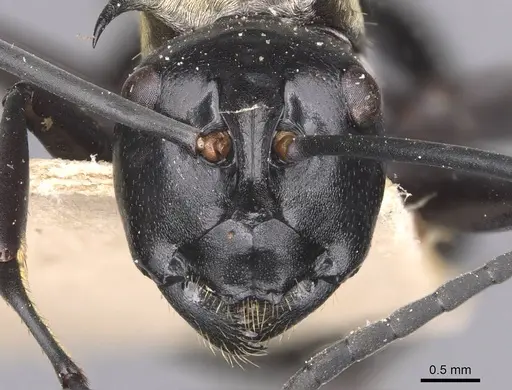
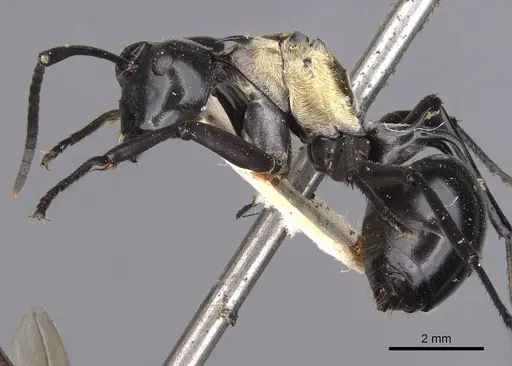
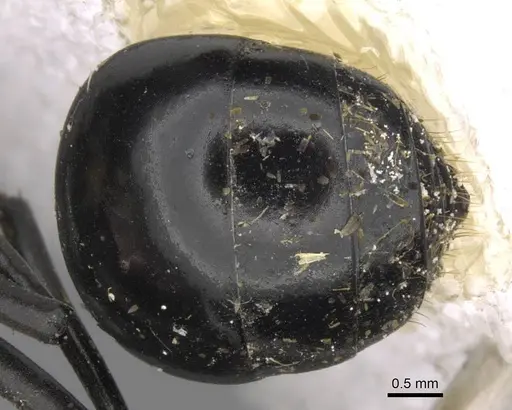
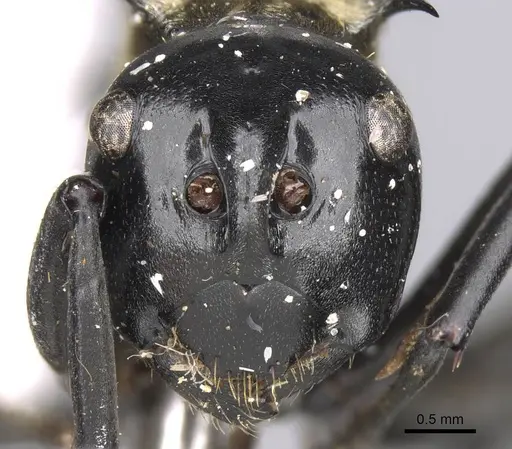
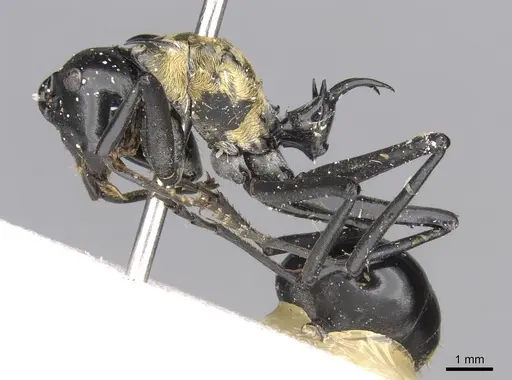
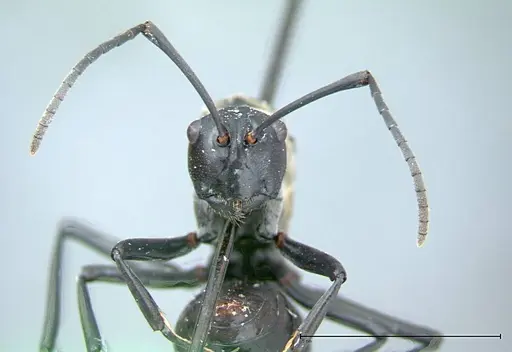
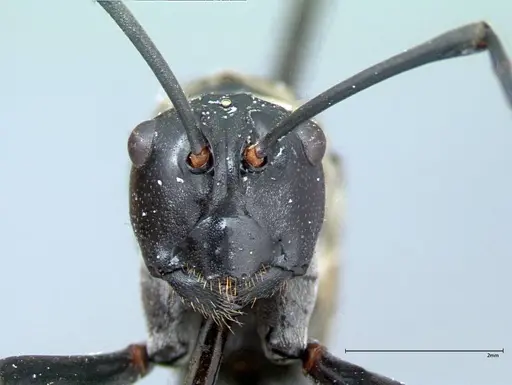
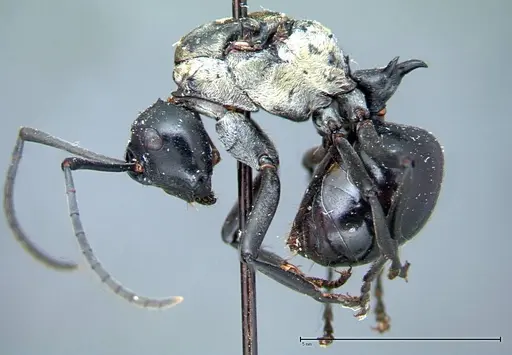
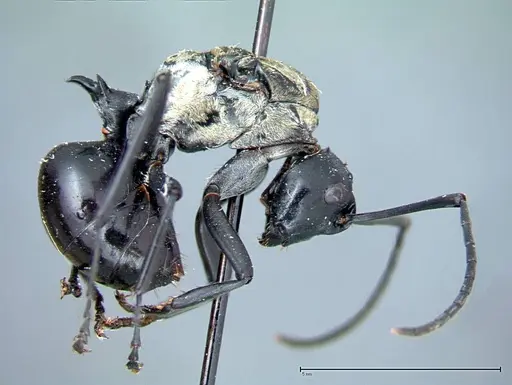
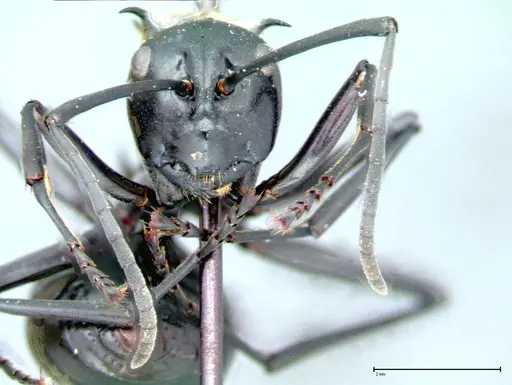
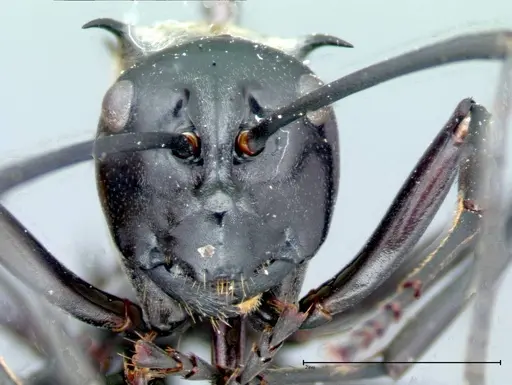
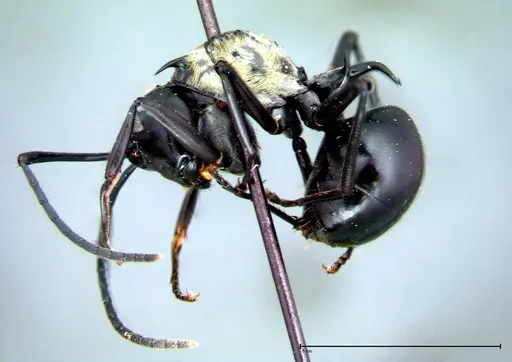
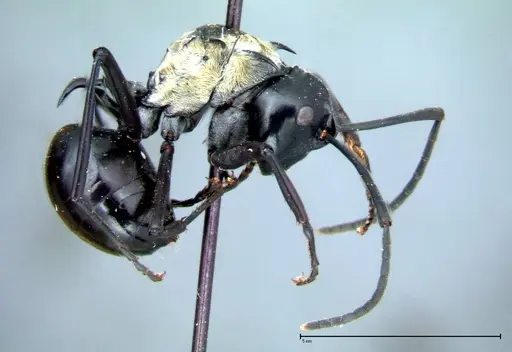
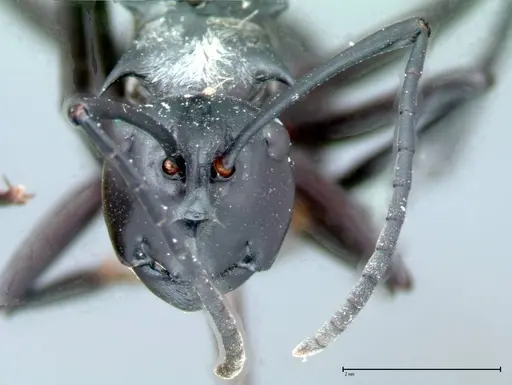
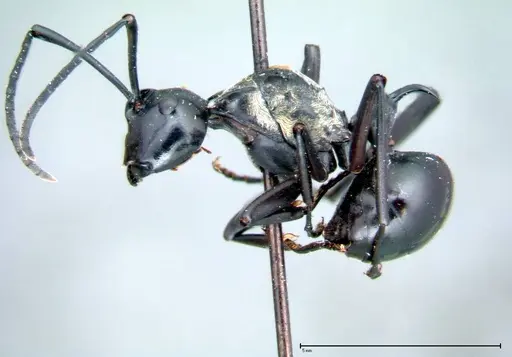
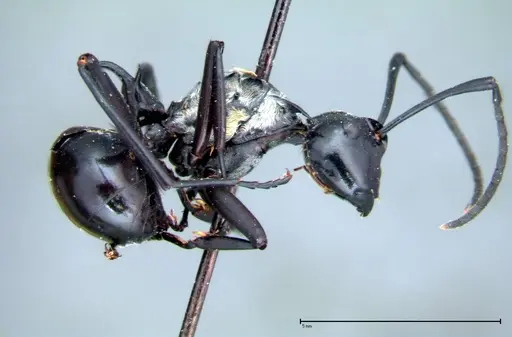
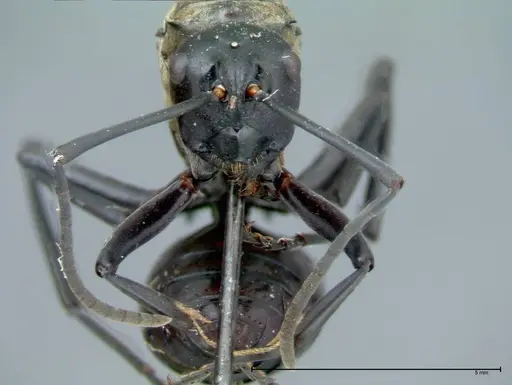
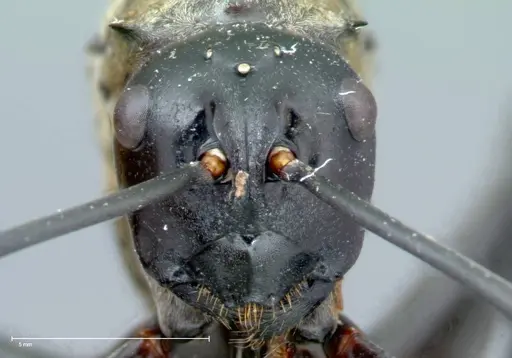
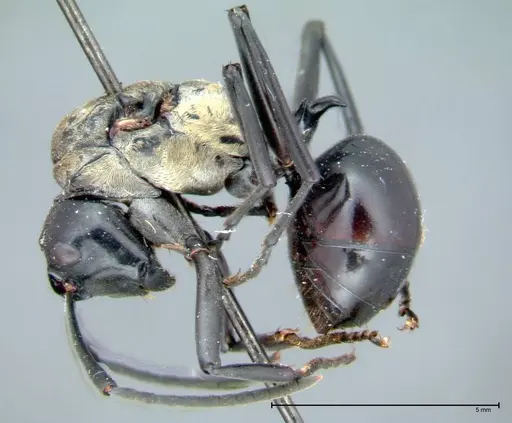
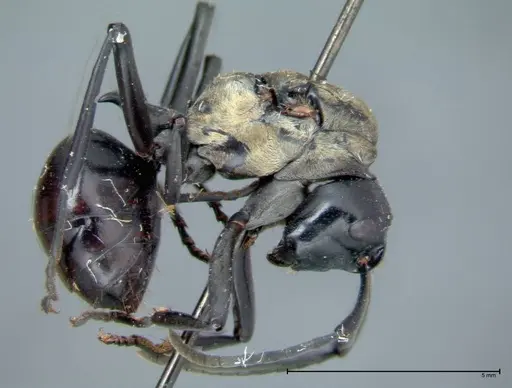
Polyrhachis horni is a spiny ant species native to India and Sri Lanka. Workers are medium-sized for the genus, though exact body measurements are unavailable . They feature prominent spines on their middle body section, which gives them the common name 'urchin ants' . The species was first described by Emery in 1901,and males were later documented by Forel in 1908 . You will find them in the Indomalaya region, specifically recorded in Bihar and Karnataka, India, as well as Sri Lanka . As a tropical species, P. horni likely builds nests in vegetation, under bark, or in hollow twigs rather than in the ground . Their spiny armor serves as a primary defense against predators. Scientific data on their exact colony structure, founding method, and growth rate remains scarce. Most care guidelines rely on general patterns from the Polyrhachis genus and basic antkeeping principles.
Quick Summary
- Difficulty: Medium
- Origin & Habitat: India (Bihar, Karnataka) and Sri Lanka in the Indomalaya region. They likely nest in tropical forest vegetation or under bark [3][2].
- Colony Type: Colony structure is unconfirmed. Most Polyrhachis species form single-queen colonies, but specific data for this species is missing.
- Size & Growth:
- Antkeeping:
- Temperature: Keep warm and stable, roughly 22-26°C. As a tropical species, they need consistent warmth without extreme heat spikes.
- Humidity: Keep the nest substrate consistently moist but not waterlogged. Provide a water source in the outworld.
- Diapause: Unknown. Based on their tropical range, they likely do not require a strict winter diapause, but you should observe their activity levels year-round.
- Nesting: Semi-arboreal preferences. Use Y-tong (AAC), plaster, or soil nests with vertical orientation and hiding spots. Avoid completely horizontal setups.
- Behavior: Generally calm and non-aggressive. Workers explore actively and likely feed on honeydew and small insects. They rely on body spines for defense rather than aggression. Escape risk is moderate, ensure all tube connections are secure.
- Common Issues: limited availability makes finding queens difficult, lack of species-specific care data means you must rely on general genus patterns, humidity control requires balance to prevent mold while keeping the nest moist, temperature stability is critical for tropical colonies, slow establishment is common for new queens raising their first brood
Housing and Nest Setup
Polyrhachis horni prefers setups that mimic their natural vegetation or bark-nesting habits. A Y-tong (AAC) nest works well because it provides dark, secure chambers. Plaster nests also offer good humidity control. You can add pieces of cork bark or twigs to give them climbing structures and hiding spots. Make sure all connections between the nest and outworld are tight. Workers will test these gaps, so use proper escape-proof tubing [2].
Feeding and Diet
In the wild, Polyrhachis species feed on honeydew from aphids and scale insects, plus small insects. In captivity, provide a steady source of sugar water or diluted honey. Offer protein sources like fruit flies, pinhead crickets, or small mealworms two to three times per week. Remove uneaten prey after two days to stop mold from growing. Some colonies accept small fruit pieces, but protein drives colony growth [2].
Temperature and Seasonal Care
Keep this species in a warm, stable environment around 22-26°C. They come from tropical India and Sri Lanka, so they do not experience harsh winters. You likely do not need to force a diapause period. Maintain consistent conditions year-round. If room temperatures drop below 18°C, use a heating cable on one side of the nest to create a gentle gradient. Always leave an unheated zone so workers can move to cooler areas if needed [3].
Humidity Management
Maintain moderate to high humidity in the nest. The substrate should feel damp to the touch but never waterlogged. Attach a water tube to the nest for drinking access. Mist the outworld occasionally instead of flooding the nest chambers. Good ventilation prevents stagnant air and mold, but avoid strong drafts that dry out the nest too quickly. Adjust watering based on how quickly the nest dries out [2].
Behavior and Colony Dynamics
Workers are active foragers that explore their environment for food. They are generally docile and rarely show aggression toward keepers. Their spiny bodies act as a natural defense, so they usually prefer to flee rather than fight. Colony growth follows a moderate pace. Expect the first workers to emerge several weeks after the queen starts laying eggs. A healthy colony will continuously produce brood at various stages when conditions stay stable [2].
Frequently Asked Questions
How long does it take for Polyrhachis horni queens to raise their first workers?
Unknown. Development timelines are unconfirmed for this species. Based on related tropical Polyrhachis, expect several weeks to a few months. Warmer temperatures usually speed up development [2].
Can I keep Polyrhachis horni in a test tube setup?
Yes. A test tube works for founding queens. Provide a dark chamber and a water reservoir. Upgrade to a Y-tong or plaster nest once the colony grows, since these ants prefer vertical space and hiding spots [2].
What temperature range is best for Polyrhachis horni?
Keep them between 22°C and 26°C. They thrive in warm, stable conditions typical of their tropical range in India and Sri Lanka [3]. Avoid prolonged exposure to temperatures below 18°C.
How big do Polyrhachis horni colonies get?
Unknown. Maximum colony size is unconfirmed. Related Polyrhachis species often reach several hundred workers, but you should expect moderate growth for this specific species [2].
Do Polyrhachis horni queens need to forage during founding?
Founding behavior is unconfirmed. Most Formicinae queens seal themselves in a chamber and raise their first workers using stored fat reserves. You should provide water and small food items near the nest entrance, but do not expect the queen to leave during founding.
What do Polyrhachis horni eat?
They are omnivorous. Offer sugar water or honey as a constant energy source. Provide protein from small insects like fruit flies or pinhead crickets two to three times per week. Remove uneaten prey after two days to prevent mold [2].
Is Polyrhachis horni good for beginners?
This species sits at medium difficulty. You can keep them successfully if you maintain stable tropical temperatures and humidity. Acquiring queens is difficult due to limited availability, so plan your setup before bringing one home.
Do Polyrhachis horni need a hibernation period?
Unknown. Based on their tropical distribution in India and Sri Lanka, they likely do not require a strict winter diapause. Keep conditions stable year-round and watch for natural slowdowns during cooler months [3].
When should I move my Polyrhachis horni colony to a formicarium?
Wait until the colony has at least 20 workers and shows consistent brood development. This usually takes several months after founding. Moving too early stresses new colonies. Ensure your new nest has proper humidity and escape-proof connections [2].
Report an Issue
The current care sheet is based fully on literature. See inconsistencies, or something that's incorrect? Please , it will be resolved after review from an admin. Contributing to the blogs tab also helps providing information, to make us be able to further improve the caresheets. Thank you for your support!
References

Este guia de cuidados está sob a licença CC BY-SA 4.0 .
Posts da comunidade
CASENT0905539
Ver no AntWeb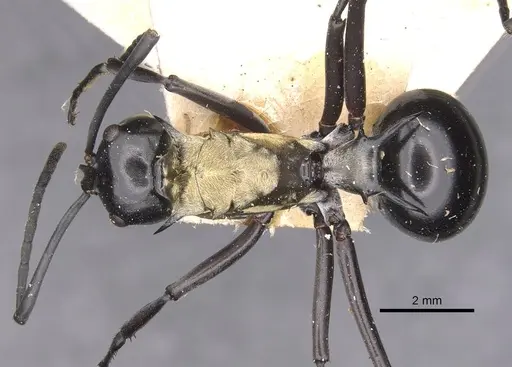
CASENT0906807
Ver no AntWeb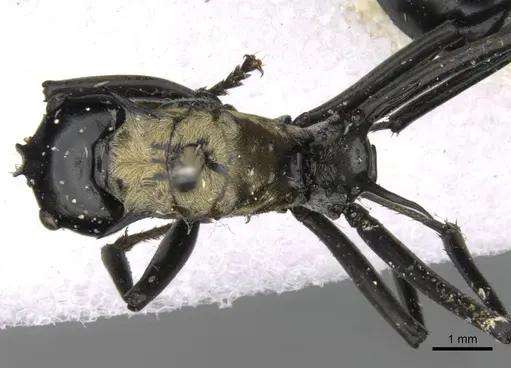
FOCOL0086
Ver no AntWeb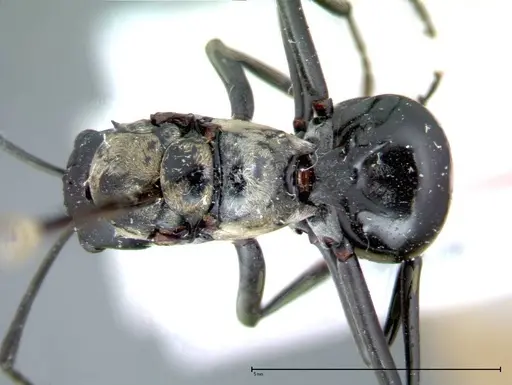
FOCOL0087
Ver no AntWeb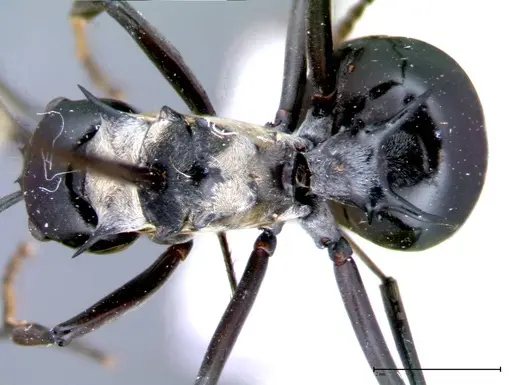
FOCOL0088
Ver no AntWeb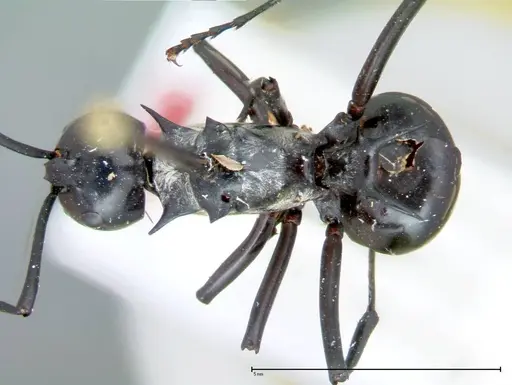
FOCOL0089
Ver no AntWeb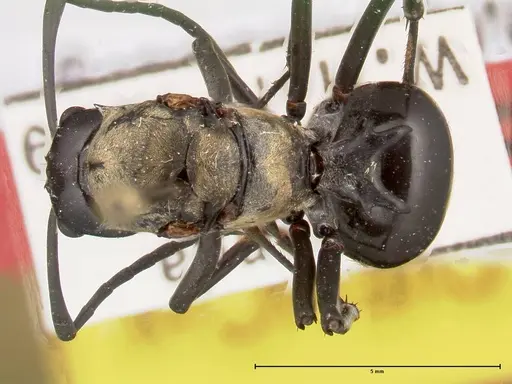
Literatura
Carregando mapa de distribuição...Carregando produtos...