
Polyrhachis chapmani
- Nome científico
- Polyrhachis chapmani
- Subgênero
- Myrma
- Tribo
- Camponotini
- Subfamília
- Formicinae
- Autor
- Kohout, 2006
- Distribuição
- Encontrada em 0 países
Introdução
Polyrhachis chapmani is an ant native to the Philippines, specifically Negros Island. Workers are 6.00-7.21 mm long, and queens are 7.16-7.71 mm long, with a black body and reddish-brown markings on the clypeus, mesopleurae, and gaster . This species belongs to the Myrma subgenus and the parabiotica species-group . It is named after James W. Chapman, who collected ants in the Philippines in the 1940s . A notable trait is their use of silk to construct nest chambers, which is uncommon for Formicinae ants .
Quick Summary
- Difficulty: Medium
- Origin & Habitat: Philippines (Negros Island), tropical forest environment at approximately 3600 ft elevation [1]
- Colony Type: Colony structure is unconfirmed, no published data on queen number. Based on related Myrma species, likely single-queen colonies.
- Size & Growth:
- Queen: 7.16-7.71 mm [1]
- Worker: 6.00-7.21 mm [1]
- Colony: Unknown, no colony size data published
- Growth: Unknown, no development data available. Based on related Polyrhachis species, expect moderate growth.
- Development: Unknown for this species. Based on typical Polyrhachis patterns, estimate 6-10 weeks at tropical temperatures. (No direct development studies exist for P. chapmani.)
- Antkeeping:
- Temperature: Keep at 24-28°C. As a tropical species from the Philippines, they require warm conditions year-round. A heating cable on one side of the nest creates a suitable gradient [1].
- Humidity: Maintain moderate to high humidity. These are forest-dwelling ants that prefer damp conditions. Keep the nest substrate consistently moist but not waterlogged [2].
- Diapause: No, as a tropical species from the Philippines, they do not require hibernation. Keep them warm year-round [1].
- Nesting: Lignicolous (wood-nesting). In captivity, provide a nest in wood, cork, or a Y-tong/plaster setup with wood-like texture. They use silk to construct chambers, so include some substrate they can work with [2].
- Behavior: Behavior is not directly documented, but Polyrhachis (Myrma) species are typically moderate in aggression and arboreal in nature. Workers are active foragers that likely search for honeydew and small prey. They lack a sting and spray formic acid for defense. Escape prevention should be moderate, they are medium-sized ants but good climbers.
- Common Issues: humidity control is critical, too dry causes brood death in this forest-dwelling species., tropical warmth is essential, temperatures below 22°C may slow or stop brood development., escape risk is moderate, ensure secure enclosures given their arboreal nature.
Nest Preferences and Housing
Polyrhachis chapmani is a lignicolous species, meaning it nests in wood. In their natural habitat, they nest in hollow vines and rotting wood. For captive care, provide a nest that mimics wood conditions, such as Y-tong, plaster, or cork bark. This species belongs to the Myrma subgenus, which uses silk to construct nest chambers. Include loose substrate for silk work. Avoid fully enclosed acrylic nests without texture. [2][1]
Feeding and Diet
The specific diet is not documented, but Polyrhachis species are omnivorous. Offer sugar water or honey for energy, and protein like mealworms or crickets 2-3 times per week. Remove uneaten prey after 24-48 hours to prevent mold.
Temperature and Seasonal Care
As a tropical species, maintain nest temperatures between 24-28°C. Use a heating cable to create a gradient, allowing ants to self-regulate. No hibernation is required, as they are from a warm climate. [1]
Understanding the Knowledge Gap
This species is poorly studied. All care recommendations are based on genus-level patterns from related Polyrhachis species. Observe your colony closely and adjust care based on their behavior, such as increasing humidity if they avoid dry areas. [2][1]
Frequently Asked Questions
How long does it take for Polyrhachis chapmani to produce first workers?
The exact development time is unknown. Based on typical Polyrhachis development patterns, expect 6-10 weeks from egg to worker at optimal tropical temperatures (24-28°C).
What do Polyrhachis chapmani ants eat?
While not directly studied, Polyrhachis ants are omnivorous. Offer sugar water or honey as an energy source, and protein sources like small insects 2-3 times per week. Remove uneaten food promptly.
Can I keep Polyrhachis chapmani in a test tube setup?
A test tube can work for founding colonies, but this species prefers wood-nesting conditions. Once the colony reaches a small size, consider moving them to a Y-tong, plaster nest, or naturalistic setup with cork bark.
Do Polyrhachis chapmani ants need hibernation?
No. As a tropical species from the Philippines, they do not require hibernation. Keep them warm year-round at 24-28°C.
How big do Polyrhachis chapmani colonies get?
The maximum colony size is unknown, no published colony data exists for this species. Based on related Polyrhachis species, colonies likely reach several hundred workers over time.
Are Polyrhachis chapmani ants aggressive?
Direct behavior observations are not published. Polyrhachis species are generally not highly aggressive but will defend their nest if threatened. They are active foragers with moderate escape abilities.
What temperature range is best for Polyrhachis chapmani?
Keep them at 24-28°C. This is a tropical species requiring warm conditions year-round. A heating cable on part of the nest creates a gradient they can use to self-regulate.
What makes Polyrhachis chapmani different from other ants?
This species belongs to the Myrma subgenus, known for using silk to construct nest chambers, an unusual trait among Formicinae. They also have pupal cocoons, which is relatively rare in this subfamily. Their distinctive black and reddish-brown coloration makes them visually striking.
Report an Issue
The current care sheet is based fully on literature. See inconsistencies, or something that's incorrect? Please , it will be resolved after review from an admin. Contributing to the blogs tab also helps providing information, to make us be able to further improve the caresheets. Thank you for your support!
References

Este guia de cuidados está sob a licença CC BY-SA 4.0 .
Posts da comunidade
CASENT0903440
Ver no AntWeb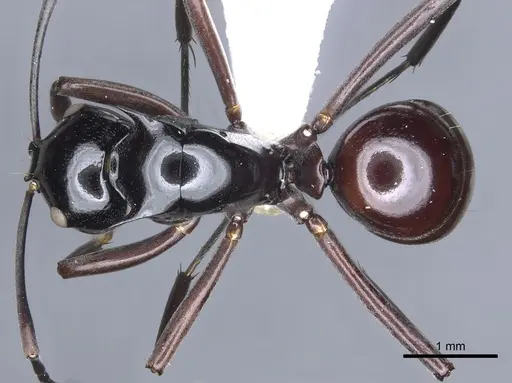
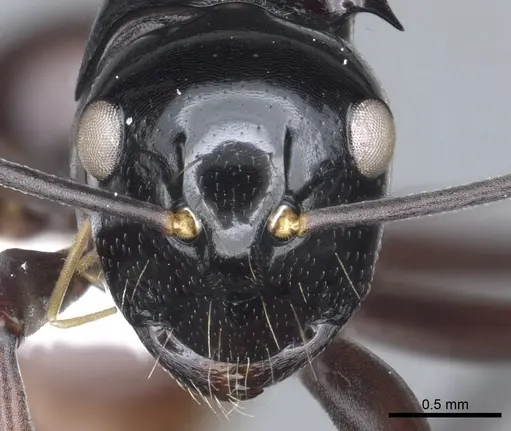
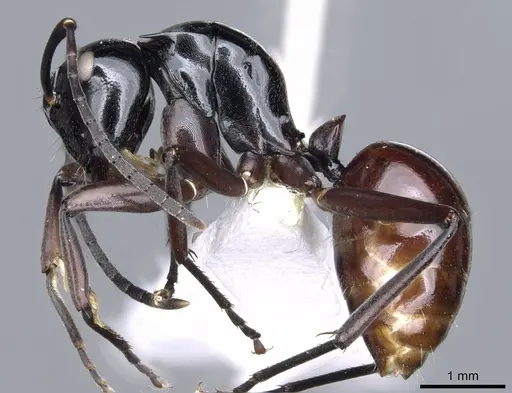
Literatura
Carregando mapa de distribuição...Carregando produtos...