
Polyrhachis bakana
- Nome científico
- Polyrhachis bakana
- Subgênero
- Myrmhopla
- Tribo
- Camponotini
- Subfamília
- Formicinae
- Autor
- Xu, 1998
- Distribuição
- Encontrada em 0 países
Introdução
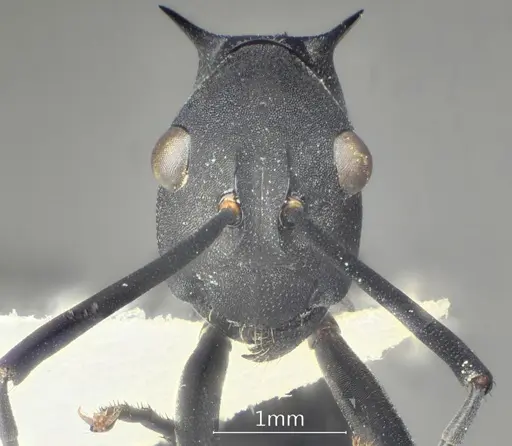
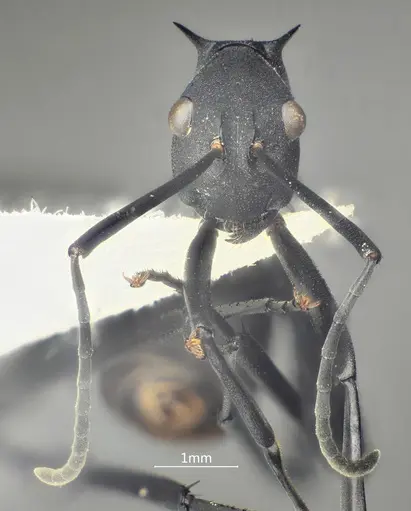
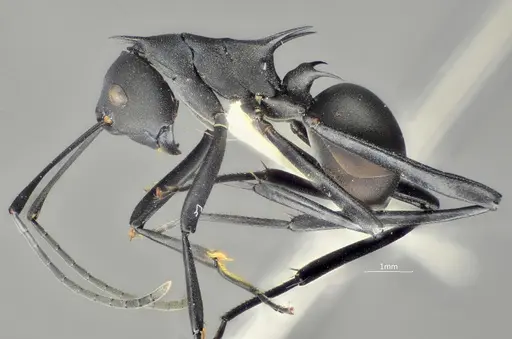
Polyrhachis bakana is a small ant species native to Yunnan Province, China. Workers are approximately 5-7 mm in length with spines on the mesosoma, characteristic of Polyrhachis ants. The species is endemic to Yunnan, documented in the Xishuangbanna area . This is a poorly studied species with limited biological information available. Polyrhachis bakana is notable for its restricted distribution in subtropical mountain regions of China, making it an unusual choice for antkeeping due to scarce care data.
Quick Summary
- Difficulty: Medium
- Origin & Habitat: Yunnan Province, China, in subtropical mountain regions with high humidity and moderate temperatures [1].
- Colony Type: Colony structure is unconfirmed. Based on typical Polyrhachis patterns, likely single-queen colonies (monogyne), but this is inferred.
- Size & Growth:
- Queen: ~7-9 mm, inferred from Polyrhachis genus patterns
- Worker: ~5-7 mm, inferred from Polyrhachis genus patterns
- Colony: Unknown, no specific data available
- Growth: Unknown, likely moderate based on genus patterns
- Development: 6-10 weeks, estimated based on typical Polyrhachis development (Development time may vary with temperature, no species-specific data available.)
- Antkeeping:
- Temperature: Keep warm, roughly 22-26°C, based on Yunnan's subtropical climate [1]. Use a gentle gradient if needed.
- Humidity: Keep substrate consistently moist but not waterlogged, based on the humid habitat [1].
- Diapause: Unknown, Yunnan has mild winters, so reduced activity may occur, but no confirmed diapause requirements.
- Nesting: Based on Polyrhachis genus patterns, likely nest in vegetation or wood. Use Y-tong or naturalistic setups with moist substrate.
- Behavior: Polyrhachis ants are generally less aggressive. Workers are active foragers and may bite or spray formic acid if threatened, but they are not dangerous to humans. Escape risk is moderate due to their size, ensure tight-fitting lids.
- Common Issues: improper humidity control can lead to colony decline due to their humid habitat requirements, temperature stress may occur if not maintained within the 22-26°C range, limited care data means observations are needed to adjust feeding and housing, escape prevention is important despite moderate size, they are agile climbers
Species Background and Identification
Polyrhachis bakana was described from worker specimens in Yunnan, China. It belongs to the subfamily Formicinae, tribe Camponotini, which lacks a functional sting and instead sprays formic acid for defense [2]. The genus Polyrhachis is known for spines on the mesosoma and includes over 500 species in tropical and subtropical regions.
Natural Habitat and Distribution
This species is endemic to Yunnan Province, China, specifically documented in the Xishuangbanna area [1]. The habitat features subtropical forests with high humidity and moderate temperatures, suggesting a preference for warm, moist conditions.
Housing and Nest Setup
Use a nest that retains moisture, such as Y-tong or naturalistic setups with soil and wood pieces. Provide climbing surfaces and materials for potential nest construction, as Polyrhachis species often nest in vegetation. Keep the substrate moist but not waterlogged. [2]
Feeding and Diet
Feed sugar sources like honey water constantly for energy. Offer protein such as small insects 2-3 times per week for brood development. Remove uneaten prey after 24 hours to prevent mold. [2]
Temperature and Seasonal Care
Maintain temperatures around 22-26°C, based on Yunnan's climate [1]. Use a heating cable on one side for a gentle gradient if needed. Diapause is unknown, but a cooler period may be considered if colony activity slows.
Behavior and Handling
Workers are active and agile foragers. They may bite or spray formic acid when threatened, but are not dangerous. Ensure escape prevention with tight lids due to their moderate size and climbing ability. [2]
Frequently Asked Questions
How long does it take for Polyrhachis bakana to produce first workers?
The exact timeline is unconfirmed. Based on typical Polyrhachis patterns, expect first workers within 6-10 weeks under optimal temperatures, but this is an estimate.
What do Polyrhachis bakana ants eat?
They are omnivorous. Offer sugar water constantly and protein like small insects 2-3 times per week.
Can I keep Polyrhachis bakana in a test tube?
Test tubes work for founding colonies. Move to a larger formicarium once the colony grows, but no specific size data is available.
What temperature do Polyrhachis bakana ants need?
Keep them at 22-26°C, based on their native Yunnan habitat [1].
Are Polyrhachis bakana good for beginners?
This species is poorly documented, making it challenging for beginners. Experience with similar species is helpful.
Do Polyrhachis bakana need hibernation?
True hibernation is unknown. Yunnan has mild winters, so reduced activity may occur, but no confirmed diapause requirements.
How big do Polyrhachis bakana colonies get?
Colony size is unknown due to limited data. Based on genus patterns, they may reach several hundred workers, but this is inferred.
Why is my Polyrhachis bakana colony declining?
Common causes include improper humidity, temperature stress, or poor nutrition. Ensure conditions match their humid habitat [1].
Report an Issue
The current care sheet is based fully on literature. See inconsistencies, or something that's incorrect? Please , it will be resolved after review from an admin. Contributing to the blogs tab also helps providing information, to make us be able to further improve the caresheets. Thank you for your support!
References

Este guia de cuidados está sob a licença CC BY-SA 4.0 .
Posts da comunidade
ANTWEB1060616
Ver no AntWeb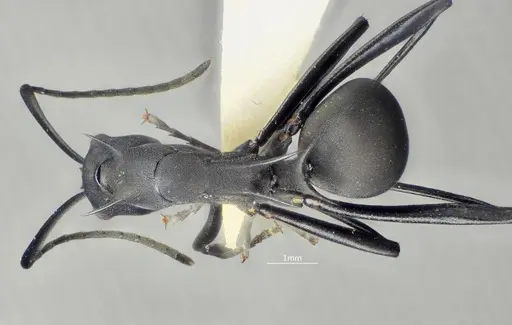
Literatura
Carregando mapa de distribuição...Carregando produtos...